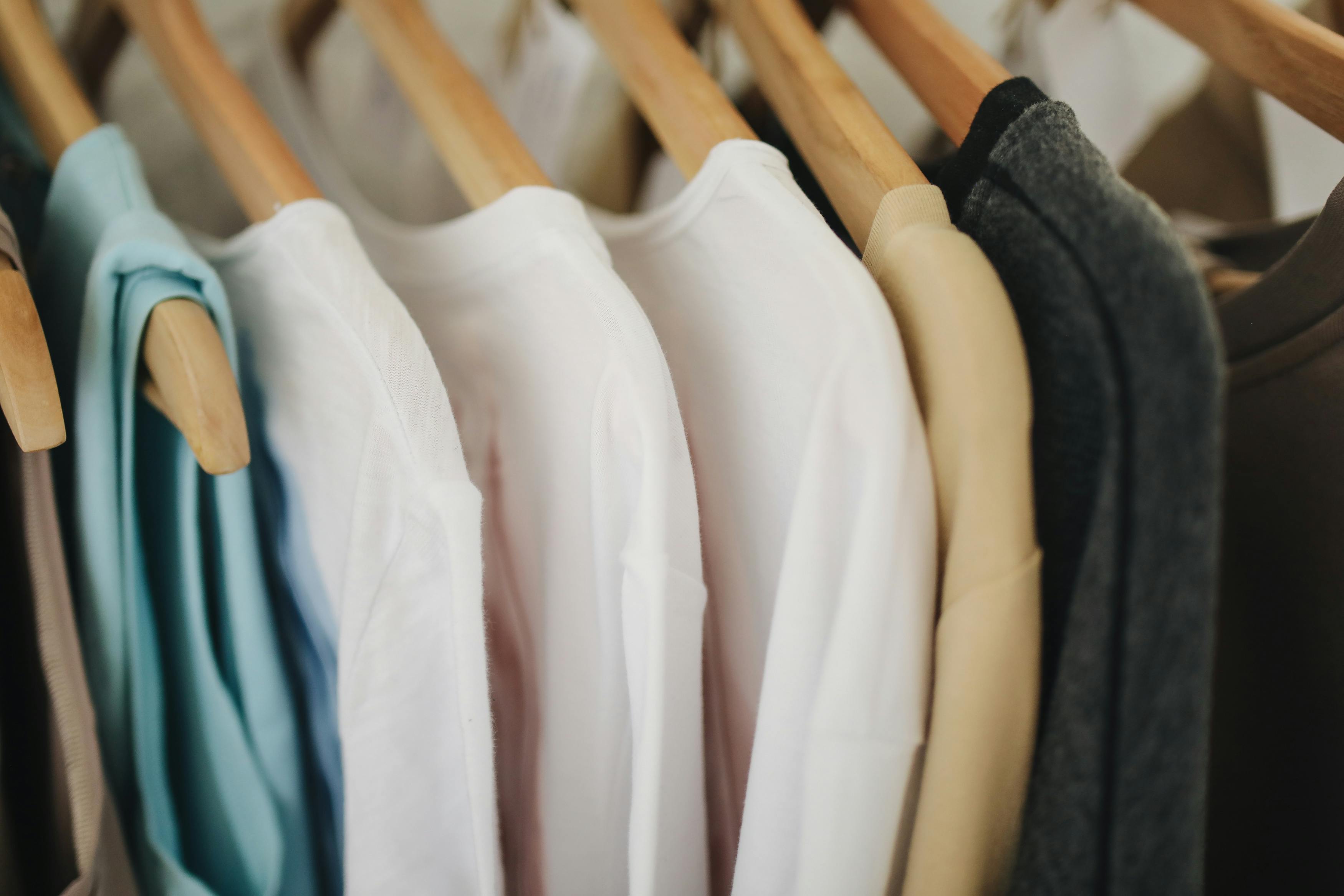
How to Look Champagne Chic on a Soda Budget: Thrifted Luxury & Designer Dupes That Actually Slap
Thrifted luxury and designer dupes are having their main-character moment, and honestly, it’s about time our wallets got a happy ending too. All over TikTok, YouTube, and Instagram, creators are turning “I found this in a bin” into “Is that The Row?” faster than you can say “rent is due.” If you’ve ever wanted to look expensive while your bank account is whispering “please be serious,” this one’s for you.
Today we’re diving into the rising trend of thrifted luxury and designer-inspired fashion on a budget—from hunting down real-deal vintage Prada and Burberry to styling affordable dupes that nail the silhouette of your favorite runway looks. Think of this as your fashion cheat code: fewer labels, more looks; less guilt, more glam; big runway energy, small receipt.
Why “Thrifted Luxury” Is the New Flex
Once upon a time, luxury meant walking into a glossy boutique and leaving with a logo-heavy shopping bag and a mild sense of financial regret. Now, the cool kids are bragging about how their “$15 thrift store coat is actually vintage Burberry from the 90s.” The plot twist? It’s not just about saving money—it’s about taste, effort, and resourcefulness.
- Algorithms love a glow-up: Transformation content—“$30 outfit vs $500 outfit,” “come thrift with me,” “before/after styling”—is everywhere. You’re not just getting dressed; you’re starring in your own budget-friendly makeover montage.
- Sustainability, but make it chic: Buying pre-loved pieces keeps clothes in rotation and reduces demand for overproduction. You’re basically saving the planet in a trench coat.
- Subtle flex energy: Anyone can tap a card at a luxury store. Not everyone can spot a 90s Prada nylon bag hiding behind a pile of sad totes. The real flex is the hunt.
Modern style rule: It doesn’t have to be new to look expensive, and it doesn’t need a logo to be luxurious.
Branch One: True Thrifted & Vintage Luxury
Let’s start with the treasure-hunt side of the trend: finding genuine designer fashion through thrifting, consignment, and resale platforms. This is where you stumble upon vintage Burberry trenches, old Celine, 90s Prada nylon, and classic Coach bags that look like they belong in a mood board, not a discount rack.
How to Spot the Real Deal Without Crying Later
Luxury authentication can feel like a secret language, but you don’t need a magnifying glass and white gloves—just a sharper eye and a little homework. Focus on these:
- Stitching: Real luxury pieces have neat, even, tight stitches. If it looks like it was sewn during a moving vehicle, walk away.
- Hardware: Check zips, clasps, and buckles. They should feel solid, not flimsy, and often have the brand name subtly engraved, not slapped on like a sticker.
- Serial numbers & tags: Many bags and shoes have serial numbers or date codes. Look for made-in-Italy or made-in-France tags, and research how each brand formats its codes.
- Lining: Cheap lining is a red flag. Luxury linings are usually consistent, high-quality, and cleanly finished with no loose threads or bubbling.
Think of it like dating: if something feels “off” but you’re trying to convince yourself it’s fine… it’s probably not the one.
What Labels and Eras to Hunt For
Vintage doesn’t mean “old and mysterious.” It means “from a time when brands were obsessed with craftsmanship.” Keep an eye out for:
- 90s Prada nylon: Minimalist, durable, and the current obsession of fashion TikTok. If you find one in good condition, that’s your Roman Empire now.
- Classic Coach bags: Especially older, made-in-USA or made-in-Italy styles with thick, glove-tanned leather.
- Vintage Burberry trenches: Look for the iconic check lining and sturdy cotton gabardine fabric. A good one will outlive your situationship.
- Old Celine and quiet luxury brands: Clean lines, minimal logos, neutral tones—very “I work in a glass office and drink excellent coffee” energy.
The key is to train your eye for quality, not just famous names. Tags fade, but good construction ages like fine wine.
Is It Worth Restoring?
Sometimes your thrift find looks less “luxury” and more “survived a small incident.” Before you panic:
- Easy fixes: Leather conditioning, a new strap, reheeling shoes, or dry cleaning can transform a sad piece into a star.
- Red-flag damage: Deep cracks in leather, mold, broken zippers that can’t be replaced, or structural damage to bags may cost more than they’re worth.
- Do the math: Take the price of the item + estimated repair cost. If the total is still far below the usual resale price and you love the piece, it’s a win.
Remember: you’re building a forever wardrobe, not adopting every bag that looks at you with sad hardware.
Branch Two: Designer-Inspired on a Budget
Not in the mood to decode serial numbers or hunt for a Prada unicorn? Enter the designer-inspired dupe: pieces that echo the shape, vibe, and polish of luxury items without copying them line-for-line—or price-for-price.
Dupe vs. Knockoff: Know the Difference
Fashion ethics, but make it digestible:
- Dupe: Captures the idea of a piece—the silhouette, the cut, the minimal aesthetic—without using trademarks, logos, or identical details.
- Knockoff: Tries to look like the real thing, complete with fake logos or signature prints. This slides into unethical and sometimes illegal territory.
If your piece is “inspired by” The Row or Saint Laurent, you’re good. If it’s trying to pretend to be them, that’s when we close the tab.
Key Designer Vibes You Can Dupe Easily
You don’t need the label if you nail the silhouette. Focus on:
- Tailored wide-leg trousers: Channel The Row by choosing drapey, heavier fabrics in neutrals like black, charcoal, or cream. The hang of the pant leg does more talking than any logo.
- Structured blazers: Look for sharp shoulders, a nipped waist, and clean lapels. Suddenly your $40 blazer reads like “I have a stylist and a calendar full of power lunches.”
- Minimalist leather sneakers: A clean white low-top with subtle detailing can give you Common Projects energy without the Common Projects receipt.
- Simple trench coats: Even a no-name trench in a classic beige with a good belt instantly upgrades jeans and a tee to cinematic-main-character status.
When in doubt, ask: “If this had no label, would it still look expensive?” If yes, you’re on the right track.
Styling Tricks That Make Any Outfit Look More “Designer”
Here’s the secret the internet keeps screaming about: it’s not just what you buy, it’s how you style it. A no-name trench, well-fitted jeans, and clean sneakers can read as designer if the proportions and color palette are right.
1. Prioritize Fit Like It’s Your Job
A $20 blazer that’s tailored to your shoulders will look more expensive than a $500 blazer hanging off you like a sad curtain. Get friendly with:
- Hemlines: Cropped too short or dragging on the floor? No. Aim for just-right lengths that frame your shoes or give a clean break at the ankle.
- Shoulders: Seams should sit on the edge of your shoulders, not halfway down your arms or up your neck.
- Waist: Cinch blazers, trenches, and dresses where you naturally narrow. It adds instant polish.
A tailor is basically a real-life filter for your clothes. Use them.
2. Build a Quiet-Luxury Color Palette
Loud logos are out; quietly confident neutrals are in. To fake a designer wardrobe, lean into:
- Base shades: Black, white, cream, navy, gray, and camel.
- Accent colors: Deep forest green, burgundy, muted blue—things that whisper, not scream.
Neutrals let even budget pieces blend together like they were planned, not panicked.
3. Use Accessories as Your Plot Twist
Accessories are the cheapest way to crank your outfit’s “I pay my bills on time” energy up to 100. Focus on:
- Belts: A structured leather belt can define your waist, elevate jeans, and make thrifted trousers feel tailored.
- Scarves: Silk or silk-like scarves (thrift stores are full of them) can be tied on bags, around the neck, or even as hair accessories.
- Sunglasses: Clean, structured frames (no wild logos) instantly add air of mystery and competence, even if you just forgot your grocery list.
Think of accessories as subtitles for your outfit. They quietly explain what vibe you’re going for.
Gamifying Your Wardrobe: Budget Challenges & Outfit Glow-Ups
Part of why this trend thrives online is the sheer entertainment value. People love a challenge, and TikTok and YouTube are pushing:
- “$30 luxury outfit challenge” – Create the most expensive-looking fit possible under a tiny budget.
- “$50 vs. $500 outfit” – Style two visually similar looks at wildly different price points.
- “Come thrift with me” – Bring followers along for honest hits and misses in the thrift aisles.
Try your own version:
- Pick an inspiration photo: a runway look, celebrity outfit, or aesthetic street style shot.
- Break it down: note the key elements—trench + tailored pants + loafers + tote, for example.
- Recreate the silhouette and color palette using thrifted or affordable pieces, not exact items.
Screenshot the inspo, then photograph your final look side by side. If your version says “same universe, different budget,” you nailed it.
Menswear & City-Chic: Thrifted Street Style That Means Business
This trend isn’t just for frilly dresses and tiny bags; it’s huge in menswear and aesthetic street style too. Think:
- Thrifted trench coats layered over hoodies or crisp shirts.
- Loafers found at consignment shops, paired with white socks and tapered trousers.
- Structured tote bags and briefcase-style bags from vintage stores.
The goal is “sophisticated city person,” built almost entirely from secondhand or budget-friendly pieces. If your outfit looks like it should be striding purposefully through a subway station or grabbing an espresso between meetings, you’re on-brand.
For a menswear-inspired starter kit, look for:
- A slightly oversized trench coat in beige, black, or navy.
- Leather or faux-leather loafers in black or brown.
- A simple structured tote or brief-style bag with minimal hardware.
Mix these with basics you already own—white tees, straight-leg jeans, a good hoodie—and suddenly your daily commute becomes a street style moment.
Building a “Thrifted Luxury” Wardrobe That Actually Works
Let’s put it all together so your closet becomes less “chaotic goblin hoard” and more “curated collection.”
Step 1: Define Your Aesthetic, Not Your Labels
Are you aiming for quiet luxury, 90s minimalism, city-chic menswear, or a bit of all three? Make a mini mood board. When you thrift or shop for dupes, ask: “Does this fit the mood, or is it just cute and distracting?”
Step 2: Invest (Smartly) in Anchors
Even on a budget, it can be worth spending a bit more—thrifted or new—on items that anchor multiple outfits:
- One excellent coat or trench.
- A pair of tailored trousers that make you stand taller.
- Quality shoes: loafers, minimalist sneakers, or ankle boots.
These are your wardrobe’s main characters; everything else plays a supporting role.
Step 3: Rotate in Statement Pieces Sparingly
That wild vintage jacket? Those bold patterned pants? They’re fun, but don’t let them crowd out basics you’ll actually wear. One or two statement finds can transform your staples without overwhelming them.
Remember: a chic wardrobe isn’t about having everything. It’s about having enough of the right things that all play nicely together.
Confidence: The Ultimate Luxury Item (Still Free)
At the end of the day, the trend toward thrifted luxury and smart dupes is about more than saving money. It’s about creativity, intentionality, and refusing to let your budget gatekeep your style.
When you:
- Learn to recognize quality.
- Style based on silhouette, fit, and palette—not just what’s trending.
- Take pride in finding that $500 look for $50.
…you’re not just dressing better; you’re flexing a whole new kind of confidence. The kind that says, “Yes, I look expensive. No, my credit card is not crying.”
Luxury is no longer reserved for people with platinum cards; it belongs to anyone willing to hunt, experiment, and tailor a little. So open that resale app, hit the thrift store, and start building the wardrobe that makes you feel like the main character—on a supporting-cast budget.
Image Suggestions
Below are carefully selected, strictly relevant image suggestions that visually support key concepts from this blog.
Image 1: Thrifted Vintage Luxury Rack
Placement: Directly after the paragraph that begins “Let’s start with the treasure-hunt side of the trend…” in the section “Branch One: True Thrifted & Vintage Luxury”.
Supported sentence/keyword: “This is where you stumble upon vintage Burberry trenches, old Celine, 90s Prada nylon, and classic Coach bags that look like they belong in a mood board, not a discount rack.”
Required visual content:
- A realistic photo of a clothing rack in a thrift or consignment store.
- Visible classic trench coats (beige and/or camel tones), structured leather handbags on an adjacent shelf or hanging hooks.
- Tags that suggest higher-quality or vintage items, but no visible brand logos or trademarked patterns.
- Neutral, well-lit interior, focused on garments and bags only; no people in frame.
SEO-optimized alt text: “Rack of vintage trench coats and leather handbags in a thrift store, illustrating thrifted luxury fashion finds.”
Example suitable image URL (verify 200 OK):
https://images.pexels.com/photos/3735641/pexels-photo-3735641.jpeg
Image 2: Designer-Inspired Minimalist Outfit Flat Lay
Placement: After the bullet list under “Key Designer Vibes You Can Dupe Easily” in the section “Branch Two: Designer-Inspired on a Budget”.
Supported sentence/keyword: “You don’t need the label if you nail the silhouette.”
Required visual content:
- A flat-lay arrangement of clothing on a neutral background.
- Wide-leg tailored trousers, a structured blazer, a simple trench coat, and minimalist white sneakers or loafers.
- Neutral color palette: black, white, beige, navy, or gray; no visible logos or branding.
- Clean, realistic photography; no people, just garments and shoes.
SEO-optimized alt text: “Flat lay of tailored trousers, structured blazer, trench coat, and minimalist sneakers showing designer-inspired outfit on a budget.”
Example suitable image URL (verify 200 OK):
https://images.pexels.com/photos/6311579/pexels-photo-6311579.jpeg
Image 3: Menswear-Inspired City-Chic Outfit
Placement: After the paragraph starting “The goal is ‘sophisticated city person,’ built almost entirely from secondhand or budget-friendly pieces.” in the section “Menswear & City-Chic: Thrifted Street Style That Means Business”.
Supported sentence/keyword: “Think: trench coats, loafers, and structured tote bags.” (from earlier description of menswear and city looks).
Required visual content:
- A neatly arranged outfit (flat lay or on a hanger against a plain wall) featuring a beige or dark trench coat, loafers, tapered trousers, and a structured tote or brief-style bag.
- No visible people—only garments and accessories.
- Muted, city-chic colors like navy, black, gray, and camel; no bold logos.
SEO-optimized alt text: “Menswear-inspired city outfit with trench coat, loafers, tapered trousers, and structured tote bag representing thrifted street style.”
Example suitable image URL (verify 200 OK):
https://images.pexels.com/photos/2983464/pexels-photo-2983464.jpeg