
How Ozempic Is Changing Diet Culture: GLP‑1 Weight Loss, Food Joy & The New “Ozempic Diet”
Ozempic, Wegovy & the Rise of the “Ozempic Diet” Culture
Ozempic and Wegovy, two GLP‑1 medications originally developed for type 2 diabetes, have become some of the most talked‑about tools in modern weight‑loss culture. Over just a couple of years, they’ve moved from quiet prescriptions in clinics to the center of celebrity gossip, TikTok transformations, and heated dinner‑table debates. Instead of the old language of “cutting carbs” or “cleanses,” people now talk about losing weight because food simply doesn’t appeal the way it used to.
This shift raises big questions: How do you nourish yourself when you’re barely hungry? What happens to our relationship with food and body image when medication does so much of the appetite work? And can you still enjoy eating—savoring the smell of roasted garlic, the creaminess of yogurt, the snap of fresh vegetables—on a GLP‑1 like Ozempic or Wegovy?
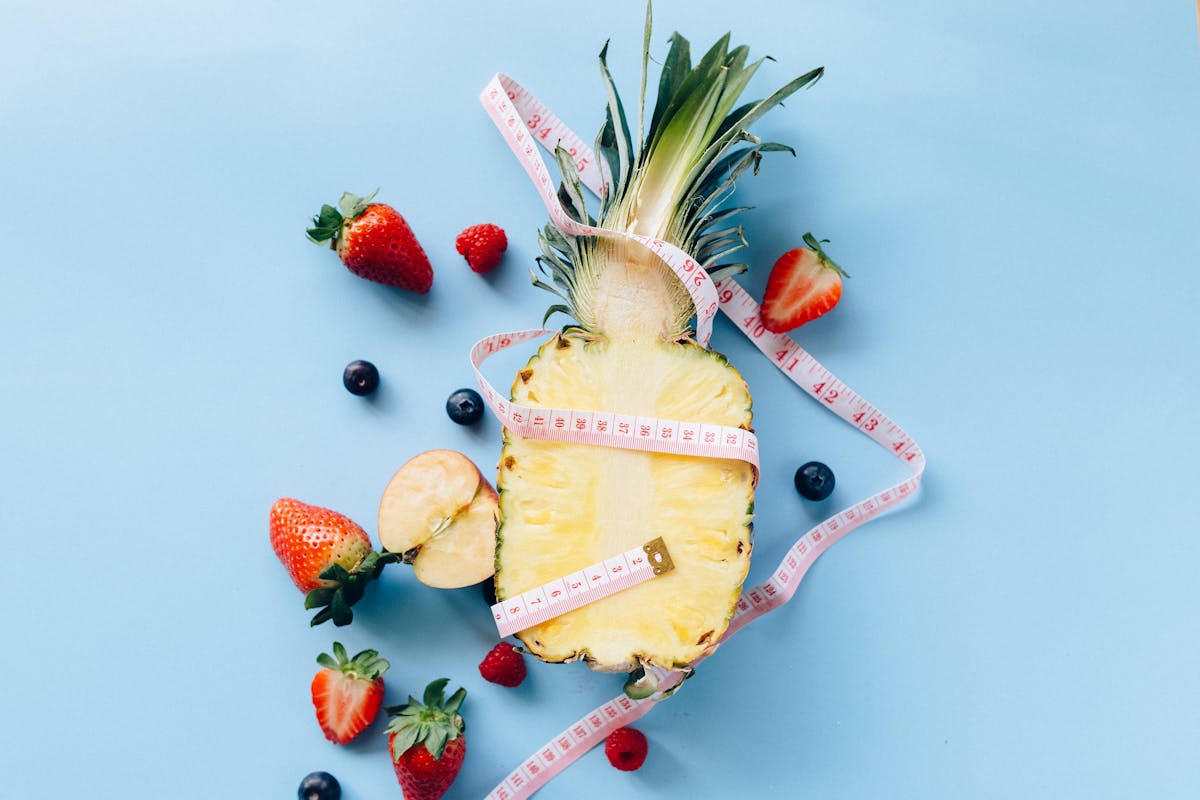
Quick Overview: GLP‑1 Drugs & Today’s Diet Culture
GLP‑1 agonists such as Ozempic (semaglutide) and Wegovy act on hormones that influence blood sugar and appetite. For many people, that means:
- Feeling full with much smaller portions
- Cravings, especially for very sweet or greasy foods, decreasing
- Weight loss that can feel almost “automatic” compared with past diets
On social media, this has been packaged as the “Ozempic diet”—not a formal eating plan, but a way of describing life on these medications: tiny meals, skipped snacks, and, for some, less joy in eating. The conversation now sits at the crossroads of medicine, nutrition, ethics, and culture.
Why the “Ozempic Diet” Is Trending
The explosion of interest around Ozempic and Wegovy didn’t start in doctor’s offices—it started with stories. On red carpets, in interviews, and across Instagram, people noticed bodies changing quickly and quietly. Rumors swirled, confirmation followed, and soon GLP‑1 drugs became shorthand for a certain kind of dramatic transformation.
1. Celebrity & Influencer Visibility
Many celebrity weight‑loss conversations now include speculation about GLP‑1 use rather than talk of specific diets or workout plans. Influencers share highly curated “what I eat in a day on Ozempic” videos, with footage of half‑finished salads or a single protein shake standing in for entire meals.
2. Before‑and‑After Transformations
Before‑and‑after photos are everywhere: side‑by‑side shots showing significant weight loss over just a few months. These visuals can be gripping—and polarizing. For some viewers, they’re hopeful; for others, they feel like pressure, a reminder of body standards that never stop shifting.
“It looks so easy online—like you just take the shot and the weight falls off. No one talks about the nausea, or how weird it feels when food stops being comforting.”
3. A New Idea of What “Dieting” Looks Like
Classic diets focus on rules: count calories, cut carbs, avoid sugar. By contrast, many people on Ozempic or Wegovy say they feel like the medication does the work for them. They simply don’t think about food as much, or they get uncomfortably full very quickly. This changes what people expect from weight‑loss efforts—it’s less about willpower and more about pharmacology.
4. Backlash, Side Effects & Caution
The backlash is just as loud as the hype. On platforms like TikTok and YouTube, people share stories of:
- Nausea, vomiting, constipation, or diarrhea
- Feeling dizzy or wiped out from eating too little
- Rapid fat loss in the face—the so‑called “Ozempic face”
- Muscle loss when protein and strength training are not prioritized
There is also genuine concern about what happens when people stop the drug. Early data and patient stories suggest significant weight regain is common if underlying habits, environment, and medical factors aren’t also addressed.
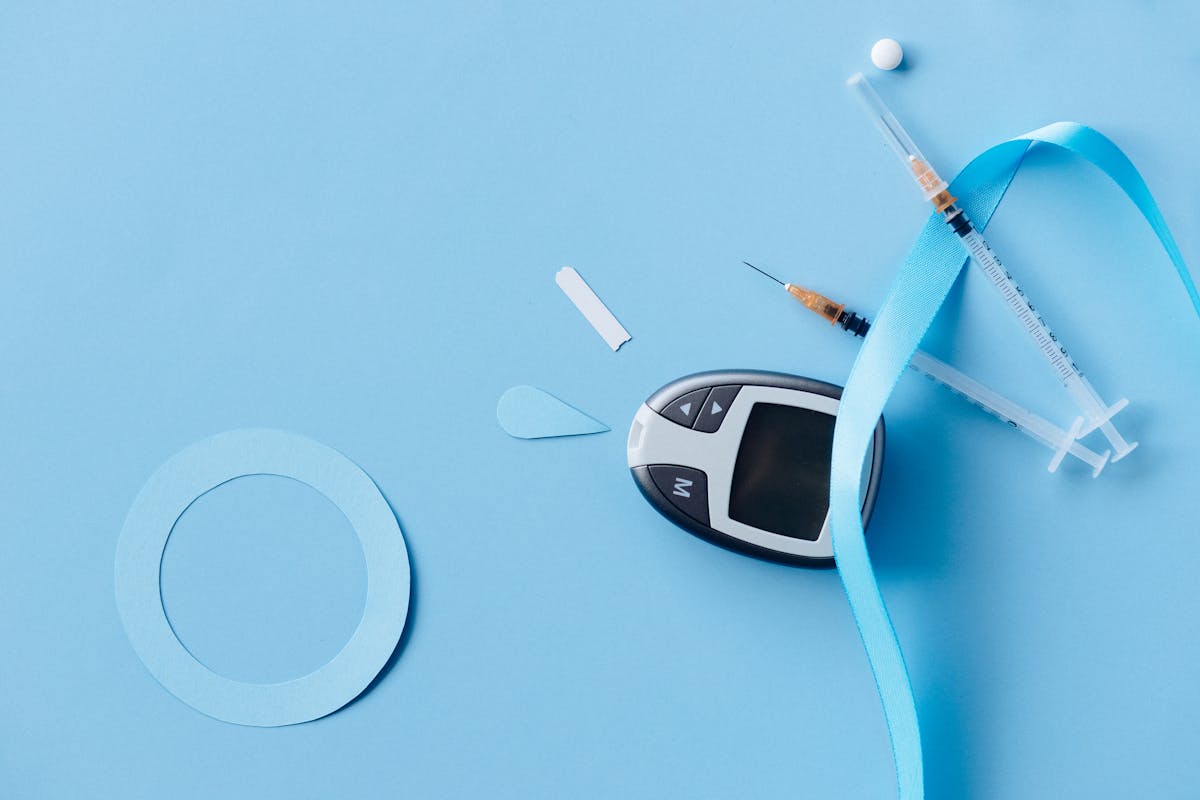
Eating on Ozempic: Small Appetite, Big Nutrition Needs
When your appetite shrinks, every bite has to work harder for you. Dietitians and doctors are increasingly emphasizing nutrient‑dense, high‑protein foods for people on GLP‑1 medications to protect muscle, support energy, and reduce side effects.
Protein Prioritization
Protein becomes the main character on your plate. Think of it as the structural support that keeps your body strong while your weight shifts. Without enough protein, you may lose muscle along with fat, which can impact strength, metabolism, and how you feel day‑to‑day.
- Creamy Greek yogurt or skyr with berries and seeds
- Eggs in any form: soft‑boiled, scrambled, omelets
- Tofu and tempeh in stir‑fries or sheet‑pan meals
- Lean meats like chicken, turkey, or lean beef
- Cottage cheese with fruit, herbs, or a drizzle of olive oil
- Protein smoothies with milk or fortified plant milk
Micronutrient Density: Vitamins & Minerals in Every Bite
With fewer overall calories, nutrient‑rich foods matter more. You can think in colors: the deep green of spinach, the jewel‑tone of blueberries, the bright orange of roasted carrots. These colors often signal antioxidants, vitamins, and minerals that support everything from immunity to skin health.
- Fatty fish like salmon or sardines for omega‑3s
- Dark leafy greens (spinach, kale, Swiss chard)
- Eggs for choline, vitamin D, and B vitamins
- Berries for fiber and antioxidants
- Nuts and seeds (chia, flax, pumpkin seeds)
Gut Health & Side‑Effect Management
Many GLP‑1 users experience digestive side effects, especially when starting or increasing doses. Gentle support for the gut can make a world of difference:
- Fiber: oats, beans, lentils, fruits with skin, veggies
- Hydration: water, herbal teas, broths, electrolyte drinks if needed
- Probiotics: yogurt, kefir, kimchi, sauerkraut if tolerated
- Gentle movement: walking after meals can ease digestion
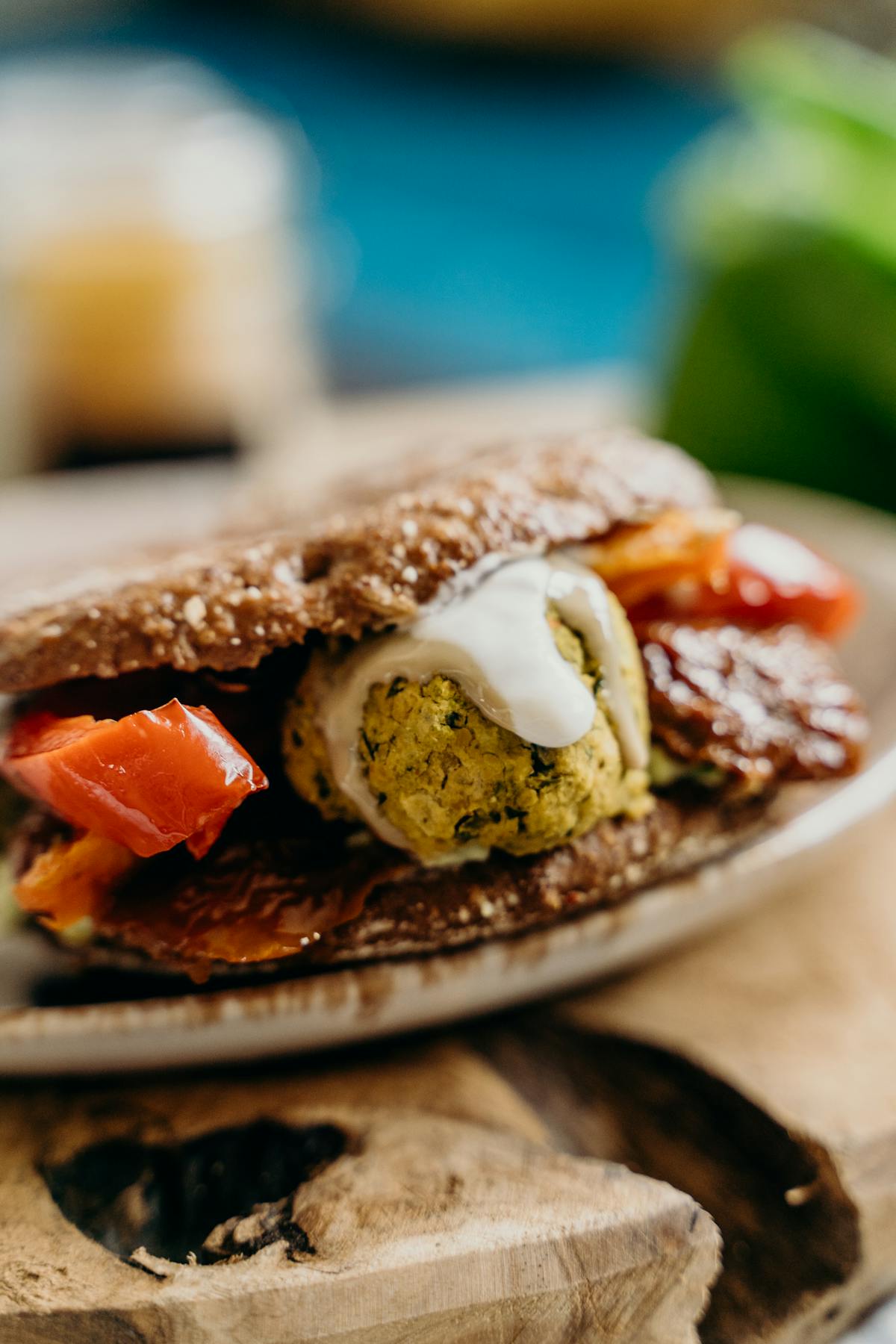
Ethical & Social Dimensions of GLP‑1 Weight‑Loss Culture
The “Ozempic diet” is about more than food and weight—it touches on fairness, access, and how we talk about bodies. Some of the most important conversations revolve around:
- Access & affordability: Not everyone who could medically benefit from GLP‑1 drugs can afford them or get consistent insurance coverage.
- Impact on people with diabetes: Spikes in demand for weight loss have raised concerns about shortages and pricing for those who need these medications to manage blood sugar.
- Mental health & body image: A culture that praises rapid weight loss can intensify pressure, especially for people who already struggle with disordered eating or negative self‑image.
It’s worth remembering that weight is only one part of health, and that meaningful health care includes mental well‑being, access to nourishing food, movement that feels good, supportive communities, and respectful medical care.
A compassionate approach to GLP‑1s asks: How do we keep people nourished, informed, and emotionally supported—not just thinner?

Gentle, High‑Protein “Ozempic‑Friendly” Meal Ideas
When you’re on a GLP‑1, big plates can feel overwhelming. The goal is simple: small, satisfying meals that are kind to your stomach but rich in protein and micronutrients. Below are ideas—not rules—to inspire you. Adjust portions, textures, and flavors based on what feels good in your body.
Breakfast (or First Meal) Ideas
- Soft scrambled eggs with a sprinkle of cheese and a side of sliced tomato and avocado
- Greek yogurt parfait in a small glass with a spoonful of granola, berries, and chia seeds
- Protein smoothie with milk or fortified plant milk, protein powder, a handful of spinach, and blueberries
Lunch & Dinner Ideas
- Mini salmon bowl: a few bites of baked salmon over spoonfuls of rice or quinoa with cucumber and edamame
- Tofu stir‑fry: soft tofu cubes with finely sliced vegetables in a mild, not‑too‑oily sauce
- Chicken and veggie soup: tender shredded chicken, carrots, celery, and small pasta or rice in a soothing broth
Snack Ideas
- A few spoonfuls of cottage cheese with pineapple or berries
- Hummus with thinly sliced cucumber or bell pepper strips
- A small handful of nuts and one piece of fruit, like half an apple
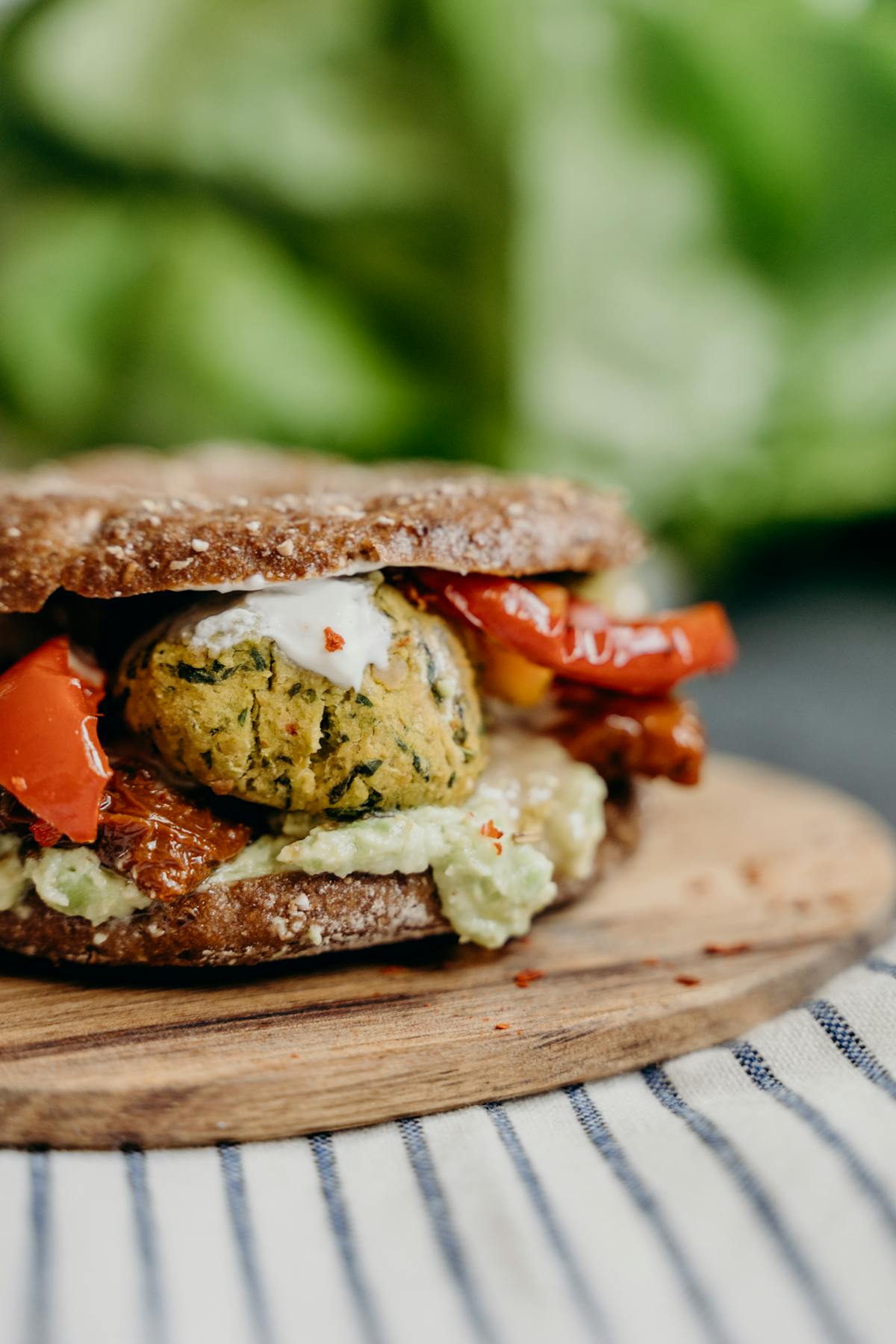
Protecting Your Relationship with Food on GLP‑1s
Many people describe a bittersweet side of being on Ozempic or Wegovy: weight loss may feel like a relief, but food doesn’t light up their senses the way it once did. The smell of fresh bread might not tug at you. Favorite dishes may taste “fine” instead of thrilling. This emotional disconnect can feel like grief.
It can help to redefine what joyful eating looks like in this season of your life:
- Lingering over a beautifully arranged small plate instead of a big one
- Focusing on textures you enjoy—crunchy veggies, silky custards, creamy soups
- Cooking with herbs, citrus, and spices that brighten flavor without heaviness
- Sharing meals with others, even if you eat less—connection is nourishing too
Practical Tips for Eating Well on Ozempic or Wegovy
You don’t need a complicated “Ozempic diet plan.” Instead, think in simple, practical habits that keep you nourished without overwhelming your appetite or schedule.
- Plan your protein first. When you think about a meal, start by choosing the protein, then add plants and healthy fats around it.
- Use small plates and bowls. This makes small portions feel intentional and satisfying, not “less than.”
- Keep gentle foods ready. Broths, soups, yogurts, and smoothies are helpful for low‑appetite or queasy days.
- Stay hydrated. Sip water or herbal tea throughout the day. If you’re light‑headed, talk with your clinician; sometimes electrolytes help.
- Support your muscles. If approved by your provider, add light strength training or resistance exercises a few times a week.
- Check in regularly with your care team. Ask about lab work, side‑effect management, and realistic expectations for weight changes.
Looking Ahead: Beyond the “Ozempic Diet” Hype
GLP‑1 medications like Ozempic and Wegovy are reshaping how we talk about dieting, health, and body size. For some, they’re life‑changing tools that improve blood sugar, reduce weight‑related health risks, and ease daily life. For others, they raise hard questions about access, long‑term safety, and what it means when appetite—and with it, some of the joy of eating—changes so dramatically.
No matter where you stand, one principle remains steady: your body still deserves care, nourishment, and kindness. Whether your meals are big or small, whether you’re on a GLP‑1 or not, there is room in your life for flavorful, satisfying food and a relationship with eating that feels respectful rather than punishing.
If you’re considering or already using a GLP‑1 medication, you’re not alone. Building a small, trusted team—a clinician, perhaps a dietitian, maybe a therapist—and listening closely to your own body can help you navigate this new landscape with as much safety, nourishment, and self‑compassion as possible.
