
How Ozempic Is Changing Diet Culture (And What Healthy Eating on GLP‑1s Really Looks Like)
Ozempic, Wegovy & the Rise of ‘Ozempic Diet’ Culture: How GLP‑1 Drugs Are Changing the Way We Eat
Over just the last 18–24 months, GLP‑1 weight‑loss medications like Ozempic, Wegovy, and Mounjaro/Zepbound have moved from quiet endocrinology offices into the center of pop culture. They’re not just changing bodies; they’re transforming how people feel about food, hunger, and dieting itself. Social feeds are packed with “What I eat on Ozempic” videos, hot takes on celebrity weight loss, and anxious questions about what healthy eating even looks like on these medications.
At the heart of this trend is a very practical, very human issue: when your appetite suddenly shrinks, how do you nourish yourself well—body and mind—without slipping into another round of toxic diet culture? Let’s explore what’s really happening with GLP‑1 drugs and how to build a sane, sustainable way of eating around them.
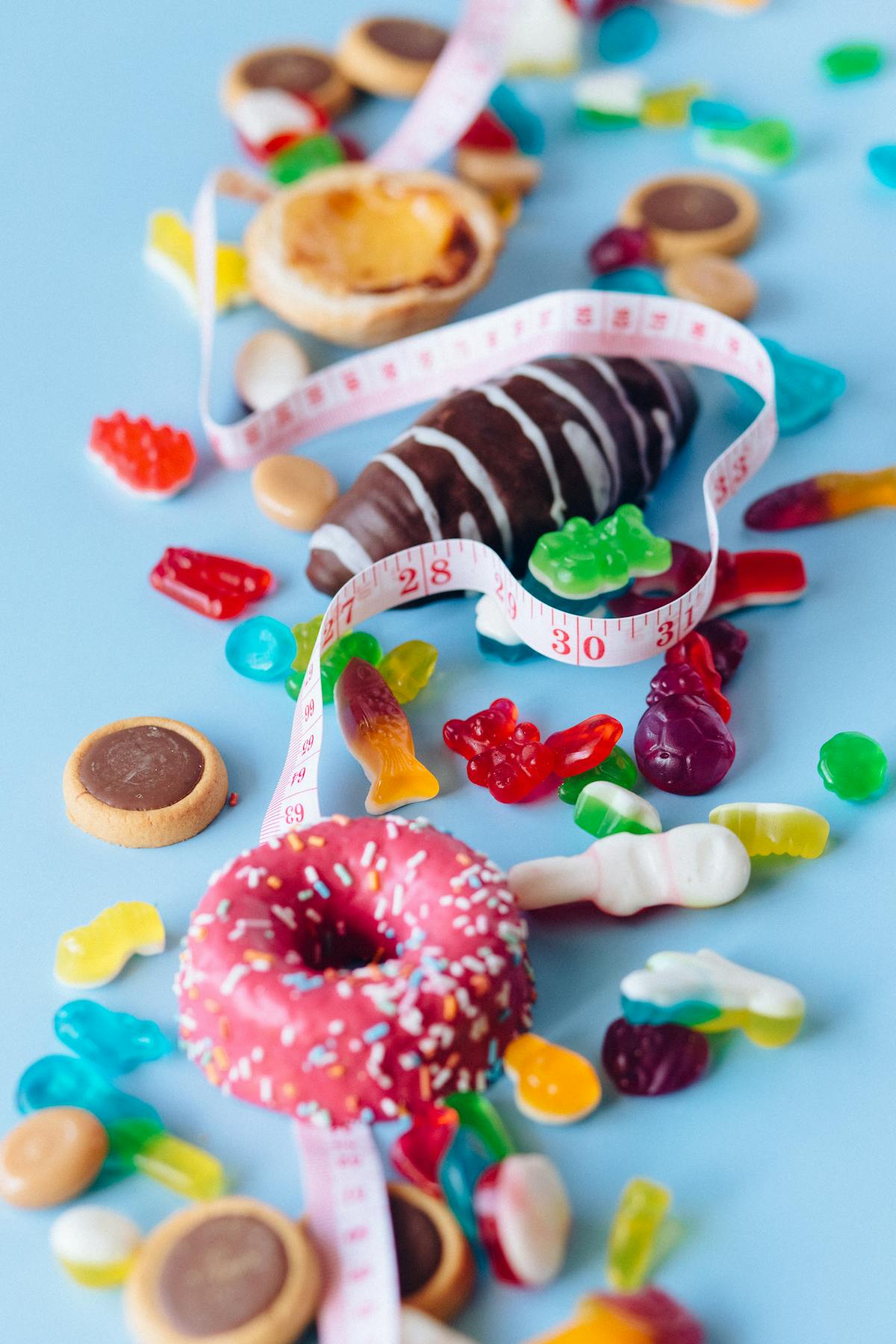
What Are GLP‑1 Drugs Like Ozempic and Wegovy, and How Do They Change Appetite?
Ozempic and Wegovy are brand names for semaglutide, a medication that mimics a hormone called GLP‑1 (glucagon‑like peptide‑1). Mounjaro and Zepbound (tirzepatide) go one step further by targeting both GLP‑1 and another hormone, GIP. These hormones help regulate:
- How quickly your stomach empties
- How full you feel after eating
- Blood sugar levels after meals
- Signals between your gut and your brain’s appetite centers
Many people describe the experience as if the “food noise” in their brain suddenly turns way down. Cravings quiet, portion sizes shrink, and some long‑standing eating patterns start to loosen. For some, that’s liberating. For others, it’s disorienting—and sometimes a little scary when they realize they’ve barely eaten all day.
The “Ozempic Diet” Trend: A New Chapter in Diet Culture
The phrase Ozempic diet
is a bit misleading. There’s no official menu or meal plan. Instead, it’s a swirl of:
- Before‑and‑after photos showing rapid weight changes
- Influencer vlogs of tiny, protein‑packed meals
- Speculation about celebrities and “Ozempic bodies”
- Worry about shortages for people with diabetes
- Ethical questions about access, stigma, and long‑term health
For many, these drugs have been life‑changing tools in managing diabetes or long‑term obesity. For others, they’ve reignited old diet‑culture wounds—especially the sense that a thinner body, however achieved, is still the standard. Navigating this landscape means holding space for both truths: medication can be a valid, evidence‑based tool, and the way we talk about bodies still needs a lot of healing.
“The real question isn’t just how fast we can lose weight with GLP‑1 drugs, but how kindly we can treat our bodies and minds while we’re on them—and after.”
Tiny Appetite, Big Protein Needs: Why Muscle Protection Matters
One of the biggest nutritional challenges on GLP‑1 medications is that your hunger plummets but your protein needs don’t. When you’re satisfied after just a few bites, it’s easy to under‑eat—especially protein—and that’s where muscle loss can creep in.
Many clinicians and sports dietitians suggest aiming for roughly 1.6–2.2 grams of protein per kilogram of body weight per day to help protect lean muscle while losing fat, especially when paired with resistance training. In everyday terms, that often means including a meaningful source of protein at every single eating occasion, even if that “meal” is just a few spoonfuls.
- Greek yogurt, cottage cheese, skyr
- Eggs and egg whites
- Tofu, tempeh, edamame
- Fish and seafood (often easier to digest than red meat)
- Beans, lentils, and chickpeas
- Protein shakes and smoothies (whey, soy, pea, or blends)

Small Plates, Big Nutrition: Building Nutrient‑Dense Meals on GLP‑1s
When you can only manage a few bites, every mouthful needs to count. That’s why you’ll see a wave of “small plate, high‑nutrition” recipes across TikTok, YouTube, and Instagram. The goal is to tuck vitamins, minerals, healthy fats, and fiber into modest, appealing portions that feel good on a sensitive stomach.
Key nutrients to prioritize
- Protein for muscle and metabolism
- Iron (especially for menstruating people)
- B‑vitamins for energy and nervous system health
- Calcium and vitamin D for bones
- Omega‑3 fats for heart and brain
- Fiber for digestion and gut health
Examples of nutrient‑dense, low‑volume meals
- Thick Greek yogurt with chia seeds, berries, and a sprinkle of nuts
- Creamy blended lentil or chickpea soup with olive oil and herbs
- Soft scrambled eggs with spinach and feta, served on half a slice of whole‑grain toast
- Salmon or tofu cubes with avocado and roasted vegetables in a small bowl
- Smoothies built with yogurt or protein powder, nut butter, and fruit
Texture matters, too. Many people on GLP‑1s find that smooth, soft, or blended foods sit better than big, chewy salads or heavy fried dishes. Think silky soups, tender grains, and gently cooked vegetables instead of raw, crunchy ones.
Soothing Side Effects with Food: Nausea, Constipation, and Reflux
GLP‑1 medications slow stomach emptying, which can be a double‑edged sword: it helps you feel full on less food, but it can also bring nausea, constipation, reflux, or odd changes in taste. The good news is that what and how you eat can make a real difference.
Eating habits that may help
- Eat slowly, taking small bites and pausing between them
- Avoid very heavy, fried, or greasy meals, especially early in treatment or after dose increases
- Limit alcohol, which can worsen nausea and reflux
- Stop at comfortable fullness—don’t chase your old portion sizes
Foods and drinks often recommended
- Ginger tea, ginger chews, or ginger‑based broths for nausea
- Peppermint tea (unless it worsens reflux for you)
- Simple starchy foods: rice, potatoes, crackers, dry toast, plain pasta
- Oats, chia seeds, psyllium husk, and fruit for gentle, soluble fiber
- Plenty of fluids, including water, herbal tea, or electrolyte drinks

Celebrity Bodies, Social Media, and the Ethics of the Ozempic Era
From red carpets to reality shows, speculation about who is or isn’t using GLP‑1 drugs has become its own form of entertainment. Rapid, dramatic body changes are scrutinized, and phrases like “Ozempic face” float around as punchlines. Underneath the gossip, though, are serious concerns:
- Access and equity: shortages have at times made it harder for people with diabetes to fill prescriptions.
- Stigma: larger bodies may feel even more pressure now that “pharmaceutical thinness” seems available—at least for those who can afford it.
- Long‑term health: questions remain about what happens metabolically when people stop these medications.
Long‑form podcasts, documentaries, and YouTube essays increasingly tackle these nuanced topics: how GLP‑1s intersect with fatphobia, chronic disease, and the wellness industry. At the individual level, it’s worth remembering that your worth is not your weight, and your story is more than a side‑effect profile.
Health is not a size. GLP‑1 medications are tools—not moral upgrades—and you deserve compassionate care at any weight, with or without them.
Life After Ozempic: Building a Sustainable, Post‑GLP‑1 Eating Pattern
Many clinicians now caution that stopping GLP‑1 medications often leads to some weight regain. That doesn’t mean the effort was wasted; it means your body is doing its best to defend a comfortable set point. But it does highlight how important it is to build supportive habits while you’re on the medication—not just when you come off.
Patterns that support long‑term maintenance
- Mediterranean‑style eating: lots of vegetables, fruits, legumes, whole grains, nuts, seeds, olive oil, and regular fish
- Consistent protein across the day to protect muscle and support satiety
- High‑fiber whole foods to stabilize blood sugar and digestion
- Regular movement (walking, resistance training, joyful physical activity)
- Supportive routines around sleep, stress management, and mental health
Some people work with dietitians to create personalized “post‑Ozempic” nutrition plans that gradually take over the appetite‑regulating job the medication was doing. The goal isn’t to cling to a fleeting number on the scale, but to find a pattern of eating and moving that feels sustainable, nourishing, and kind.

A Practical “Ozempic Plate” Framework You Can Adapt
There’s no one “right” Ozempic diet, but it can be comforting to have a simple visual to follow. Think of a small plate—about the size of your two palms together—and try this gentle template for most meals:
- ½ of the plate: soft, cooked vegetables or blended soups (for fiber, vitamins, and minerals)
- ¼ of the plate: protein (eggs, fish, tofu, beans, poultry, or lean meat)
- ¼ of the plate: whole‑grain or starchy carbs (oats, rice, potatoes, quinoa, whole‑grain bread)
- 1–2 spoonfuls of healthy fats: olive oil, avocado, nuts, or seeds
Most importantly, check in with your body. Some days you may manage only a few bites; other days, your appetite may surprise you. Rather than judging those shifts, use them as information and adjust your portions, flavors, and textures accordingly.
Meal Prep, Storage, and Reheating When Your Appetite Is Unpredictable
If your hunger comes and goes, it helps to have small, ready‑to‑heat portions of balanced meals on hand. That way, when an appetite window opens, you can nourish yourself quickly without scrambling for ideas.
Smart storage strategies
- Portion soups, stews, and curries into half‑cup or one‑cup containers.
- Keep frozen portions of cooked grains like rice or quinoa ready to reheat.
- Stock the fridge with pre‑washed produce, hard‑boiled eggs, and yogurt cups.
- Use the freezer for protein muffins, veggie patties, and smoothie packs.
Reheating with comfort in mind
- Reheat gently and avoid very strong smells if you’re prone to nausea.
- Add a splash of water or broth to keep foods moist and easy to eat.
- Serve in small bowls or on salad plates to keep portions from feeling overwhelming.
When to Reach Out for Professional Support
You deserve support that matches the power of the medication you’re taking. Consider connecting with a registered dietitian or healthcare provider—ideally someone familiar with GLP‑1 therapies—if:
- You’re losing weight very quickly and feel weak, dizzy, or constantly fatigued.
- You’re struggling to eat enough protein or keep food down.
- You notice signs of disordered eating or old patterns resurfacing.
- You’re worried about regain if you need or choose to stop the medication.
A compassionate clinician can help you tailor portion sizes, protein goals, and meal timing to your unique body, preferences, and medical history. GLP‑1 drugs are powerful; your support system should be, too.
Through all of this, try to come back to a simple question: What choice feels most nourishing—not just for my body today, but for my future self as well? Whether you’re on Ozempic, Wegovy, Mounjaro, or none of the above, you deserve an eating pattern rooted in respect, flexibility, and real‑world joy.
