
How One Woman in Her 40s Rewound the Clock Without a Facelift
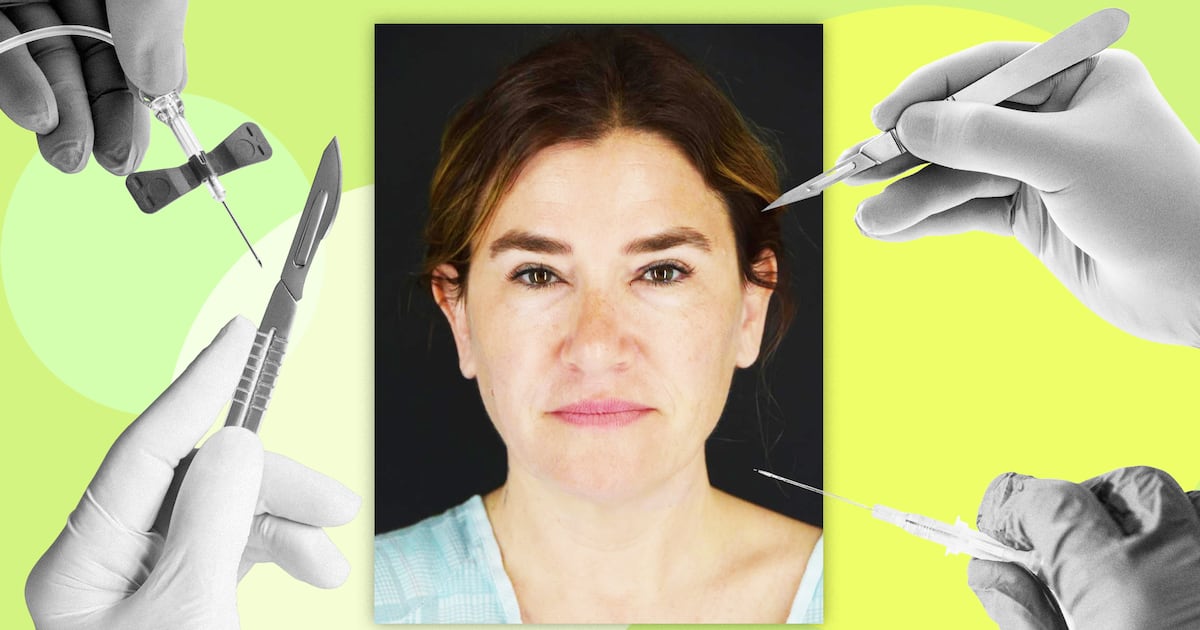
In her late forties, a well-known beauty entrepreneur started noticing a softer jawline, deepening folds around her mouth, and a general “tired” look on video calls. She wasn’t ready for a facelift, didn’t want weeks of downtime, and absolutely did not want to look “done.”
Working with board-certified facial plastic surgeon Dr. Sarmela Sunder, she chose a targeted plan: several minimally invasive procedures spaced out over time, instead of one big surgery. The result? A noticeably lifted, refreshed face that still looked like her—just better rested and more sculpted.
This guide breaks down what she did, how minimally invasive facial rejuvenation works, and what you should consider if you’re curious about getting dramatic results without a facelift.
Why Faces Change in Our 40s and 50s (and Why Makeup Stops Being Enough)
By our late 40s, most people notice:
- Loss of volume in the cheeks and temples
- Heavier nasolabial folds (smile lines) and marionette lines
- Looser skin along the jawline (early jowls)
- Fine lines and wrinkles from expression and sun exposure
- Thinner skin that reflects light less evenly
These changes aren’t just about skin; they come from a combination of:
- Volume loss in fat pads and bone.
- Collagen and elastin breakdown from aging, sun, and pollution.
- Muscle movement that creates lines over time.
The Case Study: A Famous Beauty Entrepreneur’s Non-Surgical Makeover
When Alli Webb, founder of the Drybar blowout chain and a longtime beauty insider, noticed her facial structure changing, she decided to approach it like she would any major beauty decision: research, expert guidance, and a plan.
“I didn’t want to look like a different person. I just wanted to feel like the best version of me in this phase of life.” – Paraphrased from patient experiences similar to Webb’s reported in recent media
Working with Dr. Sarmela Sunder, a board-certified facial plastic surgeon, she pursued a multi-step, minimally invasive plan rather than a surgical facelift. While exact protocols are tailored individually, her transformation reportedly combined:
- Strategic dermal fillers to restore midface volume
- Skin-tightening or collagen-stimulating treatments for jawline support
- Fine-tuning with neuromodulators (like Botox) for lines and lift
The key was not a single “miracle” procedure, but the cumulative effect of several small, precise interventions over time.
Three Minimally Invasive Procedures That Added Up to Big Results
While every plan is personalized, many women in their 40s and 50s achieve similar “non-facelift” transformations using a combination of these evidence-backed treatments:
1. Dermal Fillers for Structure and Contour
Hyaluronic acid (HA) fillers and similar products can restore lost volume and subtly lift the face by:
- Building the cheekbones back up for a more youthful contour
- Softening nasolabial folds and marionette lines
- Refining the jawline and chin for better definition
Modern technique focuses on small, strategic placement, often using cannulas to minimize bruising and create natural results.
2. Skin-Tightening and Collagen-Stimulating Treatments
To address early jowling and mild sagging, many surgeons combine fillers with technologies that stimulate collagen, such as:
- Radiofrequency (RF) microneedling devices
- Ultrasound-based tightening (e.g., Ultherapy-style treatments)
- Biostimulatory injectables (e.g., calcium hydroxylapatite, poly-L-lactic acid)
These don’t produce overnight miracles; instead they work gradually over 3–6 months, improving firmness and texture.
3. Neuromodulators for Fine-Tuning and Lift
Small doses of neuromodulators (like Botox, Dysport, Xeomin, or similar) can:
- Soften crow’s feet and frown lines
- Open up the eye area for a more rested look
- Provide a subtle “chemical brow lift” when carefully placed
These treatments typically last 3–4 months and can be adjusted over time for a very personalized effect.
How Combining Small Procedures Can Rival a Mini Facelift
Instead of a single surgery, the “stacked” approach focuses on three pillars:
- Rebuild structure (with fillers or biostimulatory products)
- Tighten and thicken skin (with energy devices or collagen-stimulating treatments)
- Relax overactive muscles that pull features downward or etch deep lines
When timed and balanced correctly, the face can appear:
- Lifted in the midface and along the jawline
- Smoother and more even in texture
- Brighter and more rested around the eyes

Thinking About Non-Surgical Rejuvenation? A Step-by-Step Roadmap
If Alli’s story resonates with you, here’s a practical way to explore similar options safely:
- Clarify your goal.
Is it sharper jawline definition, brighter eyes, fewer lines, or all of the above? Write down what bothers you most when you see yourself in photos or video.
- Gather “reference” images.
Use old photos of yourself from your 30s or early 40s instead of celebrity photos. This helps your provider aim for realistic, “you-but-rested” results.
- Book consultations with qualified experts.
Look for board-certified dermatologists, plastic surgeons, or facial plastic surgeons who specialize in aesthetic work. Ask to see unretouched before-and-after photos of patients your age.
- Ask about a staged plan, not a shopping list.
A good plan often spaces treatments over several months, starting with structure (like fillers), then skin quality (like collagen stimulation), then fine-tuning (like neuromodulators or lasers).
- Start conservatively and build.
It’s much easier to add than to remove. Subtle changes over time tend to look the most natural both in person and on camera.

Common Concerns, Fears, and How to Navigate Them
“I’m afraid I’ll look fake or overdone.”
This is one of the most common worries—and a healthy one. The biggest predictor of whether you’ll look natural is your provider’s aesthetic style and their willingness to say “no” when enough is enough.
- Ask to see photos of patients your age with “subtle” results.
- Use words like “fresh,” “soft,” and “rested,” not “snatched” or “dramatic,” if that’s not what you want.
- Start with less product and reassess after a few weeks.
“Is this going to be outrageously expensive?”
Minimally invasive treatments can be more affordable up front than surgery, but they do require ongoing maintenance. Costs vary widely by region and provider, but as a rough guide:
- Neuromodulators: every 3–4 months
- Fillers: every 6–18 months, depending on the product and area
- Collagen-stimulating treatments: often done in series, then yearly maintenance
“How safe is this, and what about downtime?”
When performed by experienced, qualified professionals on the right candidates, these treatments have generally good safety profiles, but no procedure is risk-free.
Expect possibilities like:
- Bruising and swelling for a few days (sometimes up to a couple of weeks)
- Tenderness, asymmetry, or temporary lumpiness
- Rare but serious complications (e.g., vascular issues with fillers), which your provider should clearly explain
Always disclose your medical history, medications, and supplements, and follow pre- and post-care instructions carefully.
What Experts and Research Say About Non-Surgical Rejuvenation
“Modern facial rejuvenation is less about pulling skin tight and more about restoring three-dimensional structure and skin quality. Thoughtful, combination approaches can create natural results that age gracefully.” – Summary of current perspectives among board-certified facial plastic and dermatologic surgeons
In the last decade, peer-reviewed research and clinical practice have shown that:
- Hyaluronic acid fillers are generally safe and effective for midface and lower-face rejuvenation when used appropriately, with typical satisfaction rates above 80% in many studies.
- Energy-based devices (RF, ultrasound, some lasers) can modestly tighten skin and improve texture, especially in mild to moderate laxity.
- Neuromodulators remain the gold standard for dynamic wrinkles like frown lines and crow’s feet.
For detailed, science-based information, look for resources from:
- The American Board of Facial Plastic and Reconstructive Surgery (ABFPRS)
- The American Society for Dermatologic Surgery (ASDS)
- The American Society of Plastic Surgeons (ASPS)

Supporting Your Results with Daily Habits
No procedure can out-perform a lifestyle that constantly breaks down collagen. If you choose to invest in your face, it helps to:
- Use daily sunscreen (broad-spectrum SPF 30+)
- Quit smoking or vaping if you can, with medical support if needed
- Limit excessive alcohol, which can dehydrate and inflame the skin
- Maintain steady weight to avoid dramatic facial volume shifts
- Prioritize sleep, hydration, and a nutrient-dense diet rich in colorful plants and lean protein
Bringing It All Together: Your Face, Your Rules
Alli Webb’s experience is just one example of what’s possible when you combine expert guidance with realistic expectations and a thoughtful, staged approach. The most important part of any “makeover” isn’t the specific device or brand name—it’s that you feel more like yourself when you look in the mirror.
If you’re curious about non-surgical rejuvenation:
- Write down what you’d most like to change—and what you love about your face.
- Schedule at least one consultation with a board-certified expert to explore options.
- Ask for a long-term, step-by-step plan instead of a one-day overhaul.
Aging is inevitable; how you choose to navigate it is deeply personal. Whether you opt for procedures, stick with skincare, or embrace every line as a story well-lived, you deserve information that’s honest, nuanced, and free of shame.
Your next step: if this topic is on your mind, book a consultation—or simply start by having an honest conversation with a trusted dermatologist or facial plastic surgeon. Knowledge is the most empowering treatment you can choose today.
