
How HPV Vaccine Myths Put Real People at Risk: What You Need to Know to Prevent Cancer
You’ve probably seen the headlines or a viral clip: a public figure passionately warning that the HPV vaccine is dangerous or unnecessary. For many parents, this sparks a knot in the stomach—you want to prevent cancer for your child, but you’re afraid of making the wrong call. Meanwhile, cervical cancer remains the fourth most common cancer in women worldwide, killing about 350,000 people every year, even though a simple, widely available vaccine can prevent many of those cases.
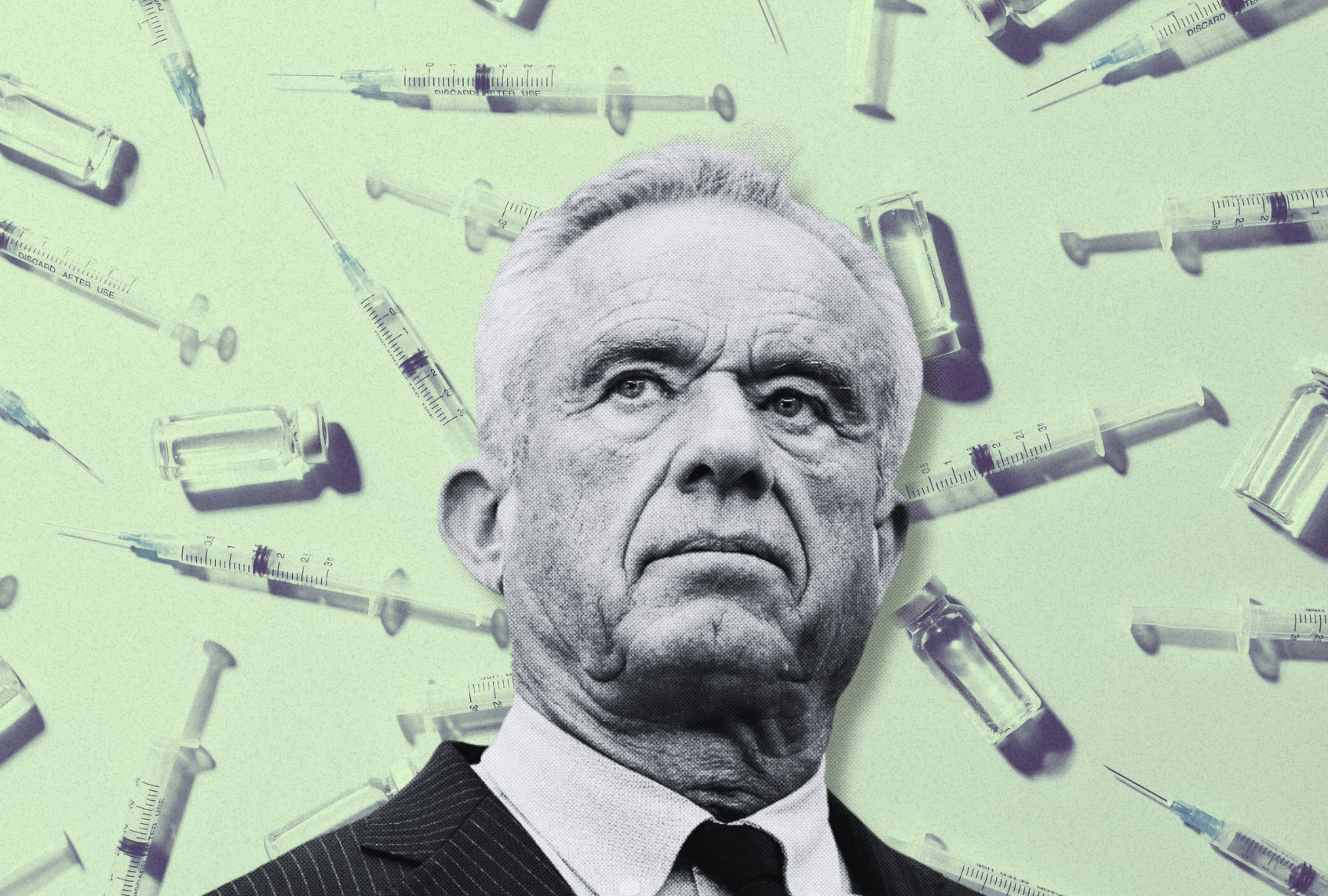
When influential voices like Robert F. Kennedy Jr. attack HPV vaccines, the conversation can shift from facts to fear. That fear doesn’t just live online; it can translate into delayed or skipped vaccinations, leaving more people vulnerable to cancers that could have been prevented. This page walks you through what the evidence really shows, why expert agencies like the CDC continue to review the data, and how to make a calm, informed decision for yourself or your family.
Why this conversation matters now
Over the last two decades, countries with strong HPV vaccination programs have seen striking drops in HPV infections and cervical pre-cancers. Yet vaccine coverage in some parts of the United States has stalled or even declined, often in regions where anti-vaccine messaging is strongest. The concern many oncologists and public health experts raise is simple: if attacks on HPV vaccines discourage enough people, we could see preventable cancers rise in the coming years.
The Problem: HPV, Cancer, and the Cost of Confusion
Human papillomavirus (HPV) is not rare, exotic, or limited to “other people.” It’s the most common sexually transmitted infection worldwide. Most infections clear on their own, but certain high-risk HPV types can linger and slowly trigger changes in cells that lead to cancer years or decades later.
The tragedy is that many of these cancers are now, in principle, preventable. Yet misinformation and mistrust can undo years of progress by pushing vaccination rates down.
How HPV causes cancer
- HPV infects skin and mucosal cells, usually through intimate skin-to-skin contact.
- High-risk types (like HPV 16 and 18) can insert their DNA into human cells.
- Over time, this can interfere with the cell’s ability to repair DNA and control growth.
- These abnormal cells can gradually progress from pre-cancer to invasive cancer.
HPV is responsible for:
- Most cases of cervical cancer
- Many cancers of the anus, vulva, vagina, penis
- A growing number of throat and mouth (oropharyngeal) cancers
“From an oncologist’s standpoint, HPV vaccination is one of the clearest opportunities we have to prevent cancer before it starts. When uptake drops, we’re not talking about abstract numbers—we’re talking about future patients.”
— Medical oncologist specializing in HPV-related cancers
When prominent voices challenge HPV vaccines—especially without grounding their claims in high-quality evidence—some families understandably hesitate. The concern is not that one single speech will cause cancer, but that a sustained climate of doubt will leave more people unprotected, and those effects show up many years later in oncology clinics.
What the Latest Evidence Shows About HPV Vaccines
As of early 2026, we have well over a decade of real-world data on HPV vaccination from many countries. The patterns are consistent: where vaccination rates are high, HPV infections and related pre-cancers fall. That’s not based on one study; it’s based on many.
Impact on cervical cancer and pre-cancer
- Countries like the UK, Australia, and parts of Scandinavia have reported large drops in cervical pre-cancers in vaccinated cohorts.
- Some nations are now seeing early evidence of decreased cervical cancer incidence in young women who had widespread HPV vaccine access as adolescents.
- World Health Organization (WHO) reviews have consistently concluded that HPV vaccines are highly effective at preventing infection with high-risk HPV types included in the vaccine.
Safety profile from millions of doses
Like all vaccines, HPV vaccines are monitored closely for side effects. Regulatory bodies like the U.S. Centers for Disease Control and Prevention (CDC), European Medicines Agency (EMA), and WHO regularly re-examine the data—especially when public concerns spike.
Across millions of administered doses, the most commonly reported side effects are:
- Soreness, redness, or swelling at the injection site
- Headache or mild fever
- Occasional brief fainting episodes, particularly in teens, often related to needle anxiety
Extensive epidemiologic studies have not found credible evidence that HPV vaccines cause conditions like autism, infertility, or widespread chronic illnesses. When claims of new risks arise, health agencies investigate. The fact that agencies “review” or “reassess” data is not a sign of hidden danger—it’s a sign that the safety system is doing its job.
“No medical intervention is risk-free, but the risk of serious harm from HPV vaccination appears to be far lower than the risk of harm from HPV-related cancers and diseases when people remain unvaccinated.”
— Public health researcher, vaccine safety
Reviews by agencies such as the CDC and WHO continue through 2026, not because new evidence has overturned prior safety conclusions, but because continuous monitoring is a core part of responsible vaccine policy.
How Public Attacks on HPV Vaccines Can Increase Cancer Risk
When a high-profile person makes strong statements about vaccines—whether it’s Robert F. Kennedy Jr. or any other public figure—the impact goes far beyond the immediate audience. Statements spread through social media, podcasts, and community conversations, sometimes losing nuance and gaining alarming spin along the way.
From fear to skipped appointments
- Heightened fear: Stories focusing on rare or unproven harms stick in memory more strongly than statistics about safety.
- Paralysis: Parents who feel torn may delay vaccination “until we know more,” even when strong evidence already exists.
- Missed window: The HPV vaccine works best before someone is exposed to HPV, so postponing can reduce its effectiveness.
- Lower community coverage: As fewer people vaccinate, overall protection drops and more infections circulate.
- Long-term consequences: Years later, higher HPV infection rates can contribute to more cases of pre-cancer and cancer.

It’s impossible to say that a single person’s comments will directly “cause” a specific cancer case—that’s not how population health works. But patterns are clear: when misinformation campaigns succeed in lowering vaccination rates, vaccine-preventable diseases tend to rise. With HPV, that means more infections and, eventually, more HPV-related cancers.
A Real-World Scenario: One Family, Two Paths
To make this more concrete, consider a composite story drawn from patterns clinicians report—not any single identifiable patient.
A mother, Dana, heard a podcast where a public figure claimed that HPV vaccines were rushed, dangerous, and “linked to all sorts of problems.” The tone was confident and emotional. Dana decided she’d “wait a few years until things are clearer” before vaccinating her 12-year-old daughter, even though her pediatrician recommended starting the series now.
In a parallel universe, Dana heard the same concerns but brought them to the next doctor’s visit. Her pediatrician walked through large-scale safety data, how long the vaccines had been used, and why they’re given before sexual activity typically starts. Dana still felt nervous, but she chose to vaccinate on schedule.
- In the first timeline, Dana’s daughter becomes sexually active in late adolescence, contracts a high-risk HPV type, and years later faces abnormal Pap tests and a stressful series of procedures.
- In the second, her vaccination greatly reduces the chance of persistent high-risk HPV infection and the cascade toward pre-cancer.
No single story proves what will happen to any individual child. But collectively, large differences in vaccination coverage shape the number of families facing cancer scares 10–20 years down the line.
How the HPV Vaccine Works (and Why Timing Matters)
Understanding the basics can make the decision feel less mysterious and more manageable.
The basics in plain language
- The HPV vaccine contains proteins that mimic parts of the virus’s outer shell—not live virus and not DNA capable of infection.
- Your immune system learns to recognize those proteins and produces antibodies.
- Later, if you’re exposed to real HPV, your immune system is primed to fight it off before it can cause lasting infection.
Why it’s given around ages 9–12
- Stronger immune response: Preteens generally mount an excellent immune response, often needing fewer doses.
- Pre-exposure protection: The goal is to have protection in place well before any potential exposure to HPV.
- Routine scheduling: Combining HPV vaccination with other adolescent vaccines simplifies healthcare visits.
Practical Steps to Make an Informed HPV Vaccine Decision
You don’t have to be a scientist to make sense of this. A few concrete steps can help you cut through the noise.
1. Start with trusted, evidence-based sources
- World Health Organization (WHO): HPV vaccine and cervical cancer elimination strategy.
- Centers for Disease Control and Prevention (CDC): HPV vaccination schedules, safety information, and FAQs.
- National Cancer Institute and major cancer centers: plain-language explanations about HPV and cancer.
2. Bring your concerns to your clinician
Instead of feeling you must argue for or against vaccination, try framing your visit around shared problem-solving. You might say:
- “I’ve heard some scary things about the HPV vaccine. Can we go through what the evidence actually says?”
- “Are there specific risks for my child, given their health history?”
- “If we vaccinate, what side effects should I watch for, and when should I call you?”
3. Evaluate online claims with a simple checklist
- Does the source cite large, peer-reviewed studies or official safety reviews?
- Is there a clear conflict of interest (e.g., selling “detox” programs)?
- Do experts in relevant fields broadly agree with the claim?
- Is the tone informative or primarily alarmist and conspiratorial?

4. Talk openly with your teen
If you’re deciding for an adolescent, involving them respectfully can build trust:
- Explain that HPV is common and that vaccination is about long-term cancer prevention, not making assumptions about their choices.
- Validate their fears about shots or side effects and plan coping strategies together.
- Encourage them to ask their own questions at the appointment.
Common Obstacles—and How to Overcome Them
Even when you’re convinced by the evidence, real-life barriers can still get in the way. Addressing them directly can help you follow through.
1. Fear of side effects
It’s normal to worry about harm from something you choose to do, like a vaccine, and to feel less anxious about risks that are invisible or in the future, like cancer. This is a well-known psychological pattern.
- Ask your clinician to put numbers into context—for example, the likelihood and severity of common side effects versus the lifetime risk of HPV-related disease.
- Plan ahead: have over-the-counter pain relief on hand (if appropriate for you) and a quiet evening after the shot.
2. Access and cost
- Many national immunization programs cover HPV vaccines for adolescents and certain young adults.
- Public health clinics or community health centers may offer low-cost or no-cost options.
- Ask about patient assistance programs if you’re uninsured or underinsured.
3. Social pressure and conflicting advice
It can feel awkward to vaccinate if people in your social circle are strongly opposed—or vice versa.
- Remember that your first responsibility is to your own and your family’s health, not to winning debates.
- It’s okay to say, “We talked with our doctor, reviewed the evidence, and made the decision that felt right for us.”

Before and After: Communities With and Without Strong HPV Vaccination
While we can’t show a precise “before and after” for every community, trends from different regions help illustrate what’s at stake.
Region A: High vaccination uptake
- School-based HPV vaccination programs with strong participation.
- Clear public messaging and minimal politicization of vaccines.
- Observed declines in HPV infections and cervical pre-cancer in young women.
Region B: Low vaccination uptake
- Strong local anti-vaccine movements and frequent public attacks on HPV vaccines.
- Lower vaccination coverage, especially among adolescents.
- Higher rates of HPV persistence and less progress against related cancers.
Over years, these differences can translate into more abnormal Pap smears, more invasive procedures, and more cancer diagnoses in areas where misinformation has gained the upper hand. That’s why experts worry that repeated, high-profile attacks on HPV vaccines could, indirectly, contribute to a rise in preventable cancers.
Where to Learn More: Reliable HPV and Vaccine Resources
If you’d like to go deeper, these types of sources are regularly updated and grounded in peer-reviewed science:
- National or regional public health agencies (e.g., CDC, Public Health England, your country’s health ministry).
- World Health Organization (WHO) fact sheets on HPV, HPV vaccines, and cervical cancer.
- Major cancer organizations (e.g., national cancer institutes, large cancer hospitals) with HPV education pages.
- Professional societies for pediatrics, gynecology, and oncology that publish vaccination guidance.
When in doubt, prioritize sources that are transparent about evidence, willing to acknowledge uncertainties, and open about how they update recommendations as new data emerge.
Bringing It All Together: Your Decision, Informed by Evidence
Navigating loud debates about vaccines while trying to quietly protect your own health—or your child’s—can feel exhausting. It’s completely understandable to feel torn when public figures deliver confident, emotional attacks on something as important as the HPV vaccine.
Yet when we step back and look at the full picture, a consistent story emerges: HPV is common; it can cause devastating cancers; and the HPV vaccine, monitored over many years and millions of doses, significantly reduces these risks with a strong safety record. Public attacks that undermine trust in this tool don’t eliminate risk—they shift it back toward HPV infections and the cancers they cause.
You deserve space to ask questions without shame, to review solid evidence, and to make a decision that aligns with both your values and the best available science.

Your next steps
- Write down your top 3 questions or fears about the HPV vaccine.
- Check at least one trusted health organization’s HPV page for up-to-date information.
- Schedule a conversation with your doctor, nurse practitioner, or pediatrician and bring those questions along.
You can’t control everything about the future—but choosing well-tested tools that prevent cancer is one powerful action within your reach.
