
How CRISPR Gene Editing Is Delivering the First Real-World Genetic Cures
CRISPR–Cas genome editing has rapidly moved from a revolutionary lab tool to a practical clinical modality. Around 2024–2026, landmark approvals and clinical trial readouts marked the beginning of routine in‑human genome editing for monogenic diseases. Patients with lifelong debilitating conditions—especially hemoglobin disorders—are now receiving one‑time gene-editing treatments with durable, potentially curative effects.
These therapies sit at the intersection of molecular biology, health policy, and ethics. As regulators like the U.S. Food and Drug Administration (FDA) and European Medicines Agency (EMA) approve CRISPR-based products, the world is watching: can healthcare systems afford these therapies, and how do we ensure they are safe and equitably accessible?
Mission Overview: From Bacterial Immunity to Human Genetic Cures
CRISPR (Clustered Regularly Interspaced Short Palindromic Repeats) and their associated Cas nucleases originated as adaptive immune systems in bacteria, defending against invading viruses. In 2012–2013, researchers including Emmanuelle Charpentier and Jennifer Doudna showed that CRISPR–Cas9 could be repurposed as a programmable gene-editing platform, earning them the 2020 Nobel Prize in Chemistry.
The central “mission” of CRISPR-based therapies is straightforward yet ambitious:
- Identify a disease-causing mutation or regulatory defect.
- Design guide RNAs (gRNAs) that direct a Cas nuclease to that DNA sequence.
- Deliver the editing machinery into relevant cells safely and efficiently.
- Achieve a durable therapeutic change with minimal off‑target effects.
For the first clinical wave, developers targeted conditions where:
- The genetic cause is well understood (single‑gene disorders).
- Target cells are accessible (e.g., hematopoietic stem and progenitor cells).
- There are validated biomarkers of success (e.g., fetal hemoglobin levels).
“We focused first on blood disorders because the biology was ready, the unmet need was enormous, and the risk–benefit profile justified a bold step into human genome editing.”
— Paraphrased from clinical hematologists involved in early CRISPR trials
Clinical Focus: Sickle Cell Disease and β‑Thalassemia
Sickle cell disease (SCD) and transfusion‑dependent β‑thalassemia (TDT) are the flagship indications for ex vivo CRISPR therapies. Both are caused by defects in the β‑globin gene (HBB), leading to abnormal hemoglobin and severe clinical manifestations such as anemia, vaso‑occlusive crises, organ damage, and reduced life expectancy.
Why These Blood Disorders Were First
- Monogenic, well‑characterized mutations: HBB variants and their pathophysiology have been studied for decades.
- Curative precedent: Allogeneic hematopoietic stem cell transplantation can cure SCD/TDT, proving the principle that changing stem cells changes the disease.
- Accessible target cells: CD34+ hematopoietic stem and progenitor cells (HSPCs) can be collected via apheresis, edited ex vivo, and reinfused.
- Robust biomarkers: Levels of fetal hemoglobin (HbF), total hemoglobin, and transfusion requirements provide clear endpoints.
A prominent early product (widely reported in 2023–2024) used CRISPR–Cas9 to disrupt a regulatory region of BCL11A in autologous HSPCs. BCL11A normally represses fetal hemoglobin after birth; its disruption reactivates HbF, which can functionally compensate for defective adult β‑globin.
“Instead of fixing the broken adult hemoglobin, we turn back the clock and switch fetal hemoglobin back on—a powerful biological workaround.”
— Summarizing the approach used in first‑in‑class CRISPR hemoglobinopathy therapies
Technology: How CRISPR‑Based Gene Therapies Work
CRISPR therapies combine precise molecular tools with sophisticated cell‑processing and delivery platforms. Although specific products differ, they generally share a common architecture.
Core Components of CRISPR Editing
- Cas nuclease: Often SpCas9, an RNA‑guided DNA endonuclease that creates a double‑strand break at a target site.
- Guide RNA (gRNA): A synthetic RNA molecule that base‑pairs with the target DNA sequence and recruits Cas.
- Repair template (optional): For some strategies, a donor DNA template enables precise edits via homology‑directed repair.
When Cas9 cuts the DNA, the cell repairs the break using error‑prone non‑homologous end joining (NHEJ) or, less frequently in primary cells, homology‑directed repair (HDR). NHEJ can introduce small insertions or deletions that disrupt the target gene, while HDR can be harnessed for precise sequence replacement.
Ex Vivo Editing Workflow for Blood Disorders
- Mobilization and collection: Patients receive agents like G‑CSF alternatives and plerixafor to mobilize HSPCs into the blood, followed by apheresis.
- Cell enrichment and activation: CD34+ cells are enriched and stimulated to enhance editing efficiency.
- CRISPR delivery: Editing machinery is delivered, often as ribonucleoprotein (RNP) complexes via electroporation.
- Quality control: Edited cells are tested for viability, editing rate, off‑target signatures, and sterility.
- Conditioning regimen: Patients undergo myeloablative or reduced‑intensity chemotherapy (e.g., busulfan) to make space in the bone marrow.
- Cell infusion: The edited autologous cells are reinfused intravenously, homing back to the marrow and reconstituting hematopoiesis.
For readers interested in deeper technical detail, several open‑access reviews in journals like Nature and Science track the evolution of CRISPR editing platforms.
Beyond Cas9: Base Editing, Prime Editing, and Next‑Generation Tools
While first‑generation therapies rely on double‑strand breaks, new modalities aim to minimize genotoxic stress and improve precision.
Base Editing
Base editors fuse a catalytically impaired Cas (nickase or dead Cas) to a DNA‑modifying enzyme such as a cytidine deaminase or adenine deaminase. This allows direct conversion of one base to another (e.g., C→T or A→G) within a small “editing window,” without creating a double‑strand break.
- Advantages: No need for donor templates; reduced risk of large deletions or chromosomal rearrangements.
- Limitations: Restricted to specific transition mutations; off‑target base deamination remains a concern.
Prime Editing
Prime editors combine a Cas9 nickase, a reverse transcriptase, and a prime editing guide RNA (pegRNA) containing both the targeting sequence and the desired edit. This system can install precise insertions, deletions, or all 12 types of base substitutions.
As of early 2026, prime editing is in preclinical and early clinical exploration, with several biotechnology companies announcing plans to move into in‑human trials for liver and eye diseases.
“Base and prime editing are like upgrading from a sledgehammer to a scalpel—our goal is to change the exact letter we want, while leaving the rest of the genome untouched.”
— Inspired by statements from David Liu and colleagues on next‑generation genome editing
Delivery Technologies: Viral Vectors, Lipid Nanoparticles, and In Vivo Editing
Editing the genome is only possible if CRISPR components reach the right cells at therapeutic levels. Delivery is therefore a central technical challenge.
Ex Vivo vs. In Vivo Approaches
- Ex vivo: Cells are removed, edited in a controlled environment, and reinfused. This offers high control but is complex and expensive.
- In vivo: CRISPR components are delivered directly into the body, typically via systemic or local injection, aiming to edit cells in situ.
Key Delivery Platforms
- Adeno‑associated virus (AAV): Widely used for in vivo gene delivery; favorable tropism for tissues like liver and eye. Limited cargo size and potential for long‑term expression raise safety questions for nucleases.
- Lipid nanoparticles (LNPs): The same technology underlying mRNA COVID‑19 vaccines is now used for delivering CRISPR mRNA and gRNA to the liver and potentially other organs.
- Lentiviral vectors: Commonly used to introduce stable constructs into HSPCs ex vivo; may be combined with CRISPR strategies in some pipelines.
Emerging in vivo CRISPR therapies are being tested for conditions such as transthyretin (TTR) amyloidosis and inherited retinal dystrophies, where targeted tissues are relatively accessible and modest editing can yield large benefits.
Scientific Significance: Why These Approvals Matter
The first regulatory approvals for CRISPR therapies represent more than incremental progress—they demonstrate that permanent, genome‑level interventions can be delivered clinically with acceptable safety profiles (at least in the short to medium term).
Key Scientific Milestones
- Durable engraftment: Edited HSPCs can persist for years, sustaining high levels of therapeutic hemoglobin.
- Functional cures: Many treated SCD and TDT patients become transfusion‑independent and free from vaso‑occlusive crises.
- Managed off‑target risk: Deep sequencing, GUIDE‑seq, and other assays show low detectable off‑target editing in clinical products so far.
These outcomes validate decades of hematology and gene therapy research, and they catalyze new pipelines targeting muscular dystrophies, metabolic liver diseases, and certain cancers.
“We are witnessing the transition from treating symptoms to rewriting the biological code underlying disease.”
— Reflections common among physician‑scientists in gene therapy consortia
Milestones: 2024–2026 and the First Wave of In‑Human Cures
Between 2024 and early 2026, several milestones defined the first wave of clinical CRISPR successes.
Regulatory and Clinical Landmarks
- First regulatory approvals for CRISPR therapies: Authorities such as the FDA and EMA granted approvals for ex vivo CRISPR‑edited autologous HSPC products targeting SCD and TDT.
- Real‑world follow‑up data: Longitudinal studies report sustained hemoglobin improvements, elimination of severe SCD crises, and major quality‑of‑life gains over multiple years in many patients.
- Global roll‑out debates: High list prices (often exceeding USD 2 million per treatment) sparked scrutiny from payers, bioethicists, and patient advocates.
- Expansion to other indications: Early‑phase trials launched or advanced for inherited retinal disease, amyloidosis, and some oncologic targets using CRISPR‑based approaches.
Social media and news coverage often spotlight individual patients who, after a lifetime of hospitalizations, report a “new normal” following CRISPR treatment. These narratives both inspire hope and underscore global inequities in access.
Challenges: Safety, Ethics, Economics, and Equity
Despite impressive outcomes, CRISPR‑based gene therapies face substantial hurdles before they can become mainstream medicine.
Biological and Technical Challenges
- Off‑target effects: Even low‑frequency off‑target edits could, in principle, contribute to oncogenesis over years or decades; long‑term surveillance is essential.
- On‑target but unintended changes: Large deletions, inversions, or chromosomal translocations can occur at the cut site, requiring sophisticated analytics.
- Conditioning toxicity: Many ex vivo regimens require high‑dose chemotherapy, which carries infertility and secondary malignancy risks.
- Immunogenicity: Pre‑existing or induced immunity to Cas proteins or vectors may limit repeat dosing or in vivo strategies.
Ethical and Regulatory Considerations
A central distinction is between somatic editing (non‑heritable, current focus) and germline editing (heritable, currently proscribed in humans by most guidelines).
- International bodies such as the World Health Organization and U.S. National Academies strongly discourage human germline editing.
- Public concern remains high after a widely condemned germline CRISPR experiment in 2018, reinforcing the need for robust governance.
Economic and Equity Barriers
The first CRISPR therapies carry price tags in the multi‑million‑dollar range. Major challenges include:
- Affordability for health systems: Payers must balance one‑time high costs against lifelong medical expenses of conventional care.
- Access in low‑ and middle‑income countries: SCD is highly prevalent in regions with limited resources, creating stark disparities.
- Infrastructure demands: Ex vivo editing requires specialized centers, advanced cell‑processing facilities, and multidisciplinary teams.
“The science is moving faster than our reimbursement and regulatory frameworks. We must ensure that cures are not reserved only for those born in the richest countries.”
— Echoing themes from global health policy discussions on gene therapy access
Emerging Applications Beyond Blood Disorders
With proof‑of‑concept success in hematology, developers are pivoting to other monogenic and complex diseases.
Ophthalmology
Inherited retinal diseases caused by specific gene mutations are attractive targets: the eye is anatomically accessible, relatively immune‑privileged, and requires only local delivery. Early CRISPR trials for conditions like Leber congenital amaurosis have informed dosing, safety, and surgical techniques.
Neuromuscular and Metabolic Diseases
Diseases such as Duchenne muscular dystrophy (DMD) and various inborn errors of metabolism are under active investigation. Strategies include exon skipping with CRISPR, base editing of pathogenic point mutations, and in vivo liver editing for metabolic disorders.
Oncology
In cancer, CRISPR is being used to engineer more potent and precise cell therapies, such as T cells with multiplex gene edits that enhance anti‑tumor activity and reduce exhaustion. Academic and industrial groups share data openly in venues like the American Society of Clinical Oncology (ASCO) annual meetings and Blood journal.
Public Discourse: Social Media, Education, and Perception
CRISPR therapies are highly visible online. On YouTube, TikTok, and Twitter/X, science communicators explain:
- The basics of CRISPR–Cas systems.
- The difference between somatic and germline editing.
- How clinical trials are designed and overseen.
Channels such as Kurzgesagt – In a Nutshell and educational creators on TikTok have produced accessible explainers on gene editing, while platforms like LinkedIn host professional debates on reimbursement models and regulatory pathways.
These discussions shape public expectations—sometimes unrealistically. Managing “hype versus reality” is therefore a priority for responsible communication.
Practical Tools for Learning More About CRISPR
For students, clinicians, and enthusiasts who want to deepen their understanding, several resources and tools can help:
- Introductory textbooks and popular‑science books on gene editing.
- Hands‑on CRISPR teaching kits for educational labs.
- Online courses and workshops hosted by major universities and institutes.
For example, educators often use bench‑top CRISPR kits (such as the widely used Sourdough™ CRISPR teaching systems) and comprehensive practical guides like the bestselling CRISPR laboratory manuals available on Amazon to train the next generation of researchers. These materials walk through gRNA design, delivery methods, and validation assays in step‑by‑step fashion, complementing theoretical courses.
You can also find in‑depth technical overviews from leading researchers like Jennifer Doudna and Feng Zhang in recorded conference talks and webinars hosted on YouTube and institutional websites.
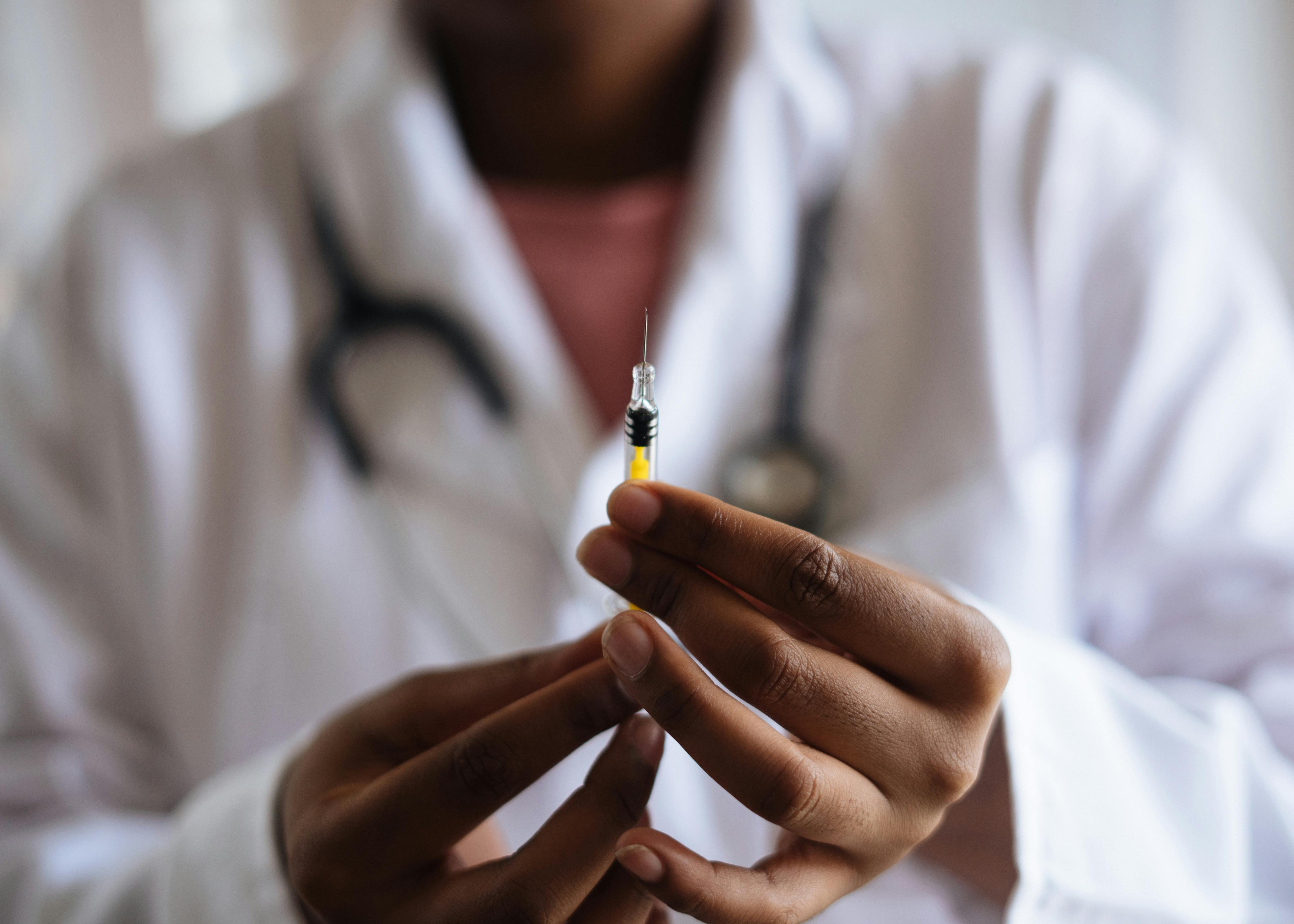
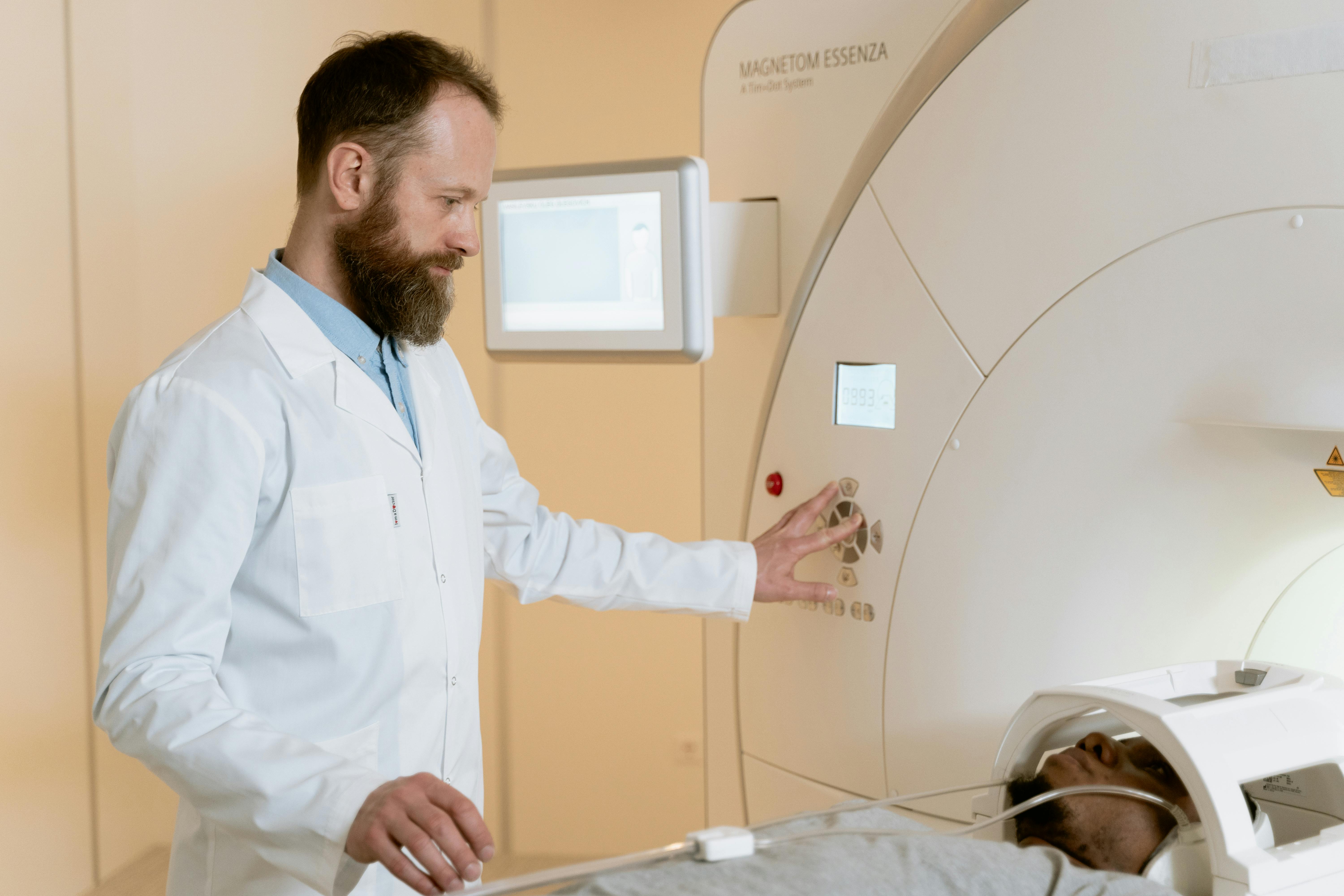
Visualizing CRISPR Gene Therapies

Conclusion: Entering the Era of Genetic Cures
CRISPR‑based gene therapies have moved from concept to clinic, delivering functional cures for some patients with severe genetic diseases. The combination of molecular precision, durable efficacy, and a rapidly expanding pipeline suggests that genome editing will become a core pillar of 21st‑century medicine.
However, the field must simultaneously tackle unresolved challenges: long‑term safety, scalable manufacturing, ethical guardrails against misuse, and financially sustainable access models. Transparent data sharing, rigorous regulation, and inclusive public dialogue will be crucial as new generations of editing tools—base editors, prime editors, and beyond—enter human trials.
For now, the stories of patients freed from lifelong disease burden after a single infusion offer a glimpse of what carefully governed genome editing can achieve.
Additional Considerations and Future Directions
Long‑Term Follow‑Up and Patient Registries
Most regulatory approvals require multi‑year follow‑up (often 15 years) to monitor for delayed adverse events, including hematologic malignancies or unexpected organ toxicity. Robust patient registries, ideally harmonized across countries, will provide the data needed to refine risk estimates and optimize future protocols.
Combination Therapies and Personalized Approaches
In the future, CRISPR editing may be combined with:
- Traditional small molecules that modulate epigenetic states.
- Biologics such as monoclonal antibodies for immune modulation.
- Other genetic technologies (e.g., RNA interference, gene silencing) to create multifaceted, personalized regimens.
How Individuals Can Stay Informed
Patients and families affected by genetic disorders can:
- Follow reputable organizations such as the National Human Genome Research Institute and disease‑specific foundations.
- Discuss clinical trial opportunities with specialized centers, ensuring eligibility and informed consent.
- Engage with balanced educational content rather than sensationalized coverage.
As the field evolves, staying informed through vetted sources will be key to making thoughtful decisions about participation in trials and adoption of new therapies.
References / Sources
- Nature News: CRISPR gene‑editing treatment approved for sickle‑cell disease
- New England Journal of Medicine: Clinical studies of CRISPR‑Cas9 in sickle cell disease and β‑thalassemia
- World Health Organization: Human genome editing – recommendations and governance
- National Academies: Human Genome Editing Initiative
- Science: Review articles on clinical genome editing
- Blood Journal: Gene therapy and CRISPR applications in hematology
