
How a Common Eye Bacterium May Be Tied to Alzheimer’s Risk (and What You Can Do)
If you’ve ever worried about memory loss—maybe you’ve watched a parent misplace words or lose track of dates—you’re not alone. Now, researchers have uncovered a surprising potential player in cognitive decline: a common bacterium, Chlamydia pneumoniae, that usually causes pneumonia and sinus infections but may quietly linger in the eye and brain for years.
A new study from Cedars-Sinai, published in Nature Communications, suggests that this bacterium, when it invades and persists in the eye, can travel to the brain and may aggravate changes associated with Alzheimer’s disease. This doesn’t mean infections “cause” Alzheimer’s on their own—but it adds an important piece to a very complex puzzle.

We’ll walk through what this discovery actually shows, what it does not prove, and how you can realistically support your brain and eye health—without panic, hype, or false promises.
A Common Bacterium, an Uncommon Destination: From Lungs to Eyes to Brain
Chlamydia pneumoniae (often shortened to C. pneumoniae) is not rare or exotic. Many people are exposed to it during their lifetime, typically through:
- Respiratory infections (such as mild pneumonia or bronchitis)
- Sinus infections
- Occasionally other airway-related illnesses
What’s new from the Cedars-Sinai team is evidence that this bacterium can:
- Enter through or colonize tissues in and around the eye
- Travel along nerve pathways that connect the eye and the brain
- Persist for long periods, contributing to chronic inflammation and brain changes seen in Alzheimer’s models
“Our findings show that a very common bacterium can enter through the eye, reach the brain, and trigger or intensify processes linked to Alzheimer’s pathology in experimental models. It’s not the only factor, but it may be one important contributor.”
— Summary of findings from the Cedars-Sinai research team in Nature Communications
How Can a Bacterium in Your Eye Affect Your Brain?
The eye is not an isolated organ—it’s essentially an extension of the brain. The optic nerve carries visual information from the retina directly into brain structures. This tight connection is part of why neurologists sometimes examine the eye to understand what’s happening in the brain.
In experimental models used in the new study, researchers found that:
- The bacterium could infect cells in and around the eye.
- From there, it could move along neural pathways into brain tissue.
- Once in the brain, it was associated with:
- Increased inflammation
- Changes in proteins like amyloid-beta and tau (hallmarks of Alzheimer’s pathology)
- Worsened cognitive performance in animal models

What This Study Really Means—And What It Doesn’t
It’s easy for headlines to oversimplify complex science. Let’s break down the implications of this research in clear, realistic terms.
What the evidence suggests
- Long-standing infections may matter. Persistent infections like C. pneumoniae appear capable of:
- Invading nervous system tissue (including via the eye)
- Triggering chronic inflammation
- Exacerbating Alzheimer’s-like changes in lab models
- Inflammation is a key link. The immune system’s response to ongoing infection may be as important as the microbe itself.
- The eye can be an early “window.” Because the eye is easier to image than the brain, future tools might one day detect early inflammatory or infectious changes here.
What the evidence does prove
- That everyone with a history of pneumonia or sinus infection will develop Alzheimer’s.
- That antibiotics alone can prevent or cure Alzheimer’s disease.
- That eye infections are the main cause of dementia.
Alzheimer’s is a multi-factorial disease. Infections like Chlamydia pneumoniae may be one of several “hits” that, together with genetics, age, vascular health, and lifestyle, increase overall risk.
From an everyday perspective, this means infections and inflammation are worth paying attention to, but they are one piece of a much larger prevention and care strategy.
Practical Ways to Support Your Brain and Eye Health Today
You can’t control every exposure to microbes. But you can take realistic, evidence-informed steps that may lower your risk of harmful inflammation and support long-term cognitive health.
1. Take respiratory and sinus infections seriously
- Don’t ignore persistent cough, sinus pressure, or difficulty breathing that lasts more than a week or worsens.
- Seek medical assessment rather than self-treating for weeks with over‑the‑counter remedies alone.
- Follow your clinician’s recommendations on testing and treatment; not all infections require antibiotics, but some do.
2. Protect and monitor your eyes
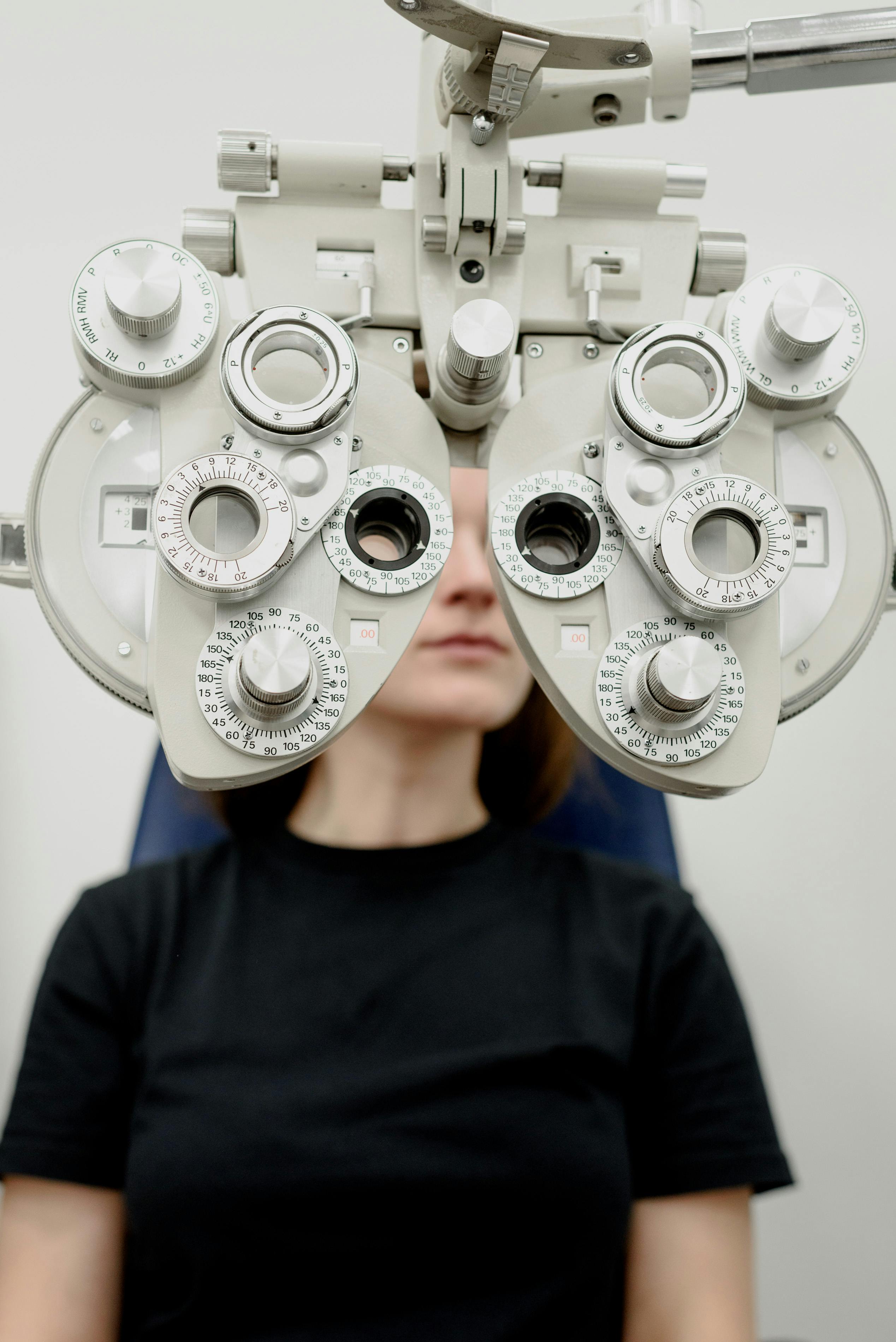
- Schedule regular eye exams, especially if you’re over 50 or have diabetes, hypertension, or a family history of eye disease.
- See an eye-care professional promptly for:
- Redness, pain, or discharge that lasts > 24–48 hours
- Blurry vision, flashes of light, or “curtains” in your vision
- New floaters accompanied by vision changes
- Avoid touching or rubbing your eyes with unwashed hands.
3. Support your immune system and reduce chronic inflammation
Many of the same lifestyle habits that support heart health also benefit the brain and may help your body respond better to infections.
- Move your body regularly. Aim for at least 150 minutes per week of moderate-intensity activity (brisk walking, cycling) if your doctor agrees.
- Focus on an anti-inflammatory eating pattern. Research supports dietary patterns like the Mediterranean or MIND diets for brain health, emphasizing:
- Plenty of vegetables, berries, and leafy greens
- Whole grains, beans, nuts, and seeds
- Olive oil and fatty fish (e.g., salmon, sardines)
- Limited ultra-processed foods and excess added sugars
- Prioritize sleep. Most adults benefit from 7–9 hours of quality sleep; poor sleep is linked to higher dementia risk.
- Don’t smoke; moderate alcohol. Both smoking and heavy alcohol use are associated with increased cognitive decline.
4. Manage other brain-health risk factors
- Keep blood pressure, cholesterol, and blood sugar in recommended ranges with your clinician’s guidance.
- Stay mentally and socially active:
- Learn new skills, languages, or hobbies
- Maintain regular contact with friends and family
A Real-World Story: Connecting Recurrent Infections and Cognitive Concerns
In clinic, I once worked with a 68-year-old woman—let’s call her Maria—who came in worried about “slipping memory.” She also mentioned that she’d had “sinus infections every winter” for years and an eye infection the previous season that took weeks to clear.
Her evaluation showed mild cognitive changes, but also:
- Untreated high blood pressure
- Obstructive sleep apnea
- Chronic nasal congestion and sinus inflammation
Her neurologist and primary-care doctor worked together to:
- Optimize blood pressure and sleep apnea treatment.
- Refer her to an ENT specialist for recurrent sinus issues.
- Encourage an eye exam and regular follow-up.
- Introduce lifestyle changes guided by the MIND diet and gentle exercise.
Over the next 18 months, Maria’s testing showed stable cognitive function. We can’t say definitively that addressing infections prevented decline—but it was one part of a comprehensive approach that left her feeling more in control and less anxious.
Stories like Maria’s highlight a key lesson: instead of searching for a single “cause” of memory loss, we’re often better served by addressing multiple manageable risks—infectious, vascular, lifestyle, and sensory—together.
Looking Under the Hood: The Science and Its Limits
The Cedars-Sinai study, published in Nature Communications, used a combination of:
- Laboratory models to trace how C. pneumoniae moves from eye tissues to the brain
- Imaging and molecular tools to measure inflammation and Alzheimer’s-like protein changes
- Behavioral assessments in animal models to evaluate cognitive impact
While this is high-quality, peer-reviewed work, it’s crucial to remember:
- Many findings come from animal and cell models, not just humans.
- Extrapolating directly to human disease always involves uncertainty.
- Real-life Alzheimer’s involves decades of interacting risk factors, not a single pathogen.
Before and After: How Small Shifts Add Up Over Time
You can’t rewind your health history—but you can change your trajectory starting now. Here’s a simple “before and after” comparison of common habits related to infections and brain health.
| Before | After |
|---|---|
| Ignoring “minor” sinus or eye infections and waiting weeks to seek care. | Seeking timely evaluation for persistent symptoms and following treatment plans. |
| Skipping routine eye exams for years. | Seeing an eye-care professional every 1–2 years (or as advised). |
| Highly processed diet, irregular movement, chronic sleep loss. | Gradual shifts toward more whole foods, regular walking, and more consistent sleep. |
| Viewing infections and memory issues as separate problems. | Seeing infections, vascular health, and cognition as interconnected and addressing them together. |

When to Talk to a Doctor: Red Flags You Shouldn’t Ignore
You don’t need to rush to the emergency room for every sneeze, but certain signs deserve prompt attention.
Contact a healthcare professional if you notice:
- Eye symptoms:
- Sudden vision loss or severe eye pain
- Persistent redness, discharge, or swelling for more than 24–48 hours
- Respiratory or sinus symptoms:
- Fever > 38°C (100.4°F) lasting more than a couple of days
- Shortness of breath, chest pain, or confusion
- Sinus congestion and facial pain that persist for more than 10 days or worsen after initial improvement
- Cognitive or neurological changes:
- Rapid changes in memory, behavior, or orientation
- New difficulty performing familiar tasks
- Changes in gait, balance, or speech
Moving Forward: Staying Informed Without Living in Fear
The discovery that a common bacterium like Chlamydia pneumoniae can persist in the eye and brain—and potentially aggravate Alzheimer’s-related changes—adds urgency to something many clinicians have long suspected: infections and inflammation matter for brain health.
But this isn’t a reason to panic. It’s a reminder to treat your body as an interconnected system, where:
- Promptly addressing infections
- Protecting your eyes
- Supporting your immune system and vascular health
- Staying mentally and socially engaged
can all work together to support your long-term cognitive resilience.
If this topic hits close to home—perhaps because of a loved one’s diagnosis or your own concerns—consider using the next week to take one small step:
- Schedule a checkup (or eye exam) you’ve been postponing, or
- Add one brain-healthy habit: a daily 20‑minute walk, an extra serving of vegetables, or a set bedtime.
You don’t have to solve everything at once. But each step you take—toward better infection care, healthier lifestyle choices, and regular monitoring—is a quiet, powerful investment in your future brain and eye health.
