
How Bird Photography Trains Your Brain and Lifts Your Mood
Updated: February 26, 2026 · Evidence-based guide
Why Bird Photography Might Be One of the Kindest Things You Can Do for Your Brain
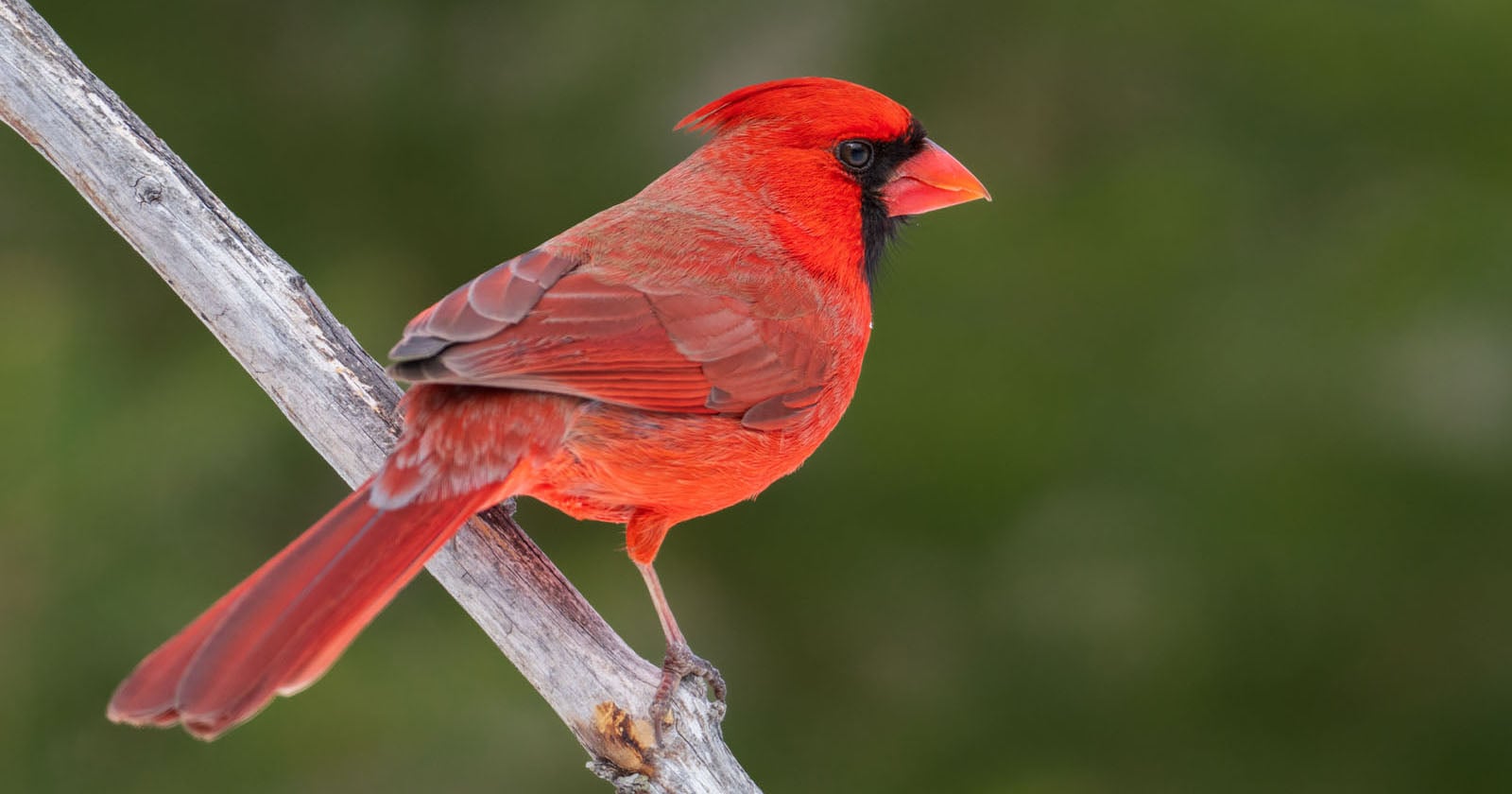
If you’ve ever felt oddly calm after watching birds flutter around a tree or hearing a song you can’t quite name, you’re not imagining it. Birding — and especially bird photography — is emerging as a simple, accessible way to support your brain as you age. Newly published research suggests that regularly engaging with birds can benefit neurological health, sharpening attention, supporting mood, and helping people feel more mentally alive.
This doesn’t mean you need a huge lens or professional skills. You just need a bit of curiosity, a camera or phone, and a willingness to slow down and really look. In this guide, we’ll explore what the science says, why bird photography is uniquely good “cross-training” for your brain, and exactly how to start in a way that’s enjoyable, sustainable, and safe.
What New Research Says About Birding and Brain Health
Over the past few years, researchers have become increasingly interested in what happens when people spend time with birds. While the February 2026 coverage in PetaPixel highlights work focused on birding and aging brains, it builds on a wider body of evidence about nature, attention, and mental health.
- Attention and working memory: Studies on “directed attention” show that natural environments, especially those with soft, fascinating stimuli like birds and trees, can help restore mental focus after periods of fatigue.
- Mood and anxiety: Multiple studies have found that hearing or seeing birds is linked to reduced symptoms of depression and anxiety, including in people living in cities.
- Aging and cognition: Engaging hobbies that require learning, visual discrimination, and regular practice — much like birding — are associated with a lower risk of cognitive decline over time.
“Birding and bird photography appear to recruit several key brain networks at once: visual attention, memory, motor planning, and emotional regulation. That kind of combined engagement is exactly what we look for in brain-protective activities.”
— Clinical neuropsychologist quoted in recent coverage of birding research
While we’re still in the early days of this research, the pattern is encouraging: consistent engagement with birds seems to correlate with improved mental wellbeing and healthier cognitive aging. We can’t say it “prevents” dementia or cures depression, but it may become a valuable piece of a broader brain-health toolkit.
Why Bird Photography Is So Good for Your Brain
Birding already supports mental health. Adding photography takes it a step further by layering in focused vision, decision-making, and creativity. Together, they turn a simple walk into a full-brain workout that’s still gentle on your body.
- Focused attention: Spotting a bird in foliage and tracking its movement demands selective attention. This can help train your brain to filter out distractions.
- Visual processing: Identifying subtle color differences, beak shapes, or wing patterns is a workout for your visual cortex.
- Memory and learning: Remembering calls, locations, and species names helps engage working and long-term memory.
- Motor coordination: Holding your camera steady, adjusting settings, and timing the shot require fine motor skill and hand–eye coordination.
- Reward and motivation: Capturing a sharp, well-composed image gives a natural hit of satisfaction, reinforcing the habit in a healthy way.
- Stress reduction: Being outdoors and absorbed in a single, fascinating task can lower physiological stress markers and improve mood.
Together, these pieces make bird photography a form of “applied mindfulness”: your attention is anchored in the present moment, but your brain is actively challenged in a pleasurable way.
A Real-World Story: How One Hobbyist Used Bird Photography to Rebuild Focus
Consider Maria, a 62-year-old retired teacher who began noticing “brain fog” and trouble staying focused after long days at home. She didn’t meet criteria for any neurological disorder, but she felt slower and more distracted than she liked.
On her doctor’s suggestion to stay cognitively and socially engaged, she joined a local nature group. One weekend, someone lent her a camera during a bird walk. She was hooked.
- She started with short 20-minute walks near her home twice a week.
- She focused on photographing just three common birds she could reliably find.
- Over time, she learned to adjust exposure and focus, gradually increasing the challenge.
Six months later, Maria reported feeling “sharper” and more energized. She still occasionally forgot where she left her keys, but she felt more confident with names, conversations, and planning her days. Her story is anecdotal, not a clinical trial, but it’s consistent with what many bird photographers describe: a sense that their minds feel both calmer and more awake.
How to Start Bird Photography to Support Your Brain Health
You don’t need expensive gear or rare birds to gain benefits. Consistency matters far more than equipment. Here’s a simple, brain-friendly way to begin.
1. Start with What You Have
- Use a smartphone or any camera you already own.
- Turn on burst mode if available — it increases your odds of a sharp image.
- Activate grid lines to help with composition and visual focus.
2. Choose a Simple, Repeatable Location
Pick one or two nearby places you can visit regularly:
- A local park or pond
- Your backyard or balcony with a feeder
- A tree-lined street or community garden
3. Set a Gentle Routine
- Aim for 2–3 short sessions per week (15–30 minutes).
- Start by noticing and photographing the most common birds you see.
- At home, spend a few minutes reviewing your photos and trying to identify species using a guide or app.
4. Focus on the Process, Not the Perfect Shot
Your brain doesn’t care if the photo is award-winning. The cognitive benefit comes from:
- Looking carefully and patiently
- Making decisions about timing, framing, and focus
- Learning from each attempt, not judging yourself
A Simple Before-and-After: How One Small Change Can Shift Your Day
To visualize the impact, imagine two versions of the same morning for someone working from home.
Before: Auto-Pilot Morning
- Scrolls on phone while drinking coffee
- Checks email and news headlines immediately
- Feels mentally cluttered and distracted by 10 a.m.
After: 20-Minute Bird Photography Break
- Leaves phone notifications off
- Walks to a nearby tree or park with a camera
- Spends 15–20 minutes quietly looking for and photographing birds
- Returns home feeling calmer and more focused
The activities are both short, but one scatters attention while the other gently trains it. Over weeks and months, these small daily choices can meaningfully shape your cognitive resilience.
Common Obstacles (and Kind, Realistic Ways to Work Around Them)
If you’re living with fatigue, pain, low mood, or mobility challenges, the idea of “starting a new hobby” might feel heavy. That’s okay. Bird photography can be adapted to a wide range of abilities.
“I can’t walk very far.”
- Photograph birds from a window, balcony, or backyard.
- Use a simple feeder or bird bath to bring birds closer.
- Stay seated and focus on posture and breathing while you shoot.
“My hands shake or I have trouble holding a camera.”
- Use a lightweight smartphone with image stabilization.
- Rest your elbows on a table, armrest, or railing for support.
- Use a small tripod, monopod, or beanbag to steady the camera.
“I get discouraged when the photos aren’t good.”
- Measure success by time spent observing, not image quality.
- Keep a simple log of sessions and birds seen; notice patterns over time.
- Join a beginner-friendly online group where imperfect photos are welcomed.
Safety, Ethics, and Accessibility: Protecting Both Your Brain and the Birds
Brain health isn’t just about neurons; it’s also about feeling safe, connected, and aligned with your values. Ethical, accessible bird photography supports all three.
Stay Physically Safe
- Let someone know where you’re going, especially in remote areas.
- Watch your footing; it’s easy to trip while looking through a lens.
- Wear weather-appropriate clothing and sun protection.
- Bring any necessary medications, water, and a charged phone.
Respect the Birds and Their Habitat
- Keep a respectful distance; use zoom rather than approaching nests.
- Avoid baiting or loud playback of bird calls, which can stress wildlife.
- Stick to established paths and follow local guidelines or park rules.
Make It Accessible for You
If you live with disability or chronic illness, consider:
- Accessible trails, parks, or botanical gardens with benches.
- Using public webcams on bird feeders or nests and practicing photography via screenshots or screen captures as a cognitive exercise.
- Pairing up with a friend or community group so you can share tasks and support one another.
A Brain-Healthy Bird Photography Routine You Can Try This Week
Think of this as an easy-to-remember “infographic in words” you can adapt to your schedule.
The 3×20 Formula
- Three sessions per week — choose any days that fit your routine.
- Twenty minutes per session — 5 minutes walking or setting up, 10 minutes observing and photographing, 5 minutes reviewing.
- Three reflections afterwards:
- What did I notice that I might have missed otherwise?
- What did I learn (about birds, my camera, or myself)?
- How does my mind feel now compared with before I started?
Over a few weeks, you may begin to notice subtle shifts: a stronger ability to focus on tasks, a little more patience with yourself, or an easier time stepping away from screens. These are all meaningful wins for brain health.
Helpful Apps, Guides, and Research to Explore
If this topic sparks your curiosity, you can go deeper with tools and research that blend birding, photography, and brain science.
- Bird identification apps: Merlin Bird ID (Cornell Lab of Ornithology) and eBird provide free tools to log sightings and learn species.
- Nature and mental health research: Look for recent studies on green spaces, bird diversity, and mental wellbeing in journals such as Scientific Reports or Environment International.
- Local birding groups: Many communities have bird clubs or guided walks that welcome beginners, including older adults and people with limited mobility.
- Photography basics: Reputable online tutorials (e.g., from camera manufacturers or established photography education sites) can help you learn at your own pace.
Bringing It All Together: One Small, Beautiful Step for Your Brain
You don’t have to overhaul your life or buy special equipment to start caring for your brain. By simply noticing the birds that already share your world — and occasionally lifting a camera to capture them — you’re inviting more focus, curiosity, and calm into your days.
The science is still evolving, and bird photography isn’t a magic fix. But it is a deeply human way to blend movement, learning, and joy. For many people, that combination is exactly what makes a habit stick.
Your next step: choose one place, one time this week, and give yourself just 20 minutes to be with the birds — phone notifications off, camera ready, expectations low. Let your brain savor the quiet challenge of really paying attention.
“You don’t have to be a great photographer to take care of your brain. You just have to be willing to look up.”
