
How AI‑Designed Proteins Are Rewriting the Rules of Synthetic Biology
Artificial intelligence has rapidly evolved from predicting the 3D shapes of natural proteins to designing entirely new ones from scratch. This emerging era—often called “protein design 2.0”—sits at the heart of the next wave of synthetic biology. Instead of merely editing existing biological systems, scientists are now using AI to draft bespoke proteins, molecular machines, and even simplified genomes with specific, programmable functions.
The breakthrough moment came with DeepMind’s AlphaFold2 and related tools, which solved much of the long‑standing protein‑folding problem by predicting structures from amino‑acid sequences with near‑experimental accuracy. The current, even more disruptive trend builds on that success: large generative models—transformers, diffusion models, and graph neural networks—are trained on vast sequence and structure databases so that they can propose new proteins that are likely to fold and function as intended.
These advances are transforming fields as varied as microbiology, neuroscience, chemistry, materials science, and industrial biotechnology. They enable:
- Custom enzymes for greener, more efficient chemical synthesis.
- New therapeutic proteins and antibody‑like binders tailored to specific disease targets.
- Programmable biosensors and optogenetic tools that probe or control cellular behavior.
- Engineered microbes optimized for carbon capture, biomanufacturing, or waste remediation.
“We are moving from discovering proteins that nature gives us to inventing proteins that nature never had,” noted David Baker, a pioneer in protein design, in an interview about the future of AI‑enabled biology.
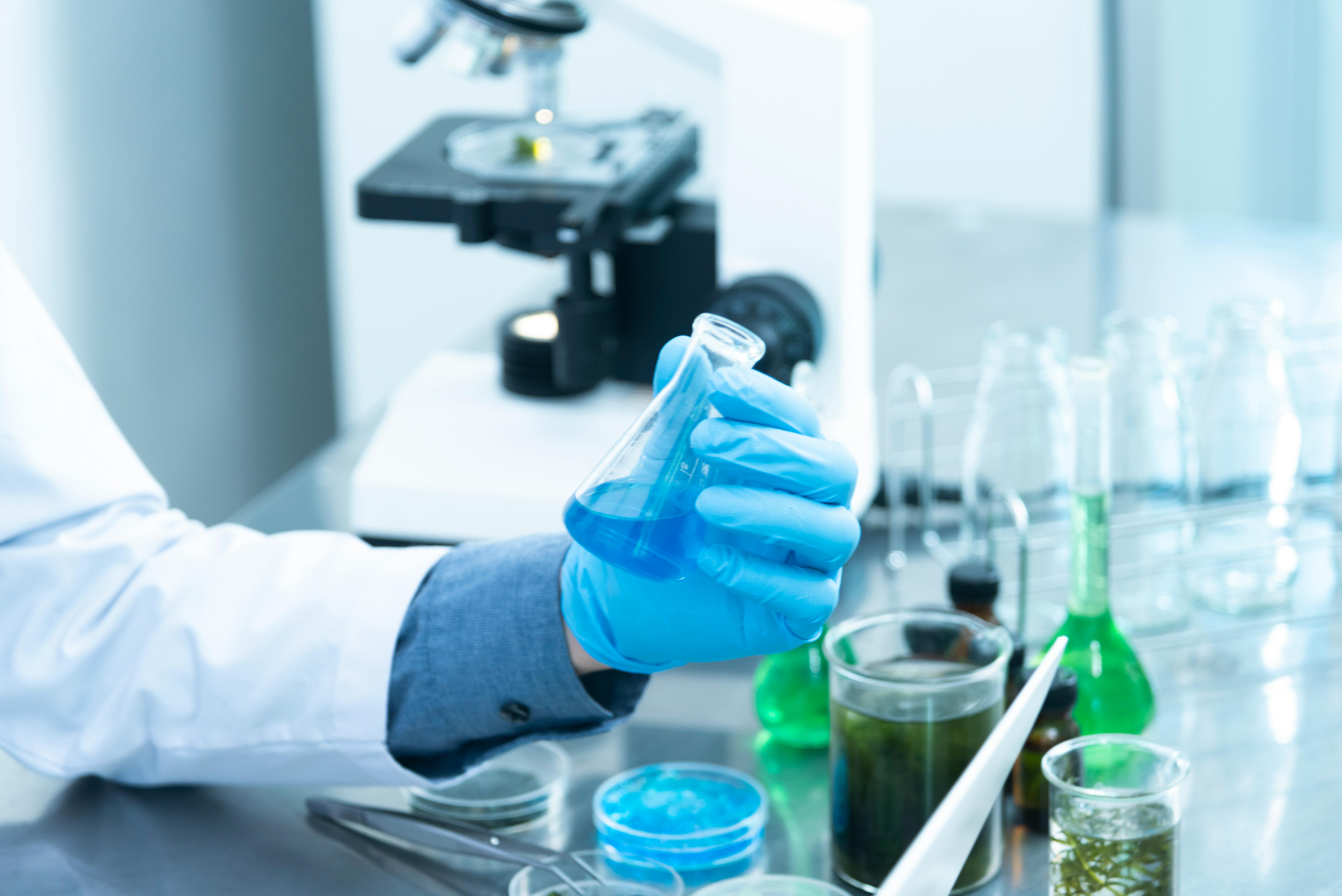
High‑performance computing and cloud infrastructure make it feasible to train and deploy these models at scale, while falling sequencing and DNA synthesis costs close the loop between digital design and physical testing.
Mission Overview: From Structure Prediction to Programmable Biology
The overarching mission of AI‑driven protein design is to turn biology into a programmable engineering discipline. This involves three interconnected aims:
- Understand the sequence–structure–function relationship in proteins at scale.
- Design new proteins and complexes with controllable behavior.
- Integrate these components into synthetic biological systems that can operate safely in real‑world environments.
AlphaFold2 and similar systems (such as Meta’s ESMFold) provided an unprecedented map from sequence to structure. Tools like RoseTTAFold All‑Atom and newer generative models extend that map into the design space, suggesting sequences that are not found in nature but are predicted to form stable, functional proteins.
In parallel, labs are building automated “design–build–test–learn” (DBTL) pipelines: AI suggests candidates, robots synthesize DNA and express proteins, high‑throughput assays measure performance, and the data are fed back into the model. This closed loop markedly accelerates discovery cycles, often reducing what once took years to a few weeks or even days.
Technology: How AI Designs New Proteins and Systems
AI‑driven protein design relies on a suite of machine‑learning architectures and data sources. These include:
- Transformers trained on millions of protein sequences (e.g., Meta’s ESM models) to learn “protein language.”
- Diffusion models that iteratively refine random structures into plausible protein backbones.
- Graph neural networks (GNNs) that operate directly on 3D atomic graphs of proteins.
- Reinforcement learning and Bayesian optimization to fine‑tune proteins for specific tasks.
Generative Protein Language Models
Protein language models treat amino‑acid chains like sentences and learn statistical patterns that encode structure and function. Once trained, they can:
- Generate novel sequences with desired properties (e.g., stability, solubility).
- Predict the impact of mutations on protein function.
- Serve as priors for downstream structure and activity predictors.
For instance, Meta AI’s ESM‑2 and ESM‑Fold models, and models from startups like EvolutionaryScale, can generate candidate proteins that are then evaluated in silico and in vitro.
Diffusion and Structure‑First Design
Diffusion models start from random noise and iteratively “denoise” toward realistic protein backbones or full atomistic structures. Systems such as RFdiffusion and ProteinSGM have demonstrated the ability to:
- Create de novo protein scaffolds around functional motifs.
- Design symmetric cages, fibers, and lattices for nanotechnology applications.
- Engineer binding interfaces for specific molecular targets (e.g., viral spike proteins).
“Diffusion models allow us to explore regions of protein structure space that evolution has never visited,” explained one researcher in Science, highlighting the creative potential of these methods.
Closed‑Loop Design–Build–Test–Learn Pipelines
The real power of AI emerges when it is integrated with automated experimentation:
- Design: AI models propose sequence variants predicted to perform well.
- Build: DNA oligos are synthesized, cloned, and expressed in cells (often E. coli, yeast, or mammalian systems).
- Test: High‑throughput assays (flow cytometry, microfluidics, mass spectrometry) quantify activity, binding, expression levels, or toxicity.
- Learn: Results update the models, improving their predictions for the next design round.
Platforms from companies such as Ginkgo Bioworks, Opentrons (for lab robotics), and multiple stealth‑mode startups exemplify this automation trend.
Scientific Significance: Why AI‑Designed Proteins Matter
AI‑designed proteins are reshaping multiple scientific domains by expanding the functional toolkit available to researchers and engineers.
Drug Discovery and Therapeutics
One of the most impactful applications is in drug discovery. AI can craft:
- High‑affinity binders and antibody mimetics against difficult targets, including GPCRs and ion channels.
- Stabilized cytokines and growth factors with improved pharmacokinetics and reduced side effects.
- Protein‑based delivery vehicles, such as self‑assembling nanoparticles, that can encapsulate and release therapeutic cargo.
Several AI‑designed proteins have entered preclinical and early clinical pipelines, including de novo immunotherapies and enzymes for rare metabolic disorders, as reported by companies like Absci and Generate Biomedicines.
Industrial Biocatalysis and Green Chemistry
In industrial chemistry, AI‑designed enzymes are being deployed as sustainable catalysts:
- Replacing harsh chemical processes with mild, water‑based reactions.
- Enabling asymmetric syntheses that are difficult with traditional catalysts.
- Improving yields and reducing waste in pharmaceutical and fine‑chemical manufacturing.
For readers interested in practical industrial biocatalysis, tools such as the “New Enzymes for Organic Synthesis and Biocatalysis” handbook provide a useful reference to classic and emerging applications of enzymes in synthesis.
Microbiology, Neuroscience, and Biosensing
In microbiology and neuroscience, AI‑designed proteins enable:
- Biosensors tuned to detect metabolites, toxins, or signaling molecules with high specificity.
- Optogenetic actuators that respond to different wavelengths of light, improving control over neural circuits.
- Molecular reporters that fluoresce only under particular cellular states, enabling dynamic imaging of processes like synaptic plasticity or immune activation.
“Custom protein sensors are giving us a live feed of what cells are thinking,” remarked a neuroscientist in a Cell commentary, underscoring the impact on brain research.
Systems and Synthetic Biology
Perhaps the most profound significance lies in systems‑level engineering. AI design is now applied to:
- Multi‑protein complexes that perform logic operations or mechanical tasks.
- Synthetic metabolic pathways optimized for yield and minimal by‑products.
- Minimal genomes tailored for specific tasks such as carbon capture, nitrogen fixation, or biosynthesis of high‑value molecules.
These efforts connect directly to ecology and evolution research as scientists model how engineered microbes might adapt, compete, and transfer genes in real ecosystems.
Visualizing AI‑Driven Design Workflows

Automation is key: without robotics and miniaturized assays, the sheer number of candidates proposed by AI models would be impossible to test.
Milestones: Key Achievements in AI‑Driven Protein Design
The field has advanced remarkably quickly. Some notable milestones include:
- 2020–2021: AlphaFold2 and RoseTTAFold release accurate protein structure predictions for large portions of known proteomes, democratizing structural data.
- 2022: RFdiffusion and related models demonstrate de novo design of protein binders and nanocages, validated experimentally.
- 2022–2023: Generative models from academic labs and companies like Generate Biomedicines and InSilico Medicine begin producing candidate therapeutics entering preclinical development.
- 2023–2024: Large‑scale protein language models (e.g., ESM‑2, EvolutionaryScale’s models) show that scaling data and parameters leads to emergent capabilities in fold prediction and function inference.
- 2024–2025: Integration of multi‑modal data (sequence, structure, expression, phenotypes) yields unified models capable of end‑to‑end design of pathways and multi‑protein assemblies.
Alongside these technical advances, funding for AI‑enabled biotech startups and academic–industry partnerships has expanded significantly, signaling broader confidence that AI‑designed proteins will deliver practical, commercial benefits.
Challenges: Limitations, Risks, and Biosecurity Concerns
Despite rapid progress, AI‑driven protein design faces technical, ethical, and regulatory hurdles that demand careful attention.
Model Limitations and Experimental Gaps
AI models are still approximations and can be misled by dataset biases or incomplete biophysical understanding. Common issues include:
- Designed proteins that fold as predicted but fail to function in cells due to mislocalization or degradation.
- Inaccurate modeling of dynamics, allostery, and complex cellular environments.
- Limited coverage of non‑standard amino acids, post‑translational modifications, and membrane contexts.
Closing these gaps requires richer experimental datasets and improved physical modeling, as well as methods to quantify prediction uncertainty.
Scale, Cost, and Reproducibility
Training cutting‑edge models demands substantial compute resources and high‑quality curated data. At the same time, wet‑lab validation remains a bottleneck for many labs lacking access to robotics and microfluidics.
To mitigate this, the community is exploring:
- Federated learning and data‑sharing consortia.
- Open‑source automation platforms and low‑cost laboratory robots.
- Standardized protocols and benchmarks, similar to CASP for structure prediction.
Ethics, Dual‑Use, and Regulation
The same capabilities that enable life‑saving therapeutics could, in theory, be misused to design harmful agents. This dual‑use concern has triggered debates over:
- Screening DNA synthesis orders for hazardous sequences.
- Access controls on powerful AI models and training data.
- International norms and oversight for engineered organisms released into the environment.
The World Health Organization has emphasized that “governance of dual‑use research and emerging biotechnologies must keep pace with technical innovation,” calling for global coordination on biosecurity.
Societal Acceptance and Intellectual Property
Public acceptance of AI‑engineered biology is not guaranteed. Concerns range from ecological impacts to corporate control of foundational biological components.
Open questions include:
- How should IP be handled for AI‑generated sequences—are they inventions, or derived works from training data?
- What transparency should be required for models used in clinical and environmental applications?
- How can benefits be shared globally, especially with low‑ and middle‑income countries?
Real‑World Applications: From Lab Bench to Marketplace
Several sectors are already incorporating AI‑designed proteins into products and pipelines.
Biopharmaceutical Pipelines
Pharmaceutical companies are integrating AI design into:
- Lead discovery: Generating panels of binders and enzymes against validated targets.
- Lead optimization: Improving stability, solubility, and immunogenicity profiles.
- Biomanufacturing: Engineering host cells and process enzymes to boost yield and purity.
This integration often pairs AI platforms with high‑throughput screening and advanced analytics, reducing development timelines and costs.
Consumer and Industrial Products
Beyond drugs, AI‑designed proteins are starting to appear in:
- Detergents with enzymes that work at lower temperatures, cutting energy use.
- Food and agriculture products, such as tailored proteases and phytases in animal feed.
- Biodegradable materials and engineered spider‑silk‑like fibers with tunable mechanical properties.
For practitioners and students seeking a solid foundation in synthetic biology implementation, references such as “Synthetic Biology: A Practical Introduction to Bioengineering” offer a bridge between conceptual design and real‑world lab practice.
AI Meets Wet Lab: The Convergence

Seamless data flows between instruments, LIMS software, and AI models are crucial to making design–build–test‑learn cycles efficient and reproducible.
Tools, Resources, and How to Get Involved
The ecosystem around AI‑driven protein design is rapidly maturing, with many tools and learning resources freely available.
Open‑Source Software and Databases
- AlphaFold & ColabFold: Accessible implementations for protein structure prediction.
- Rosetta & PyRosetta: Established frameworks for protein modeling and design.
- Protein language models: Public releases like ESM and others for representation learning.
- Structural databases: UniProt, PDB, and AlphaFold DB provide foundational sequence and structure data.
Educational Material and Media
To understand the broader landscape, consider:
- Review articles in journals such as Nature Reviews Molecular Cell Biology, Science, and Cell.
- Conference talks from meetings like Synthetic Biology: Engineering, Evolution & Design (SEED).
- YouTube lecture series on protein engineering and machine learning in biology, for example from MIT OpenCourseWare.
Practical Lab and Computational Skills
For students and professionals, a blend of wet‑lab and computational skills is particularly valuable:
- Basic molecular biology (cloning, expression, purification).
- Python programming and machine‑learning foundations.
- Familiarity with cloud computing and containerization (Docker, Kubernetes).
Many practitioners recommend combining a strong textbook foundation with hands‑on experimentation. Products like the “Genetics: Concepts and Applications” series can help build the biological intuition needed to interpret and guide AI‑generated designs.
Conclusion: Programming Life with Responsibility
AI‑designed proteins sit at the frontier of a new paradigm: biology as an information science and an engineering discipline. By harnessing generative models, massive biological datasets, and automated experimentation, researchers can now move beyond what evolution has provided and actively explore vast new regions of protein and genome space.
The benefits are potentially transformative—smarter therapeutics, sustainable manufacturing, advanced materials, and deeper understanding of life’s molecular foundations. Yet the risks and unknowns are equally real, demanding robust governance, transparent research practices, and inclusive public dialogue.
For scientists, policymakers, and citizens alike, the challenge is to ensure that this power to program life is directed toward equitable, sustainable, and ethically grounded goals. How we manage AI‑driven synthetic biology over the next decade will help define not only the future of medicine and industry, but also humanity’s evolving relationship with the living world.
Additional Insights: Questions to Watch in the Coming Years
As AI‑driven protein design and synthetic biology mature, several key questions will shape research agendas and policy debates:
- Multi‑objective design: How effectively can models optimize for multiple traits at once (e.g., efficacy, safety, manufacturability, and environmental impact)?
- Interpretable AI: Can we move from black‑box models to systems that reveal mechanistic insight into why designs work or fail?
- Eco‑engineering: How can designed organisms be used to restore ecosystems, sequester carbon, or manage pollution without causing unintended harm?
- Global governance: What international frameworks will ensure that benefits are shared fairly and that misuse is deterred?
Staying informed through reputable scientific outlets, professional societies, and cross‑disciplinary collaborations will be crucial for anyone wishing to contribute to this rapidly evolving frontier.
References / Sources
Selected reputable sources for further reading:
- Nature Collection on AI in Protein Design
- Science Magazine – Protein Folding and Design
- AlphaFold Protein Structure Database (EMBL‑EBI)
- RCSB Protein Data Bank (PDB)
- PubMed – Search “AI protein design”
- Ginkgo Bioworks – Synthetic Biology Platform
- Generate Biomedicines – Generative AI for Biologics
- WHO – Guidance on Responsible Life Sciences Research
