
How AI‑Designed Proteins Are Rewiring Biology and Drug Discovery
Artificial intelligence has moved molecular biology into a new regime. Instead of only deciphering nature’s existing proteins, scientists can now use generative models to invent new ones—enzymes that catalyze non-natural reactions, binders that neutralize evolving viruses, and biomolecules that could capture carbon or digest plastics. This emerging field, often called AI‑designed proteins or generative biology, sits at the convergence of deep learning, structural biology, and synthetic biotechnology.
Building on breakthroughs such as DeepMind’s AlphaFold2 and related systems, researchers now deploy protein language models, diffusion models, and hybrid architectures to propose sequences and 3D structures with specific functions. Startups and pharma companies are investing heavily, aiming to shorten drug discovery cycles from years to months and to unlock biological functions that never evolved in nature.
“We are moving from a descriptive biology of what exists to an engineering biology of what could exist.”
In what follows, we unpack the mission of generative biology, the core technologies behind AI-designed proteins, their scientific and commercial significance, recent milestones, the major challenges, and where the field may be heading by 2030.
Mission Overview: From Reading Proteins to Writing Them
The central mission of AI-driven protein design is straightforward but profound: to search the vast space of possible proteins far more efficiently than evolution or traditional lab methods can. Nature has sampled only a tiny fraction of all potential amino-acid sequences; deep learning offers a way to explore the rest.
From Rational Design to Generative Design
Historically, protein engineering relied on:
- Rational design – modifying known proteins using structural insights and biochemical intuition.
- Directed evolution – iteratively mutating and selecting variants with improved properties.
Both workflows are powerful but slow and limited by human intuition. Generative biology reframes the problem:
- Learn statistical patterns that govern natural protein sequences and structures.
- Use generative models to propose new sequences that obey these patterns while optimizing for a target function.
- Filter candidates with in‑silico structure and property prediction before committing to experiments.
Typical AI‑Driven Protein Design Workflow
In many labs and startups, a modern workflow looks like:
- Define target: a receptor, enzyme active site, or new catalytic reaction.
- Use a generative model to propose thousands to millions of candidate sequences and/or backbones.
- Evaluate candidates with structure prediction networks, docking, and stability/immunogenicity predictions.
- Select a small, high-confidence set for experimental synthesis and testing.
- Optionally feed assay results back into the model to refine it (active learning).
Technology: How AI Designs New Proteins
Multiple classes of deep learning models contribute to AI-driven protein design, each capturing different aspects of protein “grammar” and physics.
Structure Prediction Networks
AlphaFold2, RoseTTAFold, and related architectures solved a decades-old challenge: predicting 3D protein structure from amino-acid sequence. These models use attention-based neural networks to reason over evolutionary couplings and geometric constraints.
While originally developed for prediction, they are now crucial in design:
- Validating whether an AI-generated sequence will fold into a desired scaffold.
- Estimating the confidence of each residue’s placement using metrics like pLDDT.
- Screening out unstable or misfolded variants before experiments.
Recent work (2024–2025) has integrated such predictors directly into design loops, enabling “structure-in-the-loop” optimization where generative models are rewarded for proposing sequences that fold correctly.
Protein Language Models
Protein language models treat amino-acid sequences like sentences composed of tokens. Trained on tens of millions of sequences from databases such as UniProt, these models learn:
- Which residues tend to co-occur and in what positions.
- Implicit structural and functional motifs—without explicit 3D supervision.
- Evolutionary constraints encoded in multiple sequence alignments.
Examples include models from Meta’s ESM family and various open-source transformers. Their capabilities include:
- Sequence generation – sampling novel sequences that “sound” like natural proteins.
- Property prediction – estimating function, stability, or mutational tolerance for each residue.
- Zero-shot mutational scanning – ranking likely beneficial or detrimental mutations without specific training data.
In 2025, several groups reported using large language models (LLMs) that jointly model DNA, RNA, and protein sequences, supporting design of entire pathways rather than isolated proteins.
Diffusion and Geometric Generative Models
Diffusion models and related geometric deep-learning approaches have recently become central to generative biology. Instead of generating 2D images, these models generate:
- Backbone atom coordinates in 3D space.
- Side-chain conformations compatible with a given binding site.
- Symmetric assemblies and protein–protein interfaces.
By iteratively denoising random coordinates into structured backbones, diffusion models can:
- Condition on a target epitope or catalytic motif.
- Respect physical constraints such as bond lengths and angles through equivariant architectures.
These models are particularly good at de novo design—creating folds unseen in nature but still physicochemically plausible.
Hybrid Systems and Design Platforms
Modern design pipelines rarely rely on a single model. Instead, they orchestrate:
- Language models for sequence proposals.
- Diffusion or graph models for 3D scaffolds.
- Structure predictors and docking for screening.
- Physics-based tools (e.g., Rosetta, molecular dynamics) for refinement.
Several startups and open platforms (for example, those presented at NeurIPS and synthetic biology conferences in 2024–2025) now offer cloud-accessible design tools where users upload a target structure and receive candidate binders or enzymes designed via such hybrid stacks.
Scientific Significance and Applications
AI-designed proteins matter because they unlock biochemical capabilities that were either too hard or impossible to reach with classical methods. Their impact spans pharma, industrial chemistry, medicine, and environmental technologies.
Drug Discovery and Therapeutic Design
One of the most active areas is drug discovery, especially for targets that small molecules cannot easily address—such as flat protein–protein interfaces. AI-designed proteins can:
- Create protein binders that selectively latch onto disease-associated proteins.
- Engineer antibodies and antibody-like scaffolds with improved stability and manufacturability.
- Design cytokines, growth factors, and receptor ligands with tuned potency and reduced side effects.
Several companies reported preclinical candidates by 2025 where AI-designed binders show:
- Higher affinity than natural or humanized antibodies.
- Greater thermostability, allowing room-temperature storage.
- Better specificity with fewer off-target interactions.
For readers interested in the practical lab side, benchtop protein expression systems, such as the FastPURE His-Tag Protein Purification Kit , are commonly used to rapidly purify designed proteins for characterization once sequences are selected in silico.
Biocatalysis and Green Chemistry
AI-designed enzymes can catalyze reactions more efficiently, under milder conditions, and with higher selectivity than traditional catalysts. Applications include:
- Pharmaceutical synthesis – stereo‑selective steps that reduce waste and purification costs.
- Fine chemicals and fragrances – tailoring specific transformations for high-value molecules.
- Biofuels – enzymes that break down lignocellulose or convert biomass into fuels.
De novo enzymes that catalyze “non-natural” reactions—those not found in biology—are particularly exciting because they blur the line between chemistry and biology, opening new routes to sustainable manufacturing.
Biomedicine and Personalized Therapies
In medicine, generative biology intersects with gene therapy, cell therapy, and immuno‑engineering:
- Designing safer viral capsids for gene delivery that avoid pre-existing immunity.
- Engineering CAR‑T cell receptors with improved tumor recognition.
- Creating protein switches that respond to small molecules, enabling controllable therapies.
Long term, AI-designed proteins may support personalized biologics, where models rapidly design patient-specific binders based on tumor or pathogen sequences.
Environment, Climate, and Synthetic Biology
AI-designed proteins could play a role in addressing climate and environmental challenges:
- Carbon capture – designing Rubisco-like enzymes or carbonic anhydrases with enhanced kinetics.
- Plastic degradation – optimizing PETase-like enzymes for faster breakdown of plastics.
- New metabolic pathways – enabling microbes to valorize waste streams or synthesize new biomaterials.
Synthetic biologists are already integrating AI-designed enzymes into metabolic pathways in yeast and bacteria, with iterative cycles of computational design and high-throughput screening.
Milestones: Why AI‑Designed Proteins Are Trending
The excitement around generative biology is driven not just by models, but by tangible lab results and public milestones from 2021 through early 2026.
Key Scientific Milestones
- AlphaFold2 and RoseTTAFold (2021–2022): High-accuracy structure prediction for most known proteins, with millions of structures made freely available via the AlphaFold DB.
- De novo binder design: Publications and preprints describing purely AI-designed proteins that bind viral antigens (e.g., SARS‑CoV‑2 variants) and other targets, sometimes matching or exceeding antibody performance.
- De novo enzymes for non-natural reactions: Studies demonstrating AI-generated enzymes that catalyze reactions not observed in nature, highlighting the creative potential of generative models.
- Protein language models at scale (2022–2025): ESM-style models and others achieving zero-shot mutational predictions close to deep mutational scanning experiments.
Commercial and Ecosystem Milestones
- Generative biology startups: Multiple companies have raised significant funding rounds to build “biology foundries” where AI and automation co-design proteins and test them at scale.
- Partnerships with big pharma: Collaboration deals where AI-design platforms are used to generate biologic candidates for oncology, autoimmune diseases, and rare disorders.
- Open-source and web servers: Tools that allow students, researchers, and citizen scientists to submit sequences and receive 3D structure predictions or AI-suggested designs, increasing community engagement.
“For the first time, we can seriously talk about exploring protein space by design rather than by chance mutations and natural selection.”
Challenges: Hype, Reality, and Responsible Innovation
Despite rapid progress, generative biology faces major scientific, technical, and ethical challenges that will shape how quickly AI-designed proteins enter clinics and industry.
The Experimental Validation Gap
AI can generate millions of hypothetical proteins, but:
- Only a tiny fraction can be synthesized and tested in the lab.
- In silico predictions may fail when confronted with real cellular environments.
- Models often overestimate stability or activity outside training distributions.
Bridging this gap requires:
- High-throughput screening platforms such as microfluidics and DNA barcoding.
- Active learning loops where experimental data iteratively retrain and calibrate models.
- Community benchmarks with standardized datasets and blinded challenges for fair comparison.
Safety, Dual Use, and Governance
The same tools that design therapeutics could, in principle, design harmful proteins. Dual-use concerns include:
- Enhanced toxins or immune evasive variants.
- Proteins that alter host immunity in undesirable ways.
- Modular parts that could be misused in harmful biological constructs.
Policy discussions since 2023 have focused on:
- Access controls for the most capable design systems.
- Screening of DNA synthesis orders for known and AI-predicted hazards.
- Publication norms that balance openness with risk mitigation.
“Generative biology amplifies both our ability to heal and our responsibility to prevent harm; governance must evolve alongside the technology.”
Intellectual Property and Ownership of AI‑Generated Sequences
Another unresolved issue is who owns AI-generated proteins:
- Are they patentable if they are not explicitly designed residue by residue by a human?
- How should credit be allocated between dataset curators, model developers, and application scientists?
- How do existing IP systems handle massively generated sequence libraries?
Ongoing legal debates, including cases in AI-generated art and software, are likely to influence future policies for biological designs.
Limitations of Current Models
Despite their power, today’s models still struggle with:
- Allostery: long-range interactions and conformational changes upon binding or signaling.
- Dynamic and disordered regions: intrinsically disordered proteins are less well captured by static structure predictors.
- Context: performance of designed proteins inside complex cellular environments, with post-translational modifications and crowding.
Integrating molecular dynamics, coarse-grained simulations, and multi-scale modeling remains an open frontier for the late 2020s.
Media, Education, and Public Engagement
Generative biology has also become a staple of science communication, with videos, podcasts, and social media threads explaining AI-designed proteins to broader audiences.
Visualizing AI‑Designed Proteins
3D visualizations of AI-predicted structures—often color-coded by model confidence—are widely shared on platforms like X (Twitter), TikTok, and YouTube. Tools such as PyMOL and UCSF ChimeraX, combined with web-based viewers, make it easy to explore complex folds interactively.
For hands-on exploration, many labs use affordable molecular visualization setups. For instance, high-resolution monitors like the Dell UltraSharp 27" IPS Monitor help display fine structural details crucial for teaching and design reviews.
Learning Resources and Open Tools
Students and researchers can learn more through:
- YouTube explainers: Channels that cover AlphaFold, protein language models, and deep learning basics. A good starting point is the DeepMind AlphaFold presentation on YouTube.
- Online courses: Machine learning for biology courses offered by universities and platforms like Coursera and edX.
- Open-source repositories: GitHub projects providing implementations of structure predictors, diffusion models, and training scripts.
On professional networks such as LinkedIn, many researchers share preprints, threads, and career advice about entering the field of computational protein design.
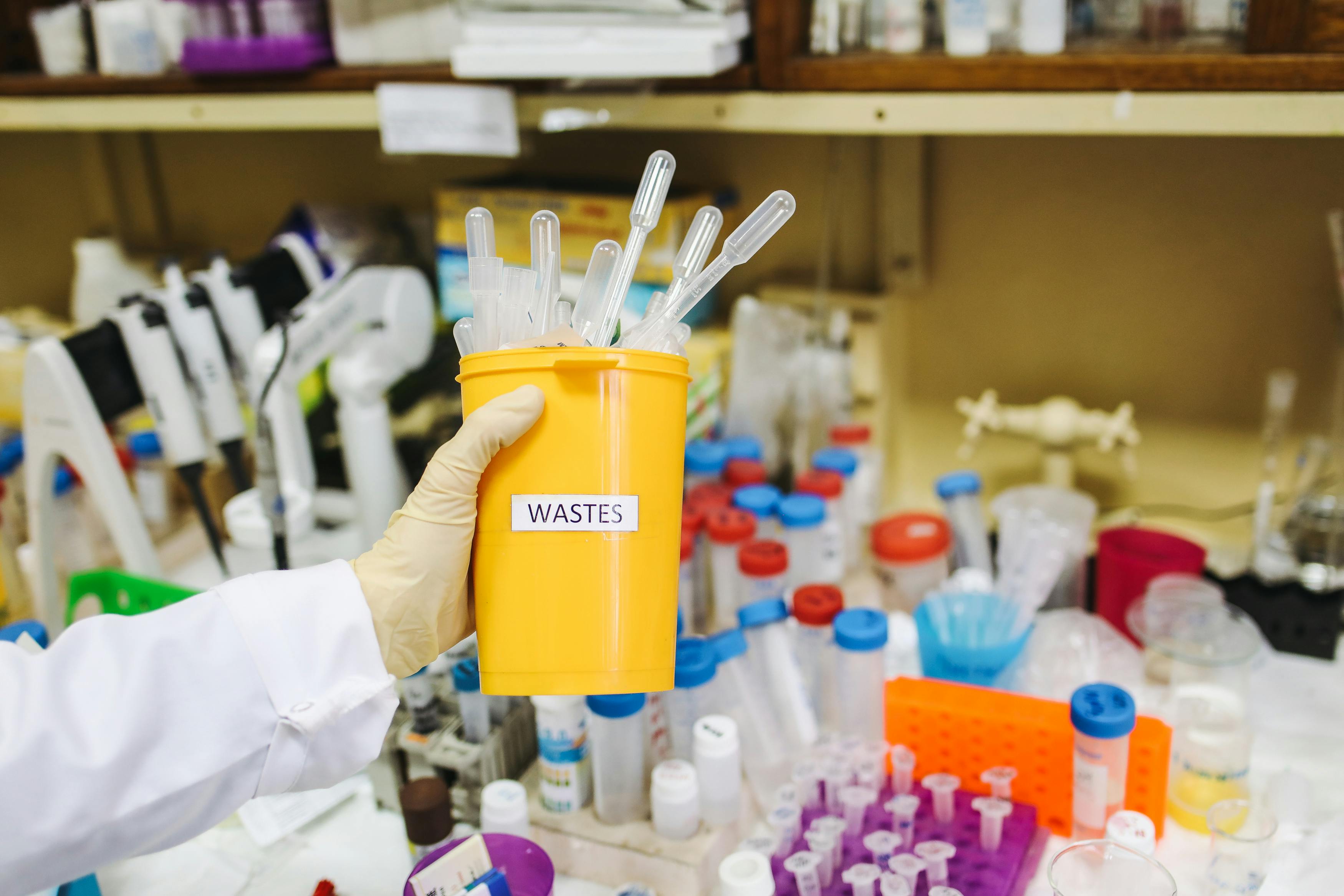
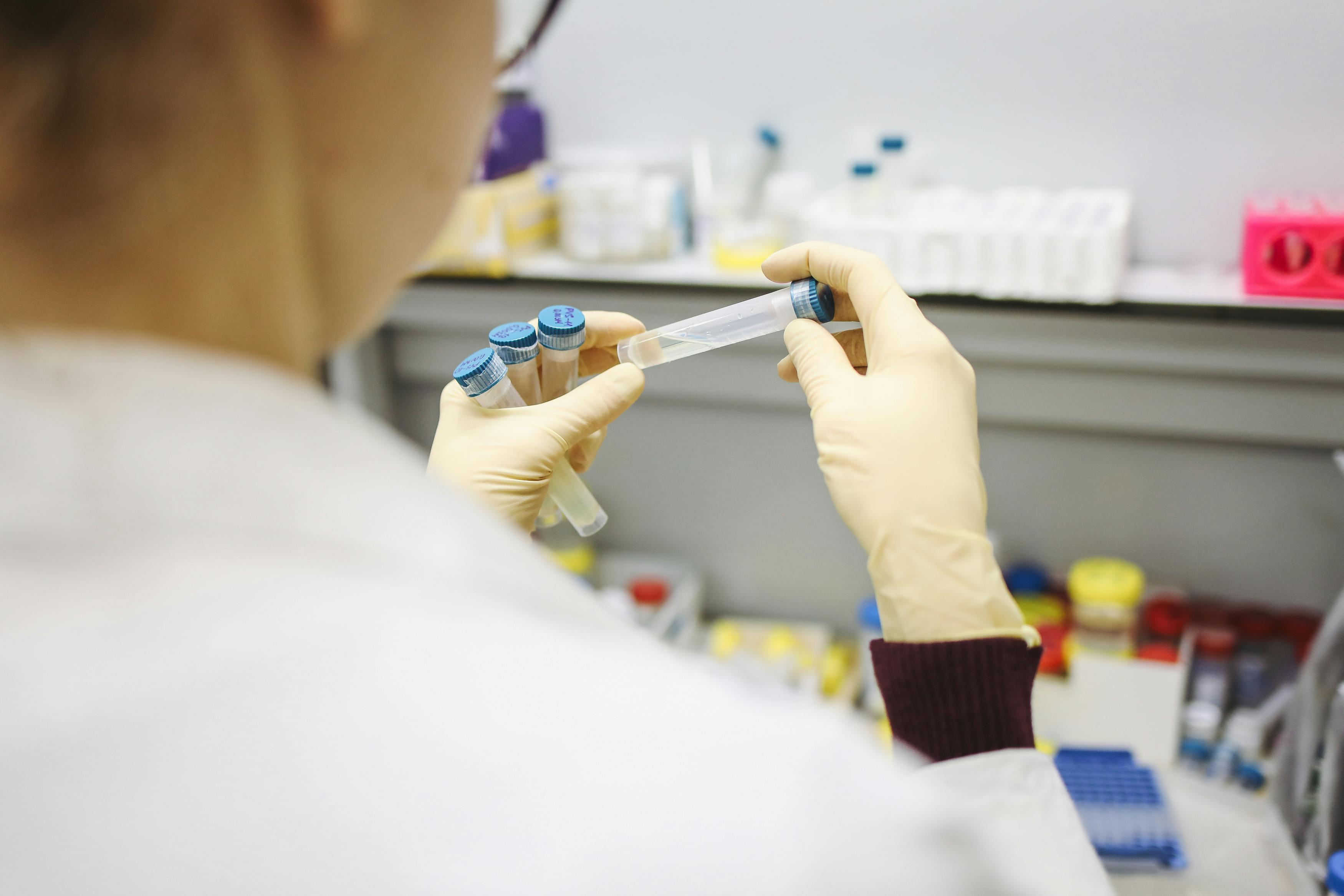
Illustrative Images: AI‑Designed Proteins in Context


Practical Tools for Entering Generative Biology
For researchers and advanced hobbyists interested in hands-on work with proteins and computational design, a combination of software, hardware, and lab tools is invaluable.
Computational Stack
- Access to GPUs (on-premise or via cloud platforms) for running structure prediction and generative models.
- Installations of Python-based frameworks such as PyTorch or JAX.
- Use of community tools like Colab notebooks for AlphaFold variants and protein language models.
Experimental Stack
Once designs look promising in silico, basic wet-lab equipment helps move into validation:
- PCR and cloning tools to build expression constructs.
- Shakers and incubators for expressing proteins in bacteria or yeast.
- Chromatography supplies for purification and biophysical characterization.
For example, mini-centrifuges such as the Eppendorf MiniSpin microcentrifuge are widely used in molecular biology labs to quickly spin down protein samples during purification and analysis.
Conclusion: The Future of Generative Biology
AI-designed proteins and generative biology represent a shift from observing biology to engineering it. With structure predictors, language models, and diffusion-based generators, we can now explore protein design space orders of magnitude faster and more creatively than before.
Over the next decade, we can expect:
- Integrated design–build–test loops where AI and automation co‑optimize proteins continuously.
- Multi-protein and pathway-level design, enabling custom metabolic circuits and cell behaviors.
- Richer safety, governance, and standards to ensure beneficial and responsible use.
Achieving this vision will require collaboration between machine learning experts, structural biologists, chemists, clinicians, ethicists, and policymakers. If done well, generative biology could accelerate drug discovery, foster sustainable chemistry, and expand our understanding of life’s design principles—while reminding us that powerful tools demand thoughtful stewardship.
Additional Resources and Next Steps
To deepen your understanding or get involved:
- Follow leading researchers on X/Twitter and LinkedIn, such as groups working on AlphaFold-like models, protein language models, and diffusion-based design.
- Explore code and tutorials from top ML and structural biology labs on GitHub, many of which offer beginner-friendly notebooks.
- Join interdisciplinary conferences and workshops at the intersection of AI and biology, including sessions at NeurIPS, ICML, and synthetic biology meetings.
Whether you are a computational scientist, a wet-lab biologist, or an interested observer, understanding AI-designed proteins will be increasingly important as biology becomes more programmable and design-driven.
References / Sources
- Jumper, J. et al. “Highly accurate protein structure prediction with AlphaFold.” Nature (2021). https://www.nature.com/articles/s41586-021-03819-2
- Baek, M. et al. “Accurate prediction of protein structures and interactions using a three-track neural network.” Science (2021). https://www.science.org/doi/10.1126/science.abj8754
- Rives, A. et al. “Biological structure and function emerge from scaling unsupervised learning to 250 million protein sequences.” PNAS (2021). https://www.pnas.org/doi/10.1073/pnas.2016239118
- Strokach, A. et al. “Deep generative modeling for protein design.” Current Opinion in Structural Biology (2023). https://www.sciencedirect.com/science/article/pii/S0959440X23000446
- Nature News Feature on AlphaFold and its impact. https://www.nature.com/articles/d41586-021-02299-w
- AlphaFold Protein Structure Database. https://alphafold.ebi.ac.uk
- DeepMind AlphaFold YouTube talk. https://www.youtube.com/watch?v=gg7WjuFs8F4
