
How AI-Designed Proteins Are Quietly Rewriting the Rules of Chemistry and Biology
Artificial intelligence has crossed a critical threshold in molecular science. Instead of merely analyzing biology, modern AI systems now help build it—designing novel proteins and enzymes with tailored functions for chemistry, medicine, and materials science. This shift from prediction to creation is turning AI-driven protein engineering into one of the most important technology trends in contemporary science.
From DeepMind’s AlphaFold and AlphaFold3 to academic platforms like RoseTTAFold and industrial generative models, AI is becoming a core design tool in pharmaceutical pipelines, green chemistry, and synthetic biology labs. The impact ranges from plastic-degrading and carbon-capture enzymes to de novo protein-based drugs and programmable biomaterials.
Mission Overview: From Protein Puzzles to Molecular Engineering
For decades, predicting how a protein’s amino acid sequence folds into a 3D structure—known as the protein-folding problem—was one of biology’s grand challenges. Experiments such as X‑ray crystallography and cryo‑EM were slow, expensive, and often unsuccessful. Early computational methods could only handle small or well-behaved proteins.
With the 2020 release of AlphaFold2 and subsequent tools like RoseTTAFold, AI proved that deep learning can reliably map sequence to structure across huge swaths of the proteome. The more recent AlphaFold3 goes further by modeling protein–protein, protein–DNA, and protein–ligand complexes, thereby bridging structural biology with medicinal chemistry and genomics.
“It’s the first time in history we’ve had a tool that can reliably predict the shape of most proteins in the human body.”
— Demis Hassabis, CEO and co‑founder of DeepMind
Today’s “mission” is no longer just to predict structures, but to harness AI for rational design: generating enzymes for new reactions, scaffolds for vaccines, and binders for almost any biomolecular target.
Technology: How AI Designs Proteins and Enzymes
Modern protein design systems combine large biological datasets, deep neural networks, and physics-aware constraints to create new sequences with desired properties. Conceptually, they function like language models—except the “language” is amino acids and 3D shapes rather than words and sentences.
Key Classes of AI Models in Protein Design
- Structure predictors (e.g., AlphaFold2, AlphaFold3, RoseTTAFold) infer 3D conformations from amino acid sequences, providing templates and constraints for design.
- Generative sequence models (transformers, diffusion models, variational autoencoders) generate new amino acid sequences with learned patterns from natural proteins.
- Inverse design frameworks map from functional specifications—such as “bind this epitope” or “catalyze this reaction”—back to plausible sequences and structures.
- Hybrid physics-ML models include energy-based scoring, molecular dynamics, or quantum chemistry for refining and validating candidates.
Design Workflow: From Concept to Candidate
- Define the objective: e.g., catalyze a Diels–Alder reaction, bind IL‑6 receptor, or assemble into a nanocage.
- Specify structural/functional constraints: active-site geometry, binding pocket shape, charge distribution, stability ranges.
- Generate candidates: AI proposes thousands to millions of sequences with predicted 3D models.
- Filter and rank: using stability metrics, docking scores, solvent exposure, predicted binding affinities, and developability heuristics.
- Experimental testing: selected sequences are synthesized, expressed, and assayed in vitro or in cells.
- Iterative improvement: experimental data feed back into the models for fine-tuning and improved future designs.
Tools like Foldit, Rosetta-based platforms, and emerging cloud services from startups make these workflows increasingly accessible—even to teams without major in-house computational resources.
AI-Designed Enzymes in Modern Chemistry
In chemistry, AI-designed enzymes are central to the vision of green, sustainable synthesis. Enzymes operate under mild conditions, are often highly selective, and can be produced from renewable resources. When AI helps tailor them for non-natural reactions or challenging substrates, they become powerful alternatives to traditional metal catalysts and harsh reagents.

Notable Application Areas
- Plastic degradation and recycling: AI-guided engineering has improved enzymes like PETases that break down polyethylene terephthalate, enabling faster, more efficient recycling of PET bottles and textiles.
- Carbon capture and utilization: Enhanced carbonic anhydrases and related enzymes can accelerate CO2 hydration and conversion, supporting carbon capture technologies and carbon-to-chemicals pathways.
- Chiral synthesis: Many pharmaceuticals require single-enantiomer products. AI-designed enzymes allow enantioselective transformations under mild conditions, reducing the need for multiple synthetic steps and toxic reagents.
- Late-stage functionalization: Engineered P450s, dehydrogenases, and halogenases can selectively modify complex molecules, streamlining medicinal chemistry campaigns.
“By integrating machine learning with directed evolution, we can now explore chemical space in ways that were essentially unreachable just a decade ago.”
— Frances H. Arnold, Nobel Laureate in Chemistry
Beyond academic laboratories, industrial biocatalysis divisions are increasingly deploying AI-guided enzyme optimization for detergents, food processing, fine chemicals, and agrochemicals, with significant gains in yield and process robustness.
Biology and Medicine: AI-Generated Therapeutic Proteins
In life sciences, AI-designed proteins are emerging as next-generation therapeutics, vaccines, and diagnostics. De novo protein binders and scaffolds can be crafted to recognize viral antigens, tumor markers, or specific cell-surface receptors with exquisite specificity.
Therapeutic and Diagnostic Innovations
- De novo protein drugs: Instead of modifying antibodies, researchers can design small, stable proteins that bind targets such as PD‑1, HER2, or viral spike proteins. These may offer improved tissue penetration, stability, or manufacturability.
- Next-generation vaccines: AI generates nanoparticle scaffolds that display antigens in optimized geometries, strengthening B‑cell responses—extending work pioneered in structure-based vaccine design for influenza, RSV, and coronaviruses.
- Engineered cytokines and immune modulators: Rational redesign of IL‑2, IL‑12, and other immunomodulatory proteins aims to decouple efficacy from toxicity, a major challenge in oncology and autoimmunity.
- Point-of-care diagnostics: AI-designed biosensors can be tailored to detect biomarkers in blood, saliva, or breath, pairing engineered binding domains with optical or electrochemical readouts.
Pharmaceutical companies now commonly integrate AI into their discovery pipelines: generative models propose large libraries of protein or peptide candidates, robotic platforms test them in high throughput, and active learning loops refine the design rules. This combination can shrink timelines from a multi-year cycle to months.
For readers interested in the translational side of AI-assisted drug discovery, the book “Deep Medicine” by Eric Topol offers an accessible overview of how AI is entering the clinic, including biological design.
Under the Hood: Architectures and Data That Power Protein Design
AI-based protein engineering stands on three pillars: massive datasets, expressive neural architectures, and clever training objectives tailored to biological constraints.
1. Biological and Structural Datasets
- Sequence databases: UniProt, GenBank, and metagenomic datasets provide hundreds of millions of natural protein sequences.
- Structure repositories: The Protein Data Bank (PDB) and AlphaFold Protein Structure Database host experimentally-determined and predicted structures at unprecedented scale.
- Functional annotations: Enzyme Commission (EC) numbers, Gene Ontology (GO) terms, and assay datasets label which sequences do what.
2. Model Architectures
Many state-of-the-art systems adapt ideas from NLP and computer vision:
- Transformers: capture long-range dependencies in amino acid sequences, analogous to context in language models.
- Graph neural networks: operate on 3D protein structures, respecting spatial and rotational symmetries.
- Diffusion models: iteratively “denoise” random noise into structured proteins, similar to image generation but on 3D coordinates or sequences.
- Energy-based models: learn distributions over viable protein conformations and sequences.
3. Training Objectives and Constraints
Unlike natural language, proteins must fold, remain soluble, and obey fundamental physics. Models are thus constrained by:
- Backbone geometry and steric hindrance.
- Hydrogen bonding networks and secondary structure propensities.
- Electrostatics, hydrophobic packing, and disulfide connectivity.
- Biological context (e.g., secretion signals, post-translational modifications).
Researchers increasingly combine sequence-only learning with explicit structural loss functions—such as matching distance matrices or torsion angles—to ensure generated proteins are physically realizable and stable.
Scientific Significance: Why AI-Designed Proteins Matter
AI-powered protein and enzyme design is scientifically transformative because it allows researchers to explore functional spaces far beyond natural evolution. Evolution optimizes proteins over millions of years for organismal fitness, not necessarily for the needs of modern medicine or industry.
Expanding Beyond Natural Protein Space
- Non-natural reactions: Design catalysts for chemistries that never existed in biology, opening new synthetic routes and materials.
- Extreme conditions: Engineer stability at high temperatures, extreme pH, or in organic solvents for industrial processes.
- Minimal and orthogonal systems: Build proteins using non-canonical amino acids or orthogonal translation systems for safety and novel functionality.

Synergy with Directed Evolution and High-Throughput Screening
AI does not replace laboratory evolution; it guides it. Generative models propose promising starting points that are then fine-tuned by:
- Directed evolution: iterative rounds of mutagenesis and selection to optimize performance.
- Combinatorial libraries: focused libraries around AI-suggested “hot spots” rather than random sequence space.
- Adaptive experimental design: AI actively chooses the next set of variants to test based on previous results.
“The most powerful protein engineering strategies emerge when computational design, machine learning, and laboratory evolution are used in concert.”
— David Baker, Institute for Protein Design, University of Washington
The net effect is a virtuous cycle: AI accelerates hypothesis generation, experiments provide rich feedback, and models rapidly improve—leading to faster discovery and deeper mechanistic understanding.
Milestones: Key Breakthroughs in AI Protein Design
The field has advanced rapidly, with several landmark achievements between 2020 and 2025 that reshaped expectations in both academia and industry.
Selected Milestones
- 2020–2021: AlphaFold2 wins CASP14 and its structures are widely adopted, dramatically shrinking the gap between known sequences and structures.
- 2021–2022: RoseTTAFold and related community tools democratize high-quality structure prediction and early generative capabilities.
- 2022–2023: De novo designed protein binders and nanoparticle vaccines enter preclinical and early clinical studies, validating the therapeutic potential of AI-guided design.
- 2023–2025: Generative diffusion and transformer architectures capable of designing entire protein complexes, enzymes for industrial reactions, and programmable biomaterials gain traction across biotech startups and pharma.
- Ongoing (as of 2026): Integration of multimodal models that consider protein–DNA, protein–RNA, and small-molecule interactions, supporting end-to-end drug design workflows.
For continuous updates on milestones and applications, professional networks like LinkedIn host active communities around #proteinengineering, #AIinBiotech, and #drugdiscovery, where researchers regularly share preprints, case studies, and open-source tools.
Challenges: Safety, Ethics, and Technical Limitations
Despite striking successes, AI-designed proteins and enzymes raise critical technical, ethical, and governance questions. Many models are powerful but still imperfect, and the dual-use potential of biological design tools cannot be ignored.
Technical and Scientific Limitations
- Prediction vs. reality: A stable, well-folded structure in silico does not guarantee function, expression, or safety in vivo.
- Data bias: Models trained mostly on natural proteins may underperform on highly non-natural sequences or rare folds.
- Dynamic behavior: Many proteins are flexible and adopt multiple conformations; static structures may miss functionally relevant motions.
- Scalability of assays: Wet-lab testing remains a bottleneck, especially for complex phenotypes and multi-component systems.
Ethical, Safety, and Regulatory Concerns
- Dual-use risk: Tools that lower barriers to protein engineering could, in principle, be misused for harmful biological agents if not properly governed.
- Access control: Balancing open science with safeguards—such as tiered access, auditing, and screening of designs—is a major policy challenge.
- Regulatory adaptation: Agencies like the FDA and EMA must evaluate de novo biologics with limited evolutionary precedent and novel mechanisms of action.
- Intellectual property: Defining ownership and inventorship when AI contributes significantly to novel protein designs is an evolving legal frontier.
Recent policy discussions—from national biosecurity commissions to global forums such as the WHO and OECD—highlight the need for responsible innovation, including safety-by-design principles, red-teaming of powerful models, and international coordination on AI-bio governance.
Tools, Education, and Community Adoption
One reason AI-designed proteins are trending across social and scientific media is the growing availability of user-friendly interfaces and educational content. Cloud-based notebooks, web apps, and interactive tutorials let students, hobbyists, and interdisciplinary scientists experiment with protein design.
Accessible Learning and Practice
- Online tutorials and MOOCs: Platforms like Coursera, edX, and specialized biotech academies offer courses on deep learning for biology and protein engineering.
- YouTube explainers: Channels run by structural biologists and AI researchers walk through case studies using AlphaFold, Rosetta, and generative protein design notebooks.
- Interactive tools: Games like Foldit and web front-ends for protein modeling help newcomers build intuition about folding and stability.
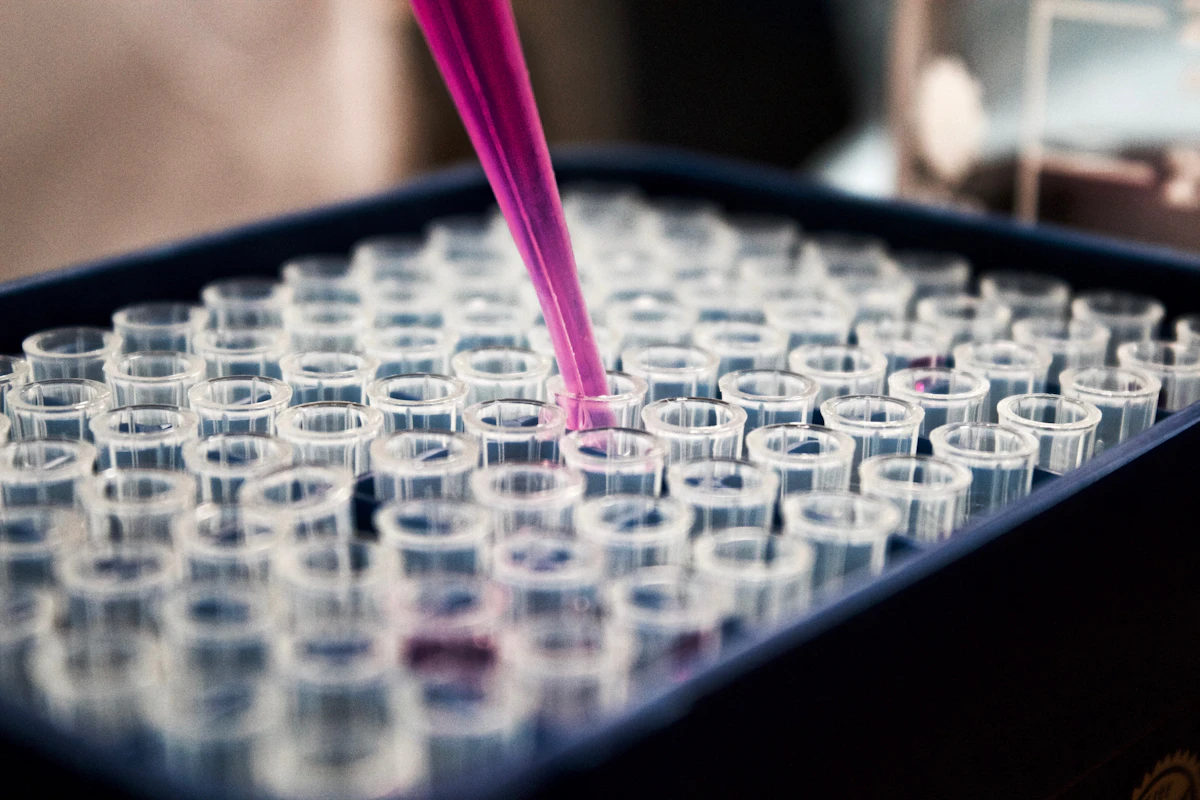
For hands-on experimentation, many labs now use affordable, high-quality pipettes and benchtop equipment. Products such as the Eppendorf Research Plus adjustable pipette are commonly recommended in teaching labs and small biotech startups for reliable liquid handling in protein expression and assay workflows.
The combination of open-source code, cloud credits, and low-cost laboratory tools is accelerating the diffusion of AI-guided molecular engineering from elite institutions to a much broader community.
Conclusion: Toward an AI-First Era of Molecular Design
AI-designed proteins and enzymes mark the beginning of an AI-first era in chemistry and biology. Structure prediction breakthroughs solved a foundational problem in structural biology; generative design now turns that knowledge into a creative tool for building catalysts, therapeutics, and biomaterials tailored to human needs.
The coming years will likely bring:
- Routine use of AI-driven design in industrial catalysis and process chemistry.
- De novo protein therapeutics and vaccines moving through clinical pipelines.
- Integrated platforms where language models, protein models, and robotics share a common design–build–test–learn loop.
- More mature governance frameworks that foster innovation while mitigating misuse.
For scientists, engineers, and informed citizens, understanding these tools and their implications is increasingly essential. AI-designed proteins do not replace the creativity of human researchers—but they significantly extend it, enabling us to explore and engineer molecular space with unprecedented speed, scope, and precision.
Further Reading, Tools, and Resources
To dive deeper into AI-driven protein and enzyme design, the following resources provide valuable technical and conceptual insight:
Key Papers and Articles
- Jumper et al., “Highly accurate protein structure prediction with AlphaFold” — Nature (2021)
- Baek et al., “Accurate prediction of protein structures and interactions using a three-track neural network” — Science (2021)
- DeepMind AlphaFold resource hub — deepmind.com/research/highlighted-research/alphafold
Databases and Tools
- AlphaFold Protein Structure Database — alphafold.ebi.ac.uk
- Protein Data Bank (PDB) — rcsb.org
- Institute for Protein Design (IPD) — ipd.uw.edu
- Foldit citizen science game — fold.it
Videos and Social Media
- DeepMind’s AlphaFold explanation on YouTube — AlphaFold: The making of a scientific breakthrough
- Lectures and talks from David Baker’s group — YouTube search: David Baker protein design
- Professional commentary and updates on AI in protein design can frequently be found on LinkedIn profiles of leading labs and biotech companies.
Staying engaged with these resources will help you track how AI-designed proteins and enzymes evolve from cutting-edge research into mainstream tools for chemistry, biology, and medicine.
