
High‑Protein, Low‑Carb 2.0: How Celeb‑Style Body Recomp Is Changing Everyday Eating
High‑Protein, Low‑Carb 2.0: From Keto to Balanced Body Recomp Eating
The ultra‑strict keto era is slowly being replaced by a gentler, more livable approach: high‑protein, moderately low‑carb eating. Instead of obsessively chasing ketosis, people are now aiming for body recomposition—losing fat while holding onto (or building) lean muscle—fueled by colorful plates of food you can actually enjoy long‑term. Celebrities, trainers, and everyday home cooks are embracing this shift, sharing macro‑friendly recipes, high‑protein meal prep, and realistic “what I eat in a day” glimpses that feel more sustainable than bacon‑and‑butter keto ever did.
Think juicy grilled chicken over herby quinoa instead of bun‑less burgers for every meal; creamy Greek yogurt with berries instead of butter‑laden “fat bombs.” It’s still lowish in carbs compared with a traditional Western diet, but the vibe is balanced, not extreme—and it pairs beautifully with the current love affair with strength training and longevity.
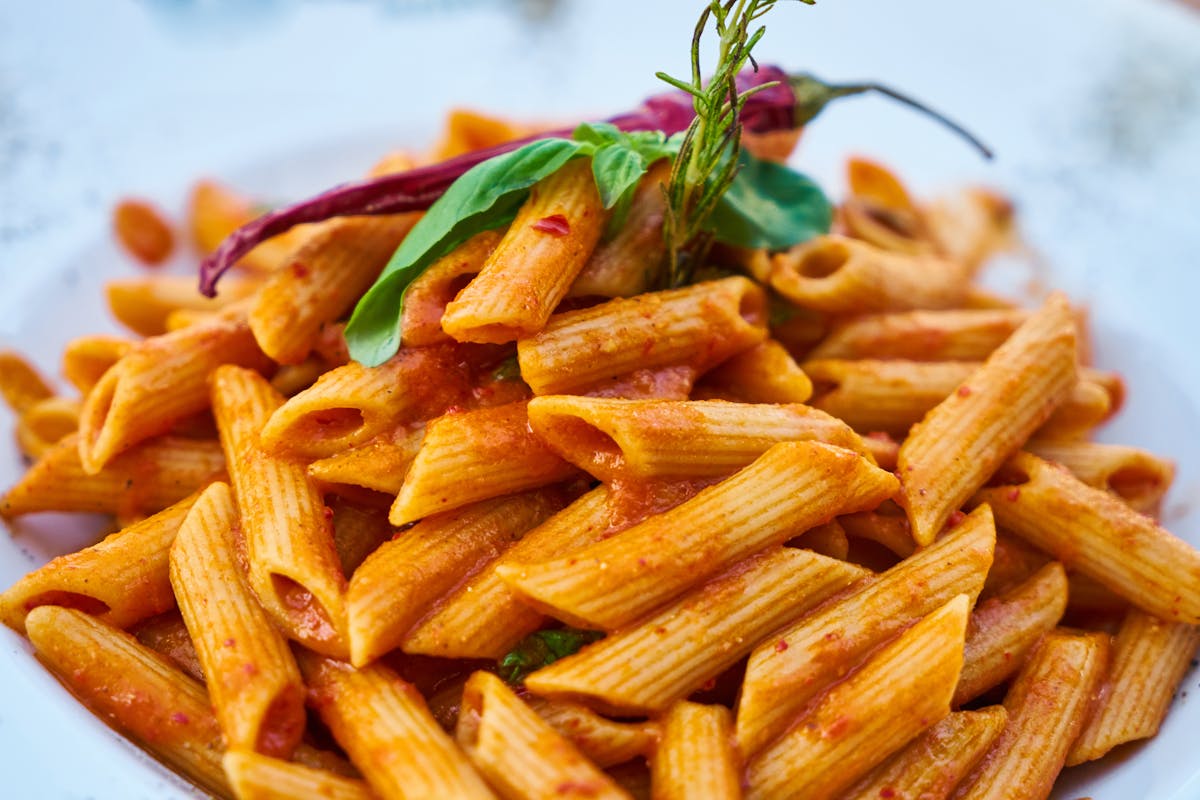
What Is “High‑Protein, Low‑Carb 2.0”?
This new wave of eating keeps some of keto’s strengths—like prioritizing protein and regulating blood sugar— but drops the all‑or‑nothing carb rules. In practical terms, it usually means:
- Protein first: Often 1.6–2.2 g of protein per kg of body weight, spread through the day.
- Moderately low‑carb: Carbs are trimmed back compared to a standard diet, but not eliminated.
- Carb quality over carb fear: Oats, quinoa, beans, fruit, and root veggies are welcome; sugary snacks and refined flour are dialed down.
- Healthy fats: Olive oil, avocado, nuts, seeds, and moderate dairy instead of “everything‑with‑butter.”
From a cooking perspective, it’s wonderfully flexible. You’re free to enjoy warm roasted sweet potatoes with your salmon, or a slice of whole‑grain toast with your egg‑white omelet—carbs become tools, not enemies.
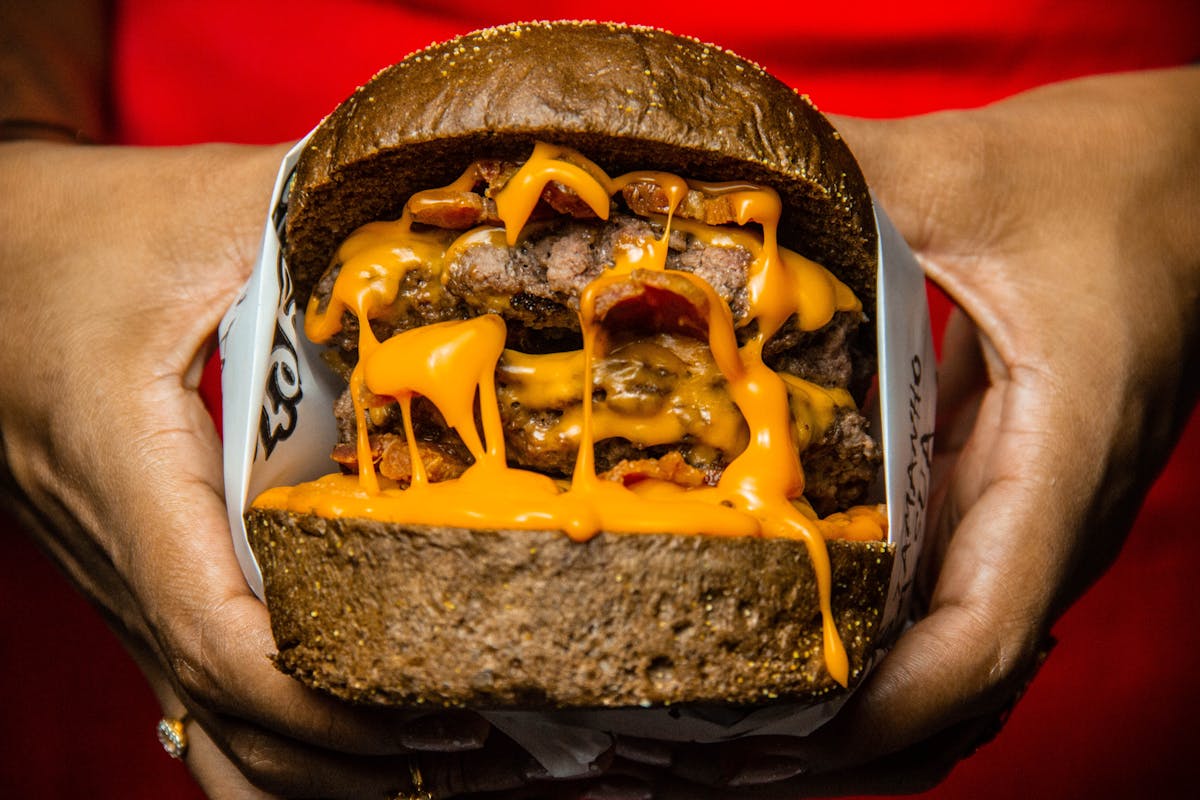
From Weight Loss to Body Recomp: Fat Loss + Muscle Preservation
The buzzword driving this trend is body recomposition—essentially reshaping your body by reducing body fat while maintaining or building muscle. On social media, this looks like “same weight, different body” transformation photos and celebrities revealing the high‑protein, gym‑heavy routines behind movie roles or tours.
Protein is the quiet hero here. It helps:
- Protect muscle when you’re in a calorie deficit.
- Support muscle gain alongside strength training.
- Keep you full longer, making it easier to avoid constant snacking.
You can’t out‑protein a totally chaotic diet—but nudging protein up while dialing back ultra‑processed carbs is one of the simplest shifts most people can make.

Why High‑Protein, Moderate‑Carb Is Trending Now
The rise of “High‑Protein 2.0” didn’t happen in a vacuum—several cultural and algorithm‑driven forces pushed it forward:
- Shift toward strength and longevity – Feeds are filled with lifting routines, “strong at any age” messages, and creators talking about preserving muscle, not just shrinking the number on the scale.
- Algorithmic love for gym content – TikTok, YouTube, and Instagram all boost gym, “what I eat in a day,” and “celebrity body prep” videos that highlight protein‑heavy meals.
- Keto fatigue – Years of butter coffee and bun‑less everything left many people craving fruit, grains, and a social life that includes an occasional dessert.
- Explosion of high‑protein products – Supermarket shelves are now loaded with high‑protein yogurts, breads, cereals, pastas, and snack bars, making the shift more convenient than ever.
Search trends back this up: interest in “strict keto” is dipping, while phrases like “high protein meal prep,” “macro‑friendly recipes,” and “protein for weight loss” keep climbing.

Nutritional Benefits of Balanced High‑Protein Eating
When it’s built on mostly whole foods, this style of eating can be a nutritional powerhouse:
- Better appetite control – Protein‑rich breakfasts (think egg‑white omelets with veggies or Greek yogurt bowls) tend to reduce mid‑morning cravings.
- Preserved lean mass – Higher protein intake helps maintain muscle during fat‑loss phases, especially with strength training.
- Improved metabolic health – Focusing on fiber‑rich carbs supports steadier blood sugar and better gut health.
- More satisfying meals – A plate that’s one‑third lean protein, one‑third fiber‑rich carbs, and one‑third colorful veg (plus some healthy fats) feels grounding, not restrictive.
Common Pitfalls (and How to Avoid Them)
Not all high‑protein diets are created equal. Some easy traps:
- Over‑relying on ultra‑processed protein snacks – Bars, cookies, and chips with “PROTEIN” in bold aren’t automatically nutritious. They’re fine in moderation, but try to anchor your day with real food: eggs, yogurt, tofu, lean meats, legumes.
- Letting carb fear linger – Some people still avoid fruit, beans, or whole grains because of old keto rules. These foods add fiber, micronutrients, and delicious texture.
- Too much saturated fat – Bacon, processed meats, and heavy cheeses can quickly push saturated fat quite high. Balance them with fish, poultry, lentils, and plant fats.
- Neglecting vegetables – Protein alone can’t cover you. Aim for at least 2–3 different veggies or fruits at each main meal for color, crunch, and antioxidants.
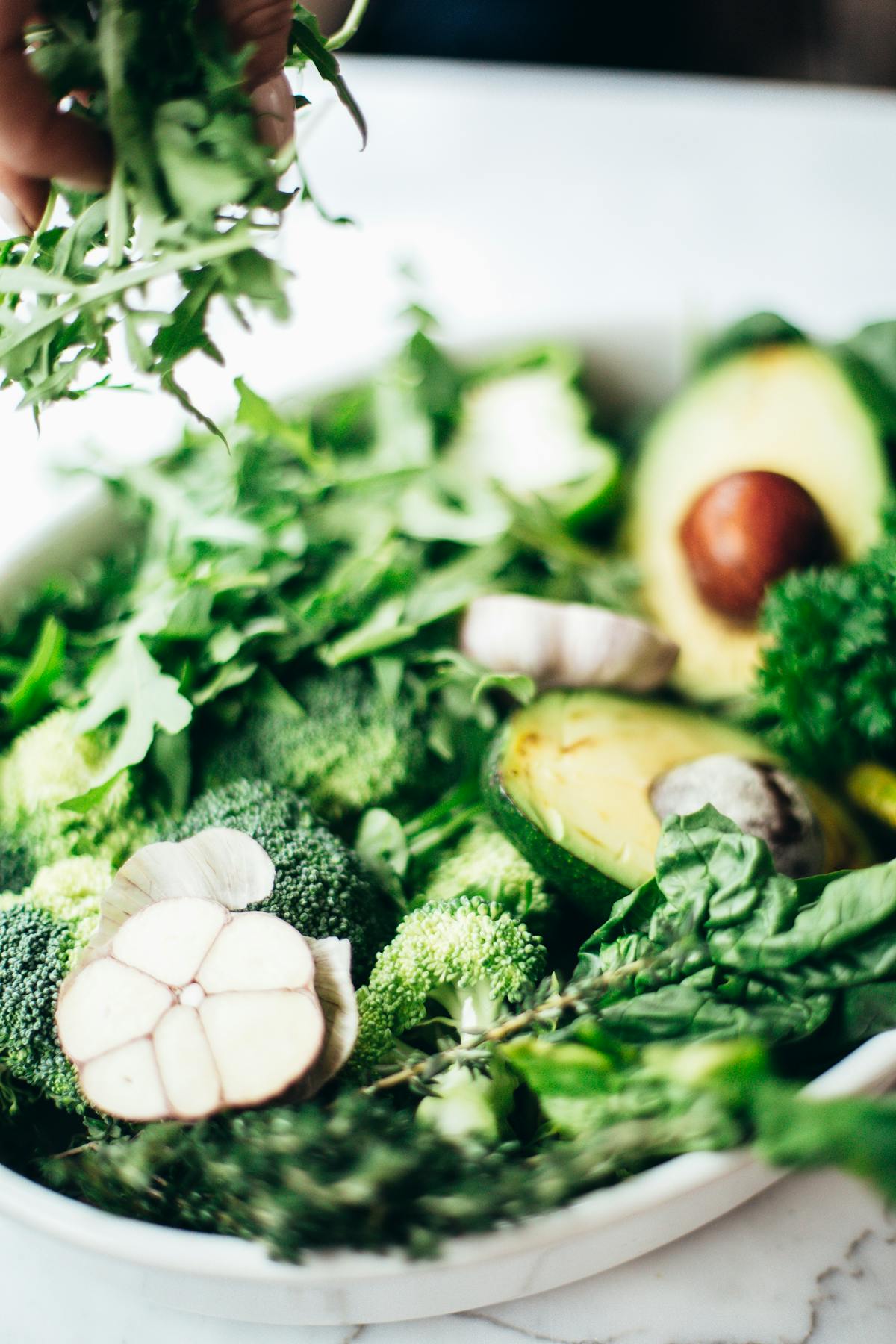
Celebrity & Influencer Fuel: #HighProtein and #BodyRecomp
Scroll through #highprotein, #bodyrecomp, or #whatIeatinaday on any platform, and you’ll see the same pattern: plates packed with lean protein, colorful produce, and modest portions of slow‑burning carbs.
Actors prepping for action roles, musicians training for tour stamina, and fitness influencers all tend to showcase similar staples:
- Egg‑white omelets loaded with veggies
- Chicken, turkey, or tofu bowls with quinoa or brown rice
- Greek‑yogurt parfaits with berries and nuts
- Smoothies boosted with protein powder and leafy greens
- High‑protein snacks like cottage cheese, edamame, or protein yogurts
Underneath the glossy videos is a core cooking idea: keep meals simple, repeatable, and satisfying. That’s something any home cook can borrow, no six‑pack required.

A Day of Balanced High‑Protein, Moderate‑Carb Eating
Here’s how a realistic, delicious day might look. These aren’t strict rules—just a template you can season to your own tastes and culture.
Breakfast: Savory Egg‑White Veggie Scramble
Fluffy egg whites cooked with sautéed spinach, bell peppers, and onions, topped with a sprinkle of feta. Serve with a slice of whole‑grain toast or a small roasted sweet potato if you’re active in the morning.
Lunch: Grilled Chicken & Quinoa Power Bowl
Tender grilled chicken breast over a bed of quinoa, cucumbers, cherry tomatoes, and shredded carrots, drizzled with lemon‑tahini dressing. The bowl is bright, zesty, and texturally satisfying.
Snack: Greek Yogurt Parfait
Thick, tangy Greek yogurt layered with blueberries, sliced strawberries, and a spoonful of chopped nuts or seeds. Naturally sweet, creamy, and crunchy all at once.
Dinner: Salmon with Roasted Veg & Lentils
Crisp‑edged salmon fillet brushed with olive oil, garlic, and herbs, served over warm lentils and a tray of roasted broccoli, zucchini, and red onion. It’s rich without feeling heavy, with a lovely balance of protein, fiber, and healthy fats.
How to Build a Balanced High‑Protein Plate (Simple Formula)
For home cooks, a simple visual template can make meal planning much easier:
- Anchor with protein (¼–⅓ of the plate) – Chicken, fish, tofu, tempeh, lentils, eggs, Greek yogurt, cottage cheese, or lean beef/pork. Aim for roughly 20–40 g of protein at main meals, depending on your size and needs.
- Add fiber‑rich carbs (¼ of the plate) – Beans, lentils, quinoa, brown rice, oats, potatoes, or whole‑grain bread. If you’re less active, keep the portion modest; if you’re training hard, you can increase it.
- Fill the rest with vegetables and/or fruit – Raw, roasted, sautéed, or grilled. Mix colors for a bigger range of nutrients.
- Finish with healthy fats – A drizzle of olive oil, a few slices of avocado, or a sprinkle of nuts/seeds for flavor and satiety.
Season aggressively—salt, acid (lemon, vinegar), herbs, spices, garlic, and chili make high‑protein meals just as irresistible as any comfort food.
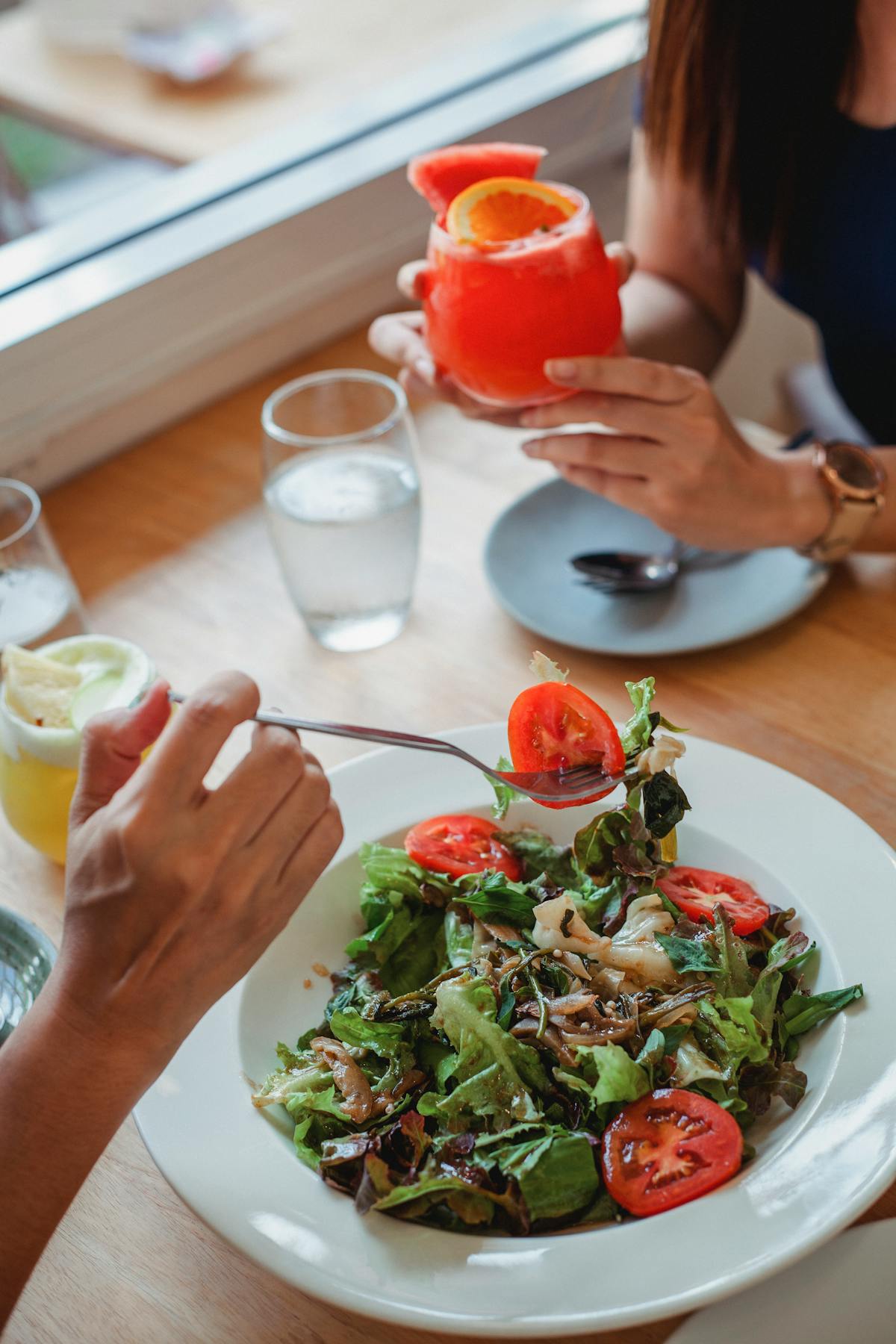
Meal Prep, Storage, and Reheating Tips for High‑Protein Meals
High‑protein, moderate‑carb eating pairs beautifully with meal prep, which is why it’s so popular in fitness circles. A few practical guidelines:
- Cook proteins in bulk – Roast a tray of chicken breasts, bake tofu, or cook a pot of lentils. Cool quickly and store in airtight containers in the fridge for up to 3–4 days.
- Keep carbs and sauces separate – Store quinoa/rice and sauces separately to avoid sogginess. Combine right before reheating or serving.
- Reheat gently – Use medium‑low heat on the stovetop or a quick microwave reheat with a splash of water or broth to keep things moist.
- Freshen with toppings – Add fresh herbs, a squeeze of lemon, crunchy nuts, or raw veggies after reheating to bring meals back to life.
Getting Started: Gentle Steps Toward High‑Protein, Low‑Carb 2.0
You don’t need to overhaul your entire pantry overnight. Try these small, cook‑friendly shifts:
- Make one meal per day protein‑forward—breakfast is often easiest.
- Add, don’t just subtract: add veggies and protein to your usual dishes before shrinking carb portions.
- Swap a couple of refined snacks (cookies, chips) for yogurt, fruit with nuts, or hummus with veggies.
- Experiment with protein‑rich plant foods like lentils, chickpeas, tofu, or edamame once a week.
Over time, your everyday cooking rhythm will naturally shift: more sizzles from chicken or tofu in the pan, more color from veggies on the tray, and a little less reliance on white breads and sweets. The goal isn’t perfection—it’s a pattern you can happily stick with for years.
