
High‑Protein Lemon Herb Salmon Bowl: An Ozempic‑Friendly Comfort Recipe
This high-protein lemon herb salmon bowl is designed with GLP‑1 medications like Ozempic, Wegovy, and Mounjaro in mind: it’s gentle on the stomach, rich in protein and fiber, and deeply satisfying even in smaller portions, so you can enjoy real food while supporting muscle, energy, and long‑term health.
GLP‑1 weight‑loss drugs are changing how many of us eat. With appetite turned down low, every bite suddenly matters so much more. I created this Ozempic‑friendly salmon grain bowl after working with clients who wanted something cozy and comforting, but not greasy or heavy. Think: tender baked salmon, warm garlicky quinoa, crisp cucumbers, juicy cherry tomatoes, and a velvety Greek yogurt lemon sauce that ties everything together.
The flavors are bright and Mediterranean‑inspired—zesty lemon, fresh dill, peppery olive oil—but the technique is beautifully simple. This is a bowl you can throw together on a weeknight, portion into meal‑prep containers, and reheat gently without losing its charm. It’s naturally gluten‑free, high in protein, and easy to adapt for lower‑fat or dairy‑free needs.


Quick Recipe Snapshot
Recipe name: Lemon Herb Salmon Grain Bowl (Ozempic‑Friendly, High‑Protein)
Prep time: 20 minutes
Cook time: 20 minutes
Total time: 40 minutes
Servings: 4 bowls (or 6–8 smaller GLP‑1 portions)
Difficulty: Easy–Moderate (great for weeknights and meal prep)
Best for: GLP‑1 users (Ozempic, Wegovy, Mounjaro), high‑protein diets, blood‑sugar‑friendly meals, gluten‑free.
Ingredients
The amounts below make about 4 standard bowls. If you’re on a GLP‑1 and eat very small portions, this can easily stretch to 6–8 mini‑meals.
For the lemon herb salmon
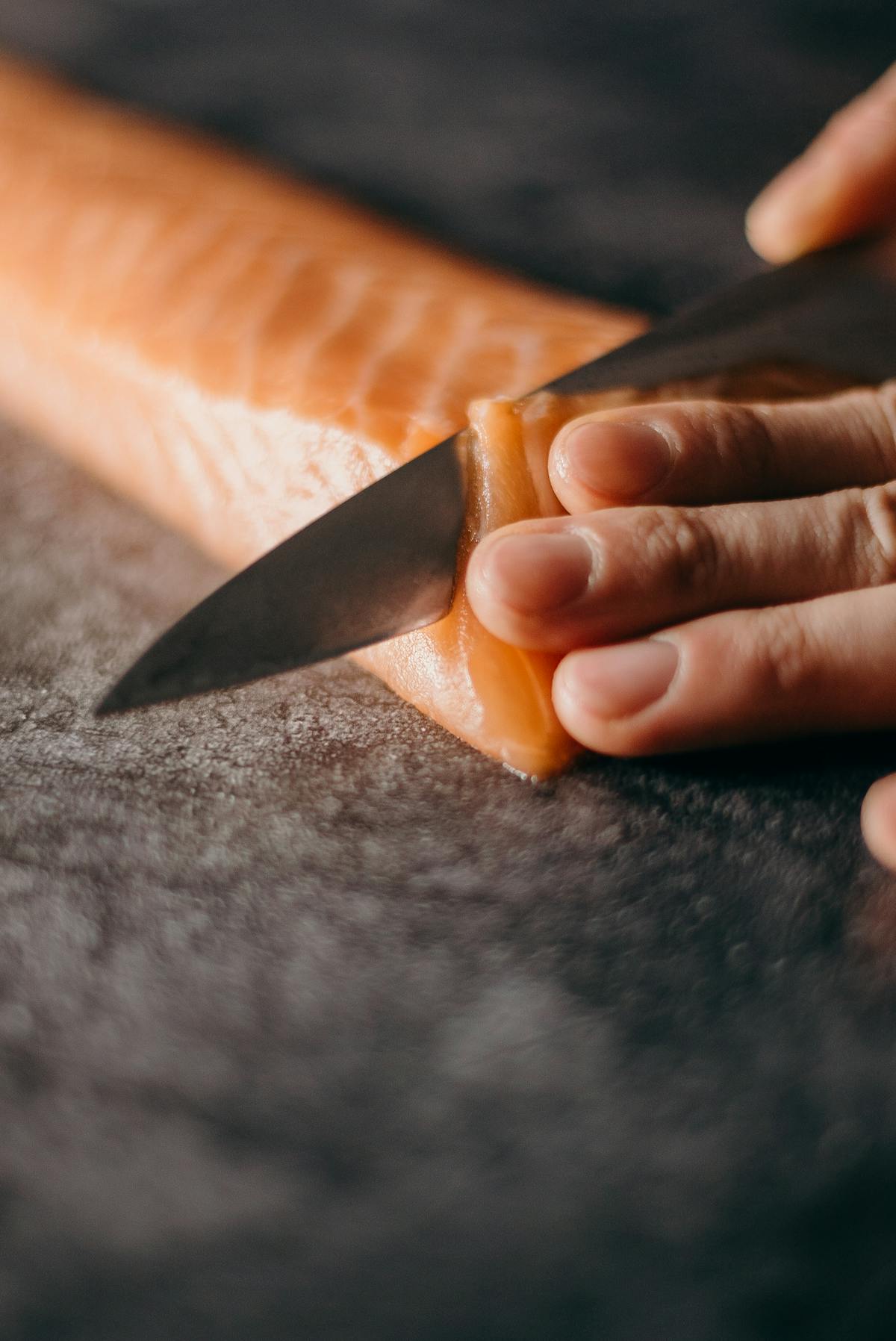
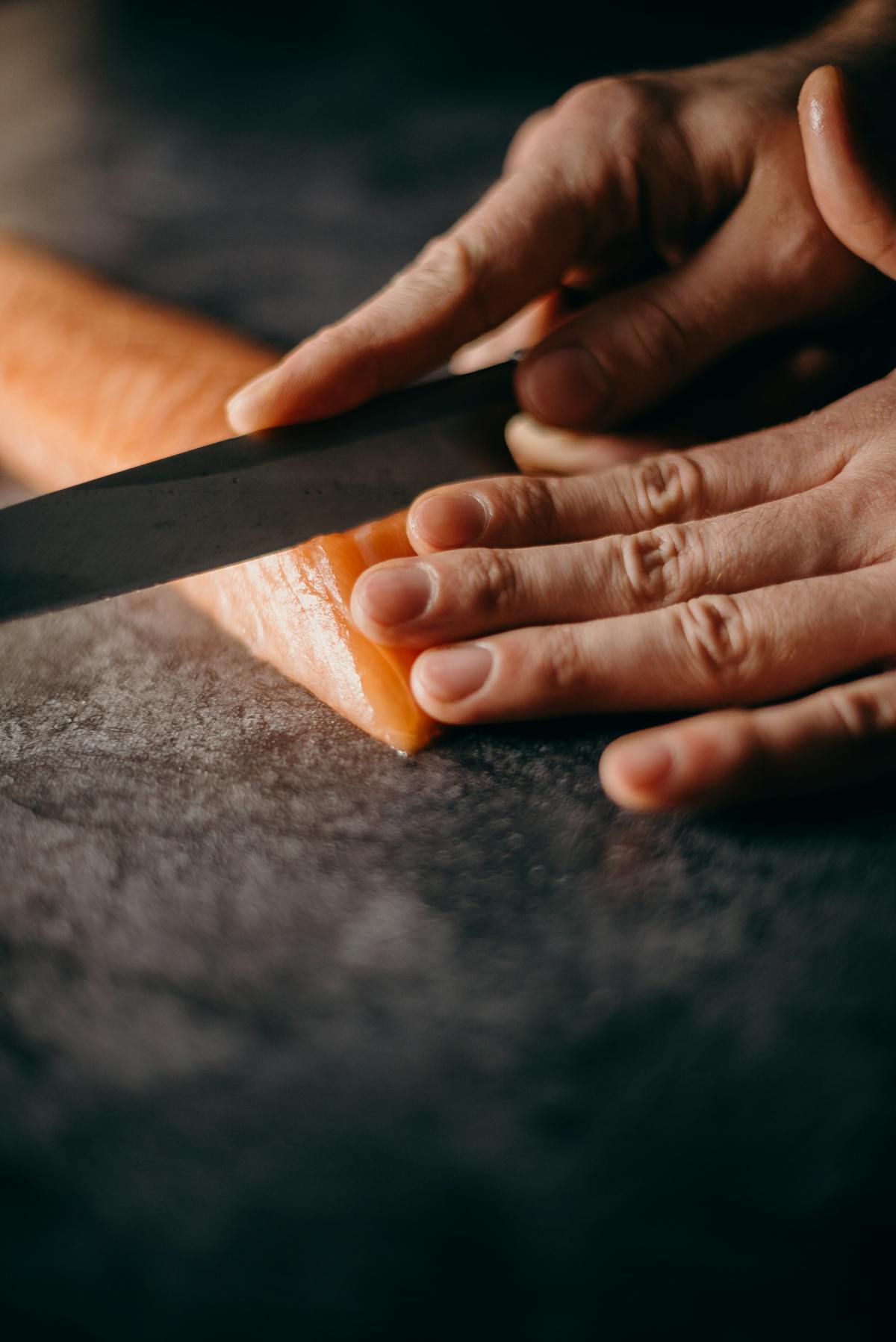
- 1.25–1.5 lb (570–680 g) skinless salmon fillet, cut into 4 pieces
- 2 tbsp extra‑virgin olive oil (or 1 tbsp for lower‑fat)
- 2 tbsp fresh lemon juice (about 1 lemon)
- 1 tsp lemon zest (optional but highly recommended)
- 2 cloves garlic, finely minced or grated
- 1 tsp dried oregano or Italian seasoning
- 1 tbsp fresh dill, chopped (or 1 tsp dried dill)
- 1/2 tsp fine sea salt (or to taste)
- 1/4 tsp freshly ground black pepper
For the quinoa base
- 1 cup (180 g) dry quinoa, rinsed well
- 2 cups (480 ml) low‑sodium vegetable or chicken broth (or water)
- 1 tsp olive oil or neutral oil
- 1 small garlic clove, minced
- Pinch of salt, to taste
For the vegetables & toppings
- 1 cup cucumber, diced (Persian or English cucumbers are great)
- 1 cup cherry or grape tomatoes, halved
- 1 small red onion, very thinly sliced (or 2–3 green onions, sliced)
- 2 cups (loosely packed) baby spinach or mixed greens
- 2–3 tbsp fresh parsley, chopped
- Optional: 1/4 cup crumbled feta cheese (use reduced‑fat if desired)
- Optional crunch: 2 tbsp toasted pumpkin seeds or slivered almonds
For the Greek yogurt lemon sauce
- 3/4 cup (180 g) plain Greek yogurt (2% or fat‑free, as tolerated)
- 1.5–2 tbsp fresh lemon juice
- 1 tsp olive oil (optional, for silkier texture)
- 1 small garlic clove, very finely minced or grated
- 1–2 tbsp fresh dill, chopped (or 1 tsp dried dill)
- 1/4 tsp salt, plus more to taste
- 2–3 tbsp water, to thin to drizzleable consistency
Equipment
- Large baking sheet lined with parchment paper or foil
- Medium saucepan with lid for quinoa
- Small mixing bowl for marinade
- Small bowl or jar for sauce
- Cutting board and sharp knife
- Measuring cups and spoons
Step‑by‑Step Instructions
Move at your own pace—there’s no rush. If you tend to feel queasy on Ozempic or similar meds, cook when you’re feeling your best (often earlier in the day) and simply reheat gently later.
- Preheat and prepare.
Preheat your oven to 400°F (200°C). Line a baking sheet with parchment paper or foil for easy cleanup.
Pat the salmon pieces dry with paper towels—this helps the marinade cling and gives you a more tender texture. - Make the lemon herb marinade.
In a small bowl, whisk together the olive oil, lemon juice, lemon zest, garlic, oregano, dill, salt, and pepper until well combined. It should smell bright, citrusy, and garlicky. - Marinate the salmon.
Place the salmon on the prepared baking sheet. Spoon or brush the marinade evenly over each piece, coating the tops and sides.
Let the salmon sit at room temperature for 10–15 minutes while you start the quinoa. This short rest infuses flavor without any fuss. - Cook the quinoa base.
Rinse the quinoa under cold water in a fine‑mesh strainer to remove bitterness.
In a medium saucepan, warm 1 tsp oil over medium heat. Add the minced garlic and sauté for about 30 seconds until fragrant (do not brown).
Add the rinsed quinoa and toast it for 1–2 minutes, stirring, until it smells slightly nutty. Pour in the broth (or water) and a pinch of salt.
Bring to a gentle boil, then reduce heat to low, cover, and simmer for 15 minutes, or until the liquid is absorbed and quinoa is fluffy. Turn off heat and let it sit, covered, for another 5 minutes. - Bake the salmon.
Once the quinoa is simmering, slide the marinated salmon into the preheated oven.
Bake for 10–14 minutes, depending on thickness, until the fish flakes easily with a fork and is just cooked through (an internal temperature of about 125–130°F / 52–54°C for moist salmon).
If you’re sensitive to dry textures, avoid overbaking—the juicier the salmon, the easier it is to enjoy even with a low appetite. - Mix the Greek yogurt lemon sauce.
While the salmon finishes, add the Greek yogurt, lemon juice, olive oil (if using), garlic, dill, and salt to a small bowl.
Whisk until smooth, then stir in 2–3 tbsp water, a little at a time, until the sauce is thin enough to drizzle but still creamy.
Taste and adjust with more lemon or salt as you like. It should be bright, cool, and gently tangy. - Prep the veggies and fluff the quinoa.
Dice the cucumber, halve the tomatoes, and slice the red onion thinly. Roughly chop the parsley and wash your greens.
When the quinoa is done, uncover, fluff gently with a fork, and let the steam escape. You can stir in a handful of chopped parsley or spinach for extra color and nutrients. - Assemble the bowls.
Divide the quinoa among 4 bowls (or into several small containers if you prefer mini‑meals). Add a handful of greens to each one.
Top with cucumber, tomatoes, and a few slices of onion. Sprinkle with parsley, feta (if using), and seeds or nuts for crunch.
Gently flake the baked salmon into large, tender pieces and arrange on top of each bowl. - Finish with sauce and serve.
Drizzle each bowl with the Greek yogurt lemon sauce, or serve it on the side if your appetite is variable and you prefer controlling the richness.
Add a lemon wedge for squeezing at the table. Taste, then season lightly with extra salt and pepper if needed.
Serving Suggestions & Flavor Variations
This lemon herb salmon bowl is a flexible template. Once you’re comfortable with the base recipe, you can riff on it depending on the season, your taste buds, and how your stomach is feeling on your GLP‑1 medication.
What to serve with your salmon bowl
- Simple side soup: A light vegetable or lentil soup can add warmth and hydration without being too heavy.
- Extra greens: Pair with a small side salad dressed in lemon and a tiny drizzle of olive oil for more fiber.
- Fruit finish: A few berries or orange slices make a refreshing, antioxidant‑rich dessert that’s easy on blood sugar.
Seasonal & flavor twists
- Spring: Add lightly steamed asparagus tips and peas; swap dill for fresh tarragon.
- Summer: Use ripe cherry tomatoes, fresh corn cut off the cob, and basil instead of dill.
- Fall: Stir roasted cubes of butternut squash into the quinoa for extra sweetness and fiber.
- Winter: Add finely shredded kale and roasted Brussels sprouts for a heartier, cozy bowl.
- Spice lovers: Add a pinch of red pepper flakes to the marinade or a swirl of harissa into the yogurt sauce—just avoid overdoing spice if your stomach is sensitive.
Nutrition, Storage & Reheating Tips
Exact nutrition will vary, but each full bowl generally lands around:
- Protein: ~30–35 g (helps protect muscle and supports fullness)
- Carbohydrates: ~35–45 g, mostly from quinoa and vegetables
- Fat: ~15–20 g, mostly heart‑healthy fats from salmon and olive oil
- Fiber: ~6–8 g, depending on veggie amounts and seeds
Storage
- Store the salmon, quinoa, and veggies together in airtight containers in the fridge for up to 3 days.
- Keep the yogurt sauce in a separate small jar or container so it stays fresh and doesn’t make the bowl watery.
- If your appetite is small, portion into single‑serve containers so you can grab a ready‑to‑eat mini meal.
Reheating
- Microwave: Reheat quinoa and salmon together on medium power for 45–75 seconds, just until warm. Add fresh veggies and sauce after heating.
- Stovetop: Gently warm quinoa in a small pan with a splash of water, then add flaked salmon at the end to warm through.
- To keep things gentle on your stomach, avoid reheating until scorching hot; lukewarm to warm is often easier to tolerate on GLP‑1 meds.
