
High-Protein Snack Revolution: Cottage Cheese, Greek Yogurt & Smart Protein Treats That Actually Satisfy
High‑Protein Convenience: Cottage Cheese, Greek Yogurt & Protein‑Packed Snacks
Snackable, high‑protein foods like cottage cheese, Greek yogurt, skyr, and protein‑fortified snacks are having a major moment. They’re quick, satisfying, and wonderfully versatile—perfect for weight management, muscle maintenance, and steadier blood sugar, especially on busy days when you still want food that feels joyful and a little bit indulgent.
Why High‑Protein Snacks Are Everywhere Right Now
High‑protein diets aren’t new, but the convenience factor is what’s driving today’s trend. Scroll through TikTok, YouTube, or Instagram and you’ll see “high‑protein day of eating,” “macro‑friendly snacks,” and endless cottage cheese and Greek yogurt creations—no chef skills required.
- Weight management: Protein helps you feel full longer and preserve lean muscle when you’re in a calorie deficit.
- Fitness & body recomposition: Easy protein snacks help people hit daily protein goals without elaborate cooking.
- Blood sugar stability: Pairing carbs with protein often leads to gentler blood sugar curves and fewer energy crashes.
On Google Trends, searches like “high protein snacks,” “cottage cheese recipes,” “Greek yogurt high protein breakfast,” and “protein ice cream” stay consistently elevated. Listicles such as “25 high‑protein snacks under 200 calories” get huge engagement because they match what so many of us want: fast, tasty, protein‑rich ideas.
High‑Protein Snack Inspiration (Visual Guide)
To spark your creativity, here’s a visual tour of how cottage cheese and Greek yogurt can transform from plain tubs in the fridge into vibrant, protein‑packed snacks and mini‑meals.
Recipe: High‑Protein Cottage Cheese Yogurt Bowl (Sweet or Savory)
This flexible bowl combines cottage cheese and Greek yogurt for a creamy, satisfying base with 20–30 g of protein, depending on your toppings. It works as a quick breakfast, post‑workout snack, or light lunch, and you can steer it in a sweet or savory direction based on your mood.

Quick Summary
Prep time:
Cook time:
Total time:
Servings: 1 generous bowl
Difficulty: Easy (perfect for beginners)
Ingredients
For the high‑protein base:
- 1/2 cup (120 g) low‑fat or 2% cottage cheese
- 1/2 cup (120 g) plain Greek yogurt (2% or 0%, as you prefer)
- 1–2 tablespoons water or milk of choice, optional, to loosen the texture if blending
- Pinch of salt (especially helpful if making a savory version)
Sweet bowl topping ideas (choose 3–5):
- 1/2 cup fresh berries (strawberries, blueberries, raspberries)
- 1/2 small banana, sliced
- 1–2 teaspoons honey, maple syrup, or a sugar‑free sweetener
- 1–2 tablespoons chopped nuts (almonds, walnuts, pistachios)
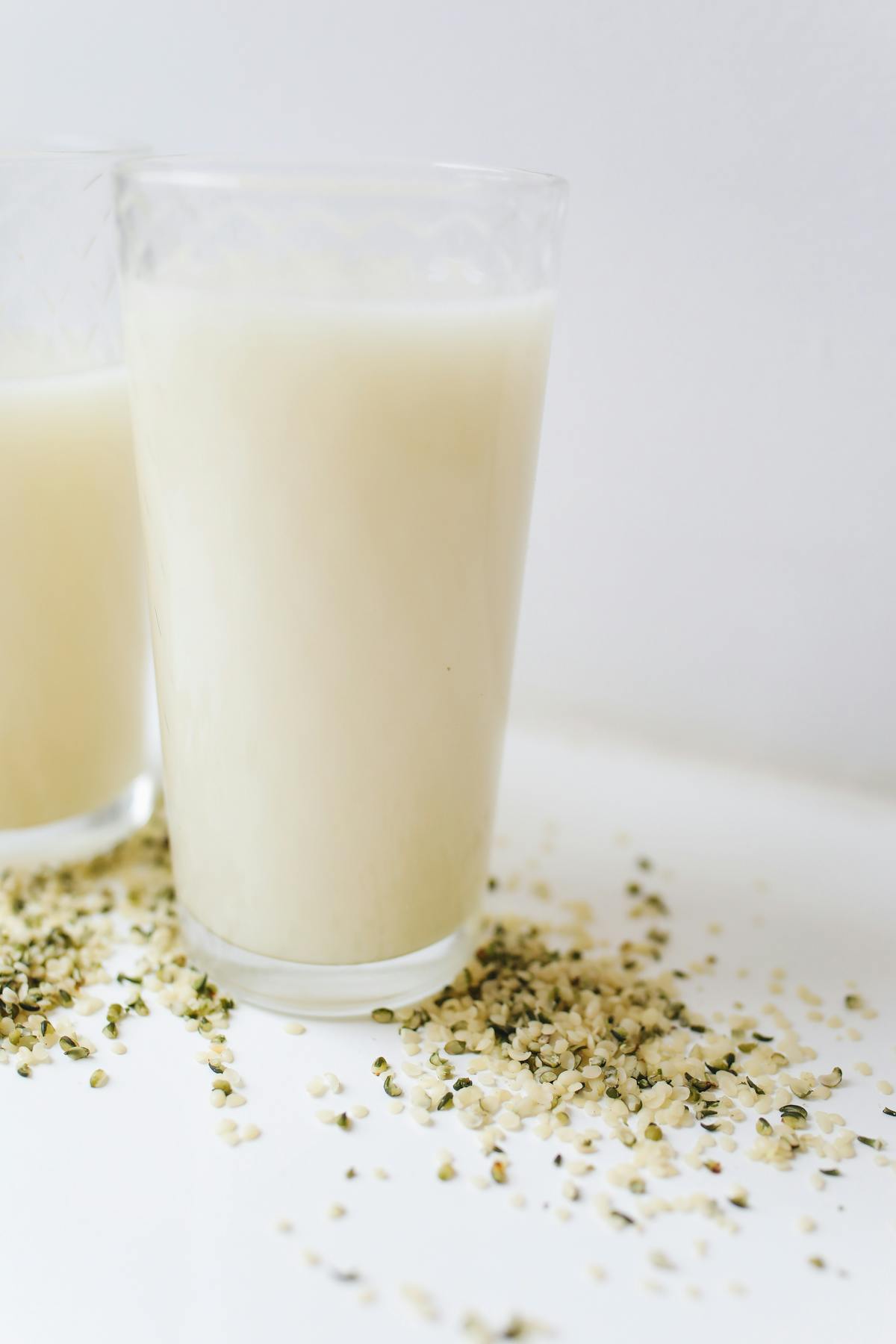
- 1 tablespoon seeds (chia, flax, hemp) for extra protein and fiber
- 1–2 tablespoons high‑protein granola
- 1 square (about 10 g) dark chocolate, finely chopped
Savory bowl topping ideas (choose 3–5):
- 1/2 cup chopped cherry tomatoes or cucumber
- 2–3 tablespoons grated carrot or sliced bell pepper
- 1 boiled egg, sliced or chopped (optional but very filling)
- 1 teaspoon olive oil and a squeeze of lemon
- Fresh herbs such as chives, dill, parsley, or basil
- Cracked black pepper, chili flakes, or everything bagel seasoning
- 2–3 whole‑grain crackers, crumbled on top
Equipment
- Medium bowl
- Spoon or small whisk
- Optional: Blender for a smoother, “whipped” texture
- Knife and cutting board for toppings
Step‑by‑Step Instructions
- Combine the base.
Add the cottage cheese and Greek yogurt to your bowl. Sprinkle in a tiny pinch of salt—it brightens flavor in both sweet and savory versions. - Choose your texture.
For a rustic, curdy texture, simply stir until combined. For a silky, dessert‑like base, blend the cottage cheese and yogurt with 1–2 tablespoons of water or milk until perfectly smooth and fluffy. - Sweet version: layer and swirl.
If making a sweet bowl, spoon half the base into your serving bowl, scatter in some fruit, then add the rest of the base. Drizzle with honey or maple syrup and gently swirl for a marbled effect. - Savory version: season and build.
For a savory bowl, stir in a touch of lemon juice, pepper, and herbs directly into the base. Top with chopped vegetables, egg (if using), and a drizzle of olive oil. - Add crunch and extra protein.
Finish with nuts, seeds, or high‑protein granola (for sweet) or crumbled whole‑grain crackers and extra herbs (for savory). Aim for a mix of soft, crunchy, creamy, and juicy elements. - Taste and adjust.
Take a small bite and adjust sweetness, salt, acid (lemon), or spice to your liking. This last 10 seconds turns a good bowl into a great one.
Storage & Make‑Ahead Tips
- Fridge: Store the mixed cottage cheese–yogurt base in an airtight container for up to 3 days.
- Keep toppings separate: For best texture, store fruits, vegetables, and crunchy elements separately and assemble right before serving.
- No reheating needed: This is a cold dish—just stir, taste, and top. If it thickens in the fridge, loosen with a splash of milk or water.
- Meal prep idea: Portion bases into small jars, then pack toppings in separate containers for grab‑and‑go breakfasts or office snacks.
Serving Suggestions & Pairings
Think of this bowl as a protein anchor for your day. To turn it into a more complete meal, you can:
- Pair a sweet bowl with a slice of whole‑grain toast and nut butter.
- Serve a savory bowl alongside a cup of vegetable soup or a small salad.
- Enjoy it as a post‑workout snack with a piece of fruit for extra carbs.
From “Diet Food” to Viral Hero: Cottage Cheese & Greek Yogurt’s Glow‑Up
For a long time, cottage cheese was that slightly sad tub in the supermarket—associated with old‑school diet plates and dry crackers. Social media has completely rewritten that story. Now you’ll see:
- Cottage cheese ice cream: blended with fruit and frozen for tangy, creamy scoops.
- Cottage cheese toast: piled on seedy sourdough with tomatoes, smoked salmon, or honey and fruit.
- Blended dips and sauces: cottage cheese whizzed with herbs, roasted peppers, or garlic to replace heavier cream‑based dips.
- High‑protein pancakes and waffles: cottage cheese folded into batter for extra protein and tenderness.
Greek yogurt and skyr have followed a similar path—no longer just a healthy breakfast option, but the backbone of “dessert‑for‑breakfast” bowls, protein cheesecakes, and whipped yogurt mousses topped with chocolate and berries.
Many creators now recommend starting the day with 25–30 g of protein—a target that’s surprisingly easy to hit when you lean on Greek yogurt, skyr, and cottage cheese as your base.
Protein‑Fortified Snacks: Helpful Shortcut or Marketing Hype?
Grocery shelves are now lined with high‑protein everything—yogurts, puddings, chips, bars, ice creams, and ready‑to‑drink shakes. They can be convenient, especially when you’re commuting, traveling, or rushing between meetings.
Health professionals, including many dietitians and physicians on YouTube and podcasts, often share a similar message:
- Read the label: Some “high‑protein” snacks hide a lot of added sugar, saturated fat, or artificial additives.
- Check protein quality: Look for clear protein sources (like dairy, soy, or whey) and enough grams per serving (often 10–20 g).
- Use them as a bridge, not the foundation: When possible, base your diet on minimally processed staples—Greek yogurt, cottage cheese, eggs, legumes, tofu, lean meats—and use fortified snacks as backup.
When you center your snacks around whole, protein‑rich foods and add fiber from fruits, vegetables, and whole grains, you’re naturally supporting satiety, muscle maintenance, and steadier energy.
Practical Tips for Building Satisfying High‑Protein Snacks at Home
You don’t need to cook elaborate meals to benefit from the high‑protein convenience trend. A few smart habits can keep your fridge and pantry ready for fast, satisfying snacks.
- Keep a “protein shelf” in your fridge: Stock Greek yogurt, cottage cheese, boiled eggs, tofu cubes, and precooked chicken or tempeh.
- Pair protein with fiber: Add fruit, veggies, or whole grains to help you stay full longer and support digestion.
- Embrace repetition with variation: The same cottage cheese bowl can feel new just by changing toppings—today berries and almonds, tomorrow tomatoes and herbs.
- Prep once, snack often: Wash and chop produce once or twice a week; portion nuts and seeds into small jars for quick grab‑and‑go boosts.
Most importantly, let these foods work for you. High‑protein snacks should feel comforting, flavorful, and easy—not like punishment or a short‑term “diet rule.” With a few base recipes like the cottage cheese–yogurt bowl in your back pocket, you’ll always have a delicious, protein‑rich option within reach.
