
Gut-Health Glow Bowl: A Colorful Fermented Feast for Your Microbiome
Gut-Health Rainbow Grain Bowl with Kimchi & Yogurt-Tahini Dressing
A microbiome-friendly, high-fiber, plant-forward bowl layered with fermented foods, prebiotic veggies, and a silky yogurt-tahini dressing—perfect for a satisfying lunch or dinner that loves your gut back.
Gut health has stepped into the spotlight, and honestly, the timing couldn’t be better—because it’s giving us an excuse to build bowls that are as vibrant and crunchy as they are nourishing. This Gut-Health Rainbow Grain Bowl leans into the latest microbiome research and food trends: think fermented kimchi or sauerkraut, prebiotic-rich veggies, whole grains, and a tangy probiotic yogurt-tahini drizzle.
I like to think of this dish as a “what I eat in a day for gut health” video, distilled into one generous bowl: lots of plant diversity, plenty of fiber, and a little funky zip from live-culture foods. It’s endlessly adaptable, friendly to beginner cooks, and it tastes like something you’d happily pay for at a trendy café—only this one is tailored exactly to your taste and your tummy.

Recipe Overview: Gut-Health Rainbow Grain Bowl
Prep Time: 20 minutes
Cook Time: 25 minutes (for grains)
Total Time: ~45 minutes
Servings: 2 hearty bowls
Difficulty: Easy
This recipe is naturally vegetarian and can easily be adapted to be vegan and gluten-free. It’s rich in dietary fiber, prebiotic ingredients, and fermented foods that align with current gut-health diet trends.
Why This Bowl Loves Your Gut: Fermented Foods, Fiber & the Microbiome
Behind the buzzwords, there’s real science driving the gut-health movement. Research on the gut microbiome—the trillions of microbes in your digestive tract—suggests they play a role in digestion, immune function, metabolic health, and even mood. While no single dish can “fix” your gut, patterns matter, and this bowl leans into three major themes:
- Fermented foods: Kimchi, sauerkraut, and yogurt with live cultures can deliver probiotic bacteria. Not every product is the same, but including a variety of fermented foods regularly is a tasty, practical strategy.
- Prebiotic fibers: Ingredients like onions, garlic, leeks, oats, and legumes feed beneficial gut bacteria. This bowl uses prebiotic-rich alliums and whole grains to keep your microbes happily munching.
- Plant diversity: A common recommendation is to enjoy “30+ different plants per week” to support a more diverse microbiome. Between the grains, vegetables, herbs, nuts, and seeds, this bowl helps you rack up that plant count in one meal.
Layer in polyphenol-rich foods like colorful vegetables, extra-virgin olive oil, and herbs, and you’ve got a bowl that lines up beautifully with both gut-health trends and longer-term evidence on healthy eating patterns.
Remember: there’s no single “miracle” gut-food. Think of this bowl as one delicious tile in the mosaic of a microbiome-friendly lifestyle.
Equipment You’ll Need
- Medium saucepan with lid (for cooking grains)
- Cutting board and sharp knife
- Mixing bowl (for dressing)
- Whisk or fork
- Measuring cups and spoons
- 2 wide, shallow bowls for serving
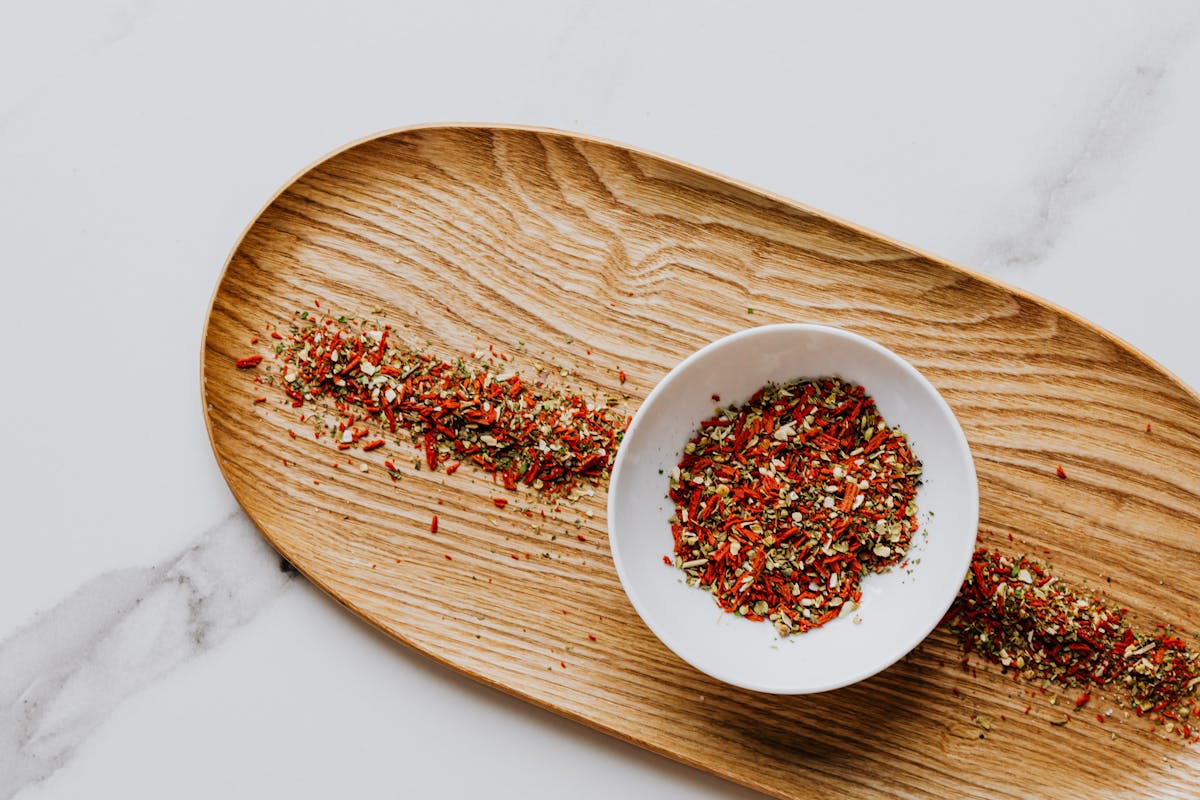
Ingredients for Gut-Health Rainbow Grain Bowl
The quantities below make 2 generous servings. Feel free to double for meal prep.
For the Grain Base
- 1 cup (190 g) cooked whole grains (e.g., quinoa, barley, farro, or brown rice)
- 2 cups (480 ml) water or low-sodium broth (for cooking grains; adjust per package)
- 1 tablespoon extra-virgin olive oil
- 1 small garlic clove, finely minced (prebiotic boost)
- Fine sea salt, to taste
For the Veggie & Protein Toppings
- 1 small carrot, julienned or grated
- 1/2 small red cabbage wedge, thinly sliced
- 1/2 medium cucumber, sliced or chopped
- 1 small avocado, sliced (healthy fats, creamy texture)
- 1/2 cup (90 g) chickpeas or other cooked legumes, drained and rinsed
- 2 tablespoons fresh herbs (such as parsley, cilantro, or dill), chopped
- 2 tablespoons toasted nuts or seeds (e.g., pumpkin seeds, sunflower seeds, walnuts)
Fermented “Gut-Glow” Toppings
- 1/2 cup (about 80 g) kimchi or raw sauerkraut with live cultures
- Optional: 2 tablespoons fermented pickles or other live-culture vegetables
Yogurt-Tahini Gut-Health Dressing
- 1/3 cup (80 g) plain yogurt with live and active cultures (Greek or regular)
- 2 tablespoons tahini
- 1 tablespoon extra-virgin olive oil
- 1 tablespoon lemon juice or apple cider vinegar
- 1 teaspoon honey or maple syrup (optional, to balance acidity)
- 1 small garlic clove, finely grated or crushed
- 2–4 tablespoons water, to thin to drizzleable consistency
- Sea salt and freshly ground black pepper, to taste
Step-by-Step Visual Guide

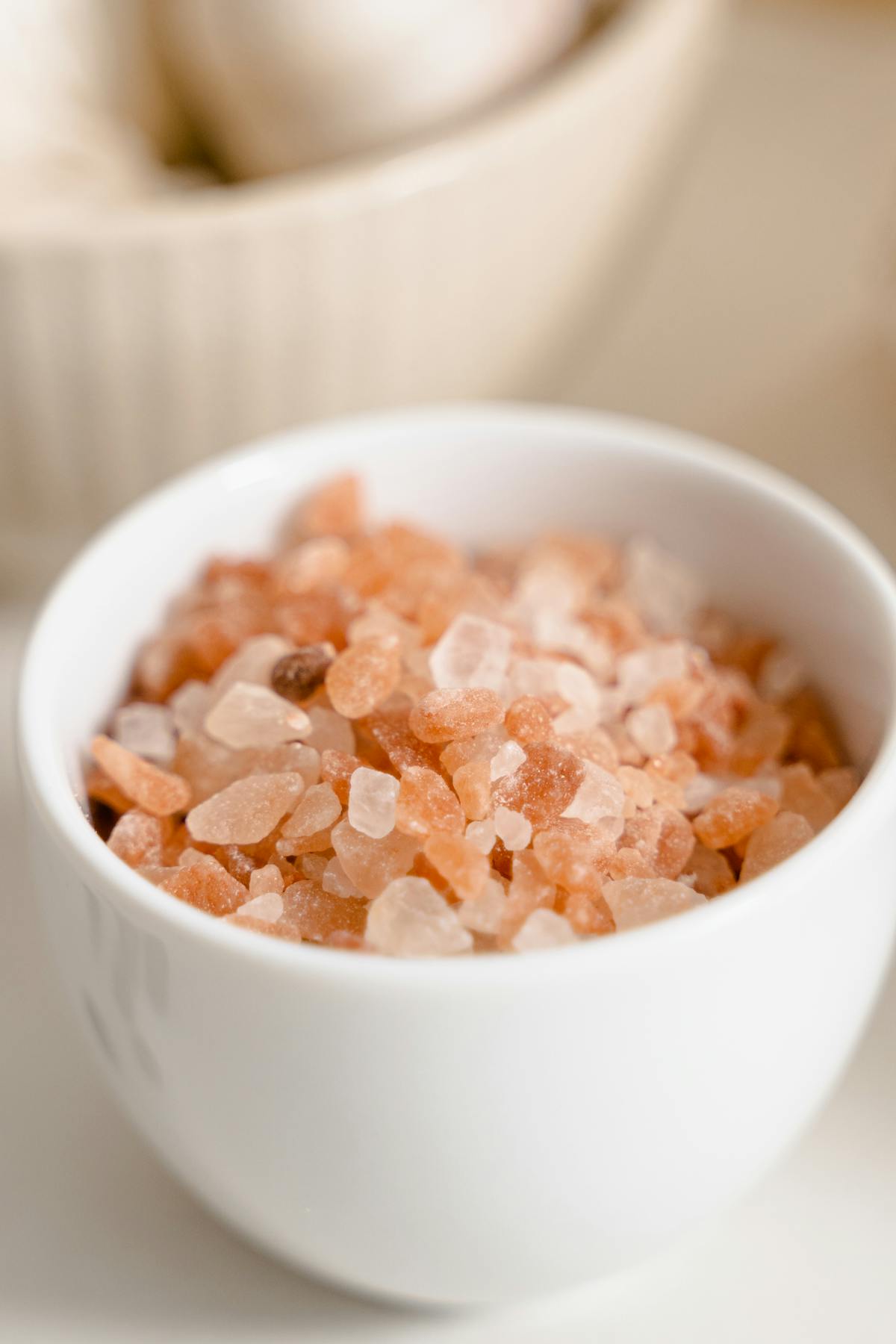
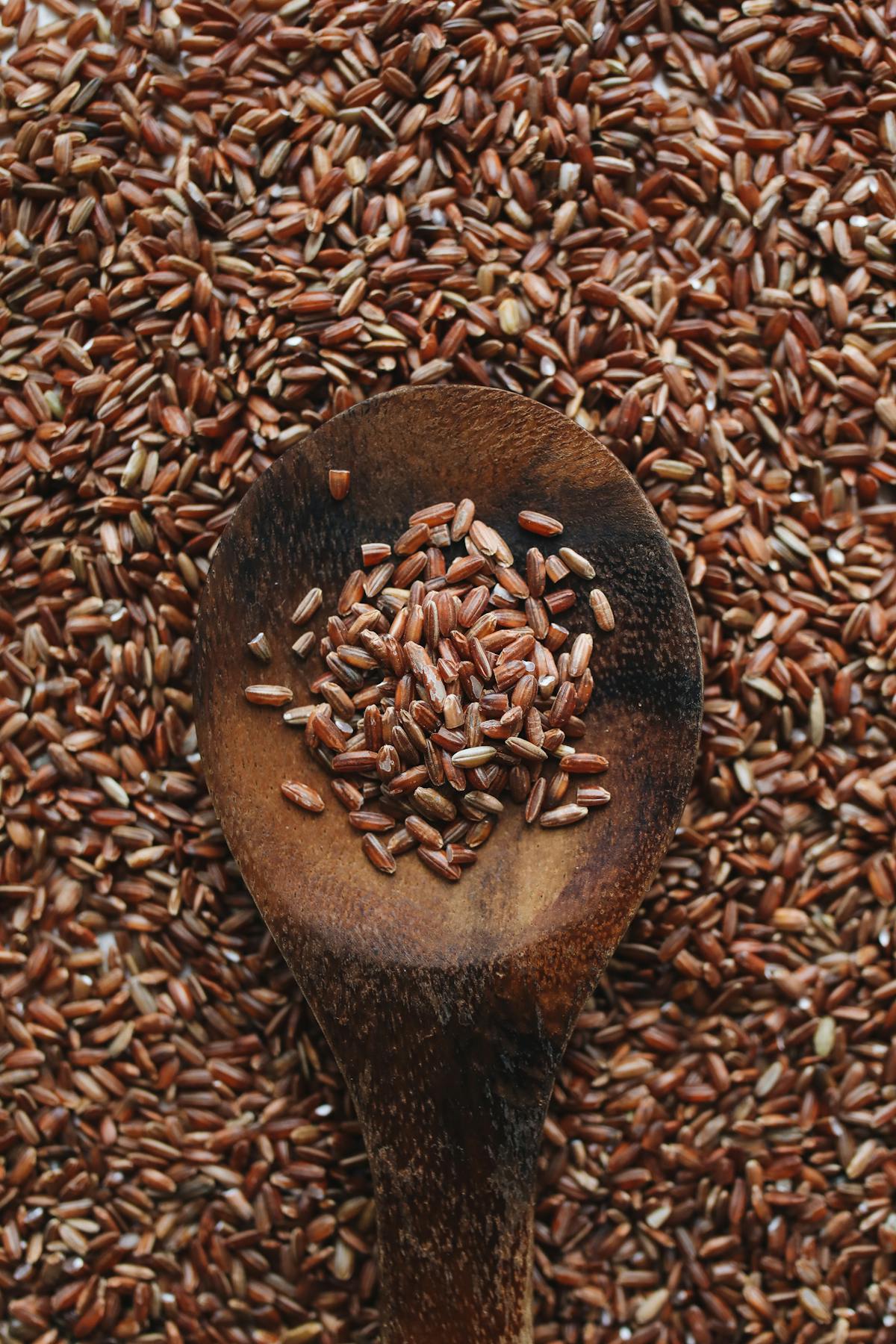
How to Make the Gut-Health Rainbow Grain Bowl
- Cook the whole grains.
Rinse your chosen grain under cool water if recommended on the package. In a medium saucepan, combine the grain with the appropriate amount of water or broth (for quinoa, use about 1 cup grain to 2 cups liquid). Add a pinch of salt. Bring to a boil, then reduce heat to low, cover, and simmer until tender and the liquid is absorbed (usually 15–25 minutes, depending on the grain). Fluff with a fork. - Infuse with prebiotic garlic and olive oil.
While the grains are still warm, stir in the olive oil and minced garlic. Season with a little more salt if needed. Let the grains cool slightly so they’re warm but not steaming hot—this keeps the fermented toppings happier later. - Prep the veggies and herbs.
Slice the red cabbage thinly, julienne or grate the carrot, chop the cucumber, slice the avocado, and roughly chop your chosen herbs. Arrange them in small piles on a plate or board so they’re ready for assembly. - Rinse and season the legumes.
Drain and rinse the chickpeas (or your legume of choice). Pat dry with a clean towel. If you like, toss them with a pinch of salt, pepper, and a drop of olive oil for extra flavor. - Make the yogurt-tahini dressing.
In a small mixing bowl, whisk together the yogurt, tahini, olive oil, lemon juice or vinegar, honey or maple (if using), and grated garlic until smooth. Add water, 1 tablespoon at a time, whisking, until the dressing is thick but pourable. Season with salt and pepper to taste. The flavor should be bright, tangy, and lightly nutty. - Warm (or not) your bowls.
Decide whether you want a warm, cozy bowl or more of a room-temperature salad vibe. You can lightly warm the grains in the microwave or leave them as they are; keep the fermented toppings cool or at room temperature to maintain their texture. - Assemble the bowls.
Divide the garlic-infused grains between two wide bowls. Arrange the red cabbage, carrot, cucumber, chickpeas, and avocado in separate sections on top of the grains, creating a colorful “rainbow” effect. Sprinkle over the herbs and nuts or seeds. - Add fermented toppings.
Gently spoon the kimchi or sauerkraut into one or two sections of each bowl. You can include a small amount of the brine for extra tang, but a little goes a long way. - Drizzle and serve.
Generously drizzle the yogurt-tahini dressing over the bowls, or serve it on the side for dipping and drizzling as you eat. Taste, then add an extra squeeze of lemon, a pinch of salt, or a crack of pepper if desired.
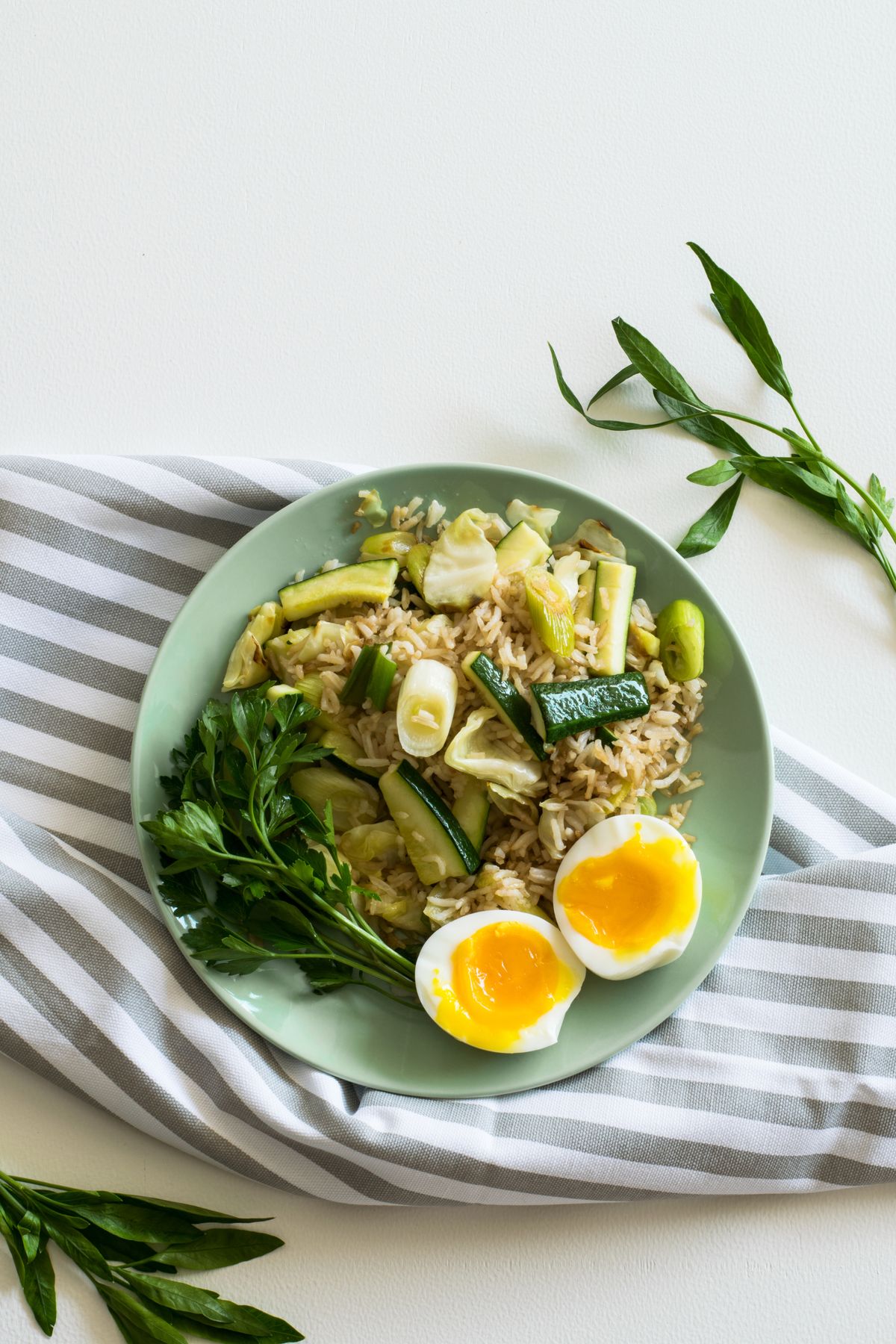
Ingredient Swaps & Dietary Adaptations
Make It Vegan
- Use a plain plant-based yogurt with live cultures (e.g., soy or coconut) in place of dairy yogurt.
- Sweeten the dressing with maple syrup or skip the sweetener entirely.
- Check that your kimchi is fish-free (no fish sauce or shrimp paste).
Make It Gluten-Free
- Choose naturally gluten-free grains such as quinoa, brown rice, buckwheat, or certified gluten-free oats.
- Verify that your fermented veggies and soy sauces (if using) are gluten-free.
Low-FODMAP Considerations
If you’re following a low-FODMAP or IBS-specific plan, some classic gut-health foods (like onion, garlic, chickpeas, and certain fermented products) may be triggering.
- Skip or reduce the garlic and use garlic-infused oil instead.
- Swap chickpeas for a smaller portion of firm tofu or tempeh (if tolerated).
- Use smaller servings of fermented cabbage or choose a low-FODMAP-friendly fermented option.
Customize the Plant Diversity
- Swap in roasted sweet potato, broccoli, or Brussels sprouts for a cozier, roasted version.
- Add berries, sliced grapes, or pomegranate seeds for a sweet-tart twist and extra polyphenols.
- Change up the herbs with mint, basil, or chives for a different aromatic profile.
Storage & Meal Prep Tips
This gut-health bowl is meal-prep friendly if you keep a few textures separate.
- Cooked grains: Store in an airtight container in the refrigerator for up to 4 days. A splash of water and a quick reheat in the microwave or on the stovetop brings them back to life.
- Chopped veggies: Cabbage, carrot, and cucumber can be prepped 2–3 days in advance and stored separately in sealed containers. Pat dry before adding to bowls to avoid sogginess.
- Dressing: Keeps well in the refrigerator for 3–4 days. It may thicken; thin with a spoonful of water and whisk before using.
- Fermented toppings: Keep in their original jars in the fridge and scoop out what you need just before serving to preserve their crunch.
- Assembled bowls: If you must assemble ahead, leave off the avocado, dressing, and fermented toppings until serving to keep everything fresh and bright.
For reheating, warm the grains and legumes, then add the cool veggies, avocado, and fermented foods on top—this contrast in temperatures is surprisingly satisfying.
Serving Ideas & Complementary Dishes
This gut-health bowl is a complete meal on its own, but you can easily build it into a themed menu:
- Pair with a simple miso soup for extra fermented goodness and cozy warmth.
- Serve alongside a green tea or lightly sweetened kombucha for a polyphenol-rich, microbiome-friendly drink.
- Finish with a small bowl of berries and dark chocolate for dessert—more fiber and polyphenols in the tastiest form.

However you serve it, the key is curiosity and enjoyment: experiment with new plants, rotate your fermented foods, and let your bowl be a playful expression of the gut-health diet—without rigid rules.
