
Gut Health 2.0: How Fermented Foods and Fiber‑Rich Recipes Supercharge Your Microbiome
Gut Health 2.0: Fermented Foods, Fiber‑Rich Diets, and the Microbiome
Gut health has grown up. Instead of chasing whatever probiotic pill is trending, more people are turning toward real food: crunchy, colorful salads; tangy kimchi and sauerkraut; nutty whole grains; and creamy yogurt that actually tastes alive. This science‑savvy “Gut Health 2.0” moment connects what’s on your plate with your microbiome, immunity, mood, and even weight—without pretending that one food can magically cure everything.
Think of your gut as a bustling food‑loving city: trillions of microbes, all hungry for the fibers, ferments, and plant diversity you choose each day. With a few simple, delicious recipes and a little kitchen confidence, you can feed that city well—no extreme diets required.

Why Gut Health Is Surging Again
The current gut‑health wave is different from earlier “take this probiotic” crazes. It’s more food‑focused, more evidence‑aware, and far more delicious. Here’s what’s fueling the trend:
- Mainstream microbiome talk: Popular books and podcasts have turned phrases like “diverse microbiome” and “short‑chain fatty acids” into everyday language, nudging people toward fiber‑rich, minimally processed meals.
- Immunity and long‑COVID: As people search for ways to support immune resilience and post‑viral recovery, gut health repeatedly comes up as a core pillar.
- Mood and the gut‑brain axis: The idea that your gut and brain “talk” to each other has made fermented foods and prebiotic fiber part of many mental‑wellness routines.
- Backlash against ultra‑processed foods: There’s growing skepticism toward ultra‑processed snacks and drinks, with traditional ferments and whole foods framed as the antidote.
The result? Fiber, beans, and cabbage are finally having their moment as everyday “super‑foods,” not punishment foods.
Key Gut‑Healthy Food Themes in 2026
Today’s gut‑health recipes are vibrant, comforting, and surprisingly simple once you understand the core building blocks.
1. Fermented “Super‑Foods”
Fermented foods add tang, fizz, and depth to meals while delivering live cultures and fermentation‑derived compounds. Popular choices include:
- Yogurt and kefir (dairy or plant‑based) with no or minimal added sugar
- Kimchi and sauerkraut—salty, crunchy, and satisfyingly funky
- Miso and tempeh for savory, umami‑rich plant‑based protein
- Kombucha and water kefir for a lightly fizzy, tart alternative to soda
- Sourdough bread made from naturally fermented starter
2. Prebiotic Fiber: Food for Your Microbes
Prebiotics are fibers that your body can’t digest—but your gut microbes adore. When they ferment these fibers, they produce short‑chain fatty acids that may support gut lining health, blood sugar balance, and inflammation regulation.
Common prebiotic‑rich foods include:
- Oats, barley, and rye
- Beans, lentils, and chickpeas
- Onions, garlic, leeks, and shallots
- Bananas (especially a little green), apples, and berries
- Jerusalem artichokes and chicory root
3. Plant Diversity: The “30 Plants per Week” Idea
Instead of obsessing about one perfect food, many gut‑health experts now encourage counting variety:
Aim for around 30 different plant foods each week—fruits, vegetables, whole grains, beans, lentils, nuts, seeds, herbs, and spices.
Each plant brings its own unique fibers and polyphenols, which can nurture different microbial species. A simple way to get there: sprinkle mixed seeds over breakfast, toss herbs into salads, and rotate your grains and beans.
4. Gentle on the Gut: Personalization Matters
For people with IBS or sensitive digestion, more fiber isn’t always better—at least not all at once. That’s why many “Gut Health 2.0” recipes spotlight:
- Low‑FODMAP options or swaps for high‑FODMAP ingredients
- Slow, gradual increases in fiber instead of overnight overhauls
- Cooking methods (like soaking, pressure cooking, and long simmering) that make beans and grains easier to tolerate
Your gut is unique, so any gut‑healthy eating plan should feel like a flexible framework, not a rigid rulebook.
Evidence‑Backed Benefits (and Realistic Expectations)
Research on the microbiome is evolving quickly, and there’s still plenty we don’t know. But several patterns are consistently supported:
- Higher fiber intake is associated with lower risk of cardiovascular disease, type 2 diabetes, and certain cancers.
- Fermented foods can modestly improve digestion for some people and may support markers of inflammation and immune function.
- A more diverse microbiome is often linked to better metabolic and immune health in observational studies.
At the same time, there are important caveats:
- Food first, supplements second: Many probiotic supplements haven’t been rigorously tested. A foundation of fermented foods, fiber, and varied plants is usually a more robust starting point.
- Individual variability: The same yogurt, bean, or garlic clove can soothe one person and trigger symptoms in another. Working with a registered dietitian or GI specialist can be invaluable.
- No miracle cures: Gut‑healthy diets can support overall wellbeing, but evidence‑based communicators warn against any plan that promises to “fix” complex conditions overnight.
Recipe: Gut‑Healthy Kimchi & Tempeh Grain Bowl
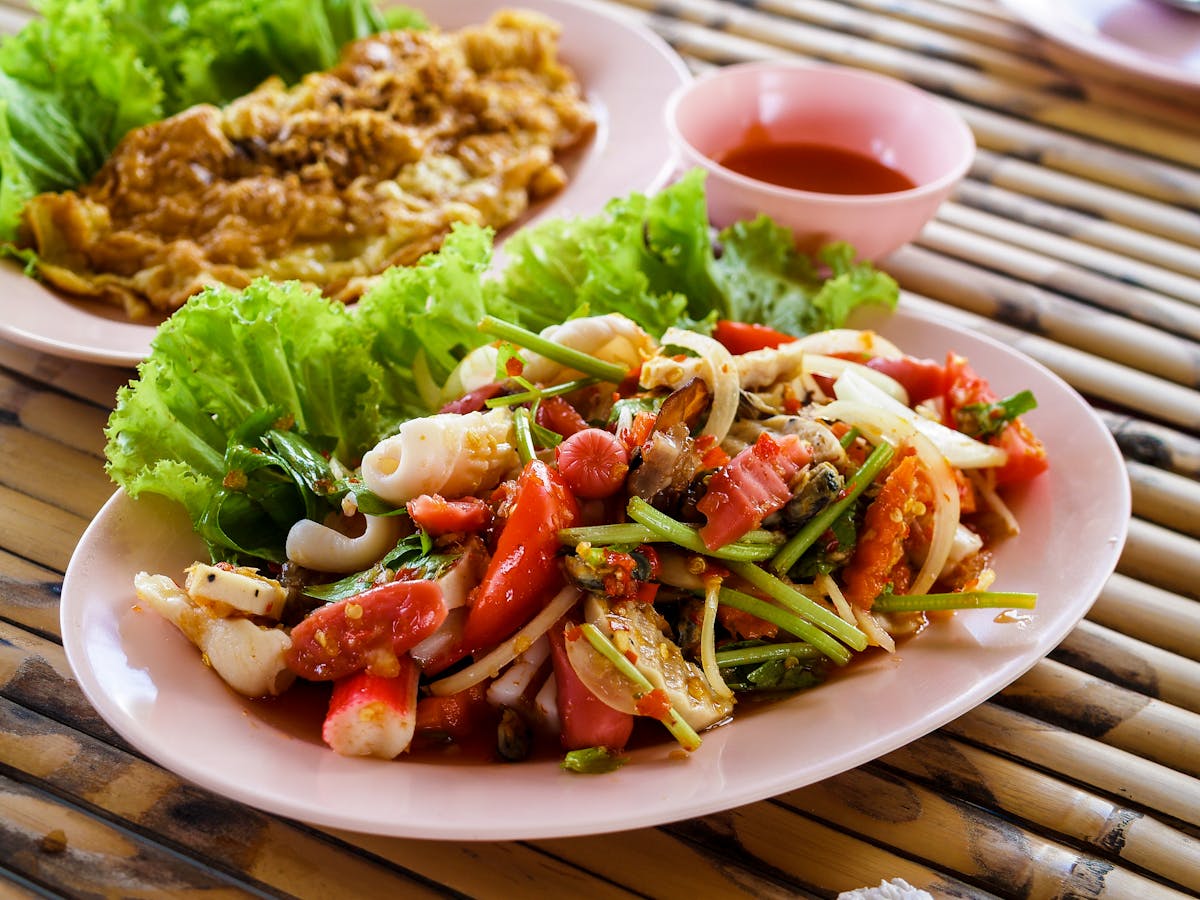
This vibrant kimchi and tempeh grain bowl brings together many Gut Health 2.0 themes: fermented vegetables, fiber‑rich whole grains and beans, plant diversity, and plenty of color. It’s naturally high‑fiber, vegetarian (easily vegan), and perfect for meal prep.
Quick Recipe Snapshot
- Prep time: 20 minutes
- Cook time: 25–30 minutes
- Total time: ~45–50 minutes
- Servings: 4 bowls
- Difficulty: Easy
- Diet: High‑fiber, vegetarian, easily vegan
Equipment You’ll Need
- Medium saucepan with lid (for grains)
- Non‑stick or cast‑iron skillet
- Cutting board and sharp knife
- Mixing bowl
- Measuring cups and spoons
- Four serving bowls
Ingredients (4 Servings)
For the Grain Base
- 1 cup (180 g) uncooked brown rice or barley (or a mix)
- 2 cups (480 ml) water or low‑sodium vegetable broth
- Pinch of sea salt
For the Tempeh & Beans
- 7–8 oz (200–225 g) tempeh, sliced into thin strips or cubes
- 1 cup (160 g) cooked beans (such as black beans, cannellini, or lentils), rinsed and drained if canned
- 1 tbsp olive or avocado oil
- 1 tbsp tamari or low‑sodium soy sauce
- 1 tsp toasted sesame oil (optional, for flavor)
- 1 small garlic clove, minced (optional if sensitive to FODMAPs)
Vegetables & Fermented Toppings
- 1 cup (about 100 g) shredded red or green cabbage
- 1 medium carrot, julienned or grated
- 1 small cucumber, thinly sliced
- 1 cup (about 120 g) kimchi or sauerkraut (choose unpasteurized if possible)
- 2 green onions, thinly sliced (green tops only for low‑FODMAP)
- 1 small avocado, sliced (optional creaminess and healthy fat)
Gut‑Friendly Dressing
- 3 tbsp extra‑virgin olive oil
- 2 tbsp rice vinegar or apple cider vinegar
- 1 tbsp tamari or low‑sodium soy sauce
- 1–2 tsp maple syrup or honey (optional, for balance)
- 1 tsp freshly grated ginger
- 1 tsp sesame seeds (plus extra for topping)
Step‑by‑Step Cooking Instructions
Cook the grains.
Rinse the brown rice or barley under cool water. Add to a saucepan with 2 cups (480 ml) water or broth and a pinch of salt. Bring to a boil, then reduce heat to low, cover, and gently simmer until tender and the liquid is absorbed (about 25–30 minutes for brown rice; barley may vary). Fluff with a fork and keep warm.Prep the veggies.
While the grains cook, shred the cabbage, julienne or grate the carrot, and slice the cucumber, green onions, and avocado. Set each in small bowls so you can build your grain bowls assembly‑line style.Mix the dressing.
In a small bowl or jar, whisk together olive oil, rice vinegar, tamari, maple syrup or honey (if using), grated ginger, and sesame seeds until emulsified. Taste and adjust—add more vinegar for brightness or a pinch of salt if needed.Sauté the tempeh and beans.
Heat olive or avocado oil in a skillet over medium heat. Add the tempeh strips and cook for 3–4 minutes per side until golden. Stir in the beans, tamari, sesame oil, and garlic (if using). Toss for another 2–3 minutes, until everything is warmed and lightly glazed. Remove from heat.Lightly browning tempeh brings a nutty aroma and satisfying chew to your bowl. Warm or drain the kimchi.
If you prefer your bowl fully warm, spoon the kimchi or sauerkraut into a small pan and gently warm it on low for 1–2 minutes—don’t boil, as that may reduce live cultures. Otherwise, serve it cool straight from the jar for more crunch and tang.Assemble the bowls.
Divide the warm grains among four bowls. Arrange tempeh and beans on one side, a generous scoop of kimchi on another, then tuck in colorful piles of cabbage, carrot, cucumber, and avocado. Drizzle each bowl with dressing and sprinkle with extra sesame seeds and green onions.Layering colors and textures turns a simple gut‑healthy bowl into something you genuinely crave. Taste and adjust.
Before serving, taste a forkful of grains, tempeh, veggies, and kimchi together. Add an extra splash of vinegar, a pinch of salt, or a spoonful more kimchi if you want extra brightness and tang.
Storage, Meal Prep, and Reheating
This kimchi grain bowl is a meal‑prep dream. It holds up beautifully in the fridge, and the flavors deepen over time.
- Storage: Keep components in separate airtight containers in the fridge:
- Cooked grains: up to 4 days
- Tempeh and beans: up to 3–4 days
- Prepared veggies: 2–3 days (cabbage and carrot last longer than avocado)
- Kimchi or sauerkraut: follow jar instructions; usually several weeks after opening
- Dressing: up to 1 week
- Reheating: Warm grains and tempeh/beans in a skillet with a splash of water or broth, or in the microwave in short bursts, just until hot. Add kimchi and fresh veggies after heating to keep their crunch and (for kimchi) more live cultures.
- Pack‑ahead bowls: For work lunches, pack grains, beans/tempeh, and cabbage on the bottom, with cucumber and carrot on top. Keep kimchi and dressing in small separate containers to add just before eating.
Serving Suggestions and Complementary Dishes
Turn this grain bowl into a full gut‑healthy spread by pairing it with simple, fiber‑rich sides and refreshing ferments.
- Breakfast: Start the day with gut‑friendly overnight oats topped with mixed seeds, berries, and a spoonful of plain yogurt or kefir.
- Side dish: Serve a small plate of mixed fermented vegetables—kimchi, sauerkraut, and pickled carrots—alongside grilled fish or tofu.
- Drink pairing: Sip on unsweetened kombucha, water kefir, or simply water with a splash of apple cider vinegar (if tolerated) and a slice of citrus.
- Simple dessert: A bowl of sliced banana, kiwi, and berries with a sprinkle of ground flaxseed for extra prebiotic fiber and omega‑3s.
Bringing Gut Health 2.0 into Your Own Kitchen
You don’t need a perfect microbiome score or a cupboard full of expensive powders to take care of your gut. Instead, think in terms of small, enjoyable shifts:
- Add one fermented food most days—a spoonful of kimchi, a glass of kefir, or a slice of real sourdough.
- Gradually increase your fiber with beans, lentils, and whole grains, alongside plenty of water.
- Play plant bingo: aim to discover new fruits, veggies, herbs, or grains each week.
- Notice how your body responds, and work with healthcare professionals if you have ongoing symptoms.
Most of all, let curiosity and pleasure guide you. When your gut‑healthy meals are colorful, satisfying, and full of flavor, consistency becomes effortless—and your microbes will thank you with every delicious bite.
