
Green Day’s Super Bowl Set: Safe Punk at the Biggest Game on Earth
Green Day at the Super Bowl: When Punk Rock Meets the Corporate Main Stage
Green Day opened Super Bowl LX at Levi’s Stadium in Santa Clara with the kind of tight, crowd-pleasing set you expect from a Rock & Roll Hall of Fame band. But for anyone who grew up on the snarling, anti-authoritarian energy of Dookie or the Bush-era fury of American Idiot, the performance raised a pointed question: what does “punk” look like when you’re playing the most corporate, most scrutinized entertainment event in the United States?
According to a recent CNN report, the 1994 version of Billie Joe Armstrong “would never” have sanded off the band’s political edges for a stage like this. On Sunday, though, Green Day delivered a set built for maximum nostalgia and minimum controversy—energetic, fun, but notably light on the sharp political commentary that once defined them.

From Gilman Street to the Gridiron: How Green Day Got Here
To understand why this performance stirred such debate, you have to rewind to the early ’90s Bay Area punk scene. Green Day came out of 924 Gilman Street, a famously DIY, anti-corporate venue that championed underground ethics as much as the music itself. When Dookie exploded in 1994, they were accused of “selling out” simply for signing to a major label.
By the mid-2000s, with American Idiot, Green Day became one of the most visible politically outspoken bands in mainstream rock, openly criticizing the George W. Bush administration and post-9/11 American nationalism. Songs like “Holiday” and “American Idiot” weren’t subtle; they were designed to poke at televised patriotism—the exact vibe the Super Bowl has long been known for.
“I don’t want to be a part of the machine that’s selling this sanitized version of America.” – Billie Joe Armstrong, mid-2000s interview reflecting on American Idiot
The Super Bowl LX Set: High-Energy, Low-Conflict
The Super Bowl appearance was structured as a compact, high-impact hit parade: big choruses, familiar riffs, and nothing lyrically likely to raise network eyebrows or invite a flurry of complaint emails. The focus was clearly on broad appeal—more “everybody sing along” than “question the system.”
That’s not unique to Green Day. The NFL’s pregame and halftime slots are carefully staged products designed to be safe for an audience that includes kids, casual viewers, and advertisers paying millions per 30-second spot. Even artists with political reputations tend to sand down the edges on this stage. The question isn’t whether Green Day “sold out” on one night; it’s what it means when a generation’s protest band becomes part of the Super Bowl’s cultural wallpaper.
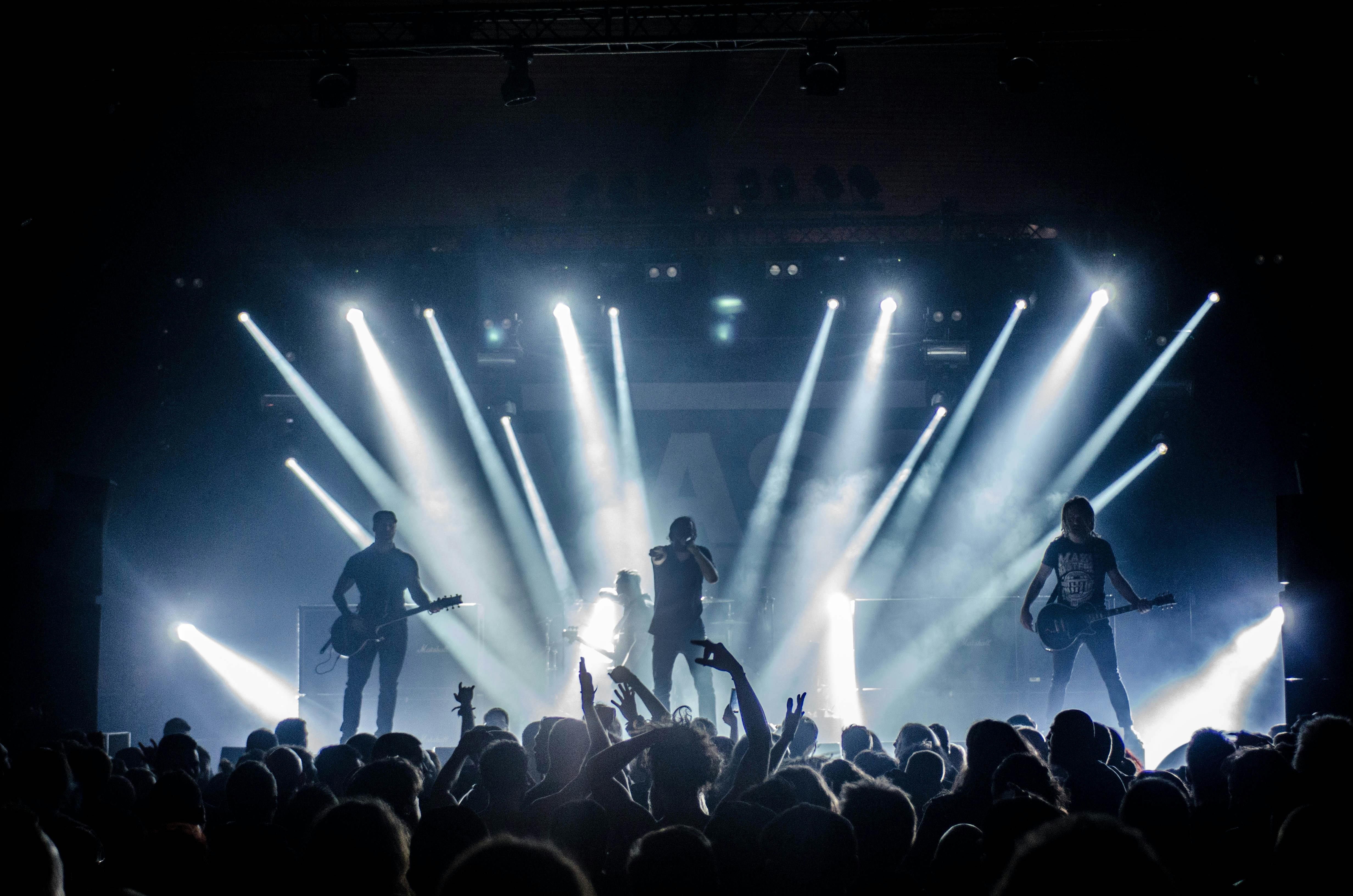
The CNN piece emphasizes what was missing from the set: the kind of direct political jabs that once defined the band’s live reputation. No pointed monologues, no altered lyrics, no surprise banners or visual statements—just a streamlined, nostalgic proof-of-concept that Green Day can still command one of the world’s biggest stages.
Pulling Punches or Playing the Long Game? Parsing the Politics
For fans who came of age chanting “Don’t wanna be an American idiot,” seeing Green Day go apolitical on the nation’s biggest TV event can feel like ideological whiplash. There’s an unavoidable tension between their history of protest and the intensely managed environment of an NFL broadcast.
At the same time, punk—and music culture in general—has always negotiated compromise when it scales up. The Clash played massive festivals. Rage Against the Machine signed to a major label. The difference here is visibility: the Super Bowl is peak American spectacle, wrapped in patriotism, military flyovers, and luxury brand ads. Opting not to say anything political in that space reads louder than staying quiet at an ordinary tour stop.
“The spectacle isn’t just on the field; it’s the way the broadcast turns culture into a commercial break between plays.” – media critic writing on Super Bowl halftime shows
It’s also worth acknowledging the practical side. Broadcast contracts, time delays, and sponsorship agreements mean artists are rarely operating with total freedom. Subtlety often wins out over confrontation because any unscripted political moment risks serious fallout—not just for the artist, but for the network and the league. Green Day, now a legacy act with decades of relationships in the industry, may simply be choosing their battles more selectively.
Nostalgia, Legacy, and the Economics of Safe Punk
There’s also an economic logic to what CNN describes as “pulling political punches.” Green Day in 2026 operates as a multigenerational brand: parents who bought Dookie on CD, teenagers who discovered them through Broadway’s American Idiot musical, and TikTok users bumping 30-second chorus clips. For a band in that position, the Super Bowl is less a soapbox and more a massive, free advertisement for catalog streams, tour tickets, and merch.
Nostalgia is a lucrative business model. Super Bowl programming increasingly leans into it—from the choice of halftime icons to the ads that resurrect older IP. In that environment, Green Day represents a kind of “safe rebellion”: punk-flavored but familiar, edgy in aesthetic but ultimately reassuring in its predictability. The music still hits, but the danger is largely gone.

That doesn’t erase the band’s earlier political work, but it does change how they function in the culture now. Instead of being the soundtrack to resistance, they’ve become part of the architecture of mainstream entertainment—one more familiar piece in the puzzle of America’s biggest unofficial holiday.
What Green Day’s Super Bowl Turn Says About the Music and TV Industries
The CNN article’s framing—“the 1994 Billie Joe would never”—isn’t just about one band. It’s about how the entertainment industry absorbs and repackages dissent. Over time, radical aesthetics get smoothed into brand identities, and once-confrontational artists are invited back as elder statesmen of a style that has been de-fanged for general consumption.
The NFL, for its part, has steadily adjusted its musical bookings to reflect shifting cultural tastes while still maintaining tight control over messaging. After controversies around national anthem protests and halftime choices, the league is acutely aware of how music can become a political flashpoint. Inviting Green Day signals openness to a punk lineage—but the terms are clear: bring the hits, leave the sharpest critiques at home.

In that light, Green Day’s decision—or acquiescence—to keep things non-controversial isn’t surprising. It’s emblematic of how even politicized artists operate once they’re plugged into the machinery of global live TV events, network standards, and multinational sponsorships.
Review: A Professional, Polished, Politically Quiet Performance
Judged purely as a musical performance, Green Day’s Super Bowl LX appearance did exactly what it set out to do: it was tight, tuneful, and instantly recognizable, with Billie Joe Armstrong still sounding convincing as a stadium-scale frontman decades into his career. The band moved with the confidence of veterans who know how to hit their marks under massive pressure.
- Strengths: Energetic delivery, crystal-clear hooks, and a setlist honed for maximum crowd participation.
- Weaknesses: A striking lack of edge, especially for a band with a fiercely political catalog; little sense of surprise or danger.
If you were tuning in for a nostalgia rush, it worked. If you were hoping for a subversive, once-in-a-lifetime statement on America’s grandest televised stage, this wasn’t it. CNN’s critique—that Green Day “pulled its political punches”—feels accurate, but also perhaps inevitable, given the constraints of the platform.
Rating: 3.5/5 – musically strong, culturally cautious.
Conclusion: Punk’s Past, Present, and Future on America’s Biggest Stage
Green Day’s Super Bowl LX set won’t go down as a seismic cultural moment, and that’s precisely why it’s fascinating. It marks the point at which a band that once defined itself against mainstream American spectacle now comfortably coexists with it, anchoring the pregame show instead of protesting outside the stadium.
Whether you see that as a betrayal of punk ideals or a realistic evolution for aging iconoclasts depends on how you think art and politics should age. What’s clear is that the Super Bowl remains a test of how much bite an artist is allowed to bring to a bite-sized performance. Green Day chose to play it mostly straight—and in doing so, they gave us a clear snapshot of where protest music sits in the entertainment-industrial complex of 2026.
The next time a politically charged artist signs on for a Super Bowl performance, Green Day’s appearance will be part of the context—an example of how far you can go, and how far you’re expected to pull back, when punk rock meets the most corporate show on Earth.
