GLP‑1 Diet Culture: What to Eat on Ozempic Without Losing Your Love of Food
GLP‑1 Diet Culture: Eating Around Ozempic, Wegovy & Mounjaro
GLP‑1 medications like Ozempic, Wegovy, and Mounjaro have reshaped the weight‑loss landscape—and with them, a whole new food trend has emerged: the “Ozempic diet”, “GLP‑1‑friendly meal plans,” and endless social media clips of what people eat in a day on these drugs. Behind the celebrity headlines and rapid before‑and‑after videos, there’s a quieter, more practical question many people are asking: What can I actually eat so I feel good, protect my health, and still enjoy food while on a GLP‑1?
This guide gathers the latest conversations (as of early 2026) from dietitians, researchers, and real‑world users to unpack GLP‑1 diet culture. We’ll look at how people are eating on these medications, common side effects and how food can help, the hype and the harms of viral “Ozempic diet” content, and realistic, evidence‑informed strategies you can adapt with your own healthcare team.
The Rise of GLP‑1 Diet Culture
Over the past few years, GLP‑1 agonists have moved from diabetes clinics into mainstream conversation. By 2026, they’re a constant presence in celebrity interviews, red‑carpet speculation, and TikTok confessionals. Alongside that attention, an entire diet culture specific to GLP‑1 users has bloomed.
On X (Twitter), Instagram, and TikTok you’ll find:
- Celebrity “transformation” coverage and influencer posts attributing weight changes to Ozempic or Wegovy, often paired with hints about special diets or trainers.
- Rapid weight‑loss vlogs with dramatic before‑and‑after images, daily GLP‑1 injection videos, and “what I eat in a day on Mounjaro” clips.
- Facebook groups and forums where people swap highly specific tips about which foods cause nausea, which soups “go down easy,” and how to avoid constipation.
“I’m never really hungry, but I don’t want to lose muscle” has become one of the defining food anxieties of the GLP‑1 era.
This new diet culture sits at the intersection of medical treatment, wellness trends, and old‑fashioned weight stigma. It can provide useful peer support—but it can also spread oversimplified or even dangerous advice, especially when very low‑calorie meal plans are shared without medical oversight.
What People Are Actually Searching: “What Do I Eat on Ozempic?”
Scan search trends and you see a few phrases again and again:
- “what to eat on Ozempic”
- “GLP‑1 friendly meals”
- “how much protein on Wegovy”
- “how to stop regaining after stopping Ozempic”
These searches reveal what people really want: day‑to‑day, practical help. They’re not asking for fad diets; they’re asking:
- How do I eat enough when I’m just not hungry?
- How can I avoid feeling sick after meals?
- What do I do to protect my muscles and metabolism while my appetite is so low?
- How do I transition off these drugs without regaining everything?
In response, dietitians and health creators are publishing more GLP‑1‑specific guides, helping people adjust portions, build high‑protein, high‑fiber plates, and plan for maintenance—rather than relying on sheer willpower once the medication stops.
Why Eating on GLP‑1 Drugs Feels So Different
GLP‑1 agonists change how your body handles food in several key ways:
- They blunt appetite and cravings.
Many users report that food simply feels less interesting. The constant brain‑noise of “what’s for my next snack?” gets quieter, sometimes dramatically. - They slow stomach emptying.
Food moves more slowly from your stomach into your intestines. That can help control blood sugar—but it can also cause nausea, early fullness, and reflux, especially after heavy meals. - They can alter taste and satisfaction cues.
Some people suddenly dislike previously loved foods (especially rich, greasy dishes); others feel turned off by large portions or strong smells. - They’re often paired with lower calorie intake.
Less hunger usually means fewer calories. Without careful planning, that can result in muscle loss, fatigue, and a slower resting metabolism.
All of this explains why traditional diet advice doesn’t fully fit. On a GLP‑1, the challenge is not just “eating less,” but rather eating wisely within a smaller appetite window.
Common Side Effects & GLP‑1‑Friendly Foods
Most GLP‑1 diet talk circles around a few side effects: nausea, reflux, constipation, and low appetite. Food alone won’t fix everything, but smart choices can make a noticeable difference.
1. Nausea & Reflux
Large, greasy, or deep‑fried meals tend to sit like a rock in the stomach on GLP‑1 drugs. Instead, people often feel better with:
- Smaller, more frequent meals instead of big plates.
- Low‑fat, simply cooked foods—baked, steamed, poached, grilled.
- Gentle options like:
- Scrambled eggs or soft tofu with spinach and tomatoes
- Plain or Greek yogurt with fruit
- Simple brothy soups (chicken, lentil, or vegetable)
- Oatmeal or overnight oats with chia seeds
2. Constipation
Slower gut motility plus a lower overall food volume can easily lead to constipation. That’s why you’ll see endless GLP‑1 videos talking about:
- High‑fiber, water‑rich foods: vegetables, fruits, oats, beans, lentils.
- Seed add‑ins such as chia and ground flax, often stirred into yogurt, smoothies, or oats.
- Steady fluid intake—not just coffee and diet soda, but also water and herbal teas.
3. Low Appetite & Muscle Loss Risk
It might sound like a “good problem” in a weight‑obsessed culture, but persistent low appetite can mean inadequate protein and calories. That’s one reason why so many dietitians now emphasize:
- High‑protein, moderate‑carb, moderate‑fat meals to preserve lean mass.
- Aiming for roughly 1.6–2.2 g of protein per kilogram of goal body weight, spread across the day, for many adults—adjusted with your clinician.
- Pairing food with strength training to help maintain muscle while weight is coming off quickly.
Typical GLP‑1‑Friendly Meals in Viral Content
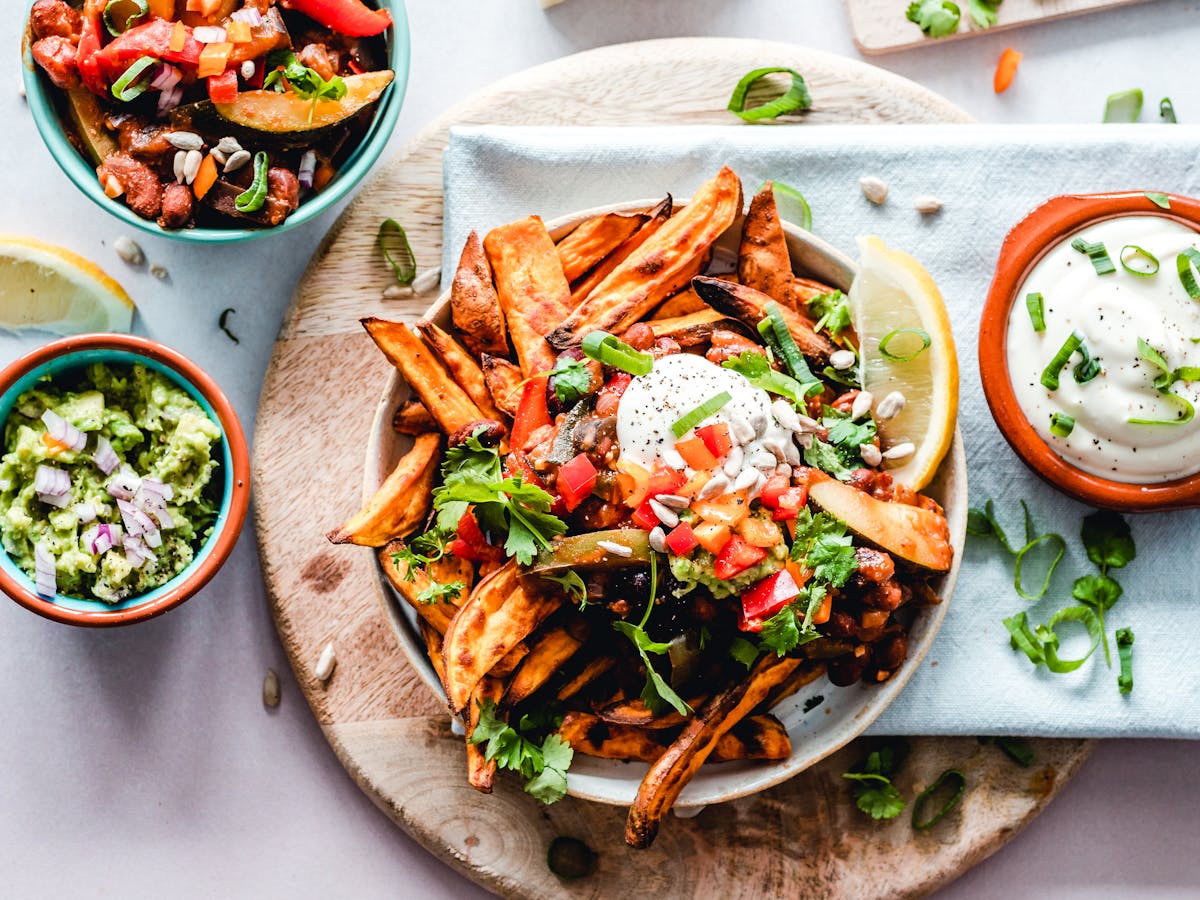
While everyone’s needs are different, certain meals pop up repeatedly in GLP‑1 “what I eat in a day” videos because they strike a balance between digestibility and nutrition density.
- Breakfasts
Scrambled eggs or tofu with spinach and tomatoes; Greek yogurt with berries and chia; small smoothies with protein powder and frozen fruit. - Lunches
Broth‑based soups with chicken or lentils; small grain bowls with quinoa, beans, and roasted vegetables; half‑sandwiches with lean protein plus a side of fruit. - Dinners
Baked salmon or white fish with steamed vegetables and a small serving of rice or potatoes; turkey chili; stir‑fries with tofu or shrimp and lots of vegetables, cooked in modest oil. - Snacks
Cottage cheese or skyr; edamame; a handful of nuts; fruit with nut butter; mini protein shakes for those struggling to hit daily protein targets.
Maintenance, Muscle, and the Fear of Rebound Weight
A major theme in GLP‑1 diet content is maintenance—what happens after the initial weight loss, especially if someone stops or reduces their dose. There’s a real concern about rapid regain, and for good reason: when weight drops quickly, it’s easy to lose muscle along with fat, which may reduce your metabolic “cushion” when medication stops.
That’s why many clinicians and evidence‑based creators stress:
- Strength training 2–4 times per week to signal your body to hold onto muscle.
- Consistently hitting a protein target spread across the day, not just at dinner.
- Gradually building a sustainable eating pattern—not a crash diet—that you can maintain with or without the drug.

Critiques: When GLP‑1 Diet Culture Goes Too Far
Not everyone is cheering for GLP‑1 diet trends. Many experts and advocates have raised thoughtful concerns about how this conversation is unfolding online.
1. Over‑Medicalization of Weight
Critics worry that weight is increasingly framed as something to be “fixed” through prescriptions, with food reduced to a supporting actor. This can overshadow conversations about social determinants of health, mental wellbeing, movement, sleep, and access to care.
2. Oversimplified or Unsafe Advice
In some private groups, you can find GLP‑1 meal plans dipping into extremely low calorie territory, sometimes under 800–900 calories a day, shared without professional oversight. For many people, that level of restriction can increase risks of nutrient deficiency, gallstones, fatigue, and rebound gain later on.
3. Stigma and Speculation
Another common critique is the wave of body commentary and moral judgment glued onto GLP‑1 conversations: who “cheated” with Ozempic, who is “lying” about using it, and who deserves praise or blame for their body size. None of this helps real people navigate their own health.
Food, whether on a GLP‑1 or not, is more than fuel—it’s culture, comfort, memory, and pleasure. None of that has to disappear for treatment to be effective.
Practical, Gentle Guidelines for Eating on GLP‑1 Medications
Every body is different, but these food principles show up consistently in evidence‑guided GLP‑1 nutrition advice. Bring them to your healthcare team and adapt them to your culture, budget, and preferences.
- Eat slowly and stop at comfortable fullness.
On GLP‑1 drugs, “one more bite” can tip you straight into nausea. Smaller plates and mindful pacing help. - Prioritize protein at each meal.
Include a source such as eggs, yogurt, cottage cheese, tofu, tempeh, lentils, beans, fish, poultry, or lean meat. - Add fiber gradually.
Aim for vegetables, whole grains, and legumes, but increase them slowly, with adequate fluids, to avoid extra bloating. - Choose cooking methods that go easy on your stomach.
Think baked, steamed, poached, air‑fried, or lightly sautéed rather than deep‑fried or very oily. - Respect your taste changes.
If certain foods suddenly feel unappealing, explore alternatives rather than forcing them—there’s usually another way to get the same nutrients. - Plan simple, soft meals for dose‑increase days.
Many users feel more side effects when their dose goes up; that’s a good time for soups, smoothies, and gentle starches like rice or potatoes. - Watch your alcohol tolerance.
Alcohol may feel stronger and can worsen nausea and reflux. Many people choose to reduce or avoid it.

A Sample GLP‑1‑Friendly Day of Eating (Adaptable Template)
Use this not as a prescription, but as a starting template to discuss with your care team. Portions should be adjusted to your own hunger, size, and activity level.
- Breakfast
Small bowl of Greek yogurt or skyr (plain or lightly sweetened) topped with berries and 1–2 teaspoons of chia seeds. - Mid‑morning (if desired)
Half a banana with a spoonful of peanut butter, or a small protein shake. - Lunch
Lentil and vegetable soup with a piece of whole‑grain toast, lightly buttered or drizzled with olive oil. - Afternoon snack
Cottage cheese with pineapple, or hummus with a few whole‑grain crackers and cucumber slices. - Dinner
Baked salmon or tofu, steamed green beans or broccoli, and a small portion of rice, quinoa, or roasted potatoes. - Evening
Herbal tea; a few nuts or a small piece of fruit if you’re lightly hungry.
Navigating GLP‑1 Diet Culture with Compassion and Curiosity
GLP‑1 medications have opened new doors for many people living with obesity and diabetes, but they’ve also added noise to an already complicated world of diet advice. Between celebrity gossip, viral before‑and‑after videos, and extreme “Ozempic meal plans,” it’s easy to lose sight of what matters most: your health, your comfort, and your relationship with food.
Instead of chasing the latest GLP‑1 trend, focus on:
- Honoring your body’s signals while working with your care team.
- Protecting muscle, energy, and micronutrition within your changed appetite.
- Keeping space for pleasure, culture, and joy at the table—even in smaller portions.
With thoughtful support, it’s possible to use these powerful medications while still savoring satisfying, nourishing meals that feel like they belong to you—not to diet culture.