
GLP‑1 Diet Culture: How Ozempic Is Changing the Way We Talk About Food, Weight, and Wellness
GLP‑1 weight‑loss medications like Ozempic, Wegovy, and Mounjaro have quickly moved from quiet clinic conversations to the center of social media feeds, reshaping how people talk about food, weight, and what a “healthy diet” looks like on these drugs. Instead of crash diets and detox teas, we’re now seeing questions about protein, strength training, side‑effects, and how to keep results sustainable once the prescription ends.
Quick GLP‑1 Eating Snapshot
Not a prescription or meal plan—this is an educational snapshot of what many clinicians and dietitians emphasize for people on GLP‑1 medications.
People using GLP‑1 medications seeking balanced, protein‑forward eating.
Protein, fiber, hydration, and gentle meal timing.
Moderate (more about planning than cooking skill).
Always consult your personal healthcare provider or registered dietitian before making changes to your diet or medication routine.
What People Mean by the “Ozempic Diet”
On TikTok, YouTube, and X (Twitter), hashtags like #ozempic, #wegovy, and #ozempicdiet have millions of views. Alongside dramatic before‑and‑after photos, you’ll see “What I eat in a day on Ozempic,” grocery hauls, and “GLP‑1‑friendly” recipes.
Culturally, this is a big shift. For years, diet content revolved around willpower, restriction, and moralizing food. GLP‑1 medications introduce something different: a medical tool that blunts appetite and changes how the body handles food, which can make traditional diet advice feel outdated or even unhelpful.
Many creators are realizing that “just eat less” doesn’t cut it anymore; the question has become, “How do I eat well when I naturally want less food?”
For home cooks, this can be confusing but also empowering. Smaller appetites mean every bite matters more—flavor, nutrition, and satisfaction all need to pull their weight on the plate.
How GLP‑1 Medications Change Appetite and Digestion
GLP‑1 receptor agonists like Ozempic, Wegovy, and Mounjaro mimic hormones that:
- Slow how quickly food leaves the stomach (slower gastric emptying).
- Reduce hunger signals in the brain.
- Help control blood sugar after meals.
In everyday life, this often feels like:
- Feeling full after just a few bites.
- Less interest in snacking or “mindless” eating.
- Discomfort or nausea with rich, greasy, or oversized meals.
Because overall food intake shrinks, the nutritional density of each meal becomes crucial. People on GLP‑1s can unintentionally under‑eat protein, fiber, vitamins, and minerals simply because they’re eating so much less.
Core GLP‑1 Eating Strategies: Protein, Fiber, and Gentle Portions
Dietitians and physicians who work with GLP‑1 users tend to repeat a few key principles. Think of these as a flexible framework rather than rigid rules.
- Protein at every meal
Many clinicians suggest aiming for roughly 1.2–1.6 g of protein per kilogram of body weight per day to help maintain lean muscle. With smaller meals, that usually means:
- Adding eggs, Greek yogurt, cottage cheese, tofu, tempeh, or protein smoothies at breakfast.
- Centering lunch and dinner around fish, poultry, lean beef, lentils, beans, or soy.
- Smaller, more frequent meals
Instead of three large plates, many people feel better with 4–6 mini meals or snacks. This can reduce nausea and discomfort while still allowing you to meet protein and calorie needs across the day.
- High‑fiber, nutrient‑dense choices
Constipation is a common side‑effect of GLP‑1 medications. Fiber from vegetables, fruit, legumes, and whole grains supports digestion and fills in micronutrient gaps when you’re eating less overall.
- Hydration and electrolytes
With smaller portions, you may unintentionally drink less as well. Sipping water regularly, using herbal teas, and occasionally adding an electrolyte drink can help keep energy levels and digestion on track.
The Rise of “Ozempic + Strength Training” Content
One of the loudest conversations online is about muscle preservation. With rapid weight loss and low appetite, there’s a real risk of losing not just fat but also muscle, which can affect strength, metabolism, and future weight‑maintenance.
In response, creators and clinicians are pairing GLP‑1 use with:
- Structured resistance training 2–4 times per week.
- Protein‑rich, whole‑food meals or shakes after workouts.
- Realistic, steady progress goals instead of chasing ultra‑fast losses.

This shift is quietly reshaping diet culture: instead of only asking “How thin can I get?” more people are asking “How strong, energetic, and nourished can I feel while my appetite is lower?”
A Gentle, GLP‑1‑Friendly Day of Eating (Educational Example)
Below is an example of a high‑protein, high‑fiber, small‑portion day of eating that many GLP‑1 dietitians might recognize. It’s not a prescription, but it can help you visualize how the principles come together on a plate.
1. Soft Start Breakfast: Creamy Greek Yogurt Bowl
This breakfast is cool, gentle on the stomach, and packed with protein and fiber in a small volume—perfect for a medication‑slowed appetite.
Ingredients (1 small serving)
- 150 g (about 2/3 cup) plain Greek yogurt (2% or higher fat if tolerated)
- 40 g (about 1/3 cup) mixed berries (fresh or frozen, thawed)
- 1 tbsp chopped nuts (almonds, walnuts, or pistachios)
- 1 tsp chia or ground flax seeds
- Optional: 1–2 tsp honey or maple syrup, if you enjoy a touch of sweetness
Steps
- Spoon the Greek yogurt into a small bowl.
- Top with berries, nuts, and chia or flax seeds.
- Drizzle with a little honey or maple syrup if desired.
- Eat slowly, pausing to check in with your fullness after a few bites.
2. Mid‑Morning: Simple Protein Sip
A small protein shake or half‑portion smoothie can boost protein without overwhelming your stomach.
- ½ scoop protein powder (whey, pea, or soy) blended with water or milk of choice.
- Optional: a few ice cubes and a small piece of banana for creaminess.
3. Lunch: Mini High‑Protein Grain Bowl
Imagine a warm, cozy bowl: tender grains, juicy bites of chicken or tofu, and a tumble of colorful veggies, all in a portion small enough to feel comfortable on a GLP‑1.

Ingredients (1 modest bowl)
- 60–75 g cooked chicken breast or firm tofu (about 1/3 cup diced)
- ½ cup cooked quinoa or brown rice (or cauliflower rice for lower‑carb)
- ½ cup mixed vegetables (steamed broccoli, carrots, or peppers)
- 1–2 tsp olive oil or tahini drizzle
- Lemon juice, herbs, salt, and pepper to taste
Steps
- Warm the cooked grains, protein, and vegetables gently in a pan or microwave.
- Drizzle with olive oil or tahini, and season with lemon, herbs, salt, and pepper.
- Serve in a small bowl, and eat slowly, pausing at the halfway mark to check your fullness.
4. Afternoon: Crunchy Fiber Snack
A tiny snack with crunch keeps you satisfied and supports digestion:
- 1 small apple or pear, sliced, with 1 tbsp nut or seed butter
- Or, a few raw veggie sticks with hummus
5. Dinner: Soft, Protein‑Rich Plate
Many people on GLP‑1s prefer gentler textures at night—think baked salmon, mashed beans, or tender lentil stews.
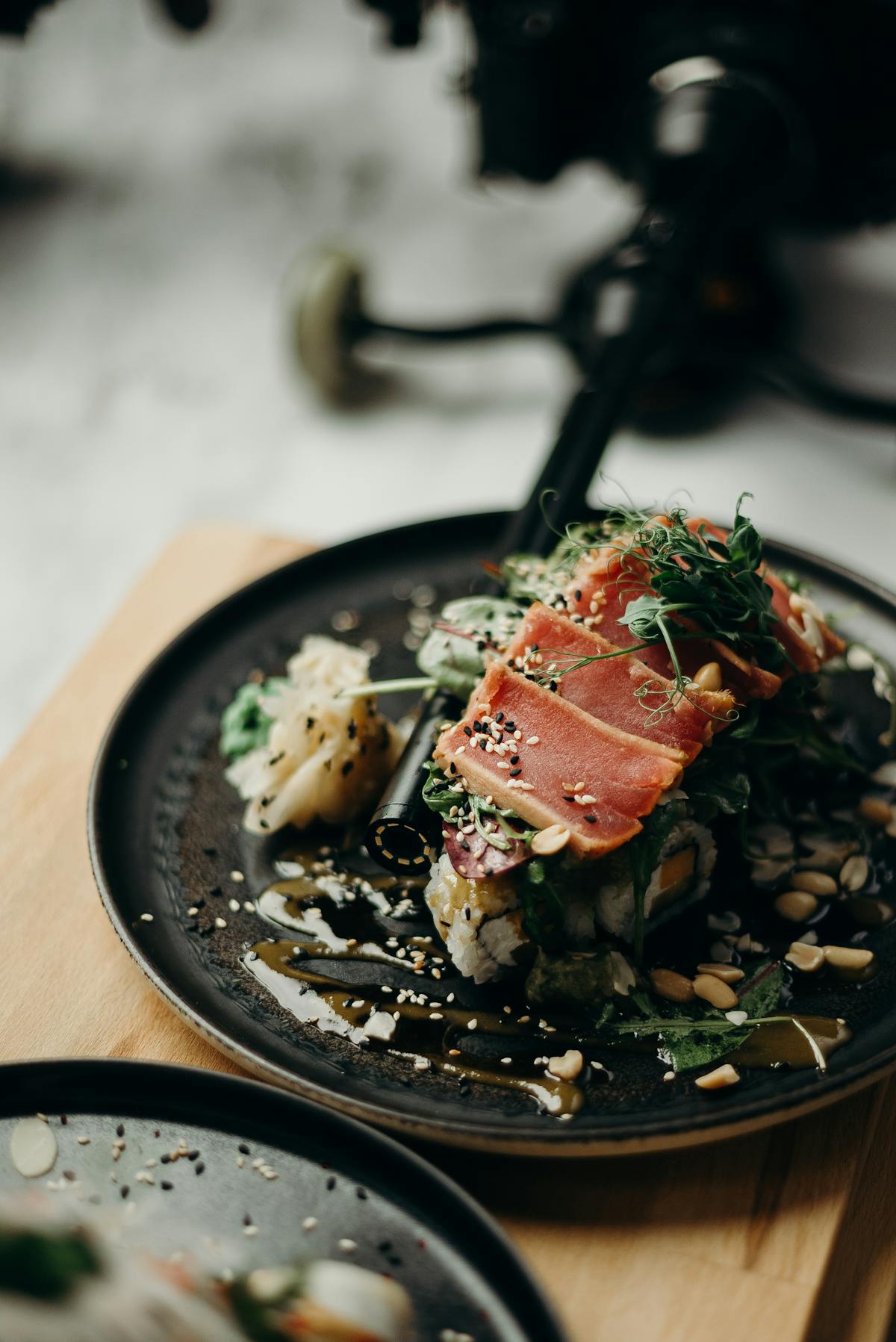
- 60–90 g baked salmon, white fish, or a ½ cup of stewed lentils/beans
- ½ cup steamed or roasted vegetables (zucchini, carrots, green beans)
- ¼–½ cup mashed potatoes, sweet potatoes, or pureed beans, if tolerated
6. Optional Evening Bite
If hunger appears later, a few bites can be enough:
- Small piece of cheese with a whole‑grain cracker, or
- Half a small container of yogurt, or
- Warm herbal tea with a splash of milk.
Recipe Card: High‑Protein GLP‑1‑Friendly Yogurt Parfait
To anchor all this in a single, easy recipe, here’s a more structured version of that gentle breakfast bowl you can customize endlessly.
High‑Protein Berry Yogurt Parfait (GLP‑1 Friendly)
Prep time:
Cook time:
Total time:
Servings: 1 small parfait
Difficulty: Easy
Diet: High‑protein, high‑fiber; can be made gluten‑free and vegetarian.
Ingredients
- 150 g (about 2/3 cup) plain Greek yogurt (or dairy‑free alternative)
- 40–50 g mixed berries
- 1 tbsp chopped nuts or seeds (e.g., almonds, walnuts, pumpkin seeds)
- 1 tsp chia or ground flax seeds
- ½ tsp vanilla extract (optional)
- 1–2 tsp honey, maple syrup, or non‑sugar sweetener, to taste
Instructions
- In a small bowl or glass, stir the yogurt with vanilla and sweetener if using.
- Layer half the yogurt, then some berries, then a sprinkle of nuts and seeds.
- Repeat the layers with the remaining yogurt, berries, and toppings.
- Let sit for 5 minutes so the chia or flax can thicken slightly, making a creamier texture.
- Enjoy slowly, stopping when comfortably full—you don’t have to finish the entire portion.
Beyond the Plate: Ethics, Body Image, and Access
The “Ozempic diet” isn’t only about recipes. It’s also about how society views bodies, health, and responsibility. As GLP‑1 drugs spread through popular culture, several conversations have become central:
- Access and equity: Who can afford or obtain these medications? How do shortages impact people who need them for diabetes?
- Body image: The idea of an “Ozempic body” can reinforce narrow beauty standards and pressure those who don’t or can’t use the drugs.
- Stigma and blame: Some worry the pendulum swings from “just try harder” to “just take the drug,” missing the complex middle ground where biology, environment, and behavior all play roles.
In food culture, a hopeful trend is emerging: instead of moralizing weight loss, more creators are talking about nourishment, mental health, strength, and sustainability. Recipes are shifting from punishment to support.
Practical Kitchen Tips, Storage, and Gentle Meal Prep
When appetite is unpredictable, traditional Sunday “meal prep mountains” can backfire. Smaller, flexible prep is often more comfortable.
- Prep components, not full meals: Cook a batch of chicken or tofu, a pot of grains, and a tray of vegetables. Assemble tiny bowls as needed.
- Use small containers: Store leftovers in half‑size portions to avoid feeling pressured by a big serving.
- Freeze extras: Soups, stews, and cooked beans freeze well in silicone molds or muffin tins for individual portions.
- Reheat gently: Low‑and‑slow reheating (stovetop or 50% microwave power) often feels better on a sensitive stomach than piping hot, dry leftovers.
Serving Ideas and Complementary Dishes
If you’re cooking for yourself and others not on GLP‑1s, you don’t need separate menus. Instead:
- Serve the same flavorful proteins and veggies, but give yourself smaller plates or bowls.
- Add bread, extra grains, or desserts for others, while you keep portions and richness gentle for your appetite.
- Prioritize dishes that reheat well, like soups, stews, and grain bowls, so you can adjust portion sizes day by day.
Great “everyone at the table” options include:
- Sheet‑pan chicken or tofu with mixed vegetables.
- Bean‑based chili served with optional rice, bread, or tortilla chips.
- Build‑your‑own taco or grain bowls with a variety of toppings.
Bringing It All Together: Food as an Ally, Not an Enemy
GLP‑1 medications are changing the landscape of diet culture, but they don’t erase the importance of food that feels good, tastes good, and supports your body. Whether you’re on Ozempic, Wegovy, Mounjaro, or simply curious about the conversation, you deserve nourishment, not punishment.
In the kitchen, think less about chasing perfection and more about building tiny, sustainable habits: a bit more protein here, a colorful vegetable there, a smaller bowl that still feels special. Paired with professional guidance from your healthcare team, these everyday choices can help you navigate the GLP‑1 era with strength, comfort, and a plate that still brings you joy.
