
Glow-From-The-Gut Power Bowl: A Fermented Veggie & Fiber Superfood Recipe for Your Microbiome
Gut health has gone from niche curiosity to full-on kitchen revolution, and this recipe brings that science-meets-comfort-food energy straight to your bowl. Today we’re building a Gut-Health Superfood Power Bowl: a colorful, deeply satisfying meal packed with fermented foods, prebiotic fiber, and a rainbow of plant ingredients to help nourish your microbiome while still tasting like something you genuinely crave at the end of a long day.
Gut-Health Superfood Power Bowl with Fermented Veggies & Fiber-Rich Grains
Inspired by the latest gut-health trend—think kimchi, sauerkraut, kefir, oats, legumes, and leafy greens—this bowl is all about balance: creamy and crunchy, tangy and nutty, warm grains with cool, crisp vegetables. Whether you’re curious about the gut–brain axis, looking to gently support digestion, or simply want more plants in your life, this recipe gives you a delicious, weeknight-friendly way to do it.
Recipe Overview: Fermented & Fiber-Focused Gut-Health Bowl
Prep time: 20 minutes
Cook time: 25 minutes
Total time: ~45 minutes
Servings: 2 generous bowls (or 3 lighter portions)
Difficulty: Easy (great for beginner home cooks)
Dietary: Vegetarian, gut-friendly, high-fiber; easy to adapt to vegan and gluten-free
Think of this as a flexible template rather than a rigid recipe: you’ll combine a high-fiber whole grain base, a protein-rich topper, lots of prebiotic vegetables, and a zingy fermented garnish, all tied together with a creamy yet light miso-tahini dressing.
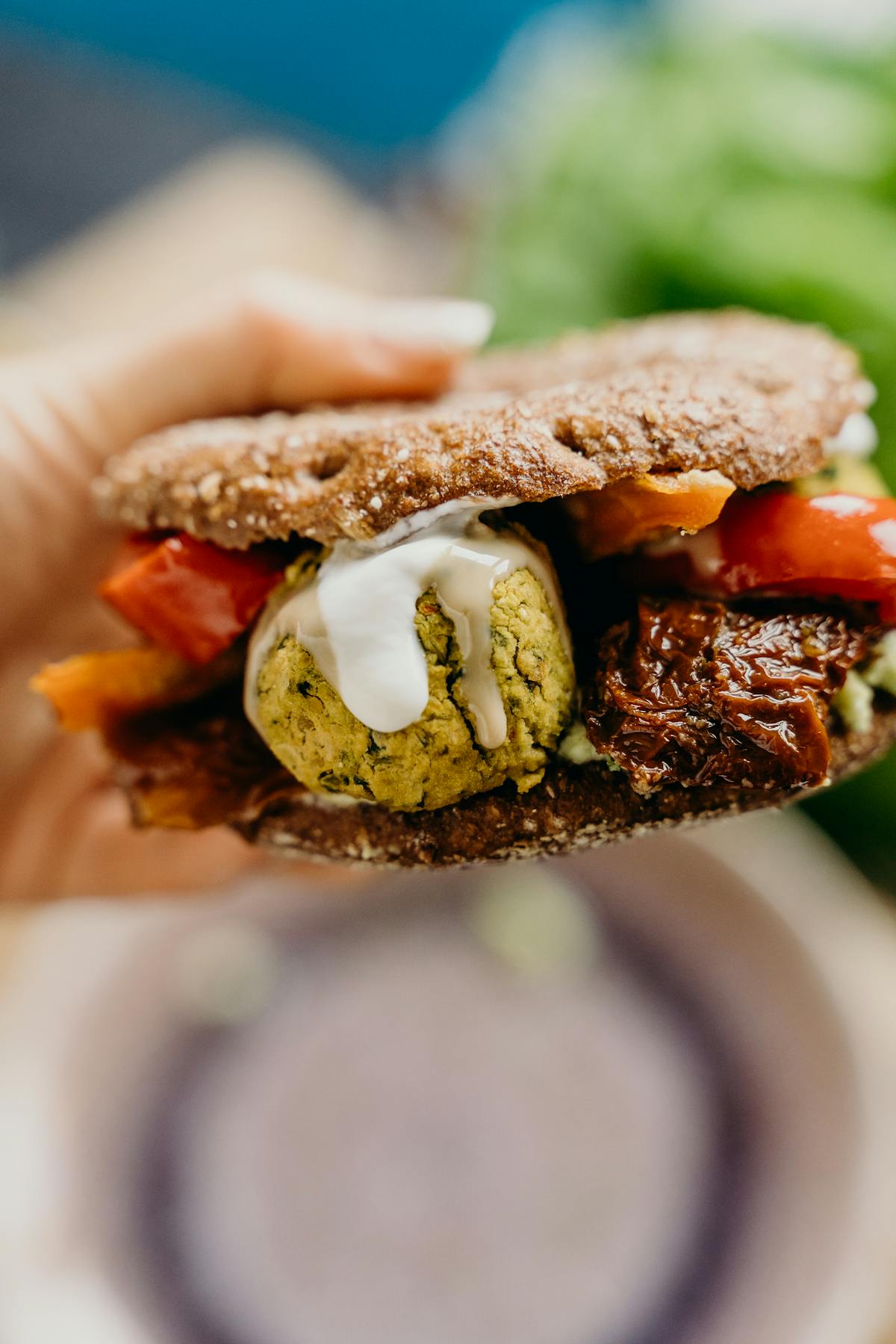
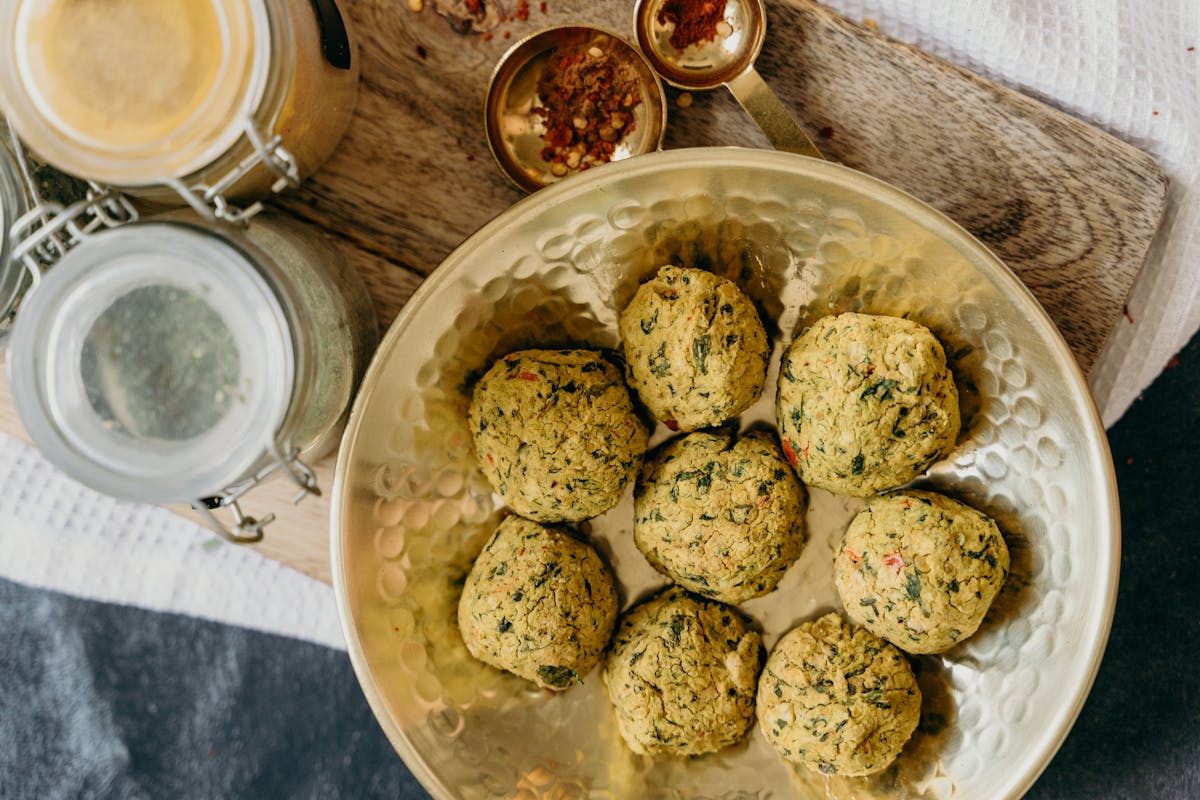
Visual Guide: Gut-Health Power Bowl in Pictures
Here’s what your microbiome-loving bowl will look like at each stage, so you can confidently cook along.



Recipe Structured Data (SEO-Friendly)
The following structured data helps search engines understand this gut-health recipe and improves discoverability for terms like “fermented food bowl,” “high-fiber dinner,” and “microbiome-friendly recipes.”
Ingredients: Fermented Foods & Fiber-Rich Gut-Health Superfoods
This bowl focuses on prebiotic fibers (the “food” for your good gut bacteria) and probiotic-rich fermented foods, all wrapped up in familiar, cozy textures. Measurements are for about 2 generous servings.
For the fiber-rich grain base
- 1 cup (180 g) uncooked brown rice or quinoa, rinsed
- 2 cups (480 ml) water or low-sodium vegetable broth
- Pinch of salt (if your broth is unsalted)
For the plant protein & veggie toppings
- 1 cup (160 g) cooked chickpeas, drained and rinsed (or cooked lentils)
- 1 cup (80 g) finely shredded red or green cabbage (great prebiotic fiber)
- 1 medium carrot, julienned or coarsely grated
- 1 small cucumber, thinly sliced or chopped
- 2 cups (about 60 g) mixed leafy greens (baby spinach, arugula, or kale)
- 1/2 small red onion or 2 scallions, thinly sliced
- 2 tbsp chopped fresh herbs (parsley, cilantro, dill, or a mix)
Fermented, probiotic-rich elements
- 1/2 cup (80 g) kimchi or sauerkraut with live cultures
(Check the label for “unpasteurized” or “contains live and active cultures.”)
Crunchy, gut-loving toppings
- 2 tbsp toasted pumpkin seeds or sunflower seeds
- 1 tbsp chia seeds or ground flaxseed
- Freshly ground black pepper, to taste
- 1–2 tsp extra-virgin olive oil (optional, for drizzling)
Miso–tahini gut-friendly dressing
- 2 tbsp tahini (sesame seed paste)
- 1 tbsp white or yellow miso paste
- 2–3 tbsp fresh lemon juice or rice vinegar
- 1–2 tsp maple syrup or honey (adjust to taste)
- 1 small garlic clove, finely grated or minced (optional – can be strong for some guts)
- 2–3 tbsp water, to thin the dressing
- Fine sea salt, to taste (you may need very little; miso is salty)
Equipment You’ll Need
- Medium saucepan with lid (for cooking grains)
- Cutting board and sharp knife
- Vegetable peeler or julienne peeler (for carrots)
- Small mixing bowl or jar with lid (for dressing)
- Whisk or fork
- 2 serving bowls
- Optional: small skillet for warming chickpeas or toasting seeds
Step-by-Step Instructions: Building Your Gut-Health Superfood Bowl
Follow these steps in order for a smooth flow. While the grains cook, you’ll prep the vegetables and dressing, so everything comes together in under an hour.
- Cook the fiber-rich grain base.
Rinse the brown rice or quinoa under cool water until it runs mostly clear; this removes excess starch and bitterness.
Add grains and 2 cups water or broth to a saucepan with a pinch of salt. Bring to a boil over medium-high heat, then reduce the heat to low, cover, and simmer:- Quinoa: about 15–20 minutes
- Brown rice: about 25–30 minutes
Once the liquid is absorbed and the grains are tender, turn off the heat, fluff with a fork, and let sit uncovered for 5 minutes to steam off excess moisture. This keeps your bowl from getting soggy.
- Prep your gut-supportive vegetables.
While the grains cook, create your colorful veggie spread:
- Shred the cabbage into fine ribbons.
- Julienne or coarsely grate the carrot.
- Thinly slice or chop the cucumber.
- Slice the red onion or scallions.
- Rinse and gently pat dry your leafy greens.
- Chop your fresh herbs.
Arrange them on a plate or in small bowls. This mise en place not only looks beautiful but makes assembling your power bowl feel effortless.
- Warm the chickpeas or lentils (optional but cozy).
For a comforting contrast of warm and cool, add the chickpeas or lentils to a small skillet with a splash of water, a pinch of salt, and pepper. Warm over medium heat for 3–5 minutes until heated through. You can also add a pinch of cumin or smoked paprika if you like.
- Make the miso–tahini gut-friendly dressing.
In a small bowl or jar, combine:
- 2 tbsp tahini
- 1 tbsp miso paste
- 2–3 tbsp lemon juice or rice vinegar
- 1–2 tsp maple syrup or honey
- Finely grated garlic (if using)
Whisk until thick and smooth. Add 2 tbsp water and whisk again, adding more water a teaspoon at a time until you have a pourable, creamy consistency. Taste and adjust:
- More lemon/vinegar for brightness
- More maple/honey if you prefer a hint of sweetness
- A pinch of salt or extra miso for savoriness
- Prepare your fermented star.
Gently loosen your kimchi or sauerkraut with a fork. If it’s very tangy or spicy and you’re new to fermented foods, start with a smaller amount (2–3 tbsp per bowl) and build up over time. Keep it chilled or at cool room temperature so the beneficial cultures stay happy.
- Assemble the gut-health superfood bowls.
Divide the warm grains between two bowls as your base.
Arrange in sections on top:
- A handful of leafy greens
- A mound of shredded cabbage
- Carrot and cucumber
- Warm chickpeas or lentils
- A generous spoonful of kimchi or sauerkraut
Drizzle with the miso–tahini dressing, letting it run into all the edges and crevices.
- Add crunchy toppings and finish with flair.
Sprinkle each bowl with:
- Pumpkin or sunflower seeds
- Chia seeds or ground flaxseed
- Fresh chopped herbs
Add a twist of black pepper and a light drizzle of olive oil if desired. Take a moment to enjoy how colorful and alive your bowl looks—then dig in while the grains are still warm and the veggies are crisp.
Ingredient Substitutions & Dietary Adaptations
This gut-health bowl is meant to be flexible. Use what you have, honor your body’s needs, and don’t stress about perfection—diversity and consistency matter more than any single “superfood.”
Make it vegan
- Use maple syrup instead of honey in the dressing.
- Stick with plant proteins like chickpeas, lentils, tempeh, or tofu.
Make it gluten-free
- Choose quinoa, buckwheat, or certified gluten-free oats instead of wheat-based grains.
- Double-check that your miso and fermented veggies are labeled gluten-free.
If you’re FODMAP-sensitive or have IBS
- Use smaller amounts of onion, garlic, and cabbage at first, or omit onion entirely.
- Swap chickpeas for a smaller portion of firm tofu or tempeh if legumes bother you.
- Start with just a spoonful of kimchi/sauerkraut and increase slowly.
Fermented food swaps
- No kimchi? Use sauerkraut or another fermented vegetable mix.
- For a milder option, try a spoonful of plain yogurt or kefir (with live cultures) on the side.
Grain & protein flexibility
- Base: barley, farro, wild rice, or even gut-friendly overnight oats for a savory breakfast bowl.
- Protein: edamame, baked tofu, grilled tempeh, or shredded chicken (if you eat meat).
Storage, Meal Prep, and Reheating Guidelines
This recipe is perfect for gentle meal prep. A few smart storage strategies will keep both flavor and gut-friendliness intact.
Storing components separately
- Cooked grains: Store in an airtight container in the fridge for up to 4 days.
- Chopped veggies: Keep in separate containers or a divided container for 3–4 days.
- Dressing: Refrigerate in a jar with a lid for up to 5 days. It will thicken; thin with a splash of water or lemon juice before using.
- Fermented veggies: Keep in their original jar in the fridge, tightly sealed. They can last weeks to months; always use a clean utensil.
Reheating tips
- Reheat only the grains and legumes (microwave or stovetop with a splash of water) until warm and steamy.
- Keep fermented components cold or cool to preserve live cultures—add them after reheating other elements.
- Add fresh herbs and seeds just before serving for best texture.
Make-ahead bowl strategy
Assemble bowls in containers with:
- Base: grains + cooked protein
- On top: sturdy veggies like cabbage and carrot
- In separate small containers: dressing + fermented veggies + delicate greens
When ready to eat, reheat the base, then add greens, fermented veggies, and dressing. This way you keep textures bright and cultures alive.
Serving Suggestions & Complementary Gut-Healthy Dishes
This bowl is a complete meal on its own, but you can easily extend the gut-health theme to the rest of your day.
Toppings & finishing touches
- Add a soft- or jammy-boiled egg on top for extra protein and richness.
- Serve with a side of steamed broccoli or Brussels sprouts for even more fiber.
- Sprinkle a bit of nori (seaweed) for iodine and umami, nodding to Japanese fermented traditions like miso and natto.
Pair with other gut-friendly recipes
- Breakfast: Overnight oats made with kefir, chia seeds, and berries.
- Snacks: Apple slices with peanut butter and chia seeds, or carrot sticks with hummus.
- Drinks: A small glass of kombucha or water kefir, sipped slowly with meals if tolerated.
“A healthy gut isn’t built in one meal—it’s the quiet, everyday choices that add up. This bowl is a joyful, colorful step in that direction.”
How This Bowl Fits Into Current Gut-Health Trends
The surge of interest in microbiome-supportive eating has shifted focus from calorie-counting to nurturing our inner ecosystem. This recipe weaves together several themes you’ll see in up-to-date gut-health conversations:
- Fermented foods: Kimchi, sauerkraut, and miso contribute live bacteria and flavorful acidity.
- Prebiotic fiber: Cabbage, chickpeas, whole grains, and seeds feed beneficial gut microbes that produce short-chain fatty acids, linked with gut barrier support and lower inflammation.
- Diversity challenge: With grains, legumes, seeds, and multiple vegetables, a single bowl can get you closer to the popular “30 different plants per week” idea.
- Gentle, realistic habits: An easy, repeatable bowl like this blends into weekday routines, which matters more than any isolated “detox” or supplement.
Research in this space is evolving, and individual tolerance varies, but building meals around fiber-rich, minimally processed, plant-forward ingredients is a widely supported foundation for digestive and overall health.
