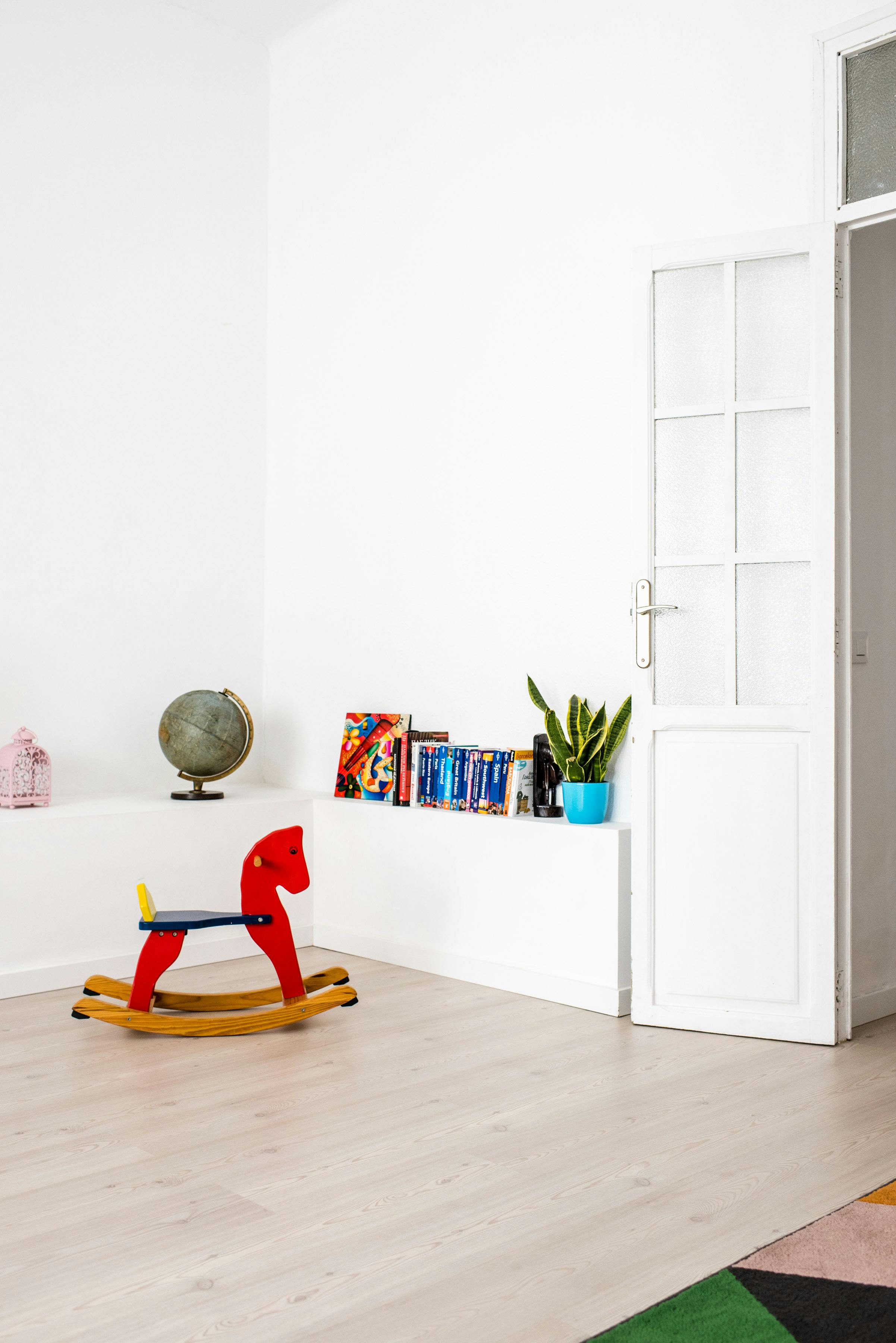
From Couch Couture to Conscious Cool: Ethical Streetwear Meets Home Decor
Fashion is officially raiding your living room. As ethical streetwear and “aesthetic street style” take over TikTok and sidewalks, those same vibes are sneaking into home decor: think slow drops but for your sofa, capsule wardrobes but for your shelves, and rooms that flex both style and values. You’re not just decorating anymore—you’re soft-launching your personality in 3D.
Today’s most interesting trend mash-up? The rise of ethical streetwear with a purpose meeting the latest in slow, sustainable home decor: quiet luxury textures, limewash and plaster walls, clean-lined storage, vintage workwear furniture, and small-batch ceramics that look like they stole their color palette from your favorite carpenter pants.
If your Pinterest boards are yelling “aesthetic” while your conscience whispers “uh…ethical?”, this guide will help you style a home that does both—without looking like a beige monastery or a hypebeast warehouse.
Home, But Make It Ethical Street Style
Ethical streetwear is all about small transparent labels, smart silhouettes, and slow drops. Now interiors are catching up: we’re moving away from fast-furniture hauls toward rooms built gradually with fewer, better pieces—often from indie makers, vintage shops, or upcycled finds.
The big aesthetic shift: outfit-first, logo-second has become room-first, brand-who? Interiors now spotlight:
- Silhouette of furniture (chunky sofas, low credenzas, blocky side tables) instead of giant brand labels.
- Color palettes inspired by streetwear: ecru, charcoal, olive, rust, workwear blue, and deep chocolate brown.
- Layers and textures like denim-like upholstery, canvas cushions, heavy cotton curtains, and recycled rug weaves.
In other words, your living room is now your fit-check backdrop, but it also tells a story about where things came from and how long they’ll stay in your life.
Build a Capsule Room (Like a Capsule Wardrobe, But With Fewer Socks)
Streetwear creators are obsessed with styling guides: 3–5 core uniforms you can remix forever. Apply that to your home and you get the capsule room—a small set of foundational pieces that play nicely with almost anything.
Step 1: Pick Your “Uniform” Pieces
Think of these as your wide-leg trousers and white tee, but for decor:
- 1 hero seating piece – A comfy, neutral sofa or accent chair in canvas, twill, or textured weave (streetwear for your butt).
- 1 solid table – Simple wood, metal, or recycled-material coffee table with clean lines.
- 1 storage MVP – A low credenza, lockers, or shelving unit: functional, unfussy, quietly cool.
- 2–3 lighting workhorses – Floor or table lamps with simple shapes; think “sneaker silhouette” but in lamp form.
Step 2: Keep the Palette Street-Smart
Aesthetic street style leans into muted but intentional color stories. For a room:
- Base tones: ecru, warm white, greige, oat, soft taupe.
- Core neutrals: black, charcoal, espresso brown, navy.
- Accent colors: workwear blue, moss, terracotta, mustard, rust.
Pick 2 base tones, 2 core neutrals, and 1–2 accents you truly love. That becomes your “style code” for everything you add.
Step 3: Edit Like a Stylist
Before buying something new, ask the classic outfit question: “Would I wear this with at least three things I already own?” Turn it into: “Can this piece sit next to three things I already have without starting a visual argument?”
If it only looks good in the shopping cart, it won’t survive in your real-life room.
Transparency, But Make It Furniture: Reading Your Decor Labels
Ethical streetwear fans love a brand breakdown: factory locations, certifications, material sourcing. You can bring that same energy home without turning your house into a TED Talk.
What to Look For When You “GRWM” Your Room
- Materials: Solid wood over particleboard, recycled metals, natural fibers (cotton, linen, jute, wool) where possible.
- Certifications: FSC-certified wood, organic textiles, or clear sustainability statements.
- Origin: Brands that state where items are made and how workers are treated.
- Longevity: Can it be repaired, reupholstered, or repainted? Or will it crumble after one move?
You don’t need a perfectly ethical museum-house. Aim for “better than before.” Swap one fast-furniture piece for something secondhand or transparently made, and you’ve already upgraded your home’s karma.
Slow Drops, But for Sofas: Decorating on Streetwear Time
Ethical streetwear is big on slow drops and pre-orders: less overproduction, more intention, more patience. Your home can absolutely work the same way.
Try the “Pre-Order” Mindset at Home
- The 30-Day Cart Rule: If you find a decor piece you like, save it, screenshot it, or bookmark it. Wait 30 days. If you’re still thinking about it—and still love it with your existing palette—then buy. Consider it your “pre-order period” minus the hype-video.
- Intentional Releases: Instead of redecorating the whole room overnight, plan 3–4 “drops” per year: lighting drop, textile drop, art drop, storage drop. This keeps your spending focused and your space evolving slowly and thoughtfully.
- One-In, One-Out: Every new piece you bring in replaces or upgrades something. Donate, sell, or upcycle the old. Your home stays curated, not crowded.
The result is a room that grows like a great wardrobe: deliberately, season by season, with fewer “why did I buy that?” regrets.
Accessories With Impact: Totes, Trays, and Tiny Flexes
In ethical streetwear, not everyone can afford a full fit from an indie brand, so creators highlight accessories with impact: caps, totes, jewelry. In home decor, accessories are your budget-friendly entry point to values-driven style.
High-Impact, Low-Commitment Decor “Accessories”
- Textiles: Cushions, throws, and rugs from small-batch makers or fair-trade collectives.
- Ceramics: Mugs, bowls, and vases from local potters or ethical studios—bonus points if they double as decor and daily-use pieces.
- Storage: Recycled plastic crates, canvas bins, upcycled wooden boxes, and metal lockers.
- Wall pieces: Printed textiles, upcycled fabric art, or risograph prints from indie artists.
Think of these as the jewelry and hats of your room: they don’t have to match perfectly, but they should carry a story, a value, or at least a vibe that makes you smile when you look at them.
Gender-Neutral, Workwear-Inspired Rooms (No Pink Tax, No Problem)
Men’s and gender-neutral creators are driving a lot of ethical streetwear content with thrift fashion, vintage workwear, and unfussy silhouettes. Translate that to home decor and you get spaces that feel relaxed, inclusive, and low-drama.
How to Get the Workwear-Inspired Home Look
- Chunky, durable furniture: Think warehouse shelving, sturdy wooden stools, metal side tables.
- Utility details: Hooks, pegboards, tool racks, visible storage—practical, but styled.
- Rugged textiles: Denim-style upholstery, heavy cotton cushion covers, canvas storage bags.
- Muted color story: Navy, charcoal, workwear blue, tan, olive—like a chore coat but as a room.
The goal isn’t to make your home look like a factory; it’s to mix functionality with softness—add plants, soft lighting, and a few curved shapes so it feels cozy, not cold.
From Fit-Check to Flat Lay: Easy Styling Tips for Your Space
Styling an outfit and styling a room use the same brain cells. If you can layer a hoodie and coat, you can absolutely layer a sofa and throw.
1. Layer Like a Streetwear Creator
- Start with a base layer: neutral sofa, plain bedding, simple rug.
- Add a mid layer: throw blankets, cushion stacks, a runner on your credenza.
- Top with a statement layer: bold artwork, a color-pop lamp, or one patterned cushion.
2. Balance Proportions
Wide-leg trousers + cropped jacket? Same idea in decor:
- Pair a low, wide sofa with taller, slimmer floor lamps.
- Use a chunky coffee table with lighter, narrow-legged chairs.
- If you have heavy, dark furniture, add light, airy curtains or a pale rug to balance it.
3. Edit the Logos
Outfit-first, logo-second works at home too. Hide bulky branded packaging, decant pantry items into jars, and skip giant “Live, Laugh, Love” signs. Let shapes, textures, and materials do the flexing.
Thrift, Flip, Repeat: Vintage Home Edition
Just like vintage fashion, thrifted home decor is having a moment: secondhand workwear cabinets, retro lamps, and pre-loved textiles are everywhere. It’s sustainable, unique, and often more affordable than buying new.
What to Hunt for Secondhand
- Solid wood pieces: Easy to sand, stain, or paint; built to survive more than three moves.
- Older metal furniture: Lockers, filing cabinets, side tables—great for a workwear-inspired look.
- Quality textiles: Wool blankets, cotton curtains, vintage quilts that fit your palette.
- Interesting lamps: Focus on shape; you can replace shades or bulbs easily.
A fresh coat of paint or new hardware can turn a tired piece into a “limited but responsibly made” star in your home.
Your Home Is Your Daily Outfit: Own the Look
The real magic of ethical streetwear isn’t just the clothes—it’s the confidence of knowing they align with your values. Your home can do that too: you walk in the door, look around, and think, “Yes, this feels like me… and I didn’t destroy the planet in the process.”
Start small, style slowly, and let your decor be a conversation between what you love and what you believe in. Trends will change, but a home that’s intentional, ethical(ish), and totally you? That never goes out of style.
And if anyone asks about your decor, you can smile and say, “Oh this? It’s limited edition, small-batch, responsibly made… and I thrifted half of it.”
Image Suggestions (Strictly Relevant)
Below are carefully chosen, royalty-free, high-quality images that directly reinforce key concepts from this blog.
Image 1: Capsule Room Inspired by Ethical Streetwear
Placement: After the paragraph ending with “That becomes your ‘style code’ for everything you add.” in the “Build a Capsule Room” section.
Image description: A realistic photo of a living room styled like a capsule wardrobe: neutral sofa in canvas or textured fabric, simple wooden coffee table, low credenza, and two lamps. Color palette in ecru, charcoal, and workwear blue with one or two accent cushions in rust or olive. Minimal accessories such as a small ceramic vase and a folded throw blanket. The space looks calm, curated, and uncluttered, highlighting silhouettes and color harmony rather than brands. No visible logos, no people.
Supports sentence/keyword: “Pick 2 base tones, 2 core neutrals, and 1–2 accents you truly love. That becomes your ‘style code’ for everything you add.”
SEO-optimized alt text: “Capsule living room with neutral sofa, wooden coffee table, and workwear-inspired color palette in ecru, charcoal, and blue.”
Example image URL: https://images.pexels.com/photos/3965520/pexels-photo-3965520.jpeg
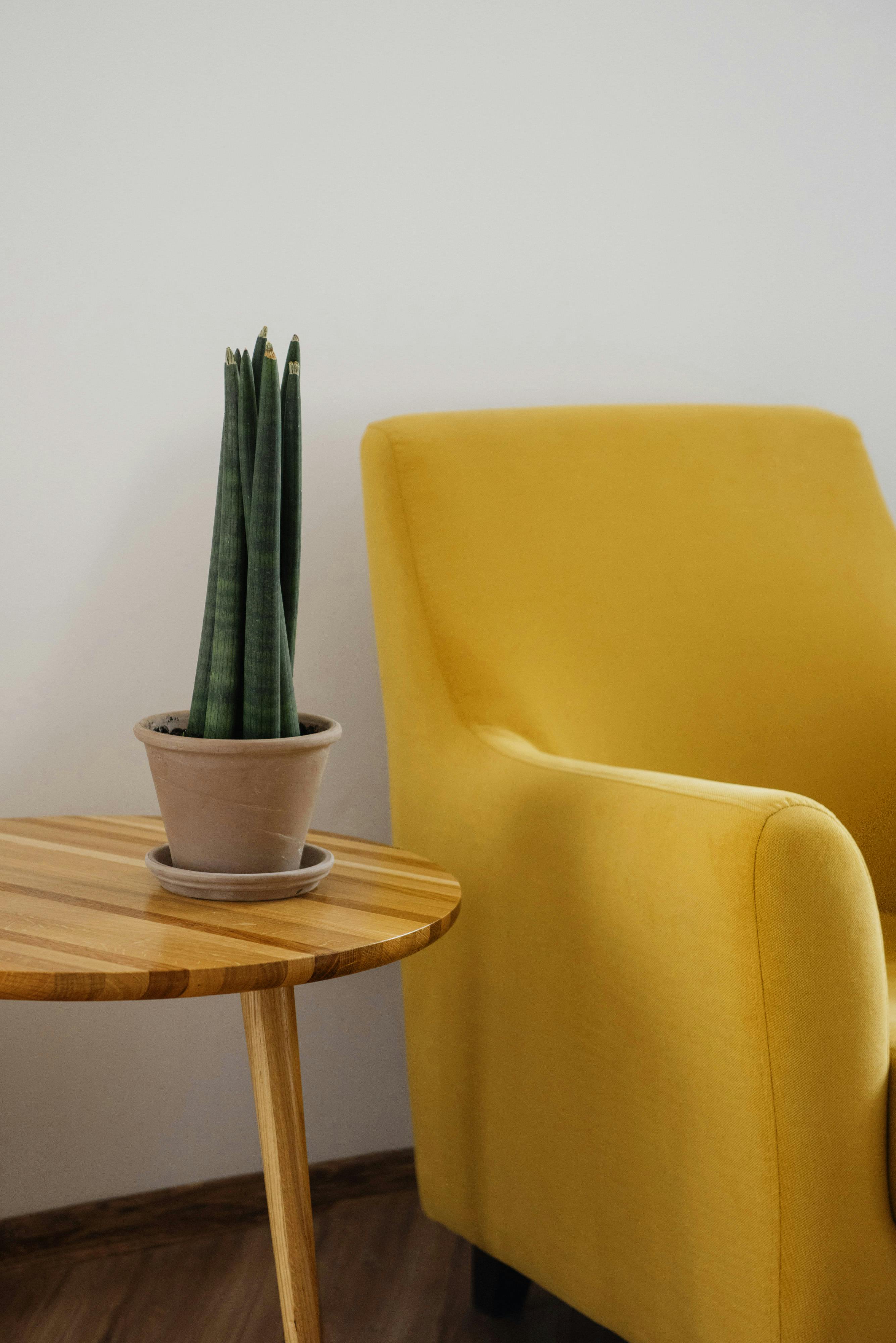
Image 2: Workwear-Inspired, Gender-Neutral Interior
Placement: After the paragraph ending with “so it feels cozy, not cold.” in the “Gender-Neutral, Workwear-Inspired Rooms” section.
Image description: A realistic photo of a gender-neutral, workwear-inspired living or studio space: sturdy wooden table or desk, metal shelving or lockers, utility hooks or pegboard on the wall, and storage crates or boxes. Color palette includes navy, tan, and olive with natural wood. One or two plants soften the look, plus warm lighting from a simple floor or desk lamp. No visible brand logos, no people.
Supports sentence/keyword: “How to Get the Workwear-Inspired Home Look” and the bullet list describing chunky durable furniture, utility details, and muted colors.
SEO-optimized alt text: “Workwear-inspired gender-neutral room with wooden table, metal shelving, utility storage, and muted navy and tan color palette.”
Example image URL: https://images.pexels.com/photos/37347/office-freelancer-computer-business-37347.jpeg
Image 3: Thrifted and Upcycled Home Decor
Placement: After the paragraph ending with “A fresh coat of paint or new hardware can turn a tired piece into a ‘limited but responsibly made’ star in your home.” in the “Thrift, Flip, Repeat” section.
Image description: A realistic photo of a corner of a room featuring clearly secondhand or upcycled decor: an old wooden dresser or cabinet with new hardware, a mismatched but coordinated set of vintage ceramics, and perhaps a repainted metal chair or side table. The overall look is curated, not cluttered, and clearly demonstrates the idea of flipping thrifted items into stylish decor. No visible people or brand logos.
Supports sentence/keyword: “Thrift, Flip, Repeat: Vintage Home Edition” and “A fresh coat of paint or new hardware can turn a tired piece into a ‘limited but responsibly made’ star in your home.”
SEO-optimized alt text: “Thrifted wooden cabinet with updated hardware and vintage ceramics styled as upcycled home decor.”
Example image URL: https://images.pexels.com/photos/3965515/pexels-photo-3965515.jpeg