
From Blue Zones to Biohacking: What Celebrity Longevity Diets Get Right (and Wrong) About Eating for a Longer Life
Celebrity Longevity Diets and Biohacking: Hype, Hope, and What’s on the Plate
Longevity has become the new buzzword on our feeds: celebrities teasing “anti-aging” meal plans, tech founders posting ultra-precise eating windows, and influencers building shimmering “longevity bowls” loaded with greens and olive oil. Behind the glossy photos is a mix of inspiring science, questionable shortcuts, and something deeply human—the desire to stay vibrant, strong, and sharp for as long as we can, without giving up the joy of delicious food.
In this guide, we’ll walk through what these longevity diets actually look like—from Blue Zones and Mediterranean patterns to time-restricted eating and biohacking gadgets—where the evidence stands today, and how you can borrow the most nourishing parts for your own kitchen in a grounded, sustainable way.
What Are “Longevity Diets”?
When celebrities, tech founders, or wellness influencers talk about a longevity diet, they’re usually referring to a way of eating that aims to:
- Extend healthspan—the years lived in good health, not just total lifespan.
- Protect the brain and support cognitive function.
- Maintain a lean, strong body and stable energy.
- Reduce risk of chronic diseases like heart disease, diabetes, and some cancers.
In practice, these diets usually blend three elements:
- Plant-forward eating inspired by Blue Zones or the Mediterranean diet.
- Timing and structure—like intermittent fasting or time-restricted eating.
- Biohacking and supplements—from basic vitamins to elaborate stacks.
The heart of most evidence-based longevity diets isn’t exotic powder or a perfect fasting window—it's everyday, deeply satisfying food: beans simmered until creamy, bread with a crackling crust, tomatoes that smell like sunshine, and peppery greens glistening with olive oil.
Blue Zones and Mediterranean Patterns: The Soul of Longevity Eating
Much of today’s longevity conversation traces back to the Blue Zones—regions like Okinawa (Japan), Sardinia (Italy), Ikaria (Greece), Nicoya (Costa Rica), and Loma Linda (California), where people often live into their 90s and 100s with remarkable vitality.
Across these regions, the specifics vary—miso broth in Okinawa, minestrone in Sardinia, lentil stews in Ikaria—but the themes are strikingly similar:
- Legumes (beans, lentils, chickpeas) as daily staples.
- Whole grains like barley, oats, brown rice, or sourdough breads.
- Plenty of seasonal vegetables and fruits.
- Nuts and seeds—especially walnuts and almonds.
- Olive oil or other minimally processed fats.
- Modest animal protein, often fish or small amounts of meat.
- Minimal ultra-processed foods and sugary drinks.
What often gets lost in celebrity “Blue Zone–inspired” posts is the social context: long meals with family, walking everywhere, gardening, and relatively low levels of chronic stress. Longevity isn’t just what’s on the plate; it’s also how and with whom you eat.
What Celebrity and Tech Longevity Protocols Usually Include
High-profile figures often share their routines down to the minute: when they break their fast, how many grams of protein they eat at breakfast, which supplements they stack before bed. These protocols vary widely, but some common threads appear again and again.
1. Time-Restricted Eating and Intermittent Fasting
Many follow some version of time-restricted eating, such as:
- 16:8: Eating within an 8-hour window (e.g., 10 a.m.–6 p.m.).
- 14:10: A slightly more flexible version, often easier to sustain.
- Early dinners and avoiding food 3–4 hours before bed.
Research suggests that aligning eating earlier in the day with our natural circadian rhythms may support better blood sugar control, lipid profiles, and sleep in some people—but it isn’t magic, and individual responses (and lifestyles) vary.
2. Polyphenol-Rich “Superfoods”
Celebrity longevity plates almost always feature foods rich in polyphenols and antioxidants, such as:
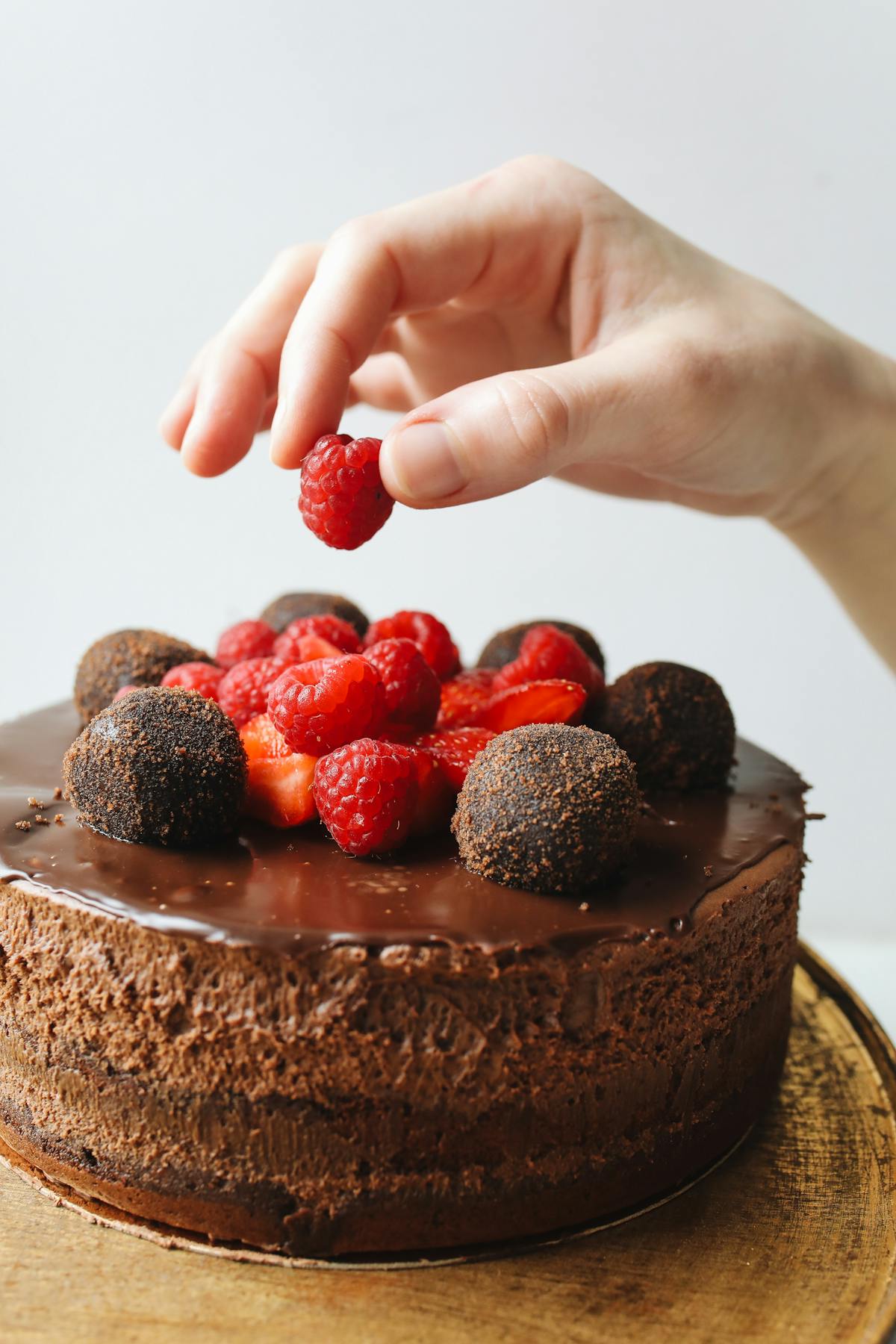
- Berries (blueberries, raspberries, blackberries)
- Dark leafy greens (kale, spinach, chard)
- Green tea or matcha
- Extra-virgin olive oil (often in generous drizzles)
- Dark chocolate (usually 70% cocoa or higher)
3. Protein Timing and Muscle Preservation
Many tech and fitness-forward protocols carefully manage protein distribution throughout the day. You’ll often hear about:
- Aiming for roughly 20–40 g of protein per meal to support muscle maintenance.
- Balancing adequate protein against theories about growth pathways like mTOR and IGF‑1 that are sometimes (over)simplified as “aging switches.”
For most people, current evidence supports enough protein—especially in older age—to preserve muscle and function, which is critical for longevity. The exact “perfect” amount is personal and best discussed with a clinician or dietitian.
4. Supplement “Stacks” and Biohacking
Many celebrity protocols are accompanied by impressive supplement shelves. Common additions include:
- Omega‑3 fatty acids (from fish oil or algae)
- Vitamin D and sometimes K2
- Magnesium for sleep, muscle function, and blood sugar support
- Creatine for muscle and possibly cognitive support
- Nootropics and various “anti-aging” compounds with mixed evidence
Some go further with continuous glucose monitors (CGMs), wearable sleep trackers, and regular bloodwork to “optimize” their routine. While these tools can be useful in medical contexts, they’re not required for healthy eating—and can become stressful or expensive if misused.
Longevity “Superfoods”: Staples in Celebrity and Blue Zone Diets
Certain foods have become icons of the longevity movement. While no single ingredient is magical, many of these earn their spotlight for good reason: they’re nutrient-dense, satisfying, and easy to build meals around.
- Extra-virgin olive oil: Fruity, peppery, and rich in monounsaturated fats and polyphenols. It’s a cornerstone of Mediterranean and Blue Zone eating. Drizzle it over salads, roasted vegetables, or warm soups.
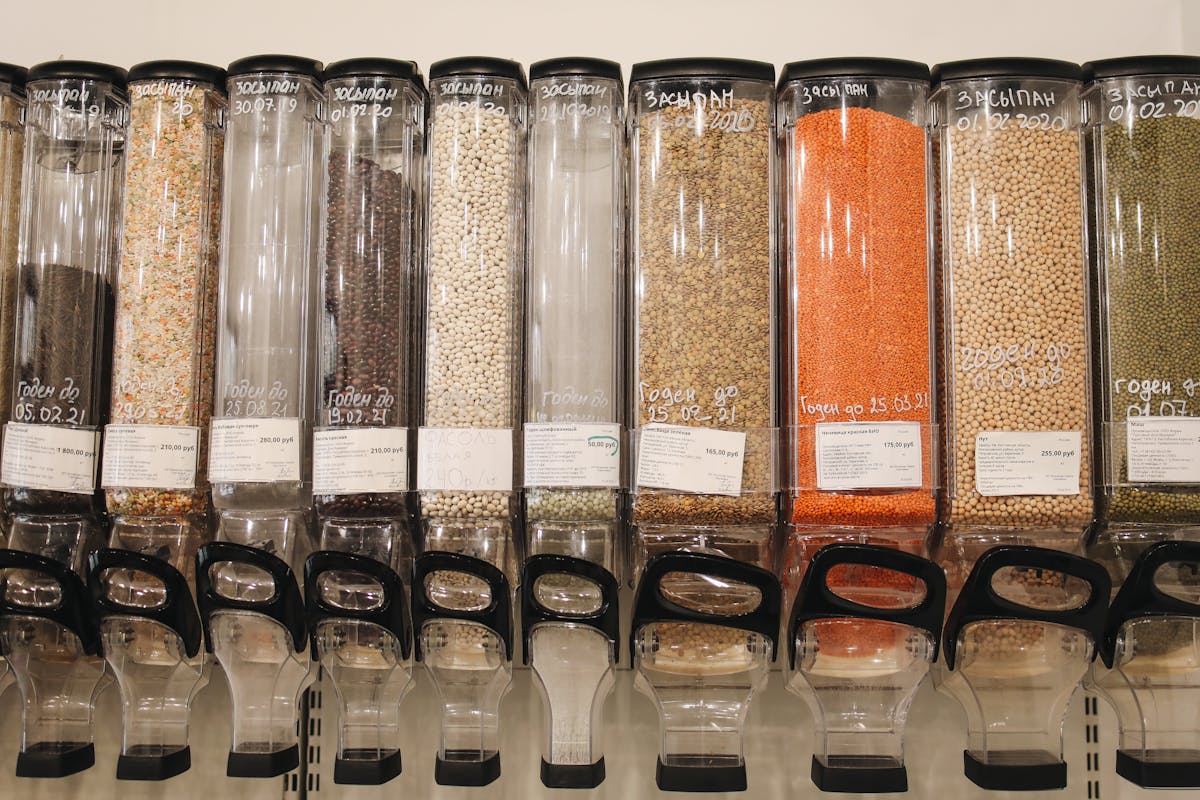
- Legumes (beans, lentils, chickpeas): Creamy, earthy, and endlessly versatile. High in fiber, plant protein, and minerals—these are daily staples in many long-lived communities.
- Walnuts and other nuts: Walnuts bring a gentle bitterness and buttery crunch, along with omega‑3 fats. Almonds, pistachios, and hazelnuts also show up often in longevity research.
- Sardines and anchovies: Oily, savory, and deeply umami, packed with omega‑3s, calcium (when you eat the bones), and vitamin D. Common in Mediterranean coastal cuisines.
- Fermented foods: Think yogurt, kefir, kimchi, tempeh, miso, or sauerkraut. Tangy, funky, and alive with microbes that can support a diverse gut ecosystem.
- Dark leafy greens: Kale, spinach, collards, chard—slightly bitter, beautifully green, and rich in folate, vitamin K, and other micronutrients.
- Colorful vegetables and fruit: Especially berries, citrus, tomatoes, and cruciferous vegetables like broccoli and cabbage, which bring fiber and a symphony of phytochemicals.
Critiques and Limitations: When Longevity Becomes a Status Symbol
As inspiring as some protocols can be, experts are raising thoughtful concerns about how longevity diets are marketed and practiced.
1. Elitism and Accessibility
Many highly publicized routines rely on expensive organic produce, specialized lab testing, or imported supplements. This can unintentionally frame longevity as something only the wealthy can afford, even though the core evidence-based habits—walking, sleeping enough, managing stress, and eating basic whole foods—are relatively simple.
2. Over-Supplementation and Pseudoscience
Some influencers make bold claims about unproven “anti-aging” supplements. In reality, the best-supported drivers of longer, healthier lives still include:
- Not smoking
- Regular movement (especially strength and cardio)
- A largely whole-food, plant-forward diet with enough protein
- Adequate sleep and meaningful stress management
- Social connection and a sense of purpose
3. Joy and Food Culture vs. Strict Protocols
Some protocols become so rigid—exact macros, perfect fasting windows, forbidden foods—that they squeeze out the pleasure and cultural richness of eating. Ironically, this conflicts with what we see in many long-lived communities, where shared, relaxed meals and occasional indulgences are part of the pattern.
The goal isn’t to chase immortality—it’s to build a way of eating that keeps you strong, clear-headed, and delighted by your meals for as many years as possible.
Bringing Longevity Eating into Your Own Kitchen
You don’t need a personal chef, a lab, or a wellness retreat to cook in a longevity-supportive way. Start with the basics and layer on structure only if it genuinely feels good and sustainable for you.
Practical Daily Guidelines
- Build plates around plants first: vegetables, legumes, whole grains, nuts, and seeds.
- Use extra-virgin olive oil as your primary added fat when possible.
- Include a good source of protein at each meal—beans, lentils, tofu, tempeh, eggs, fish, or lean meats.
- Favor minimally processed foods and limit ultra-processed snacks and sugary drinks.
- Experiment with a 12–14 hour overnight fast (if medically appropriate) by simply finishing dinner earlier and avoiding late-night grazing.
- Make meals enjoyable and social when you can—eat with others, light a candle, step away from your phone.
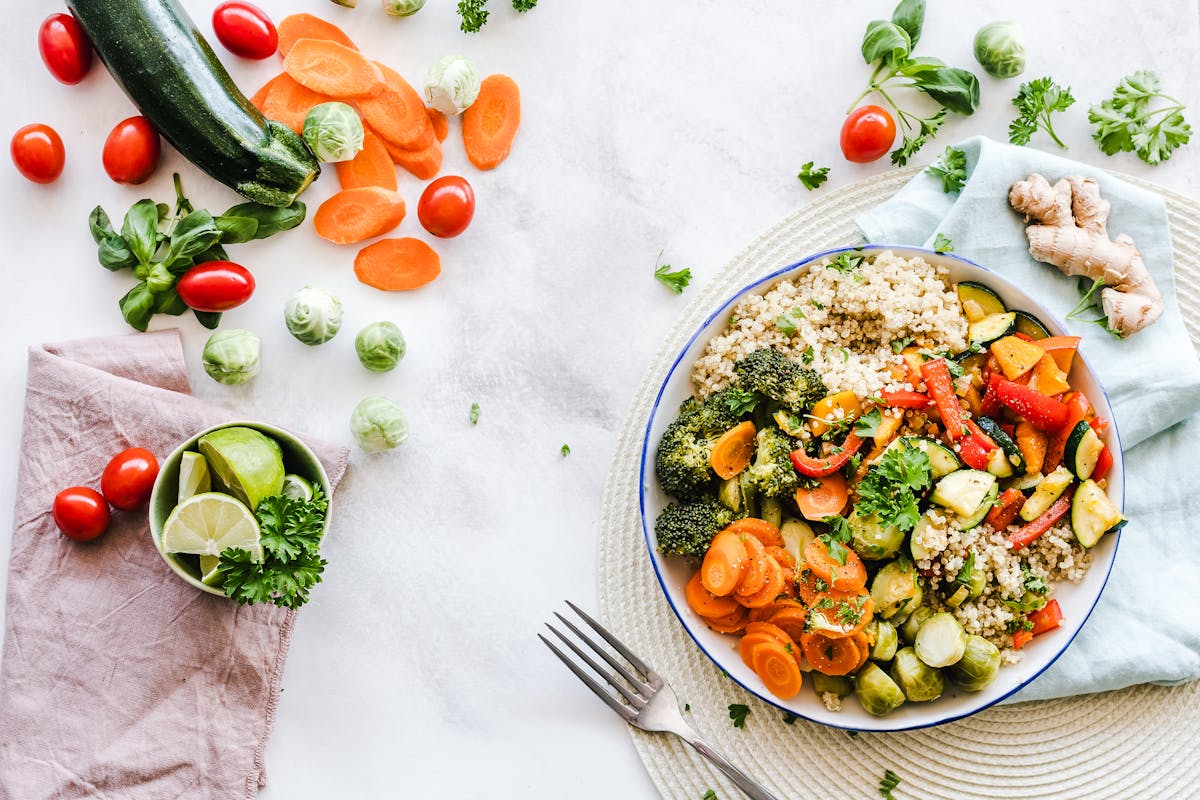
Recipe: Mediterranean-Inspired Longevity Bowl (Plant-Forward, High-Fiber)
To bring these ideas to life, here’s a vibrant, deeply satisfying Mediterranean-style longevity bowl. It’s loaded with fiber-rich beans and whole grains, colorful vegetables, crunchy nuts, and a lush lemon-garlic olive oil dressing. This is the kind of bowl you’ll genuinely crave—bright, herby, and full of textures—while quietly checking all the boxes for a longevity-supportive meal.
Prep time: 20 minutes
Cook time: 25–30 minutes (mostly hands-off for grains)
Total time: 40–45 minutes
Servings: 2 hearty bowls (or 3 lighter portions)
Difficulty: Easy (great for weeknights)
Dietary: Vegetarian; easily adapted to vegan and gluten-free

Ingredients
For the base
- 1/2 cup (dry) farro or quinoa (for gluten-free)
- 1 cup water or low-sodium vegetable broth
- 1/4 teaspoon sea salt (or to taste)
For the beans and vegetables
- 1 can (about 15 oz / 400 g) chickpeas or cannellini beans, drained and rinsed
- 1 cup cherry tomatoes, halved
- 1 small cucumber, diced
- 1/2 small red onion, thinly sliced
- 2 cups loosely packed mixed greens or baby spinach
- 1/2 cup flat-leaf parsley, roughly chopped
- 1/2 cup kalamata olives, pitted and halved (optional but delicious)
For the lemon-garlic olive oil dressing
- 3 tablespoons extra-virgin olive oil
- 2 tablespoons fresh lemon juice (about 1 small lemon)
- 1 small garlic clove, finely minced or grated
- 1 teaspoon Dijon mustard
- 1/2 teaspoon dried oregano or Italian seasoning
- 1/4 teaspoon sea salt, plus more to taste
- Freshly ground black pepper to taste
For topping
- 1/4 cup walnuts, toasted and roughly chopped
- 2 tablespoons crumbled feta (omit or use vegan feta for dairy-free)
- 1 small avocado, sliced or cubed (optional, but adds luscious creaminess)
Equipment
- Medium saucepan with lid (for grains)
- Cutting board and sharp knife
- Small mixing bowl or jar with lid (for dressing)
- Large mixing bowl (for tossing beans and vegetables)
- Two serving bowls
- Small skillet (for toasting walnuts, optional)
Step-by-Step Instructions
- Cook the grains.
Rinse the farro or quinoa under cool water. In a medium saucepan, combine grains with water or broth and salt. Bring to a boil, then reduce to a gentle simmer, cover, and cook:- Farro: 20–25 minutes, until tender with a pleasant chew.
- Quinoa: 15 minutes, until fluffy and the little “tails” unfurl.
- Prepare the dressing.
In a small bowl or jar, whisk or shake together olive oil, lemon juice, garlic, Dijon, oregano, salt, and black pepper until the dressing looks slightly creamy and emulsified. Taste and adjust seasoning—remember, this dressing should be bright and tangy to wake up the whole bowl. - Chop the vegetables and herbs.
While the grains cook, halve the cherry tomatoes, dice the cucumber, thinly slice the red onion, and roughly chop the parsley. Place them in a large mixing bowl along with the rinsed beans and olives. - Toss the beans and veggies with dressing.
Pour about two-thirds of the dressing over the bean and vegetable mixture. Toss gently until everything is glistening. Let it sit for at least 5–10 minutes if you have time—the beans will soak up flavor, and the onions will mellow. - Toast the walnuts.
In a small dry skillet over medium heat, toast the walnuts for 3–4 minutes, stirring frequently, until they smell nutty and deepen slightly in color. Remove from heat to prevent burning. This step is optional but adds gorgeous aroma and crunch. - Assemble the bowls.
Divide the warm grains between two serving bowls. Arrange a handful of greens or spinach on one side of each bowl. Spoon the dressed beans and vegetables generously over the grains and greens. Top with avocado slices (if using), toasted walnuts, and crumbled feta. - Finish and serve.
Drizzle the remaining dressing over the top. Add an extra squeeze of lemon or crack of black pepper if you like. Serve immediately, enjoying the contrast of warm grains, cool crisp vegetables, creamy beans, and crunchy nuts.
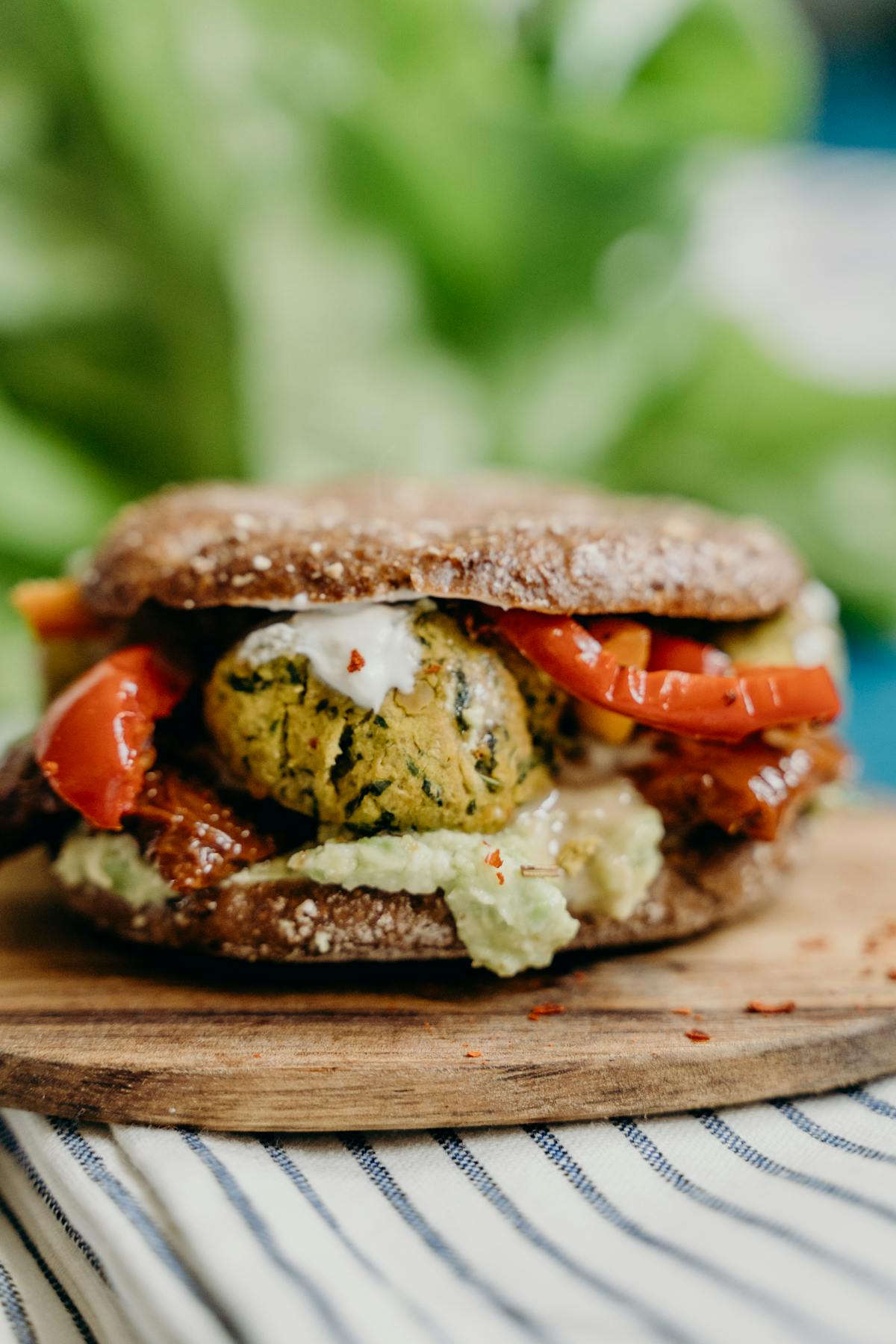
Variations and Dietary Adaptations
Storage and Meal Prep Tips
This longevity bowl is ideal for meal prep. To keep textures fresh:
- Store components separately: Keep cooked grains, dressed beans and veggies, greens, and toppings in separate containers in the fridge.
- Refrigeration: Grains and beans keep well for 3–4 days in an airtight container. Greens are best within 2–3 days.
- Reheating: Warm the grains briefly in a skillet with a splash of water or in the microwave until just heated through. Assemble with cold components so you get a pleasing contrast of temperatures.
- Make-ahead dressing: The lemon-garlic dressing will keep for about 5 days in the fridge. Shake well before using, as it will separate.
Serving Suggestions and Complementary Longevity-Friendly Dishes
To turn your longevity bowl into a full Blue Zone- or Mediterranean-inspired meal, pair it with:
- A small bowl of lentil or minestrone soup for extra fiber and comfort.
- A side of garlicky sautéed greens (like spinach or chard) with lemon.
- A mug of green tea or herbal tea after the meal.
- For dessert, a handful of berries with a square of dark chocolate.
Over time, these meals become more than a “protocol.” They turn into comfort food—the kind that makes your body feel steady and your future self quietly grateful.
Closing Thoughts: Evidence, Enjoyment, and Your Personal Longevity Mix
The rising wave of celebrity longevity diets and biohacking content has a double edge. On one side, it’s drawing attention to undeniably powerful basics: plant-forward eating, movement, sleep, and nutrient-dense whole foods. On the other, it can complicate things with expensive gadgets, elaborate supplement routines, and rigid rules that don’t fit real lives.
You don’t have to duplicate anyone’s protocol to eat for a longer, healthier life. Let the Blue Zones and Mediterranean traditions offer a flavorful foundation, borrow only the structure that helps you feel your best, and remember that pleasure, culture, and connection are themselves part of a truly sustainable longevity diet.
