
Eat Like the Blue Zones: A Mediterranean Longevity Bowl You’ll Actually Crave
Mediterranean and “Blue Zones” eating has moved beyond trend status into a way of life: think colorful bowls piled high with beans, olive oil, and vegetables that feel like something you might eat on a sunlit terrace in Ikaria or Sardinia, yet are totally doable in a busy weekday kitchen.
The recipe below—our Mediterranean Blue Zones Longevity Bowl—captures that spirit. It’s plant-forward, olive-oil rich, and joyfully unfussy: a one-bowl meal that leans on chickpeas, beans, whole grains, and crunchy raw vegetables, exactly the kind of food linked with better heart health, cognitive support, and longer healthspan in longevity research.
Prep time: 20 minutes
Cook time: 25 minutes (if cooking grains/beans)
Total time: 45 minutes
Servings: 2–3 generous bowls
Difficulty: Easy, beginner-friendly
Dietary: Vegetarian; easily vegan and gluten-free
If you’re shifting from short-term dieting to long-term living well, this bowl is a perfect place to start: mostly plants, plenty of fiber, luxurious olive oil, and absolutely nothing that feels like punishment.
Mediterranean & Blue Zones Eating: Longevity on a Plate
Around the world, pockets of people regularly live into their 90s and beyond—places like Okinawa, Ikaria, Sardinia, Nicoya, and Loma Linda. Despite cultural differences, their plates tend to look surprisingly similar:
- Beans, lentils, chickpeas, whole grains, and vegetables at almost every meal.
- Olive oil and nuts as the main fats.
- Very little ultra-processed food or added sugar.
- Modest amounts of fish, eggs, and fermented dairy; meat is occasional.
- Meals eaten slowly, often with family or community.
Our longevity bowl takes these principles and translates them into something you can throw together with supermarket staples—no special powders or supplements, just deeply satisfying, rustic food.
Ingredients for a Mediterranean Longevity Bowl
Core Bowl Components
- 1 cup (180 g) cooked brown rice or farro (for a hearty whole-grain base)
- 1 cup (170 g) cooked chickpeas, drained and rinsed
- 1 cup (170 g) cooked black beans or lentils, drained and rinsed
- 1 small red onion, thinly sliced
- 1 cup (150 g) cherry tomatoes, halved
- 1 small cucumber, diced
- 1 red or yellow bell pepper, diced
- 2 cups (60 g) baby spinach or mixed leafy greens
- 1/4 cup (30 g) pitted Kalamata olives, halved
- 1/4 cup (30 g) crumbled feta cheese (optional; omit for vegan)
- 2 tbsp toasted sunflower seeds or pumpkin seeds
- 1 ripe avocado, sliced
Lively Lemon–Olive Oil Dressing
- 3 tbsp extra-virgin olive oil
- 2 tbsp fresh lemon juice
- 1 small garlic clove, very finely minced
- 1 tsp dried oregano or mixed Italian herbs
- 1/2 tsp ground cumin
- 1/4 tsp smoked paprika (optional, for depth)
- Sea salt, to taste
- Freshly ground black pepper, to taste
Finishing Touch
- Fresh parsley or basil leaves, for garnish
Equipment You’ll Need
- Medium saucepan (if cooking grains from scratch)
- Colander or sieve for rinsing beans
- Sharp chef’s knife and cutting board
- Large mixing bowl
- Small bowl or jar with lid for dressing
- Serving bowls (wide, shallow bowls are ideal for layering)
If you have nothing more than a good knife, a pot, and a bowl, you’re already equipped to cook in a Mediterranean, longevity-focused way.
How to Make a Mediterranean Blue Zones Longevity Bowl
- Cook your grain base.
If you’re starting from dry grains, cook 1/2 cup (90 g) brown rice or farro according to package directions until tender. You should end up with about 1 cup cooked. Fluff with a fork and let it cool slightly so it doesn’t wilt the vegetables completely. - Prep the vegetables.
Halve the cherry tomatoes, dice the cucumber and bell pepper, thinly slice the red onion, and rinse and pat dry your leafy greens. Aim for bite-sized, easy-to-scoop pieces so every forkful has a bit of everything. - Rinse and dry the beans.
Drain the chickpeas and black beans (or lentils) and rinse under cold water until it runs clear. Shake off excess water and gently pat dry with a clean tea towel—this helps the dressing cling better and keeps the bowl from getting watery. - Whisk together the lemon–olive oil dressing.
In a small bowl or jar, combine olive oil, lemon juice, minced garlic, oregano, cumin, smoked paprika (if using), salt, and pepper. Whisk or shake until slightly thickened and aromatic. The dressing should smell bright, garlicky, and warmly spiced. - Marinate the beans.
In a large mixing bowl, toss the chickpeas and black beans with about half of the dressing. Let them sit for 5–10 minutes. This tiny pause infuses each bean with flavor, turning them into the “meaty” heart of your bowl. - Build your longevity bowls.
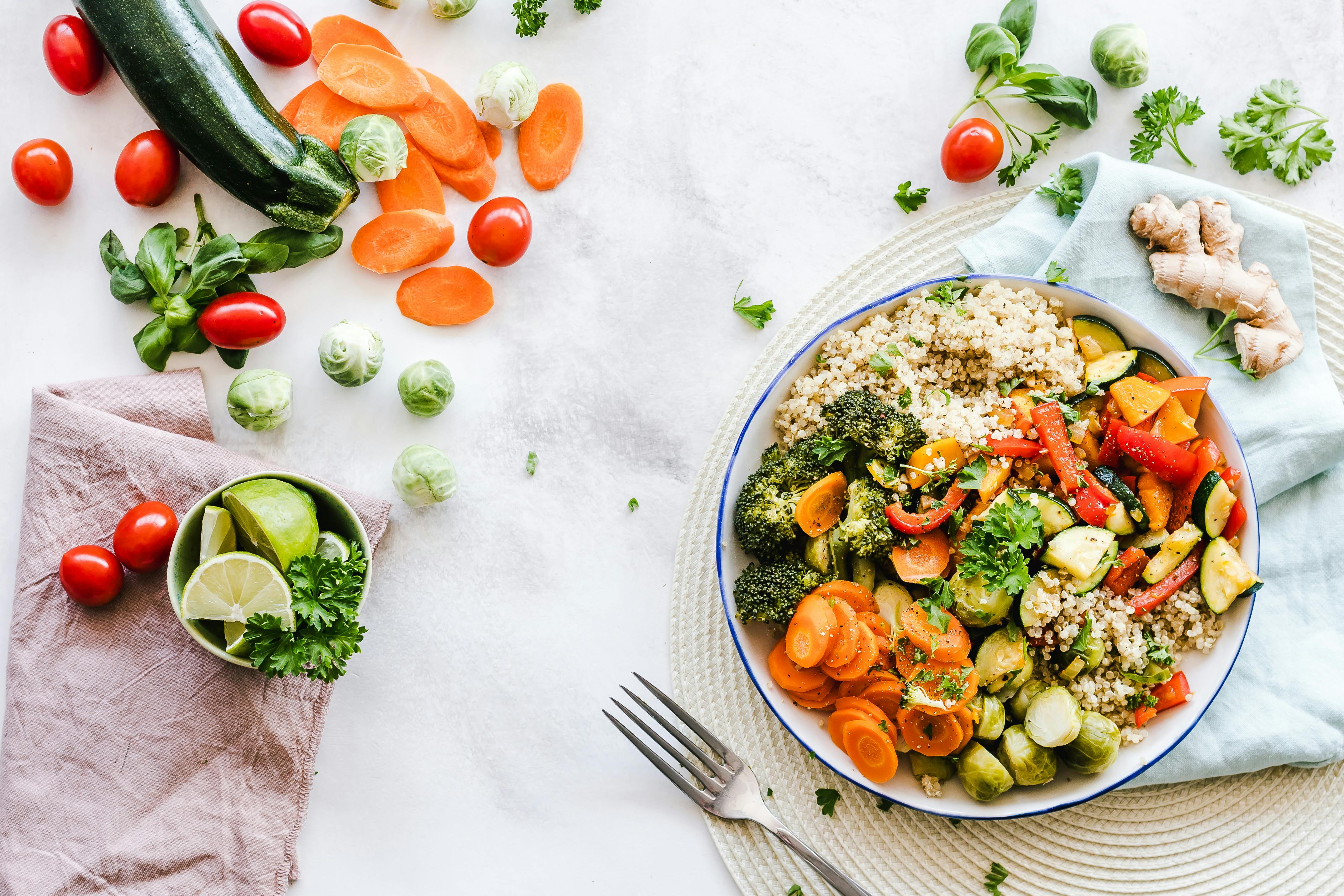
Divide the cooked grain between 2–3 bowls. Arrange the spinach or greens on one side, then spoon the marinated beans over the grains. Add mounds of tomatoes, cucumber, bell pepper, and olives around the bowl, creating colorful sections. - Add creamy and crunchy contrasts.
Top each bowl with avocado slices, a sprinkle of feta (if using), and toasted seeds. Drizzle the remaining dressing over everything, letting it pool slightly in the grains. - Finish with fresh herbs and season to taste.
Scatter chopped parsley or basil over the top. Taste and add a final squeeze of lemon, extra pepper, or a pinch more salt if needed. Serve right away while the grains are just warm and the vegetables are crisp.
What This Longevity Bowl Tastes Like
Expect a bowl that’s alive with contrast. The grains are gently chewy and nutty, a grounding base for the silky olive oil. The beans are tender and lemony, scented with garlic and oregano, with just enough cumin to hint at warm earthiness without overpowering the dish.
Every bite pops with juicy tomatoes, cool cucumber, and sweet crunch from bell pepper. Briny olives and feta add little sparks of saltiness, while the avocado melts against the tangy dressing. Toasted seeds bring a subtle roastiness you can actually hear as you bite down.
It’s the kind of meal that leaves you feeling full but light, satisfied rather than sluggish—the way traditional Mediterranean and Blue Zones meals are meant to.
Ingredient Substitutions & Dietary Adaptations
Make it Vegan
- Omit the feta cheese, or replace with a crumbly vegan feta or marinated tofu.
- Everything else in the bowl is naturally plant-based.
Make it Gluten-Free
- Use brown rice, quinoa, or millet instead of farro or other wheat-based grains.
- Double-check that your feta and spices are certified gluten-free if you’re highly sensitive.
Swap the Beans or Grains
- Any bean works here: cannellini, borlotti, white beans, or lentils are all classics in Mediterranean kitchens.
- Try barley, bulgur, or freekeh for different textures, if gluten isn’t an issue.
Boost the Vegetables
- Add roasted eggplant, zucchini, or broccoli for a warm element.
- Stir in fresh herbs like mint or dill to nudge things even closer to the Aegean.
Storage & Make-Ahead Tips
Longevity eating thrives on batch cooking—cook once, eat well all week.
- Grains: Cook a big batch and refrigerate for up to 4 days in an airtight container. Splash with a little water before reheating.
- Marinated beans: Keep in a sealed container in the fridge for 3–4 days. They get even more flavorful as they sit.
- Chopped vegetables: Store separately in containers lined with a paper towel to catch moisture; use within 2–3 days.
- Dressing: Keeps in the fridge for about a week. Let it come to room temperature and whisk before using (olive oil may solidify when cold).
- Fully assembled bowls: Best eaten fresh, but you can pre-assemble without avocado and seeds, then add those just before serving.
Reheating Guidelines
- Warm grains gently in the microwave or on the stovetop with a spoonful of water.
- Keep the beans and vegetables at room temperature or chilled, then pile onto warm grains for a lovely temperature contrast.
- Avoid reheating avocado or leafy greens to keep their texture and nutrients intact.
How to Serve Your Longevity Bowl (Blue Zones Style)
In Blue Zones, the how of eating matters as much as the what. Make this bowl part of a small, relaxed ritual rather than something you inhale over your keyboard.
- Serve with a slice of whole-grain sourdough for dipping into extra olive oil and juices.
- Add a side of simply dressed leafy greens with lemon and olive oil for even more plant power.
- Round out the meal with a small bowl of seasonal fruit for dessert—figs, oranges, or berries are all very Mediterranean.
- Enjoy with still or sparkling water flavored with lemon or herbs. Some traditional cultures include a small glass of wine with meals, but many modern longevity experts recommend minimizing or skipping alcohol.
Take ten extra minutes. Sit at a table. Put your phone away. Savor each bite. Longevity starts with moments like these.
Making Longevity a Lifestyle, Not a Phase
Mediterranean and Blue Zones inspired recipes like this longevity bowl are resonating so strongly right now because they trade punishment for pleasure. Instead of chasing dramatic weight loss, they focus on healthspan—staying strong, clear-minded, and joyful for as many years as possible.
Start by weaving this bowl into your week once or twice, then slowly nudge the rest of your meals in the same direction: more beans and vegetables, more olive oil, fewer ultra-processed “shortcuts,” and as many shared, unhurried meals as you can manage.
You don’t have to move to Ikaria or Sardinia to eat like you belong there—your kitchen, just as it is, is more than enough.
