
CRISPR in Real Life: From Gene Therapy Breakthroughs to DIY Biohacking Culture
CRISPR‑Cas systems, first identified as part of bacterial immune defenses, have become the most powerful and versatile gene‑editing tools in modern biology. As of early 2026, they now underpin approved human therapies, late‑stage clinical trials, and a growing ecosystem of consumer‑facing “bio‑creator” culture on TikTok, YouTube, and X (Twitter). This convergence of medicine, maker culture, and ethics is reshaping how society thinks about editing DNA.
At the same time, regulators, ethicists, and scientists are working to ensure that CRISPR’s transition from bench to bedside—and from lab to living room—remains safe, equitable, and responsible. Understanding both sides of this story is crucial for students, patients, policymakers, and curious observers.
Mission Overview: CRISPR’s Leap from Concept to Clinic and Culture
The “mission” of CRISPR‑based gene editing today spans two very different but interconnected arenas:
- Clinical mission: Use CRISPR to treat or potentially cure serious genetic diseases in a safe, controlled, and ethically governed way.
- Cultural mission: Democratize understanding of genetics, enabling students, educators, and responsible DIY biologists to explore molecular biology hands‑on.
These missions share common technology but diverge dramatically in risk tolerance, regulation, and societal impact. The same basic mechanism—guide RNA directing a Cas protein to a specific DNA sequence—can either transform the life of a patient with a debilitating blood disorder or power a science‑class experiment that makes bacteria glow green.
“CRISPR is no longer just something you read about in a Nature paper—patients are getting treated, and high‑school students are doing basic edits in classrooms. That’s unprecedented for a biotechnology this powerful.” — Paraphrased perspective inspired by Jennifer Doudna’s public talks
Clinical Breakthroughs: In‑Human CRISPR Therapies
The most visible sign that CRISPR has “arrived” in medicine is the regulatory approval and late‑stage development of gene‑editing therapies for severe inherited diseases. Among the most advanced are treatments for sickle cell disease and beta‑thalassemia, alongside early trials in liver and eye disorders and oncology.
Ex Vivo Editing for Blood Disorders
One of the landmark achievements has been ex vivo CRISPR editing of hematopoietic stem and progenitor cells (HSPCs) to treat:
- Sickle cell disease (SCD)
- Transfusion‑dependent beta‑thalassemia (TDT)
In these therapies, patient stem cells are collected, edited in a specialized lab, and then reinfused after conditioning chemotherapy. The edit typically targets a regulatory element to reactivate fetal hemoglobin (HbF), compensating for the defective adult hemoglobin.
- Mobilize and harvest blood stem cells from the patient.
- Use CRISPR‑Cas9 ribonucleoprotein complexes to edit the HbF regulatory region.
- Expand and quality‑control the edited cells (checking on‑target efficiency and off‑target risks).
- Condition the patient with chemotherapy to make “space” in the bone marrow.
- Reinfuse the edited cells and monitor recovery and clinical endpoints.
Clinical data published through 2024–2025 show that many patients become free from severe pain crises (in SCD) or chronic transfusions (in TDT), with durable HbF levels. This transition has turned CRISPR from a theoretical cure into an approved therapeutic option in multiple regions.
In Vivo Editing of the Liver
Another frontier is in vivo editing—delivering CRISPR components directly into the body, often via lipid nanoparticles (LNPs) or adeno‑associated viral (AAV) vectors. Targets include:
- Familial hypercholesterolemia via editing of PCSK9 or related genes to permanently reduce LDL‑cholesterol.
- Transthyretin (ATTR) amyloidosis via disruption of the TTR gene in hepatocytes to reduce misfolded protein production.
Early-phase trials have reported substantial and long‑lasting reductions in disease‑relevant proteins after a single infusion, illustrating the potential of one‑time gene editing treatments. However, in vivo editing raises heightened concerns about:
- Off‑target edits in non‑liver tissues.
- Immunogenicity of Cas proteins and delivery vehicles.
- Irreversibility of permanent edits to somatic cells.
Ophthalmic and Oncology Applications
The eye is an attractive site for CRISPR‑based interventions because it is relatively self‑contained, immune‑privileged, and accessible for direct injection. Clinical trials are investigating:
- Inherited retinal diseases such as Leber congenital amaurosis (LCA).
- Other monogenic blindness syndromes where precise gene correction could preserve or restore vision.
In oncology, CRISPR is mainly used to engineer immune cells ex vivo. For example:
- Editing T‑cell receptors (TCRs) to improve recognition of tumor antigens.
- Knocking out inhibitory receptors (like PD‑1 in some contexts) to enhance anti‑tumor activity.
- Constructing “armored” CAR‑T cells with multiple edits for solid tumors.
“CRISPR has become a central tool in next‑generation cell therapies, letting us stack multiple genetic changes to make smarter, more resilient immune cells.” — Comment inspired by talks from leading immunotherapy researchers
Technology: From CRISPR‑Cas9 to Base and Prime Editing
While CRISPR‑Cas9 remains the workhorse of gene editing, the field has diversified substantially. Newer platforms aim to improve precision, reduce double‑strand breaks, and expand the types of edits possible.
Classic CRISPR‑Cas9
In its canonical form, CRISPR‑Cas9 uses:
- A guide RNA (gRNA) that base‑pairs with the target DNA sequence.
- A Cas9 nuclease that introduces a double‑strand break near a PAM motif (often NGG for SpCas9).
The cell’s repair machinery—non‑homologous end joining (NHEJ) or homology‑directed repair (HDR)—then resolves the break, allowing insertions, deletions, or precise corrections when a donor template is provided.
Base Editing
Base editors fuse a disabled or “nickase” Cas enzyme with a deaminase to enable single‑nucleotide conversions without cutting both DNA strands. The two primary classes are:
- Cytosine base editors (CBEs): C•G → T•A conversions.
- Adenine base editors (ABEs): A•T → G•C conversions.
These are particularly attractive for diseases driven by point mutations, where a small edit can restore normal gene function with fewer byproducts than full DSB‑based editing.
Prime Editing
Prime editing combines a Cas9 nickase with a reverse transcriptase and a specialized guide (pegRNA) that encodes the desired edit. It can:
- Insert or delete short stretches of DNA.
- Correct many types of point mutations.
- Do so without donor templates and with fewer DSBs.
Although still in earlier stages of translation compared to Cas9, base and prime editing are trending within expert circles due to their theoretical safety advantages and versatility.
AI‑Assisted Guide Design and Off‑Target Prediction
Recent years have seen rapid deployment of machine‑learning models to support:
- Guide RNA design: Predicting efficiency and specificity at a given locus.
- Off‑target prediction: Identifying likely unintended cut sites across the genome.
- Cas variant engineering: Designing novel Cas proteins with altered PAM requirements or reduced off‑target activity.
Tools such as CRISPRoff and machine‑learning based scoring algorithms are increasingly integrated into both academic pipelines and commercial design platforms.
DIY Biohacking Culture: Community Labs, Kits, and Creator Science
As CRISPR entered mainstream news and pop culture, a parallel movement of community biology and DIY experimentation gained traction. Makerspaces and community labs offer shared equipment, safety training, and supervised projects that bring molecular biology to a broad audience.
What DIY CRISPR Really Looks Like
Despite sensational headlines, most DIY CRISPR activity is modest and educational. Typical experiments include:
- Editing E. coli to acquire antibiotic resistance markers or color changes (using safe, non‑pathogenic strains under supervision).
- Introducing plasmids that cause yeast or bacteria to fluoresce under blue or UV light.
- Running PCR, gel electrophoresis, and basic cloning to learn core molecular biology skills.
Commercial CRISPR kits for classrooms and hobbyists, such as bacterial gene‑editing starter sets, help demystify the technology. They are generally restricted to biosafety level 1 (BSL‑1) organisms and benign genetic changes.
Social Media and the “Bio‑Creator” Economy
Platforms like TikTok, YouTube, and X host a growing ecosystem of:
- Science communicators explaining CRISPR mechanisms, ethics, and clinical trials with animations and demos.
- Hands‑on experimenters showing fluorescent bacteria, DIY lab builds, and protocol walkthroughs.
- Debunkers and safety advocates responding to misleading or risky “biohacking” claims.
Most reputable DIY biologists emphasize compliance with local biosafety rules and reject medical self‑experimentation. However, isolated cases of individuals attempting unsupervised “gene therapies” on themselves have drawn criticism and regulatory attention.
“Community labs can be powerful engines of education and innovation, but they must operate with a culture of safety, transparency, and respect for public trust.” — Paraphrased from statements by DIYbio.org contributors
Ethical DIY vs. Dangerous Stunts
It is crucial to distinguish:
- Responsible DIY biology: community labs, student projects, open‑source protocols, and non‑clinical experiments with safe organisms.
- Hazardous activities: any attempt at self‑administration of gene therapies, work with pathogens outside licensed facilities, or unregulated human experimentation.
Experts and regulators strongly condemn the latter, and reputable community labs typically prohibit medical or pathogen work, focusing instead on education and non‑clinical innovation.
Scientific Significance: A New Layer of Programmable Biology
CRISPR’s impact extends far beyond individual therapies or consumer kits. It has effectively turned DNA into a programmable substrate for engineering, accelerating basic research and translational science across disciplines.
- Genetics and evolution: Rapid creation of knock‑out or knock‑in models in mice, zebrafish, and organoids has reshaped how we study gene function and evolutionary pathways.
- Microbiology: Editing microbes to understand host–pathogen interactions, microbiome dynamics, and antimicrobial resistance.
- Developmental biology: Lineage tracing and perturb‑seq experiments that link specific edits with transcriptomic changes at single‑cell resolution.
- Synthetic biology: Designing genetic circuits, metabolic pathways, and programmable biosensors in organisms from bacteria to plants.
The combination of CRISPR with single‑cell sequencing, high‑throughput screening, and AI‑based analysis is enabling systematic mapping of genotype‑phenotype relationships on an unprecedented scale.
Milestones: From Discovery to In‑Human Use
Over roughly a decade, CRISPR has moved from arcane curiosity to everyday term in science news. Key milestones include:
- 2000s–early 2010s: Discovery that clustered regularly interspaced short palindromic repeats (CRISPR) form part of bacterial adaptive immunity, and that Cas proteins can be reprogrammed with guide RNAs.
- 2012–2013: Foundational papers showing Cas9 can be directed to cut virtually any DNA sequence, providing a general‑purpose editing tool.
- Mid‑2010s: Explosion of CRISPR use in basic research; rapid spread of genome editing across model organisms.
- 2018: Global backlash to the announcement of CRISPR‑edited babies, prompting renewed emphasis on governance of germline editing.
- Late 2010s–early 2020s: First human trials of CRISPR‑based therapies for blood, eye, and liver diseases.
- 2023–2025: Regulatory approvals of ex vivo CRISPR therapies for sickle cell disease and beta‑thalassemia in several jurisdictions, alongside expanding in vivo trial portfolios.
- Ongoing: Increasing prominence of base and prime editing, AI‑aided design tools, and integration with cell and gene therapy pipelines.
Each milestone has triggered waves of discussion across scientific journals, policy forums, and mainstream media, driving both excitement and caution.
Challenges: Safety, Access, Governance, and Public Perception
Despite remarkable progress, CRISPR‑based therapies and DIY culture face significant technical, ethical, and social hurdles.
Safety and Off‑Target Effects
A central concern is whether edits may occur at unintended genomic sites or cause large‑scale rearrangements. Current strategies include:
- Using high‑fidelity Cas variants and optimized gRNAs to reduce off‑target cleavage.
- Employing comprehensive sequencing (e.g., whole‑genome sequencing, long‑read methods) to characterize edited cells.
- Testing for genotoxicity and tumorigenicity in preclinical models before human use.
Equity and Cost
Many first‑generation gene therapies—including CRISPR‑based ones—are extremely expensive, often costing in the seven‑figure range per patient. This raises questions about:
- Who gets access to curative treatments?
- How health systems should fund one‑time, high‑cost interventions with long‑term benefits.
- Global disparities between high‑income and low‑ and middle‑income countries.
Ethics of Germline and Enhancement Editing
The 2018 revelation of CRISPR‑edited human embryos brought germline editing from fiction into fraught reality. Since then:
- Most professional societies have called for moratoria or strict limits on heritable genome editing.
- There is broad consensus that current applications should remain in somatic, therapeutic contexts, not enhancements.
- Debates continue over whether any future germline editing could ever be ethically permissible, even for severe and otherwise untreatable conditions.
Regulating DIY Biology Without Stifling Innovation
Regulators face the task of:
- Discouraging unsafe “biohacking” that involves human experimentation or prohibited organisms.
- Supporting legitimate community labs that promote literacy, innovation, and transparent communication with public‑health authorities.
- Monitoring online marketplaces and content that could inadvertently encourage harmful activities.
Thoughtful governance aims to channel curiosity into safe, constructive projects while drawing clear lines around activities that cross into biomedical intervention or biosafety risk.
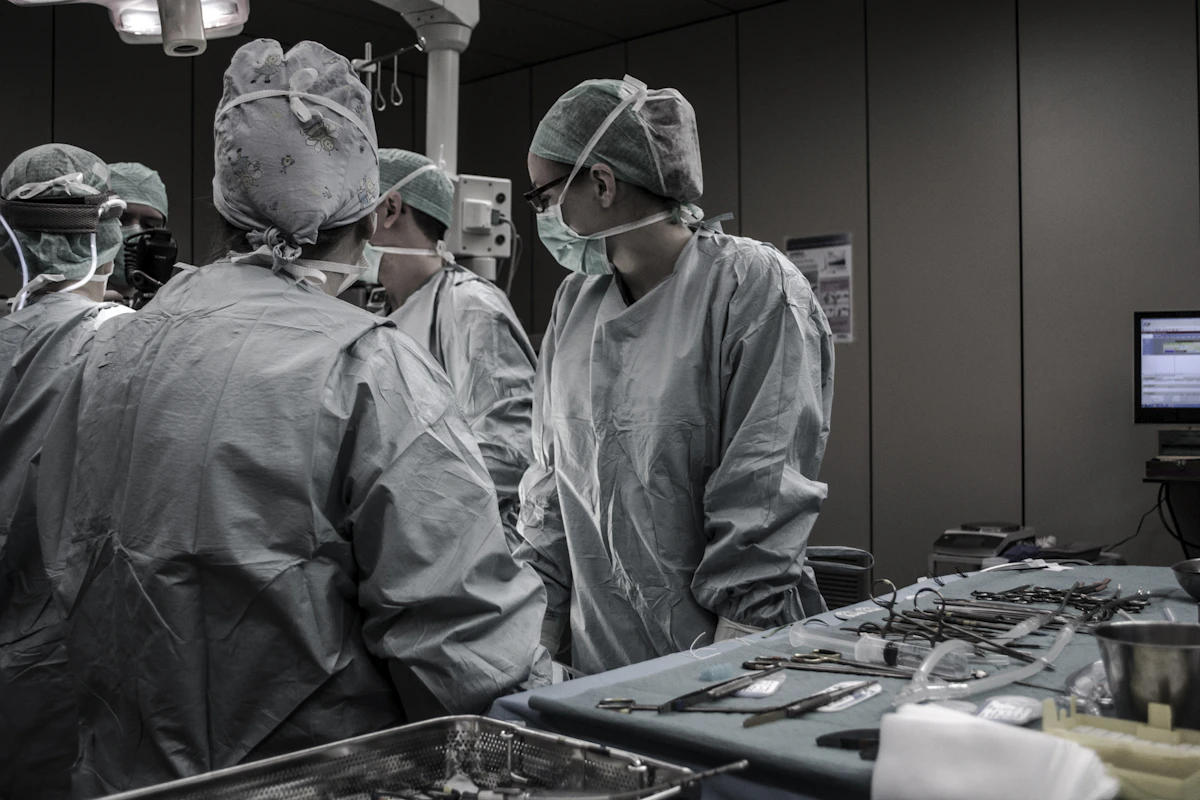
Visualizing CRISPR and the Bio Revolution


Learning Tools and Further Exploration
For students and educators who want to explore CRISPR concepts safely and ethically, several resources stand out:
- Educational lab kits: Classroom‑oriented CRISPR and molecular biology kits that use safe organisms and well‑vetted protocols can facilitate structured learning under instructor supervision.
- Introductory textbooks and guides: Accessible books on gene editing and biotechnology can provide essential conceptual background before attempting any lab work.
- Online courses and videos: Many universities and reputable channels offer free modules explaining CRISPR, base editing, and gene therapy in clear, visual formats.
When selecting any hands‑on material, always ensure it is clearly labeled for educational use, adheres to biosafety guidelines, and explicitly prohibits clinical or self‑experimentation.
For deeper theoretical understanding, look for lectures and interviews with leaders in the field such as:
Conclusion: Navigating a CRISPR‑Powered Future
CRISPR has entered a pivotal phase. On one hand, ex vivo and in vivo gene‑editing therapies are offering life‑changing benefits to patients with severe genetic diseases, in some cases with a single treatment. On the other, an increasingly visible DIY and creator culture is bringing molecular biology into classrooms, homes, and community labs around the world.
To realize CRISPR’s full potential while minimizing risks, society will need:
- Robust, adaptive regulatory frameworks that keep pace with technical advances.
- Clear ethical boundaries that prioritize patient welfare and reject unsafe experimentation.
- Broad public engagement, literacy, and dialogue about what it means to edit the code of life.
CRISPR is no longer just a revolutionary lab technique; it is a medical reality and a cultural reference point. How we collectively choose to use—and limit—it will shape medicine, biotechnology, and public trust for decades to come.
Additional Notes: Staying Informed and Evaluating Claims
As news and social media posts about CRISPR proliferate, it is useful to adopt a critical lens:
- Check sources: Prefer peer‑reviewed articles, reputable medical centers, and recognized news outlets over anonymous or sensational posts.
- Be wary of “miracle cure” language: Legitimate gene therapies emphasize risks, eligibility criteria, and long‑term follow‑up.
- Understand the difference between lab experiments and therapies: A protocol that edits bacterial DNA in a petri dish is fundamentally different from a regulated clinical trial.
- Consult healthcare professionals: Patients considering participation in trials or approved therapies should always discuss options with qualified clinicians and genetic counselors.
By combining curiosity with careful attention to evidence and ethics, individuals and communities can engage constructively with the CRISPR revolution—supporting innovation while safeguarding health and public trust.
References / Sources
Selected reputable sources for further reading:
