
Could a Shingles Shot Help Slow Aging and Protect Your Brain?
Shingles vaccine: Could it also help your brain and biological age?
If you’ve ever watched a parent, partner, or friend struggle with memory loss, you know how frightening age-related decline can feel. Now, emerging research suggests a surprising ally in healthy aging: the shingles vaccine. Beyond preventing a painful rash, studies in older adults suggest the shingles shot may be linked to slower biological aging, lower chronic inflammation, and a lower risk of dementia.
These findings are exciting, but they don’t mean a vaccine is a magic anti-aging bullet. Rather, they hint that keeping our immune systems on track—by preventing infections like shingles—might help protect our brains and bodies over time.
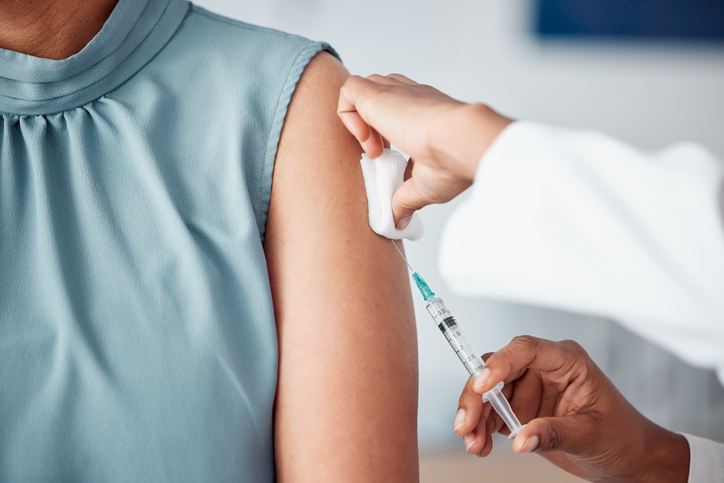
In this article, we’ll walk through what the latest research actually shows, how the shingles shot might influence aging and dementia risk, and how to decide—together with your doctor—whether it fits into your own healthy aging plan.
The challenge: Aging, inflammation, and dementia risk
As we age, two processes quietly shape our long-term health:
- Immunosenescence – the gradual weakening of the immune system, making infections more common and harder to bounce back from.
- Inflammaging – a state of long-term, low-grade inflammation that’s linked with heart disease, frailty, and brain decline.
Shingles—caused by a reactivation of the chickenpox virus—hits older adults especially hard. It doesn’t just cause a rash; it can trigger long-lasting nerve pain and stress the immune system at a time when resilience is already declining.
At the same time, dementia has become one of the most feared outcomes of aging. While there is no guaranteed way to prevent it, researchers are increasingly looking at how infections, inflammation, and immune health interact with brain aging.
What the new shingles vaccine research actually found
Recent analyses of older adults who received the shingles vaccine compared with those who did not found several intriguing differences. Vaccinated participants showed:
- Lower levels of long-term, low-grade inflammation
Blood tests suggested reduced markers of chronic inflammation in the vaccinated group. - Slower “epigenetic” aging
Epigenetic clocks—tools that estimate biological age based on chemical tags on DNA—ticked more slowly in people who had received the shingles shot. - Slower “transcriptomic” aging
Patterns in how genes were switched on and off (gene expression) also looked more “youthful” in the vaccinated group. - Lower dementia risk
In population studies, adults who received the shingles vaccine were less likely to be diagnosed with dementia over time than those who did not.
“These findings do not prove that the shingles vaccine directly slows aging, but they suggest that preventing certain infections may support healthier immune and brain aging in older adults.”
Importantly, these are associations, not proof of cause and effect. People who get vaccinated may also be more health-conscious overall, which could partly explain the benefits. Researchers try to account for this, but some uncertainty always remains.
How could a shingles shot influence biological aging?
Scientists are still untangling the “why,” but several plausible mechanisms are emerging:
- Preventing shingles outbreaks
Every significant infection is a stress test for the body. Avoiding shingles may reduce inflammatory “hits” that accelerate biological aging. - Reducing chronic inflammation
The new data hint that vaccinated seniors have lower baseline inflammation, a key driver of many age-related diseases. - Supporting a more resilient immune system
Vaccination can “train” the immune system in ways that sometimes go beyond a single disease, a concept called trained immunity. - Indirect brain protection
Less inflammation and fewer severe infections may help maintain blood vessel health and reduce processes that contribute to dementia.

A real-world example: Two different aging journeys
Consider two fictional but realistic patients in their early 70s, both with similar health histories.
Maria decides to get the shingles vaccine after discussing it with her doctor. Over the next five years, she avoids shingles entirely. Her routine lab work shows fairly stable inflammatory markers, and she continues walking daily.
James delays vaccination. At 73, he develops a severe episode of shingles with lasting nerve pain. The infection sidelines his activity for months, worsens his sleep, and his blood work afterward shows higher inflammatory markers. While this is just one story, it reflects what broader data suggest: avoiding serious infections may help preserve resilience in later life.
“We can’t say that one shot will change your destiny, but it may be one of many small choices that nudge your health in a better direction.”
Aging is never about a single decision. The shingles vaccine is one tool that, combined with movement, sleep, nutrition, and social connection, may support a healthier trajectory.
Who should consider the shingles vaccine?
Official recommendations can vary by country, but in many regions (such as the U.S.), health authorities recommend a two-dose shingles vaccine series (recombinant zoster vaccine, often known as Shingrix) for:
- Adults 50 years and older, even if they’ve had shingles before.
- Adults 19 and older with weakened immune systems (for example, from certain medications or conditions), where permitted by local guidelines.
People who should be especially careful and seek personalized medical advice include those who:
- Have had a serious allergic reaction to a previous dose or vaccine component.
- Are currently very ill or have a high fever.
- Are pregnant or planning pregnancy (data are more limited).
How to talk with your doctor about the shingles shot and brain health
If the idea of supporting healthy aging and possibly lowering dementia risk speaks to you, here’s a simple way to approach the conversation with your clinician:
- Share your goals
Explain that you’re interested in staying independent, protecting your brain, and reducing infection risk as you age. - Ask about timing
Ask when it would be best for you to receive the shingles vaccine, especially if you’re also due for flu, COVID-19, or pneumonia shots. - Review your medical history
Discuss any immune conditions, prior reactions, or medications that might affect vaccine decisions. - Clarify expectations
Confirm that the main proven benefit is shingles prevention, with possible added advantages for inflammation and aging still being studied.
Common obstacles—and how to overcome them
It’s completely understandable to have questions or concerns about any vaccine. Here are a few common barriers, with practical ways to address them:
- “I’m worried about side effects.”
Most side effects are mild and temporary—such as arm soreness, fatigue, or low-grade fever for a day or two. Ask your doctor what to expect and how to manage symptoms. - “I’m healthy; do I really need it?”
Shingles risk rises with age regardless of how fit you feel. The vaccine is about protecting your future self as much as your present one. - Cost and access
Coverage varies by insurance and region. Ask your pharmacist, insurer, or local health department about coverage, low-cost programs, or community clinics. - Information overload
It’s easy to feel overwhelmed. Focus on trusted sources—major health organizations, your clinician, and peer-reviewed research—rather than headlines alone.
At a glance: Shingles vaccine and healthy aging
Here is a simple “before and after” style comparison that reflects patterns seen in the research. This is a general overview—not a prediction for any one person:
| Aspect | Without shingles vaccine | With shingles vaccine |
|---|---|---|
| Shingles risk | Higher, especially after age 50 | Substantially reduced |
| Chronic inflammation | May be higher on average | Linked with lower levels in studies |
| Biological aging markers | May progress faster | Associated with slower epigenetic and transcriptomic aging |
| Dementia risk | Baseline population risk | Lower rates observed in vaccinated groups (association, not proof) |
What the science still doesn’t know yet
While the headlines are hopeful, it’s important to keep the uncertainties in view:
- We don’t yet know exactly how much the vaccine contributes to slower aging compared with other lifestyle factors.
- Most data are observational; randomized trials focused on aging markers and dementia outcomes are still limited.
- We don’t know whether the benefits are the same for all ethnicities, age groups, or people with complex medical conditions.
That said, the shingles vaccine’s primary benefit—preventing shingles and its complications—is already well established in large, rigorous studies.
For up-to-date, evidence-based information, see:
Putting it all together: A realistic step toward healthier aging
The emerging science around the shingles shot, biological aging, and dementia is encouraging: preventing a common viral reactivation in later life may offer broader protection than we once realized. But it’s only one piece of a larger puzzle that also includes movement, nutrition, blood pressure control, mental stimulation, and staying socially connected.
A grounded way to think about the shingles vaccine is this: it’s a proven shield against shingles, with promising signs that it may also support healthier immune and brain aging. No guarantees, no magic—just one more smart layer of defense.

If you or a loved one is over 50, consider using this week to:
- Check your current vaccine record (or ask your clinic for a copy).
- Schedule a brief appointment—or even a phone call—with your doctor or pharmacist to ask about the shingles shot.
- Discuss how vaccination fits into your broader plan for brain and body health as you age.
You can’t control everything about getting older, but you do have choices. The shingles vaccine is one evidence-informed option that may help you stack the odds a little more in your favor.
