
Celebrity ‘Clean Girl’ Glow-Up Diets: Do They Really Make Your Skin Glow?
Celebrity ‘Clean Girl’ & Glow‑Up Diets: Skin, Aesthetics, and Nutrient‑Rich Minimalism
Scroll through TikTok or Instagram for just a few minutes and you’ll find a wave of celebrity and influencer “clean girl” or “glow‑up” diets: perfectly poured green smoothies, avocado toast on rustic whole‑grain bread, glistening salmon with roasted vegetables, and pastel snack plates piled with berries and nuts. Instead of dramatic weight‑loss promises, these routines sell something more subtle but equally powerful—clear, radiant skin, a “snatched” jawline, glossy hair, and that effortless, minimalist glow.
Underneath the aesthetic, these glow‑up diets are shaping how millions of people—especially young women—think about what it means to eat “well.” Some habits are genuinely helpful; others quietly normalize under‑eating, comparison, and pseudoscience. Let’s unpack what’s on the plate, what’s rooted in nutrition science, and how you can take the best parts of this trend without harming your relationship with food.

What Are “Clean Girl” and “Glow‑Up” Diets?
The “clean girl” and “glow‑up” aesthetics sit at the intersection of beauty, wellness, and social media performance. They’re pushed through:
- “What I eat in a day to stay glowy” vlogs from celebrities and mega‑influencers
- Aesthetic morning routine Reels with matcha, lemon water, and gym clips
- Day‑in‑the‑life TikToks showing smoothie bowls, salad jars, and “debloating” teas
- Podcast interviews where public figures list their “non‑negotiable” wellness habits
The focus is less on the scale and more on visible, photogenic results: poreless skin, bright eyes, sculpted cheekbones, and an overall “put‑together” vibe. Food becomes both fuel and prop—the plate needs to look as good on camera as it tastes in real life.
In this world, a smoothie isn’t just breakfast. It’s a brand statement: simple, “clean,” and aspirational.
Minimal, “Clean” Ingredient Lists and Whole Foods
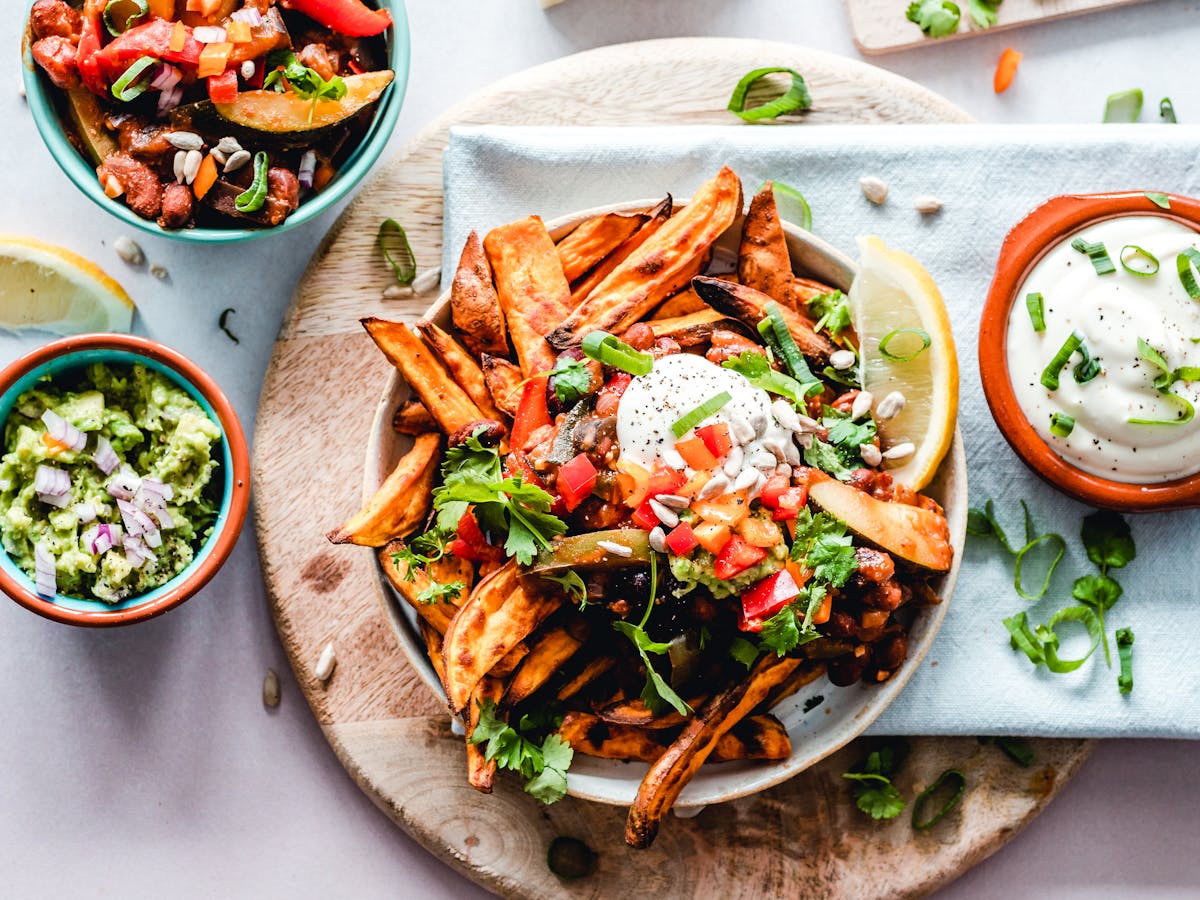
One of the strongest themes in glow‑up diets is minimalism: short ingredient lists, fewer ultra‑processed foods, and lots of “real,” whole ingredients. On camera, you’ll often see:
- Green smoothies with fruit, leafy greens, and plant‑based milk
- Avocado toast on seeded whole‑grain bread, sprinkled with chili flakes
- Roasted salmon with broccoli, sweet potato, or asparagus
- Big salads with mixed greens, grilled chicken or chickpeas, olive oil, and lemon
- Snack plates of berries, nuts, hummus, sliced cucumbers, and bell peppers
The plates are colorful, neatly arranged, and very photogenic. This actually aligns with some solid nutrition principles: more fiber, healthy fats, vitamins, and fewer ultra‑processed snacks.
Skin‑Focused “Superfoods”: What Actually Helps Your Glow?
Glow‑up content is obsessed with skin. Certain foods and supplements are constantly branded as “glow‑inducing,” “elasticity‑boosting,” or “hydrating from within.” Common stars include:
- Omega‑3 rich foods: salmon, sardines, mackerel, chia seeds, flaxseeds, walnuts
- Vitamin C sources: citrus fruits, berries, kiwi, bell peppers, broccoli
- Antioxidant‑rich picks: green tea, matcha, dark berries, cocoa
- Collagen powders and bone broth
- Drinks branded with hyaluronic acid or “skin hydration” claims
From a scientific standpoint, many of these choices do support skin health as part of an overall diet:
- Omega‑3 fats help reduce inflammation, which may support calmer, less reactive skin.
- Vitamin C is essential for collagen production and helps protect against oxidative damage.
- Antioxidants from plants may help buffer skin from environmental stressors.
However, no single food or powder will replace consistent patterns: enough calories, balanced macros, plenty of plants, and lifestyle factors like sleep and stress management.
Hydration Rituals: Chlorophyll, Lemon Water, and Reality
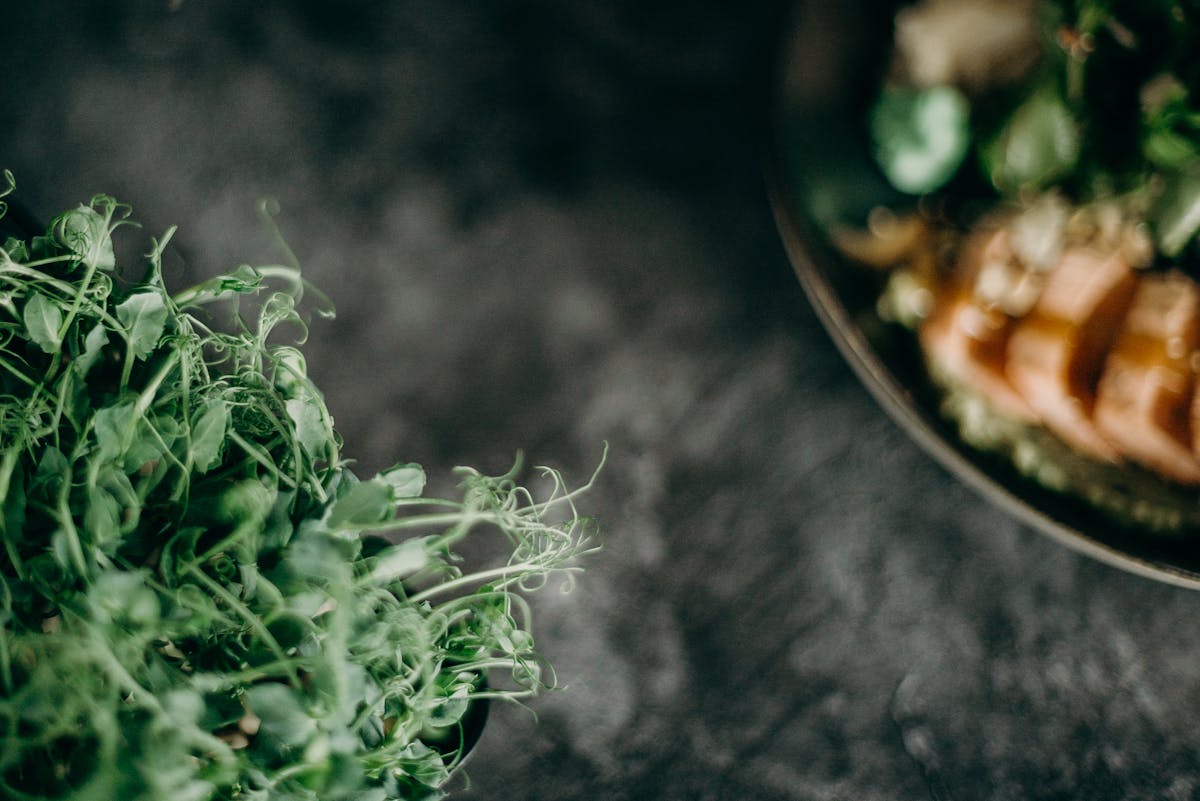
No glow‑up routine is complete without a signature drink. On social media, you’ll see:
- Giant reusable water bottles as fashion accessories
- Lemon water upon waking “to detox and jump‑start digestion”
- Chlorophyll drops turning water emerald green
- Electrolyte mixes after workouts or nights out
The science is simpler and less glamorous:
- Staying well‑hydrated can support healthy skin appearance, energy, and digestion.
- Lemon water is just flavored water with a bit of vitamin C. It doesn’t “detox” you; your liver and kidneys already do that.
- Chlorophyll supplements have limited evidence in humans for skin benefits; many claims are overstated.
- Electrolytes can be helpful during long, sweaty workouts or illness, but daily life usually doesn’t require special mixes.
The good news: the trend nudges people away from sugary drinks toward water and unsweetened teas, which is a clear win for most diets.

Light Meals, Debloating, and the Flat‑Stomach Fixation
“That girl” food diaries often feature a string of light, visually airy meals: smoothie bowls, yogurt parfaits, salad lunches, and veggie‑heavy dinners. Many creators also share “debloating” hacks promising a consistently flat stomach.
Popular debloat tactics include:
- Ginger shots or ginger tea
- Peppermint, fennel, or dandelion teas
- Low‑sodium, less ultra‑processed foods
- Occasional probiotics or “gut health” powders
Some of this is sensible—many people do feel better with less heavily salted, ultra‑processed food and more fiber. But there are concerns:
- Normal digestion includes some bloating and fluctuation. A perfectly flat stomach 24/7 is unrealistic.
- Very light meals, when combined with intense workouts, can under‑fuel the body, especially in teens and young adults.
- Obsessing over bloat can feed anxiety and disordered eating patterns.

Celebrity Tie‑Ins and Aspirational Wellness
Celebrity and high‑profile influencer content fuels much of the clean‑girl, glow‑up narrative. Interview clips and vlogs often highlight:
- Cold‑pressed juices and expensive organic produce deliveries
- Specialty supplements, powders, and elixirs with branded packaging
- Personal chefs or nutritionists designing “skin‑supportive” menus
- Luxury wellness products like adaptogenic lattes and functional chocolates
These videos are compelling and highly shareable, but they blend lifestyle, advertising, and personal preference. What’s rarely emphasized:
- Access to professional skincare, dermatology, and cosmetic treatments
- Genetics, lighting, camera filters, and editing
- Time and money resources that most viewers don’t have
It’s absolutely okay to take inspiration from these routines—maybe you discover you love matcha or roasted Brussels sprouts. Just remember that you can build a skin‑supportive, nutrient‑dense way of eating with budget‑friendly ingredients and without a celebrity‑sized wellness budget.
The Good, the Risky, and the Over‑Hyped
Like many trends, glow‑up diets are not all good or all bad. They sit on a spectrum.
Helpful Shifts the Trend Encourages
- More plants: Berries, leafy greens, and colorful vegetables show up in nearly every glow‑up routine.
- Healthy fats: Salmon, avocado, nuts, seeds, and olive oil are framed as beauty foods.
- Hydration: Large water bottles and unsweetened teas replace some sugar‑sweetened drinks.
- Well‑being, not just weight: The conversation expands beyond the scale to include skin, energy, and mood.
Concerns and Criticisms
- Unrealistic beauty standards: A narrow image of “clean” and “glowy” can feed comparison and body dissatisfaction.
- Under‑eating: Some “What I eat in a day” videos show very low calorie intakes that don’t match the activity levels portrayed.
- Pseudoscience: Overblown claims about detox waters, chlorophyll, and “miracle” powders can mislead viewers.
- Over‑supplementation: Layering multiple trendy supplements without guidance can be expensive and occasionally risky.
An Evidence‑Based Glow‑Up: What Nutrition Experts Recommend
Many dietitians and nutrition‑minded dermatologists are creating their own “evidence‑based glow‑up” content to counter extremes. Instead of focusing on single superfoods, they emphasize consistent patterns:
- Colorful plants at most meals to provide vitamins, minerals, antioxidants, and fiber.
- Adequate protein across the day to support skin structure, muscle maintenance, and satiety.
- Healthy fats (especially from fish, nuts, seeds, and olive oil) for cell membranes and hormone balance.
- Stable energy intake that matches your body’s needs—no chronic under‑fueling.
- Supportive habits like quality sleep, stress management, and movement you enjoy.
In other words, your skin and energy reflect your long‑term habits, not yesterday’s matcha or today’s collagen scoop. A relaxed, consistent, nutrient‑rich way of eating does more for your glow than any viral “detox” recipe.
How to Build Your Own Balanced Glow‑Up Routine
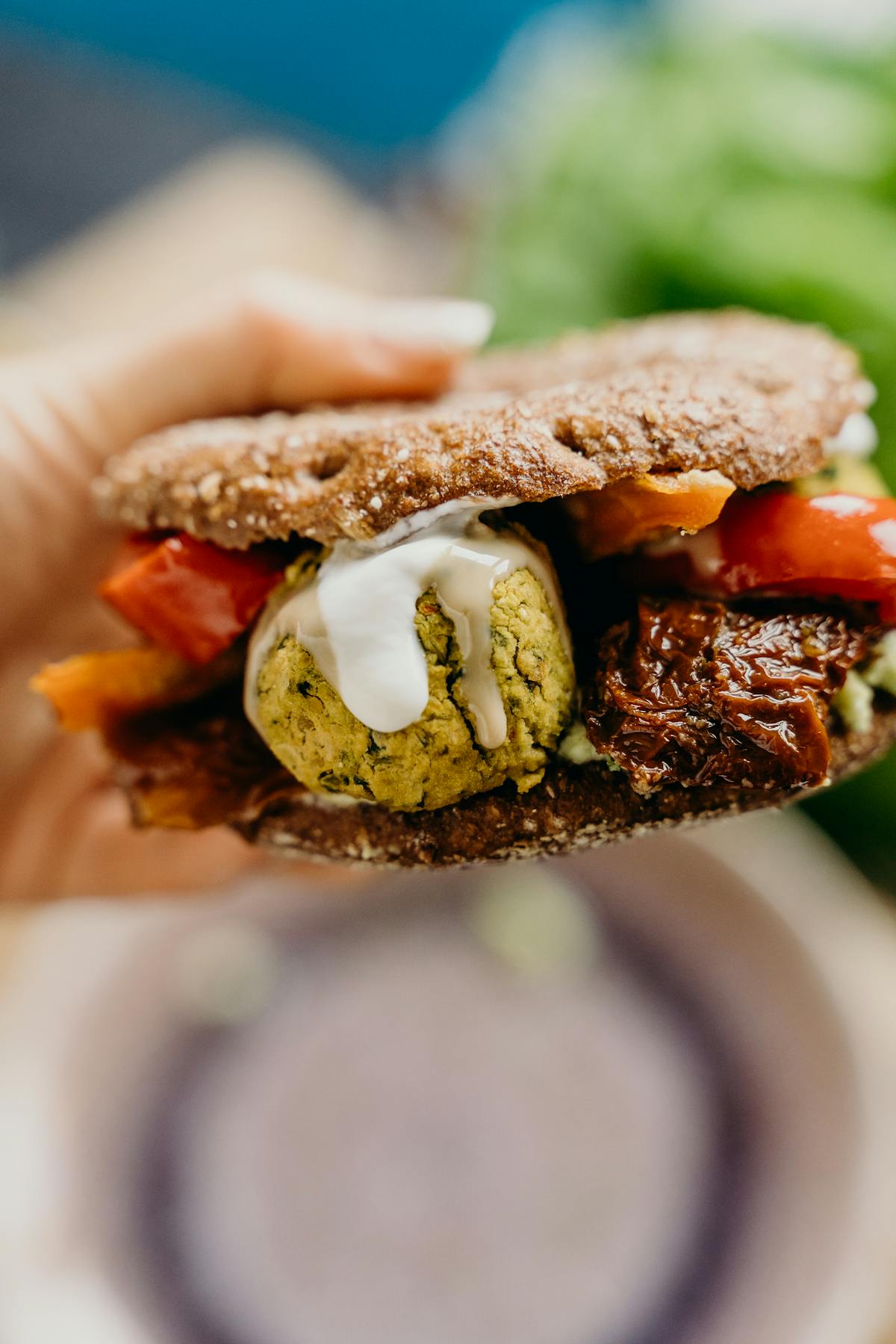
If you enjoy the aesthetics and creativity of clean‑girl content, you don’t need to walk away from it entirely. You can keep the pretty plates and ditch the pressure. A simple framework:
- Start with enough food.
Make sure your meals actually satisfy you for 3–4 hours. Include:- A source of protein (eggs, yogurt, beans, tofu, fish, chicken, lentils)
- Some healthy fats (avocado, nuts, seeds, olive oil)
- Carbohydrates (whole grains, fruit, potatoes, rice, pasta, bread)
- At least one fruit or vegetable
- Color your plate.
Aim for 2–3 colors at most meals: think tomatoes and spinach on eggs, berries and banana in oatmeal, or roasted carrots and broccoli next to salmon. - Hydrate kindly.
Keep water nearby, enjoy herbal teas you like, and treat “detox” claims skeptically. Choose drinks that make you feel good, not guilty. - Use supplements strategically.
If you suspect a nutrient gap (like vitamin D, iron, or B12), talk with a professional before self‑prescribing multiple powders from social media. - Care for your nervous system.
Chronic stress and poor sleep can show on your skin just as clearly as diet. Gentle movement, boundaries with your phone at night, and regular meals all support a calmer body.
The Bottom Line on Glow‑Up Diets
Celebrity‑driven “clean girl” and “glow‑up” diets have undeniably shaped modern wellness culture. They’ve pushed nutrient‑rich foods like berries, leafy greens, salmon, nuts, seeds, and olive oil into the spotlight and got more people thinking about skin health, energy, and overall well‑being—not just weight.
At the same time, they can quietly promote unrealistic standards, under‑eating, and supplement overkill, especially when filtered through highly edited “What I eat in a day” videos. The real glow comes from balance: eating enough, enjoying a variety of whole foods, staying hydrated, sleeping well, and treating your body with steady kindness rather than constant correction.
Use the trend as inspiration, not instruction. Let your plate be colorful, satisfying, and uniquely yours—and remember that the healthiest glow is one you can maintain in real life, far away from filters and ring lights.
