
Can Chilling Your Carbs Really Help You Lose Weight? What Science Actually Says
If you’ve been trying to lose weight and scrolling social media for answers, you’ve probably seen the claims: cook your rice or pasta, chill it, reheat it, and suddenly it’s “low-calorie.” It sounds almost too good to be true—because it mostly is. But there is some real science behind this idea, and used wisely, it can slightly tilt things in your favor while supporting better blood sugar control and gut health.
Let’s walk through what actually happens when you “chill your carbs,” what research (including that discussed by AP News health reporting) really shows, and how to use these strategies realistically—without expecting miracles from a cold bowl of rice.
The Real Problem: Carbs, Calories and Confusing Advice
Many people trying to manage weight, blood sugar, or conditions like prediabetes feel stuck between:
- Wanting to enjoy familiar foods like rice, pasta, bread and potatoes
- Hearing that these same foods “spike insulin” or “turn straight into fat”
- Seeing influencers promising that one simple trick will make calories “disappear”
Influencers often talk about a process called retrogradation—cooking, chilling, then reheating starchy foods. They claim this transforms “fattening carbs” into “weight-loss carbs.” That’s an overstatement, but it’s not pure fiction either.
What Is Retrogradation, Exactly?
Retrogradation is a natural process that happens to starch—the main carbohydrate in foods like:
- White and brown rice
- Pasta and noodles
- Potatoes and sweet potatoes
- Bread and some baked goods
When you cook these foods, their starch molecules absorb water and swell. As they cool down, parts of those starches reorganize and “tighten up” into a form your digestive enzymes can’t easily break apart. This is called retrograded starch, and it behaves like a type of resistant starch.
“Retrograded starch is essentially starch that has re-crystallized on cooling and resists digestion in the small intestine, acting more like a fermentable fiber than a typical carbohydrate.”
— Summary of findings from multiple nutrition science reviews (e.g., Nutrients, Journal of Cereal Science)
Because you don’t fully digest this portion of starch, your body gets slightly fewer calories from the same portion of food.
Resistant Starch 101: Fiber-Like Carbs
Resistant starch is a type of carbohydrate that “resists” digestion in the small intestine and passes into the large intestine, where it feeds beneficial gut bacteria—similar to fiber.
- Less digestion, fewer calories
Some of the starch is no longer broken into glucose, so your body absorbs fewer calories from that portion. - Smoother blood sugar response
Because less starch turns into glucose quickly, blood sugar and insulin spikes after the meal may be smaller. - Gut health benefits
Your gut bacteria ferment resistant starch into short-chain fatty acids (like butyrate), which support colon health and may have anti-inflammatory effects.
Can Chilling Carbs Help With Weight Loss?
AP News reporting on this topic highlights what nutrition researchers have been saying for years: chilled carbs are not a weight-loss hack, but they might provide a small advantage when used as part of a balanced plan.
Studies looking at resistant starch and retrograded starch suggest:
- You may absorb slightly fewer calories from a portion of cooled (and even reheated) starch than from the same portion eaten piping hot.
- The reduction is often in the range of a few percent, not 50% or more as some viral posts claim.
- Resistant starch may improve feelings of fullness in some people, which can indirectly support lower calorie intake over time.
“We’re not talking about a magic switch that turns white rice into a diet food. The calorie reduction is real but modest—think of it as a gentle nudge, not a free pass.”
— Registered dietitian quoted in coverage of resistant starch research
That means:
- If your portion sizes are very large, chilling won’t cancel that out.
- If your overall eating pattern is high in calories, sugar, and ultra-processed foods, retrograded starch won’t fix it.
- As a small tweak within an already reasonable plan, it can contribute—especially for people watching blood sugar.
How to “Chill Your Carbs” Safely and Effectively
If you’d like to experiment with this, here’s a practical, food-safe way to do it.
Step-by-step method
- Cook the starch fully
Prepare rice, pasta, potatoes or other starchy foods as you normally would, using safe cooking temperatures. - Cool quickly
Spread the food in a shallow container so it cools faster, then place it in the refrigerator within 1–2 hours to reduce food safety risks. - Chill adequately
Chill for at least 8–12 hours. Research suggests that longer cooling increases the formation of retrograded starch. - Eat cold or reheat
You can eat the food cold (like potato salad) or gently reheat it. Much of the resistant starch remains even after reheating. - Control portions
Measure or visually check your serving size—chilling doesn’t make it unlimited.
Everyday Meal Ideas Using Cooled Carbs
Here are some realistic ways to fit chilled or reheated carbs into a weight-conscious, blood-sugar-friendly eating pattern.
1. Rice-based dishes
- Cook a pot of brown or white rice, cool and refrigerate overnight, then:
- Stir-fry with plenty of vegetables, egg, and lean protein for a balanced fried rice.
- Use in poke-style bowls with fish or tofu, vegetables, and a light sauce.
2. Pasta and grain salads
- Make whole-grain pasta, quinoa, or barley salads loaded with:
- Non-starchy vegetables (like tomatoes, cucumbers, spinach)
- Lean protein (chickpeas, grilled chicken, tuna)
- Olive-oil-based dressings for heart-healthy fats
3. Potatoes done smarter
- Boil or roast potatoes, cool them in the fridge, then:
- Transform into a lighter potato salad with yogurt-based dressing.
- Reheat and serve with a large side of vegetables and protein instead of butter and sour cream heavy toppings.
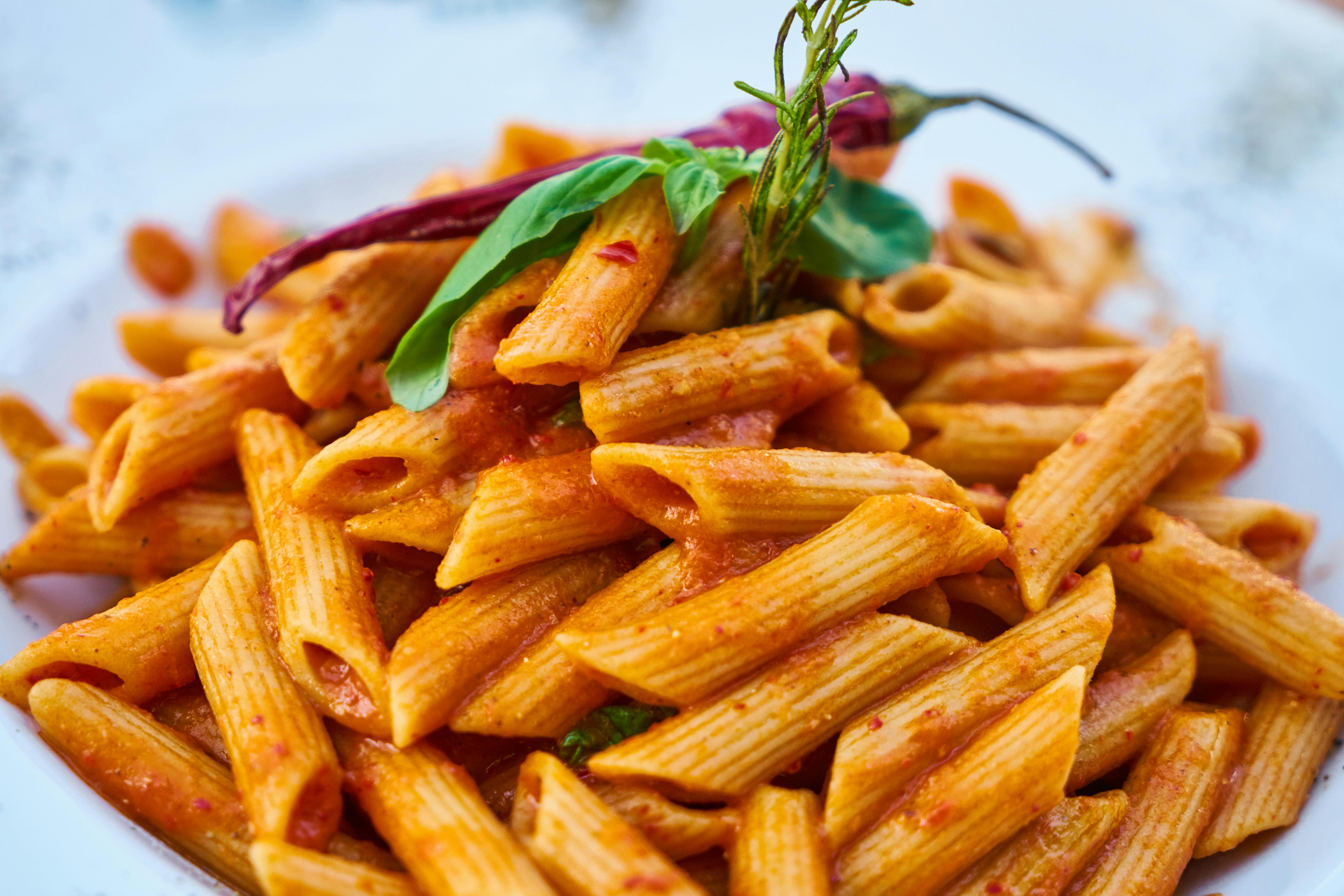
Before and After: Hot vs. Cooled Carbs
Here’s a simplified comparison showing how chilling changes the picture—not dramatically, but meaningfully enough to be worth considering.
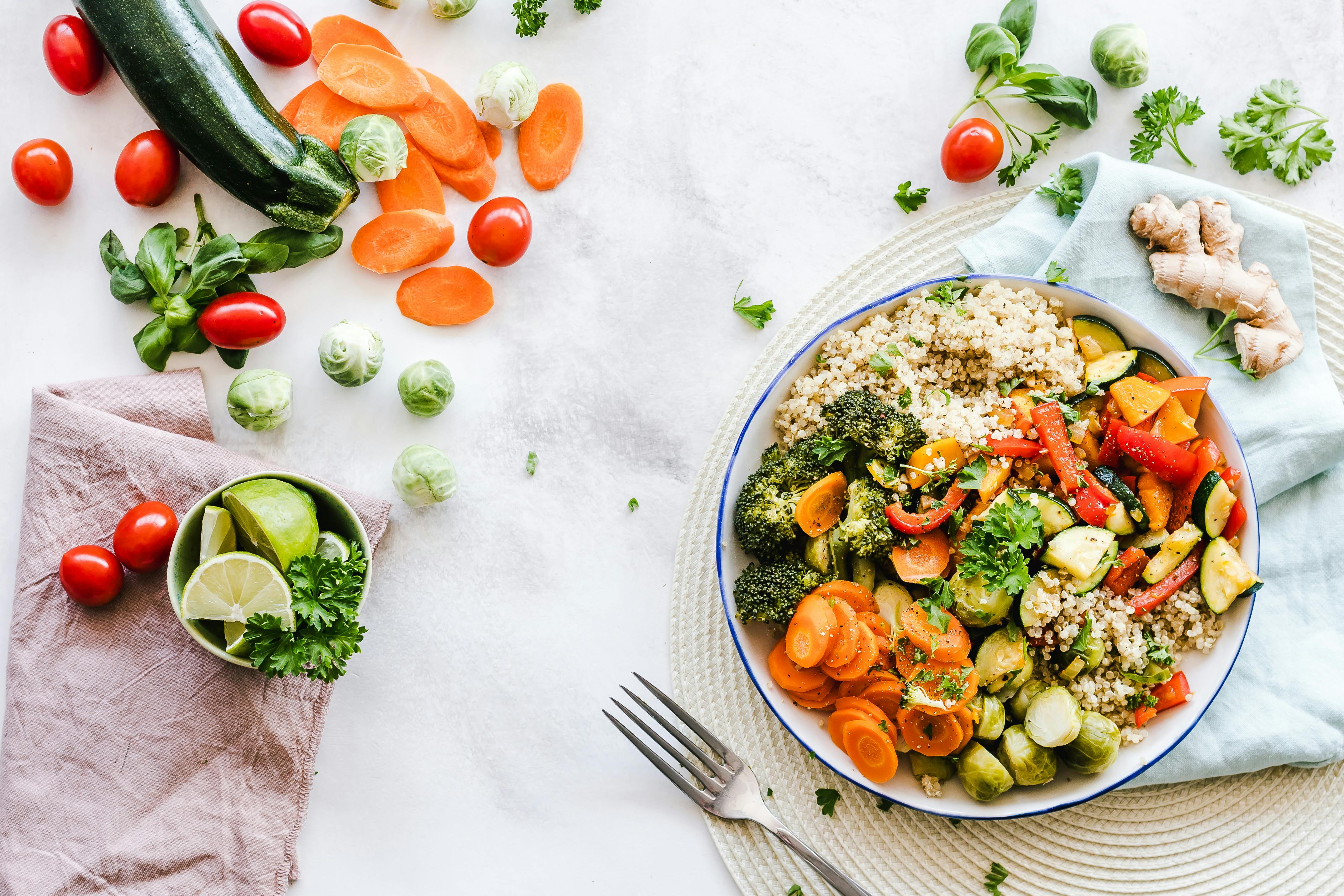

In studies, the change might translate to something like shaving off a small number of calories per serving—helpful over time, but not enough to justify eating unlimited amounts.
Common Obstacles—and How to Handle Them
It’s normal to run into a few practical and mental roadblocks when changing how you eat.
“Leftovers never taste as good.”
Try:
- Adding herbs, spices, or a squeeze of lemon when reheating.
- Turning cold rice or potatoes into salads or grain bowls with flavorful toppings.
“I forget to cook in advance.”
- Pick 1–2 “prep days” per week to cook a batch of starches.
- Store in pre-portioned containers so they’re ready for fast meals.
“I’m worried this won’t be enough to lose weight.”
That concern is valid. Chilled carbs are not a standalone solution. Most people see better results when they combine:
- Slightly smaller portions of starches (chilled or not)
- Higher fiber intake from vegetables, beans, fruits and whole grains
- Consistent movement or exercise
- Enough protein to support satiety and muscle
What Current Science and Experts Actually Say
The body of research on resistant starch and retrograded starch is still growing, but several themes are clear:
- Glycemic impact: Cooled and reheated starches often lead to lower blood glucose and insulin responses compared to the same foods eaten hot.
- Calorie availability: A fraction of the starch becomes resistant, slightly reducing metabolizable energy, but far less than some viral “half the calories” claims.
- Gut health: Regular intake of resistant starch appears to support a healthier gut microbiome and greater production of short-chain fatty acids.
- Weight management: Evidence suggests possible modest support through improved satiety and slightly reduced calorie absorption, but not dramatic weight loss on its own.
So, Should You Start Chilling Your Carbs?
If you enjoy rice, pasta, potatoes and similar foods, using the cook–chill–reheat approach is a low-risk tweak that may:
- Support steadier blood sugar
- Add more resistant starch and benefit your gut
- Trim a small number of calories from your usual portions
It’s not a magic solution, and it works best when combined with:
- Mindful portion sizes
- Higher-fiber, minimally processed foods
- Regular movement
- Enough sleep and stress management
If you live with diabetes, prediabetes or a digestive condition, it’s wise to discuss these strategies with a healthcare professional or registered dietitian. Everyone’s response to carbs is slightly different.
A realistic next step: this week, choose just one starchy food you regularly eat—rice, pasta, or potatoes—and try the cook–chill–reheat method. Notice how it affects your hunger, energy, and satisfaction, then build from there.
