
Bruce Springsteen turns Nationals Park into a protest stage on the ‘Land of Hope and Dreams’ tour finale
Bruce Springsteen brings protest rock to Nationals Park: Inside the “Land of Hope and Dreams” tour finale
Bruce Springsteen’s May 27 concert at Nationals Park in Washington, D.C., closes the North American leg of his politically charged “Land of Hope and Dreams” tour, turning a ballpark just three miles from the White House into a night of rock, reflection, and resistance. For a performer who has spent five decades narrating the American experiment, ending a 20‑date protest tour in the nation’s capital feels less like a routing decision and more like a thesis statement.

Springsteen has never been shy about politics, but this tour leans into protest more explicitly, framing his catalog as a running commentary on inequality, faith in institutions, and the fragile promise of the American dream. Bringing that message to Nationals Park, within earshot of the Capitol, sets up a finale thick with symbolism.
Why Springsteen’s protest tour hits differently in 2026
By 2026, the idea of the “political concert” is no longer novel. From Billie Eilish speaking out on climate change to artists canceling shows in states over legislation, pop and politics are now in open conversation. But Springsteen operates in a different register: his politics are baked into the narrative bones of his songs, less about slogans and more about lived experience.
Set against ongoing debates over voting rights, labor organizing, and cultural polarization, a tour branded as protest from an artist with his cross‑generational reach becomes part rally, part history lesson, part catharsis. The Washington stop turns that into a dialogue with power itself, even if the audience is mostly fans in denim jackets rather than lawmakers in suits.
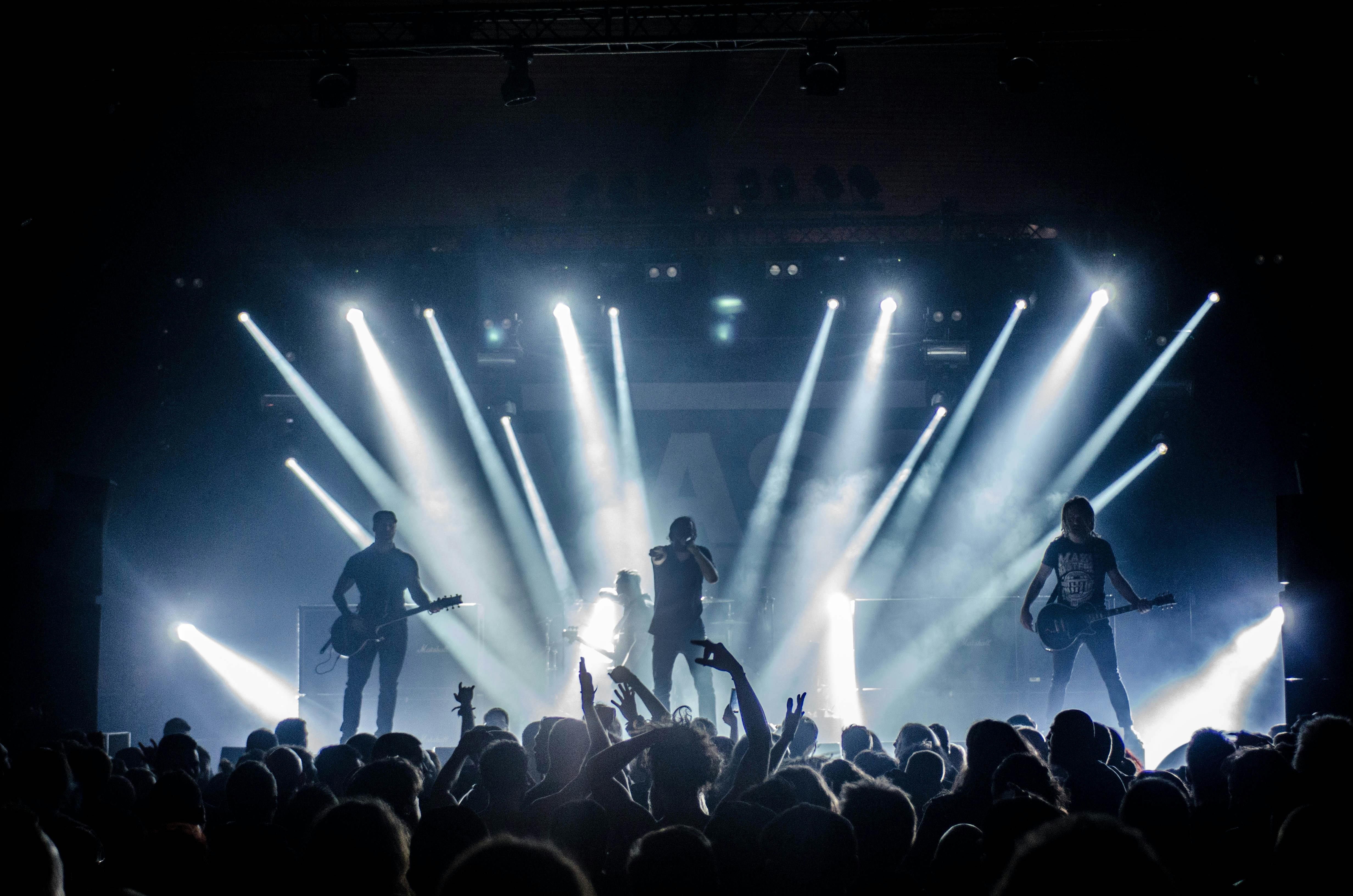
“Springsteen has spent his career chronicling the gap between America’s promise and its reality. A protest tour in his hands is less a detour and more a homecoming.”
From “Born in the U.S.A.” to “The Rising”: A protest setlist hiding in plain sight
The phrase “protest tour” might conjure images of brand‑new topical songs, but Springsteen’s most effective political material has been sitting in his catalog for decades. On recent dates, he’s leaned into songs that interrogate war, economic precarity, and spiritual exhaustion.
Expect a Nationals Park setlist that threads together:
- “Born in the U.S.A.” – often misread as pure patriotism, it’s a sharp critique of how veterans are treated.
- “The River” – a ballad about working‑class dreams derailed by economic realities.
- “The Ghost of Tom Joad” – channeling Steinbeck into a meditation on poverty, migration, and justice.
- “American Skin (41 Shots)” – a haunting piece about policing, race, and fear.
- “The Rising” – grief and resolve in the shadow of national tragedy.
- “Land of Hope and Dreams” – the namesake track functioning as the tour’s mission statement.

What makes the “Land of Hope and Dreams” framing savvy is that it doesn’t require speechifying between every number. The protest is in the sequencing: songs about veterans, factory workers, and spiritual wanderers arranged to tell a clear, if unofficial, story about who gets left out of the American promise.
Nationals Park as a political stage: Performing three miles from the White House
Nationals Park is more than just a big venue; it’s a symbol of D.C.’s transformation over the last two decades—part sports cathedral, part urban‑renewal project, part lightning rod for debates about gentrification. Turning that space into a protest‑tinged rock show folds all of those tensions into the moment.
Playing within a short drive of the White House inevitably invites readings, even if Springsteen never name‑checks a single politician. The geographic proximity turns lines about “the powers that be” and “the fat cats” into veiled letters to the occupants of nearby offices, whether they’re listening or not.

“If you’re going to sing about America’s promises and failures, there’s something fitting about doing it with the Capitol dome somewhere over your shoulder.”
That symbolic charge cuts both ways. For some fans, the D.C. finale is a chance to feel part of a broader civic conversation. For others, it may sharpen worries that politics is crowding out escapism. Springsteen walks that line by making the show emotionally big enough to hold both viewpoints.
The Boss and politics: From “Nebraska” to podcasting with presidents
Springsteen’s political turn didn’t happen overnight. Albums like Nebraska, Born in the U.S.A., and The Ghost of Tom Joad have long confronted crime, war, and working‑class disillusionment. What’s changed is how explicitly he’s framed that material in public life, especially in the last decade.
His collaborations and commentary—most notably his podcast and book project with former President Barack Obama—cemented him as a kind of unofficial cultural historian of late‑20th‑century America. A designated protest tour is the live‑music extension of that role, inviting fans to see the concert not just as entertainment but as a sort of open‑air civic seminar.

Strengths, tensions, and criticisms of a 20‑date protest tour
As an artistic project, the “Land of Hope and Dreams” tour plays to Springsteen’s strengths. It gives shape to the political subtext of his catalog without requiring a radically new sound. The E Street Band can still deliver arena‑sized catharsis, and the protest framing helps contextualize older songs for younger listeners discovering him through streaming and social media clips.
But the tour also raises some fair questions:
- Accessibility and ticket prices: As with many major tours, high demand and dynamic pricing have sparked criticism that shows aimed at working‑class solidarity are financially out of reach for many fans.
- Preaching to the choir: In 2026’s fragmented media environment, a politically branded Springsteen tour likely attracts people who already broadly agree with him. The impact on genuinely undecided listeners may be limited.
- Nostalgia vs. urgency: There’s a tension between the thrill of hearing classic songs and the serious issues they’re meant to highlight. For some, the nostalgia may wash out the politics; for others, it’s precisely the familiar melodies that make the message stick.
“Springsteen can still turn a stadium into a church, but the sermon now includes a reminder to register, organize, and pay attention.”
None of these tensions negate the power of the tour, but they do complicate the idea of protest rock in an era when live music is both a luxury good and a political megaphone.
What the D.C. finale likely feels like from the crowd
For fans in the stands at Nationals Park, the experience is less about granular policy and more about emotion: the roar of “Born to Run” cutting through humid D.C. air, the quiet of “The River” settling over tens of thousands of people, the collective release when “Land of Hope and Dreams” finally appears late in the night.
The political charge arrives in flashes—images on the big screens, dedications before songs, passing references to current events. In between, it’s still a Springsteen show: marathon‑length, band‑of‑brothers camaraderie, sweat‑drenched and generous. The difference is that, by billing this run as a protest tour, he’s quietly asking everyone present to consider what they’ll do with the feelings they’re leaving with.
After the North American leg: Where the “Land of Hope and Dreams” goes next
As the North American leg of the “Land of Hope and Dreams” tour wraps in Washington, D.C., the big question is less where Springsteen plays next and more how this phase of his career will be remembered. Is this the moment he fully embraced the role of elder statesman of American protest music, or simply the latest chapter in a lifelong conversation with his audience about work, dignity, and belonging?
Either way, closing out a 20‑date protest run at Nationals Park feels like a deliberate punctuation mark—a reminder that rock and roll, at its best, doesn’t just soundtrack our lives; it argues with them. In a city built on speeches, Springsteen is betting that three hours of songs can still move people in ways that policy papers can’t.
For official updates on future dates, setlists, and releases, visit Bruce Springsteen’s official site or his IMDb profile for related film and television credits.
