Big Drama, Fewer Nails: How Statement Walls Are Taking Over Your Living Room
The Age of the Loud Wall: Why Your Blank Wall Is Secretly Begging for Drama
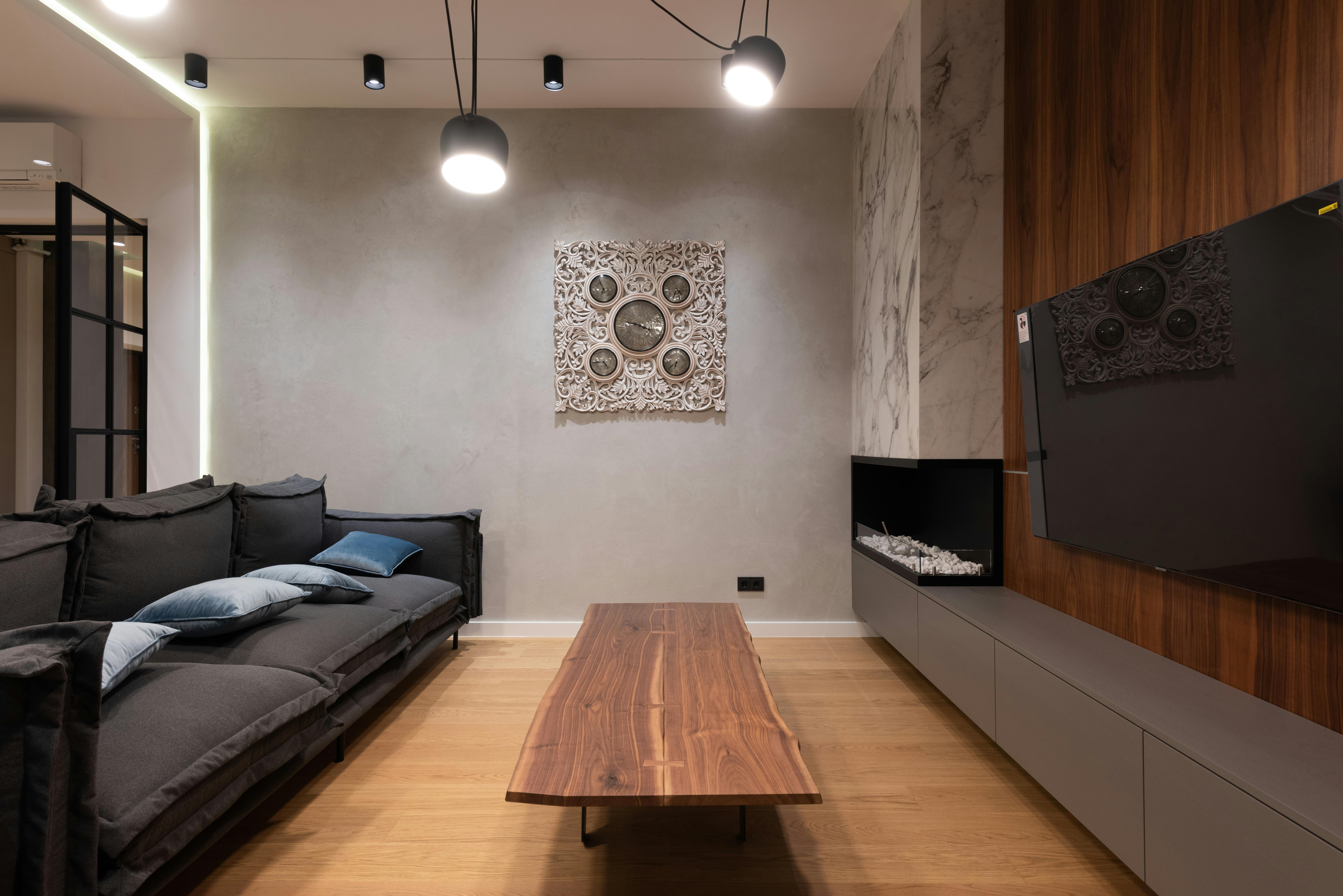
Statement walls with oversized art, gallery ledges, and textured treatments are the easiest way to give your living room or bedroom a high-impact makeover without a full renovation. By focusing on fewer, bolder pieces and simple DIY upgrades, you can transform your space on a budget while keeping things flexible, stylish, and totally social-media ready.
Once upon a time, we covered every wall in tiny frames like a scrapbook that exploded. Now? The internet has decided: less clutter, more kaboom. Wall decor is having a major moment, and the stars of the show are big, bold, simplified statement walls that say, “I pay my bills and I have taste.”
From TikTok DIYers with joint compound in their hair to Pinterest-perfect slat walls, creators are proving you don’t need a full renovation (or a full bank account) to make your home look custom. You just need one good wall and a tiny bit of courage with a level.
Oversized Art: One Big Canvas to Rule Them All
The biggest trend—literally—is oversized art. Instead of a patchwork of small frames, people are choosing one or two large pieces that anchor the room. Think abstract canvases in soft neutrals, minimalist line drawings, or moody landscapes that say “I drink good coffee now.”
Why it works:
- Visual calm: Fewer pieces = less visual noise. Your eyes finally get a lunch break.
- Instant focal point: One big piece tells everyone, “Look here,” which is especially helpful if your couch is… not your best decision.
- Feels expensive (even if it isn’t): Large scale art reads as custom, curated, and a little bit fancy.
The internet’s favorite hack? DIY giant art. Creators are using inexpensive canvases, joint compound for texture, and leftover paint to whip up big, textural pieces. It’s like frosting a cake, except you get to keep it on the wall and no one asks for a slice.
Quick oversized art formula:
- Measure the wall behind your sofa or bed. Aim for your art to be about 60–75% the width of the furniture.
- Buy or build a large canvas (or use a big piece of plywood if you’re more “hardware store” than “art store”).
- Spread joint compound or spackle with a drywall knife in random strokes for texture. No talent required—just vibes.
- Once dry, paint with one or two colors from your existing room palette (walls, rug, or throw pillows).
Bonus tip: If commitment issues run deep, use leaning art—prop a huge frame on a console or dresser instead of hanging it. Same drama, fewer holes, less existential dread.
Gallery Ledges: The “I Change My Mind a Lot” Wall
Gallery ledges (a.k.a. picture ledges) are the people-pleasing diplomats of wall decor: they work with almost any style, are shockingly practical, and forgive you every time you change your mind.
Instead of individually hanging a dozen frames and weeping over your measuring tape, you install a simple, slim shelf and layer frames, photos, and decor objects. When you get bored, you just shuffle things around like a stylish game of Tetris.
Why everyone loves them:
- Low-commitment: Fewer holes in the wall, more chances to experiment.
- Seasonal-friendly: Swap art and accents with the seasons (or your moods).
- Depth and texture: Overlapping frames add visual interest without chaotic clutter.
Great spots for gallery ledges:
- Above the sofa: One or two long ledges with mixed frames and a small plant or sculptural object.
- Above the headboard: A single ledge with calming art and maybe a small, safe, non-breakable object for renters or restless sleepers.
- Over a dresser or console: Layer family photos, travel prints, and one bold piece of art to anchor the arrangement.
Styling rule of thumb: Vary the heights and sizes of frames, but repeat at least one element three times—like the same frame color, matting style, or background tone—so it looks intentional, not like your wall lost a bet.
3D & Textured Walls: When Your Wall Wants Abs
Flat walls are fine. Textured walls, however, look like they have a gym membership. From slat walls to fluted panels and board-and-batten, 3D wall treatments are everywhere across #homeimprovement and #DIY feeds—and for good reason: they add depth, character, and “custom home” energy without a full remodel.
“It looks like a renovation, but my bank account knows it was just MDF and determination.”
Trending textured treatments:
- Slat walls: Vertical or horizontal wood strips installed side by side, often behind TVs, beds, or entry consoles. They add warmth and make ceilings feel taller if you run the slats vertically.
- Fluted panels: Pre-made panels or DIY curves that create a ribbed effect. Perfect behind a bed or on a TV wall if you want texture without pattern overload.
- Board-and-batten / box molding: Simple trim pieces create subtle geometric patterns—great for living rooms, hallways, and dining rooms that need a little architectural “fake it till you make it.”
Beginner-friendly tips:
- Start with one wall, not the whole room. This is “statement wall,” not “statement panic.”
- Paint the wall and trim the same color for a sophisticated, shadowy effect that’s bold but not loud.
- If you rent, look for peel-and-stick panels or mount slats on a large removable board instead of directly to the wall.
Textured walls also photograph beautifully, which is why they dominate social feeds. Shadows and depth show up even in low light, so your 11 p.m. “I just finished my slat wall!” photos still look surprisingly chic.
Boho & Farmhouse: Bigger Baskets, Fewer Trinkets
In boho and farmhouse decor land, we’ve transitioned from “wall basket explosion” to “carefully curated big statement piece.” Instead of a dozen tiny baskets doing the most, you’ll now see one oversized woven tray, a single chunky tapestry, or a dramatic macramé hanging taking center stage.
How to modernize boho and farmhouse wall decor:
- Go large and sparse: One big woven piece over the bed instead of a scattered basket wall.
- Stick to a tight palette: Natural fibers + one accent color from your rug or pillows.
- Mix textures, not chaos: Pair a large basket with a smooth plaster wall or a clean-lined headboard.
The key idea is restraint. Let your statement piece breathe instead of crowding it with cousins, neighbors, and everyone they went to school with.
Minimalist Walls: Negative Space with Main Character Energy
Minimalist home decor content has a hot take: you do not have to decorate every wall. In fact, intentionally bare walls can make your statement pieces shine harder—like a solo on a quiet stage.
Modern minimalist approach:
- One hero per wall: A single oversized mirror, sculptural sconce, or simple framed print is often all you need.
- Neutral, not boring: Combine soft white or beige walls with interesting textures—linen curtains, boucle furniture, or a textured canvas.
- Symmetry with a twist: Two matching sconces flanking a lone piece of art feels calm, not clinical, if the art has movement or texture.
If your space feels chaotic, try removing instead of adding. Take everything off one wall, live with it for a few days, then reintroduce only one or two pieces that genuinely make you happy. Congratulations—you’re now doing high-level curation (and free therapy).
How to Plan Your Statement Wall Without Losing Your Mind (or Level)
Before you grab the drill like a home decor action hero, pause and plan. A strong statement wall is 50% design, 30% measuring, and 20% not eyeballing it “because it looks straight enough.”
A simple planning process:
- Pick your wall’s job.
Is it:- The cozy TV wall?
- The “Zoom background that says I’m professional but fun” wall?
- The bedroom calm zone?
- Choose ONE main move.
Decide whether this wall will be:- An oversized art moment
- A gallery ledge setup
- A textured wall treatment
- A minimalist hero piece (like a giant mirror)
- Test it with tape.
Use painter’s tape to mock out the size of art, ledges, or panels directly on the wall. Live with it for a day; if you still like it in the harsh light of morning, proceed. - Mind your heights.
As a general guide:- Center of artwork: around 57–60 inches (145–152 cm) from the floor.
- Above a sofa or headboard: leave about 6–10 inches (15–25 cm) between the top of the furniture and the bottom of the art or ledge.
And yes, use a level. No, your phone compass app isn’t “close enough” if it makes your guests tilt their heads unconsciously.
Budget & Rental-Friendly Wall Glow-Ups
You don’t need custom millwork money to play the statement wall game. Plenty of trending ideas are renter-friendly and wallet-conscious.
Try these:
- Peel-and-stick panels or wallpaper: Great for textured looks or bold patterns behind a bed or sofa.
- Command strips and hooks: Use for oversized art and lighter frames to avoid patching a constellation of holes later.
- DIY “faux” slat wall: Paint stripes using tape instead of installing real wood. Pair with oversized art for a layered look.
- Thrifted frames + printed downloads: Buy frames secondhand, spray paint them one cohesive color, and fill with printable art from independent creators.
The trick is to spend where it shows—on scale and impact—rather than on dozens of tiny things that only your vacuum notices when they fall.
Your Wall, Your Rules (But Make It Bold)
Statement walls are trending for two main reasons: they photograph like a dream for social media, and they deliver massive visual payoff for relatively little time, money, and mess. Whether you go for oversized art, flexible gallery ledges, 3D textures, or minimalist negative space, the goal is the same: one strong move, done well.
So stand in front of your blank wall, squint a little, and ask: “Are you an art wall, a texture wall, or the chill minimalist of the house?” Then commit. Your living room and bedroom are just one bold decision away from looking like the after photo in a makeover reel—and you didn’t even have to rip up any floors.
Suggested Images (Strictly Relevant)
Below are carefully selected, highly relevant image suggestions that visually reinforce specific parts of this blog. Each image is chosen to be informative, realistic, and directly tied to the content.
Image 1: DIY Oversized Textured Art in a Living Room
Placement location: After the ordered list in the “Oversized Art: One Big Canvas to Rule Them All” section.
Image description: A realistic photo of a modern living room wall with a large, neutral-toned abstract canvas hanging above a sofa. The canvas clearly shows textured, joint-compound-like strokes in off-whites and beiges. The room includes a simple fabric sofa, a small side table, and a minimal rug, all in soft, neutral colors. Lighting is natural and bright. No people are visible. No overly decorative accessories; the focus is clearly on the single oversized artwork dominating the wall.
Supported sentence/keyword: “DIYers are using inexpensive canvases, joint compound for texture, and leftover paint to whip up big, textural pieces.”
SEO-optimized alt text: “Oversized DIY textured canvas art in neutral tones hanging above a modern sofa in a minimalist living room.”
Example image URL: https://images.pexels.com/photos/6585618/pexels-photo-6585618.jpeg
Image 2: Picture Ledges Above a Sofa
Placement location: After the paragraph that begins “Instead of individually hanging a dozen frames…” in the “Gallery Ledges: The ‘I Change My Mind a Lot’ Wall” section.
Image description: A realisticphoto of a living room wall with two slim white picture ledges mounted above a sofa. The ledges hold a mix of framed art and photos in different sizes, leaning against the wall and slightly overlapping. Colors are soft and neutral with one or two subtle accent tones. A simple sofa sits below with minimal cushions. No people are present. The focus is on the flexibility and layering of the gallery ledges.
Supported sentence/keyword: “Instead of individually hanging a dozen frames and weeping over your measuring tape, you install a simple, slim shelf and layer frames, photos, and decor objects.”
SEO-optimized alt text: “White picture ledges above a sofa displaying layered framed art and photos in a modern living room.”
Example image URL: https://images.pexels.com/photos/276583/pexels-photo-276583.jpeg
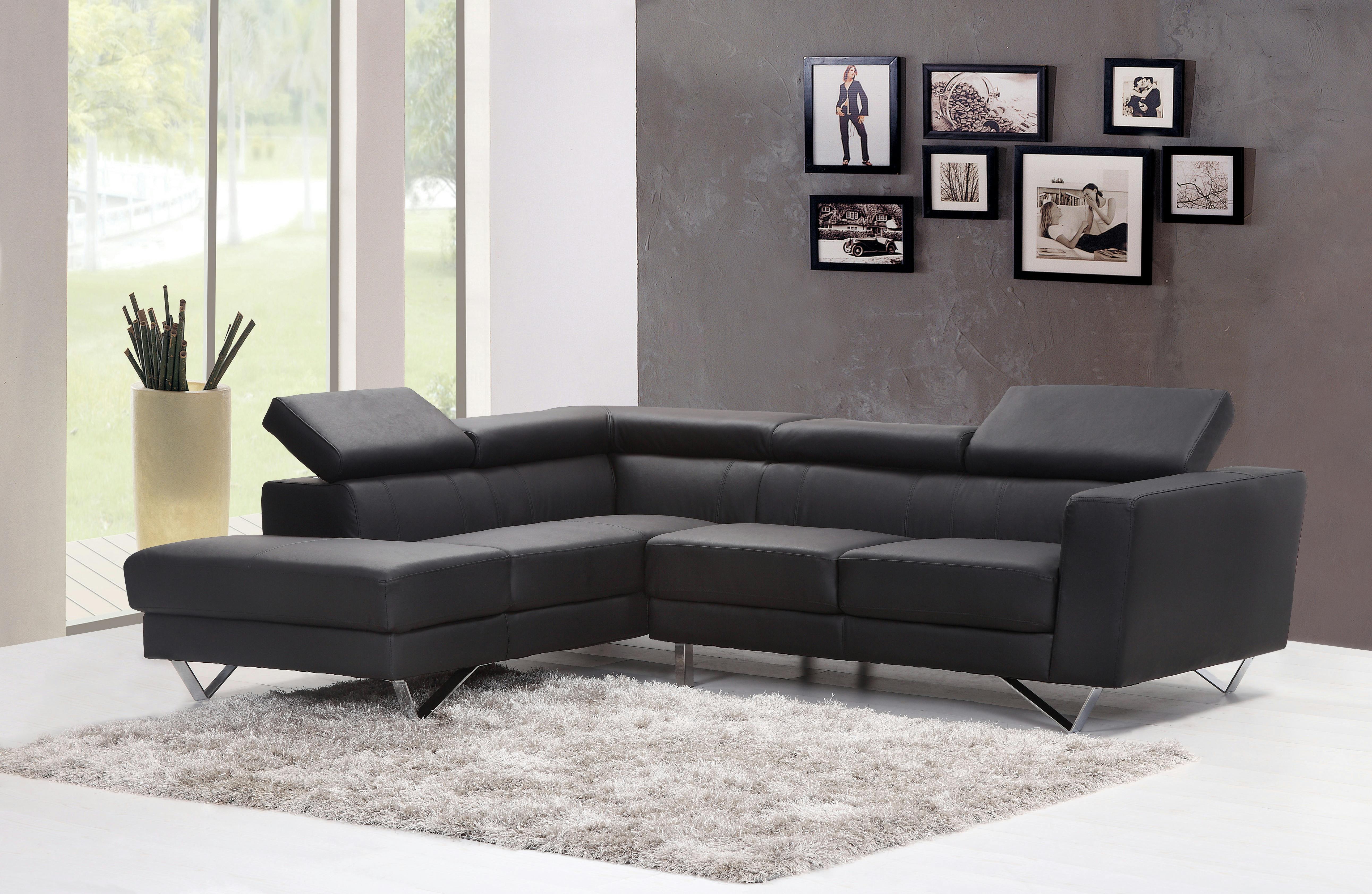
Image 3: Wood Slat Accent Wall Behind a Bed
Placement location: After the bulleted list of “Trending textured treatments” in the “3D & Textured Walls: When Your Wall Wants Abs” section.
Image description: A realistic bedroom scene featuring a wood slat accent wall behind a bed. The slats run vertically in a warm, medium wood tone, covering the width of the bed area. A simple upholstered headboard sits against the slat wall, with minimal bedding in white or soft neutrals. Two simple bedside tables and lamps may be present, but the clear focus is the textured slat wall as a statement feature. No people are visible.
Supported sentence/keyword: “Slat walls: Vertical or horizontal wood strips installed side by side, often behind TVs, beds, or entry consoles.”
SEO-optimized alt text: “Vertical wood slat accent wall behind a modern bed in a minimalist bedroom.”
Example image URL: https://images.pexels.com/photos/6585763/pexels-photo-6585763.jpeg