
Ben Stiller Defends Bad Bunny’s Super Bowl Halftime Show After FCC Complaints
Ben Stiller has stepped into the Super Bowl fray, publicly defending Bad Bunny’s bold Super Bowl LX halftime show just as some U.S. lawmakers call for an FCC probe into the performance. The clash says as much about contemporary pop culture and politics as it does about one very busy Puerto Rican superstar.

Ben Stiller, Bad Bunny, and the New Culture Wars Around the Super Bowl Halftime Show
Every few years, the NFL’s Super Bowl halftime show stops being just a mega-budget concert and turns into a full-on culture war Rorschach test. Bad Bunny’s Super Bowl LX performance has now officially entered that chat, drawing praise for its Latinx representation and spectacle, while also attracting criticism loud enough that some lawmakers are calling for an FCC probe.
Enter Ben Stiller — actor, director, and Severance executive producer — who has publicly backed the six-time Grammy winner, effectively becoming an unlikely hype man for one of pop’s most polarizing figures. The result is a moment where prestige TV, Latin trap, and Washington politics all end up sharing the same stage.
What Actually Happened: From Super Bowl LX Stage to FCC Complaints
Bad Bunny’s Super Bowl LX halftime show was always going to be scrutinized. He’s one of the most streamed artists on the planet, a proudly Puerto Rican performer who slides between reggaeton, trap, and genre-bending pop, often with lyrics and visuals that push against conservative norms.
After the show aired, some viewers and certain lawmakers criticized the performance as too provocative for broadcast television and called on the FCC to investigate whether it crossed decency lines. Regardless of where one lands on that argument, using the regulatory apparatus to litigate a pop performance says a lot about how symbolic the Super Bowl stage has become.
- Bad Bunny headlined the Super Bowl LX halftime show.
- The performance featured high-energy choreography, stylized visuals, and Latin club aesthetics.
- Some lawmakers responded by urging the FCC to review the broadcast.
- Ben Stiller then publicly defended Bad Bunny and the show’s artistic choices.
Why Ben Stiller Is Weighing In on Bad Bunny’s Super Bowl Moment
On paper, Ben Stiller and Bad Bunny don’t exactly move in the same artistic lane. Stiller is known for comedies like Zoolander and Tropic Thunder, and more recently for directing deeply unsettling prestige drama with Apple TV+’s Severance. Bad Bunny, meanwhile, dominates global streaming charts, headlines arenas, and has helped mainstream Spanish-language music in the U.S. in a way that would have seemed improbable two decades ago.
Stiller’s post defending Bad Bunny reads as more than just casual fandom; it’s an endorsement of the performance as legitimate art rather than just halftime “content.” He’s essentially arguing that discomfort is not the same as harm, and that pop culture’s job is not to politely stay within the lines.
“People keep asking what happened to ‘edgy.’ This is it. You just might not be the target audience anymore.”
Whether you agree with Stiller’s framing or not, his defense links the halftime show conversation to a broader debate about how much risk mainstream entertainment is allowed to take in 2020s America.

Reading the Halftime Show: Style, Symbolism, and Spectacle
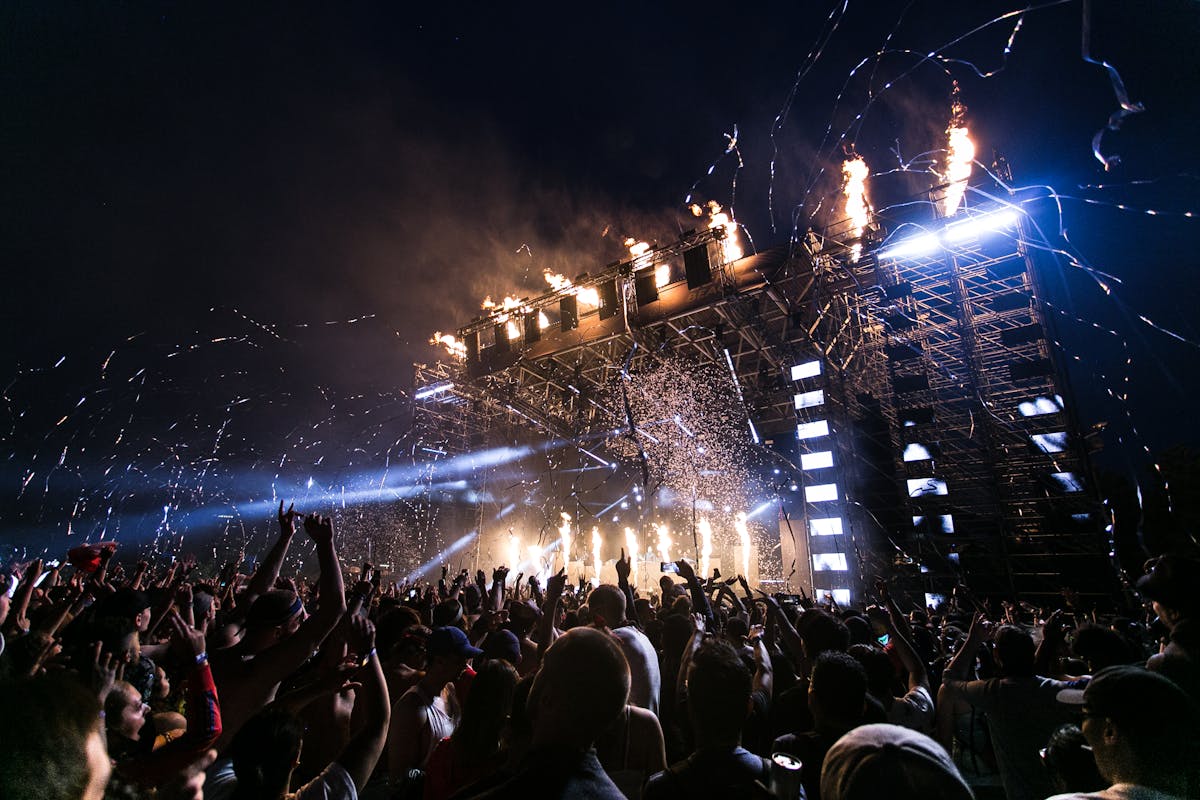
Even without the political noise, Bad Bunny’s Super Bowl LX appearance is worth unpacking on its own terms. His performances tend to fuse streetwear, surreal staging, and club visuals — think neon palettes, sharp choreography, and camera work designed for both the stadium and social media clips.
Visually, the show leaned into a kind of futuristic Caribbean nightlife aesthetic: moving platforms, dense choreography, and a sense that the whole stadium had turned into a giant, high-budget music video. Musically, he tends to oscillate between hard-driving reggaeton beats and more melodic hooks, which plays well for a casual TV audience that might not speak Spanish but knows how to feel a bassline.
- Representation: A Spanish-language headliner at the biggest U.S. TV event signals how thoroughly Latin music has crossed over.
- Choreography: Athletic, club-ready movement, closer to a full tour opener than a simple medley.
- Camera-first staging: Framing designed to go viral in 15-second clips on TikTok and Instagram.
- Risk-taking: Willingness to flirt with controversy rather than reheating a safe, nostalgia-only setlist.
FCC Probes, Political Theater, and the Ongoing Battle Over “Decency”
Calls for an FCC probe are as much about signaling as they are about actual regulation. Complaints over broadcast “indecency” have historically tracked with moments when pop culture shifts faster than certain segments of the audience are ready to accept.
In the case of Bad Bunny, it’s not just the choreography or outfits that make some viewers nervous; it’s what he represents: non-English-language dominance on a U.S. stage, gender-fluid fashion choices, and a fan base that skews young, global, and defiantly online. In that sense, the complaints are less about a single performance and more about who gets to define what “mainstream” looks and sounds like.
“Every generation thinks the next generation’s music is the end of civilization; so far, civilization keeps dropping new albums.”
It’s also worth noting that the FCC process tends to move slowly and rarely results in severe penalties for one-off live performances, especially when producers can argue artistic merit and broad community standards. In practice, the biggest consequence is often more caution — or, conversely, more artists who decide they’d rather push the envelope and live with the backlash.

Halftime Show Review: Where Bad Bunny Hit and Where It Fell Short
Setting aside the controversy for a moment, how did Bad Bunny’s Super Bowl LX halftime show stack up artistically compared with recent headliners?
Strengths
- Cohesive identity: The show felt unmistakably like a Bad Bunny concert, not a generic medley with guest appearances stapled on.
- Global energy: Even if you didn’t follow every lyric, the rhythm and staging sold the mood instantly.
- Visual ambition: Top-tier lighting and staging choices that played well both in the stadium and on TV.
Weaknesses
- Accessibility for casual viewers: Viewers unfamiliar with his catalog might have wanted more obvious hooks or recognizable cross-genre collaborations.
- Story arc: Visually dense, but not as narrative-driven as, say, The Weeknd’s labyrinthine concept or Rihanna’s platform progression.
- Broadcast constraints: Some of the choreography and styling felt dialed back for TV, creating occasional tension between club energy and network caution.

What This Means for Bad Bunny’s Cultural Legacy
For Bad Bunny, the Super Bowl LX stage is less a peak and more a milestone. He’s already crossed into film (including a turn in Bullet Train) and high-fashion campaigns, while maintaining chart dominance with Spanish-language releases that don’t chase English crossover hits as a validation metric.
The controversy and the FCC noise may end up being a short chapter in a much larger story: that of a Latin artist treating the U.S. market as just one arena among many, not the only place that matters. Having someone like Ben Stiller in his corner reinforces that he’s not just a streaming phenomenon but a figure other artists and creators see as part of the cultural vanguard.

Final Take: Beyond the Probe, Toward the Next Performance
In a way, the backlash and the Ben Stiller defense prove the same thing: Bad Bunny’s Super Bowl LX halftime show mattered. It was provocative enough to draw complaints, ambitious enough to win high-profile defenders, and distinctive enough that people are still arguing about it days later — which is more than you can say for a lot of carefully inoffensive pop spectacles.
Whatever the FCC decides, the cultural verdict may already be in: the halftime show is no longer a place where artists simply aspire to avoid scandal. It’s a stage where they negotiate identity, politics, and global fandom in real time — sometimes with a comedy legend unexpectedly cheering from the sidelines.
The more interesting question isn’t whether Bad Bunny went “too far,” but who gets the ball next — and whether they’ll play it safe, or treat the world’s biggest stage as exactly what it is: a chance to redefine what mainstream entertainment looks like.
