
BAFTA Film Awards 2026: Nominations, Streaming Guide and the Movies Everyone’s Talking About
BAFTA Film Awards 2026: Nominations, How to Watch, and Why This Year Matters
The 2026 BAFTA Film Awards are set to be the biggest night in British cinema, with a star-packed nominee list, a global streaming rollout and a sharp snapshot of where film culture is heading this year. Whether you care about who actually wins or just want to see which films are about to dominate your group chats, the BAFTAs remain one of the most reliable barometers of awards-season momentum.
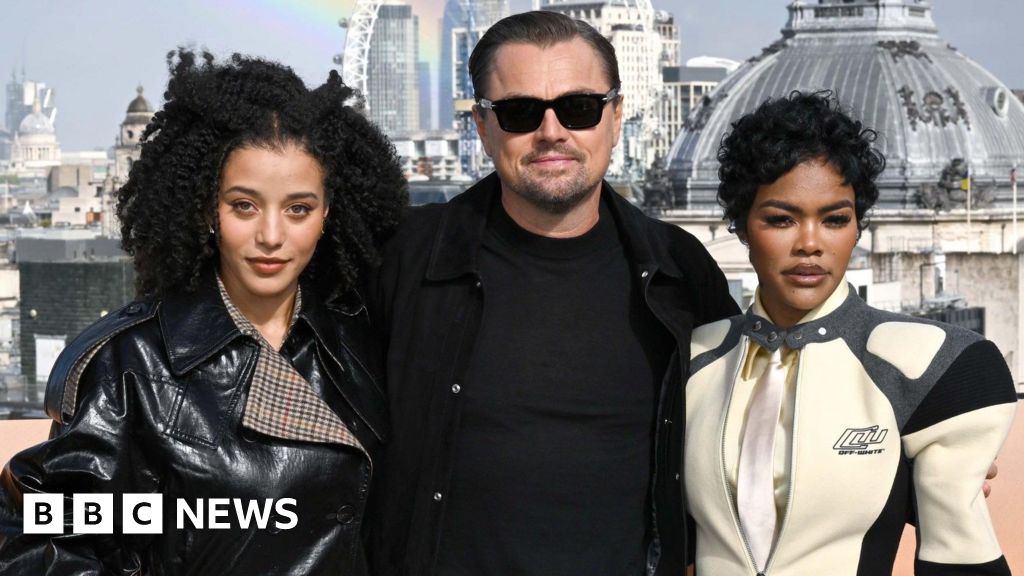
With names like Aimee Lou Wood, Bryan Cranston, Cillian Murphy, Riz Ahmed, Delroy Lindo, Gillian Anderson, Glenn Close, Olivia Cooke, Patrick Dempsey, Sadie Sink, Stormzy, Alicia Vikander and Little Simz appearing in the presenters’ lineup, this year’s ceremony is leaning into a mix of prestige, pop culture and cross-genre star power.
Why the BAFTA Film Awards Still Matter in 2026
Awards shows have been in a credibility crisis for years, but the BAFTAs have quietly become one of the more interesting ceremonies on the circuit. They lean into British and Irish filmmaking while still acknowledging the Hollywood machine, and the voting body has been trying to diversify both in terms of membership and taste.
In practice, that often means BAFTA will spotlight a daring international film or a British indie that might be overshadowed by the Oscars’ more studio-heavy bias. BAFTA’s choices in recent years—think of how Parasite, Nomadland or the wave of Irish-led dramas were embraced—show a willingness to reward films that mix craft with cultural bite.
“Our goal is to champion exceptional storytelling from Britain and around the world, and to reflect the rich diversity of contemporary film culture.”
That positioning makes the BAFTAs a useful guide for viewers: if a film shows up here, it’s usually worth at least adding to your watchlist.

Who’s Nominated at the BAFTA Film Awards 2026?
The full list of BAFTA 2026 film nominations is available on the official BAFTA website and through outlets like BBC Entertainment and IMDb’s awards section. What stands out is the blend of heavyweight Oscar contenders with homegrown British titles and international discoveries.
While individual category line-ups shift year to year, BAFTA’s core structure stays fairly consistent:
- Best Film – Usually a mix of US, UK and international prestige releases.
- Outstanding British Film – A signature BAFTA category that often highlights riskier or more idiosyncratic British work.
- Leading Actor / Leading Actress – Star-driven but often featuring at least one left-field or indie pick.
- Supporting Actor / Supporting Actress – Where character actors and breakout turns tend to shine.
- Outstanding Debut by a British Writer, Director or Producer – A key launchpad for new voices.
- Film Not in the English Language – BAFTA’s best international film equivalent, frequently stacked with festival hits.
- Technical categories – Cinematography, Editing, Production Design, Sound, Original Score and more.
One thing to watch is how often the same film appears across different branches—acting, writing, craft and best film. That’s usually a sign of a true frontrunner, and it’s where the BAFTAs can tilt the larger awards-season narrative.

The 2026 BAFTA Presenters: A Mix of Prestige and Pop Culture
The BAFTA 2026 presenters’ list reads like someone raided several different corners of film, TV and music and decided to throw them all on the same stage. Names confirmed include Aimee Lou Wood, Bryan Cranston, Cillian Murphy, Riz Ahmed, Delroy Lindo, Gillian Anderson, Glenn Close, Olivia Cooke, Patrick Dempsey, Sadie Sink, Stormzy, Alicia Vikander and Little Simz, among others.
That range is deliberate. BAFTA has increasingly recognised that viewers don’t separate “serious cinema” and “genre” or “TV” in their minds; they follow talent across platforms. When someone like Cillian Murphy turns up, he’s not just “Oscar winner” material, he’s also the guy from Peaky Blinders and the face of a certain brand of intense, cerebral leading man.
- Legacy icons – Glenn Close, Gillian Anderson, Delroy Lindo, Bryan Cranston.
- British and Irish favourites – Aimee Lou Wood, Olivia Cooke, Cillian Murphy.
- Music-world heavyweights – Stormzy, Little Simz bringing cross-media prestige.
- Streaming-era stars – Sadie Sink, Patrick Dempsey, bridging fandoms.
“Awards shows are as much about curation as celebration. Who you put on stage says almost as much as who you put on the ballot.”
How to Watch the BAFTA Film Awards 2026
Viewing options have steadily expanded over the last few years, turning the BAFTA Film Awards from a mainly UK-centric TV broadcast into a genuinely global event. Timings and platforms can shift, so check local listings, but the pattern usually looks like this:
- In the UK – Live or near-live coverage on BBC One and BBC iPlayer, with red carpet streams available online via the BBC and BAFTA’s official channels.
- Internationally – Coverage via regional broadcasters or streaming platforms that license the show. In some territories, BAFTA provides official YouTube or social media highlights instead of a full live broadcast.
- Online & Social – Real-time clips, winners, backstage interviews and acceptance speeches across BAFTA’s YouTube channel, Instagram, X (Twitter) and TikTok.
For accessibility, BAFTA and major broadcasters increasingly provide closed captions, audio description tracks and sign language for the main broadcast. If these features matter to you, it’s worth checking the settings on BBC iPlayer or your local streamer of choice ahead of time.
Trends, Talking Points and 2026 Awards-Season Context
Every awards year has its own narrative. Sometimes it’s a runaway favourite that hoovers up everything in sight; sometimes it’s a knife-fight between two or three films that represent different corners of the industry—independent vs studio, formal experimentation vs classical craft, political urgency vs escapist spectacle.
In 2026, several tensions are in the air:
- Streaming vs cinema: The BAFTAs have gradually become more relaxed about celebrating films from streamers, as long as they meet theatrical-eligibility guidelines. The lingering question is whether traditional distributors still dominate the top categories.
- British identity on screen: Outstanding British Film tends to function as a temperature check—are we seeing bold, diverse stories from across the UK, or a retreat into heritage comfort food?
- International cinema: Festival hits and non-English-language films often find a warmer welcome at BAFTA than at more conservative US awards. It’s worth scanning that category for next year’s Letterboxd favourites.
As one critic noted in recent coverage, “If the Oscars tell you what Hollywood wants you to watch, BAFTA hints at what cinephiles are already discussing.”
None of this means BAFTA is beyond criticism. Like every major institution, it’s still catching up on representation, genre bias and whose stories get treated as “serious” enough for awards. But precisely because of that, the nominations list is a useful lens on what the industry is trying—sometimes awkwardly—to value in 2026.

What the BAFTA Film Awards Do Well – and Where They Fall Short
As a cultural product, the BAFTA Film Awards in 2026 have a lot going for them: improved representation, higher global visibility, smarter digital coverage and a growing respect for international and independent cinema. But they’re not immune to the usual awards-show pitfalls.
- Strength: Curated British spotlight
Categories like Outstanding British Film and Outstanding Debut ensure that local talent isn’t overshadowed by Hollywood, giving space to smaller films that may never top the box office. - Strength: Slightly braver taste than the Oscars
BAFTA voters are often more willing to reward darker, weirder or politically charged work, particularly in writing, directing and “film not in the English language” categories. - Weakness: Occasional genre and comedy blind spots
As with most major awards, horror, animation and broad comedy often struggle to break into the top-tier categories, even when they dominate cultural conversation. - Weakness: Runtime and pacing
The ceremony can still feel long-winded, especially for online audiences following in real time. Efforts to streamline the broadcast sometimes clash with fans’ desire to see more uncut speeches and backstage moments.
The net effect is that the BAFTAs remain worth following—not because they’re perfect arbiters of taste, but because they’re a high-profile, frequently self-aware snapshot of where mainstream film culture is at any given moment.
If You Like the BAFTAs, You Might Also Want To...
Awards season can be a bit of a rabbit hole—in a good way. If you’re getting into the BAFTA Film Awards this year, there are a few adjacent things worth exploring.
- Track other awards races – Follow the Academy Awards, the Golden Globes and key critics’ groups to see how consensus forms (or fractures).
- Explore BAFTA winners from previous years – IMDb keeps archived BAFTA results that double as a recommended-viewing list of modern film history.
- Watch the nominated shorts and documentaries – These categories often hold the most formally daring and politically alive work.
- Listen to nominated scores – Platforms like Spotify and Apple Music usually curate BAFTA or awards-season playlists; it’s an easy way to re-experience the films in another register.
So, Is the BAFTA Film Awards 2026 Worth Your Time?
If you’re even mildly interested in film culture, the 2026 BAFTA Film Awards are worth dipping into—whether that means watching the full broadcast, catching curated clips the next day or simply using the nominations list as a viewing checklist. The ceremony is still a mix of awkward banter, moving speeches and the occasional left-field winner that sends you straight to a streaming app.
In a year where the movie business is still negotiating the balance between cinemas, streaming and post-strike realities, BAFTA offers a snapshot of what the industry wants to celebrate right now: ambitious storytelling, big performances and films that can survive both critical scrutiny and TikTok discourse.
Put simply: if you want to know which films will dominate conversation in the next few months—or which ones you missed in cinemas—the BAFTAs remain one of the most efficient, occasionally surprising guides.
