
BAFTA 2026, Live TV, and Tourette’s: When Representation Collides With Broadcast Standards
BAFTAs 2026: BBC Apology, Tourette’s, and the Line Between Harm and Representation
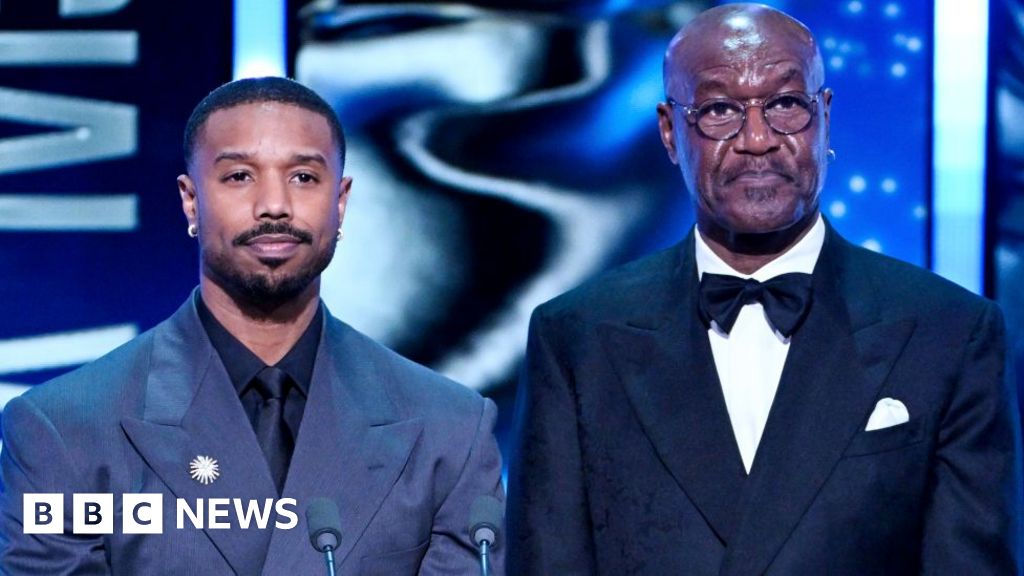
The 2026 BAFTA Awards have become less about who won what and more about a single, deeply uncomfortable moment: a racial slur shouted by a guest with Tourette’s that was broadcast unedited by the BBC during a segment with Michael B Jordan and Delroy Lindo. The BBC has since apologised, but the fallout has opened up a nuanced conversation about disability, live television, and how broadcasters handle involuntary language in an era of heightened social awareness.
What Actually Happened During the BAFTAs 2026 Broadcast?
During a live segment at the BAFTA Awards in London, actors Michael B Jordan and Delroy Lindo were on stage when a guest in the audience, who has Tourette’s syndrome, shouted a racial slur. The incident, captured clearly by broadcast microphones, went out live and was also present in subsequent versions of the programme before the BBC issued a public apology and moved to edit later broadcasts and on-demand versions.
The moment was jarring, especially given the historical weight of racial slurs and the fact that two Black Hollywood stars were visibly present on stage. Social media reaction was immediate and divided: some viewers were horrified that the word aired at all, while others argued that criticising the individual who shouted it ignored the reality of Tourette’s and coprolalia—an involuntary symptom that can include taboo or offensive words.
“What we've got to try and remember is, as much as these words do cause hurt and shock in people, it's really vital that they are understood in the context of Tourette's.”
— Pippa McClounan, Communications Manager, Tourette's Action, speaking to BBC News
McClounan’s comment captures the central tension: how do we protect viewers and communities from harm while not vilifying people whose condition makes certain language reflexive and uncontrollable?
The BBC’s Apology: Editing the Moment, Not the Person
In the hours following the broadcast, the BBC confirmed that the slur should have been edited out of repeat airings and on-demand versions, acknowledging it had fallen short of its usual compliance standards. The corporation’s apology framed the failure as an editorial oversight rather than as blame toward the guest with Tourette’s.
From a broadcast-regulation standpoint, this matters. In the UK, Ofcom rules generally require strong language—especially discriminatory or abusive language—to be handled with extreme care, even post-watershed. The context that the speaker has Tourette’s is significant, but doesn’t entirely remove the broadcaster’s responsibility to consider audience impact, particularly for Black viewers who might experience the word as retraumatising regardless of intent.
- Live TV is granted some leeway, because genuine spontaneity carries risk.
- However, edited versions are held to a higher standard of compliance.
- Viewers reasonably expect that repeated content will be reviewed and, if necessary, redacted.
The BBC’s apology effectively recognises that dual reality: respecting the guest’s disability while acknowledging that the onus was on the broadcaster to mitigate harm in the versions they controlled.
Tourette’s, Coprolalia, and Why This Is More Complicated Than “Just a Slur”
Tourette’s syndrome is a neurological condition characterised by tics—sudden, involuntary movements or vocalisations. Only a minority of people with Tourette’s experience coprolalia, the involuntary use of socially taboo or offensive words. Pop culture has unfortunately turned coprolalia into a lazy punchline, reducing Tourette’s to “people swearing uncontrollably,” which is wildly inaccurate and stigmatising.
In reality, coprolalia:
- Is not a choice, and people who experience it often feel distressed by what they say.
- Can fixate on the very language the person consciously finds most disturbing or unacceptable.
- Is made worse, not better, by stress, scrutiny, and public pressure—exactly the conditions of an awards show.
This is where the conversation around the BAFTA incident has to tread carefully. To frame the moment solely as “someone shouted a racial slur at an awards show” is to erase the disability context. But to treat the slur as harmless simply because it was involuntary is to ignore how language operates in the real world—especially for communities who bear the weight of its history.
Black Talent on Stage, Racial Slurs in the Air: The Optics Matter
The timing of the shout—while Michael B Jordan and Delroy Lindo were on stage—gave the moment a particular emotional charge. In 2026, mainstream awards shows are still trying to shake reputations for being historically white, male, and insular. Having two prominent Black actors front and centre when a racist epithet cuts through the broadcast is fuel for understandable anger, regardless of context.

In recent years, award ceremonies from the Oscars to the Golden Globes have repositioned themselves as more inclusive and self-aware—sometimes successfully, sometimes performatively. The BAFTAs have been under similar pressure, particularly after discussions about the lack of diversity in nominations earlier in the decade.
Against that backdrop, a racially charged word on a flagship BBC broadcast isn’t just a technical failure; it looks like a cultural one. Even if no one on stage or in production used the slur intentionally, the impact doesn’t vanish. For many Black viewers, the question isn’t “Was this deliberate?” but “Why did a major broadcaster let this go out untouched in 2026, when everyone knows better?”
Balancing Disability Rights with Harm Reduction on Live TV
At the heart of the debate is a clash between two legitimate priorities:
- Ensuring people with Tourette’s and other conditions are not excluded from public life.
- Protecting audiences—particularly marginalised groups—from harmful or triggering content.
These are not mutually exclusive aims, but the BAFTA incident shows how clumsy our systems still are at holding both at once. There’s a risk of two equally unhelpful extremes:
- Over-censoring by exclusion: quietly deciding that people with severe vocal tics are “too risky” for live TV, effectively sidelining them from mainstream spaces.
- Under-censoring by inaction: leaving highly charged language in broadcasts without any framing, warnings, or edits, and expecting viewers—often those most affected by that language—to simply absorb the blow for the sake of “authenticity.”
The goal shouldn’t be to erase disabled people from our screens; it should be to build broadcast practices that acknowledge both their rights and the realities of harm.
The BBC’s post-event edit is a small but significant example of that middle ground: the guest is not blamed, but the word itself is treated as something that does not need to be rebroadcast endlessly, out of context, to millions.
How This Fits into the Long, Messy History of Live TV Controversies
The BAFTA 2026 incident joins a long list of live-broadcast flashpoints. From unscripted outbursts at the MTV VMAs to the infamous Super Bowl “wardrobe malfunction,” broadcasters have been wrestling for decades with how to balance spontaneity with control. The difference now is that audiences are more attuned to systemic issues—race, disability, gender—and expect institutions to show they’ve done their homework.
In the UK, the BBC carries an additional burden as a public service broadcaster funded by the licence fee. It’s not just another channel chasing social media buzz; it’s expected to model best practice—especially when dealing with historically marginalised groups and sensitive topics.
In disability circles, the BAFTA incident also sits alongside a broader shift away from “inspiration porn” portrayals of disabled people and toward genuine inclusion. Inviting guests with Tourette’s and other conditions into high-profile spaces is part of that shift. But meaningful inclusion requires equally thoughtful access and safeguarding plans behind the scenes, from content warnings to live-audio management.
What Disability Advocates and Critics Are Actually Asking For
The most constructive criticism coming out of this doesn’t call for banning people with Tourette’s from events. Instead, advocates and commentators are broadly pushing for:
- Better pre-event planning: ensuring guests with conditions that may affect broadcast audio are consulted about what support they want and how they prefer things to be handled.
- Clearer editing protocols: automatically reviewing sensitive segments in post-production, particularly when powerful slurs are audible.
- More informed on-air framing: brief, respectful explanation when something like this happens live, so viewers understand the disability context without the person being shamed.
- Consistent use of content warnings: especially on catch-up services, where viewers may be watching with children or without expecting heavy language.

These aren’t impossible asks; they’re workflow tweaks that acknowledge that 2026 audiences bring not just fandom, but lived experience and critical literacy, to their viewing.
Visual Culture, Social Media Clips, and the Afterlife of a BAFTA Moment
Even with the BBC moving to edit the segment in later versions, clips of the incident have already circulated online. In the TikTok-and-X era, awards shows don’t end when the credits roll; they fragment into shareable, decontextualised bites. That afterlife raises new stakes for how quickly broadcasters respond to sensitive content.

One complicating factor in this case is that many viewers encountered the clip without knowing the person who shouted the slur has Tourette’s. Stripped of that context, the narrative shifts from “disability and involuntary speech” to “casual racism at a fancy awards show,” which naturally triggers a different kind of outrage.
This is where disability advocacy groups and broadcasters can work together more strategically: pairing rapid official statements with accessible explainers, so the first information people see isn’t speculation but sober context.
What the BAFTA 2026 Controversy Teaches the Entertainment Industry
For all the discomfort, this BAFTA moment is a case study in where live entertainment is headed. High-profile events now sit at the intersection of:
- Representation politics (who gets invited, who’s on stage, whose stories are told).
- Disability inclusion (are we actually making space for disabled people, or just talking about it?).
- Editorial ethics (what do we amplify, and what do we quietly trim in the edit suite?).

If the industry takes this seriously, we’ll likely see:
- More robust inclusion policies around disability at live events.
- Sharper editorial guidelines about how to handle involuntary offensive language.
- On-air talent and producers better trained to contextualise incidents in real time.
It’s telling that Pippa McClounan’s quote has been so widely shared: disability advocates are not asking broadcasters to pretend slurs don’t hurt. They’re asking them to understand that sometimes the person saying the word is not the one doing the harming—and that our systems should reflect that nuance.
Beyond the Apology: Where BAFTAs and Broadcasters Go From Here
The BBC’s apology for not editing out the racial slur at the 2026 BAFTAs is a necessary first step, but it shouldn’t be the last. The real test will be whether this moment leads to better, more thoughtful practices—a space where disabled people aren’t quietly uninvited from the cultural mainstream, and where marginalised communities aren’t asked to absorb avoidable harm in the name of “live TV.”
Awards shows have always doubled as cultural weather reports, telling us what the industry thinks matters. This year, the lesson isn’t just about which films or performances took home trophies. It’s about whether the institutions that host and broadcast these nights are willing to do the harder work: learning how to be inclusive and careful at the same time.
If they get it right, the BAFTA 2026 controversy could age not as a scandal, but as an inflection point—one where disability advocacy, racial justice, and entertainment finally started speaking the same language, even when that language is at its most fraught.
For more background on the incident and official statements, see coverage on BBC News and check the BAFTA page on IMDb for ceremony details and winners.
