
Are New U.S. Dietary Guidelines Really Science-Based—or Just Rebranded Bias?
One decade you’re told to eat low‑fat everything; the next, carbs are the villain; then headlines announce that butter is “back” and red meat is “fine again.” It’s no wonder so many people feel exhausted and cynical whenever new U.S. dietary guidelines are released—especially when politics and lobbying seem to loom as large as science.
In this article, we’ll unpack what the latest U.S. Dietary Guidelines are trying to do, why accusations of bias keep surfacing, and—most importantly—how you can extract the best science from a messy policy process to build a way of eating that actually works in real life.

Why people are frustrated with “new” dietary guidelines
The latest guidelines were promoted as being more “evidence‑based” and less ideological. Yet critics quickly pointed out that controversial topics—like how much red and processed meat is actually safe, or what role saturated fat should play—still appear softened, arguably to avoid clashing with powerful food industry interests. This tension between science and politics isn’t new, but it does shape how confident you can be in official advice.
The core problem: Science meets politics on your plate
The Dietary Guidelines for Americans are updated every five years. They’re supposed to summarize the best nutrition science and guide:
- Federal food programs (like school lunches and SNAP)
- Military and hospital menus
- Public health recommendations you see in clinics and campaigns
But the process doesn’t unfold in a vacuum. It sits at the crossroads of:
- Nutrition science — complex, evolving, and often imperfect
- Industry lobbying — meat, dairy, beverage, and processed food companies
- Political priorities — administrations emphasizing different messages
- Public confusion and media spin
“Nutrition guidelines are not written in a lab; they’re written in a political world. That doesn’t make them useless—but it does mean you should know where the seams are.”
— Hypothetical summary of concerns echoed by many public health researchers
Understanding those “seams” can help you rely on the parts that are robust while staying skeptical of areas where the evidence is thin or pressure from special interests is strong.
What the latest science actually agrees on
Despite the political noise, a surprising amount of nutrition guidance is consistent across high‑quality studies and respected organizations (like the WHO, American Heart Association, and major academic reviews).
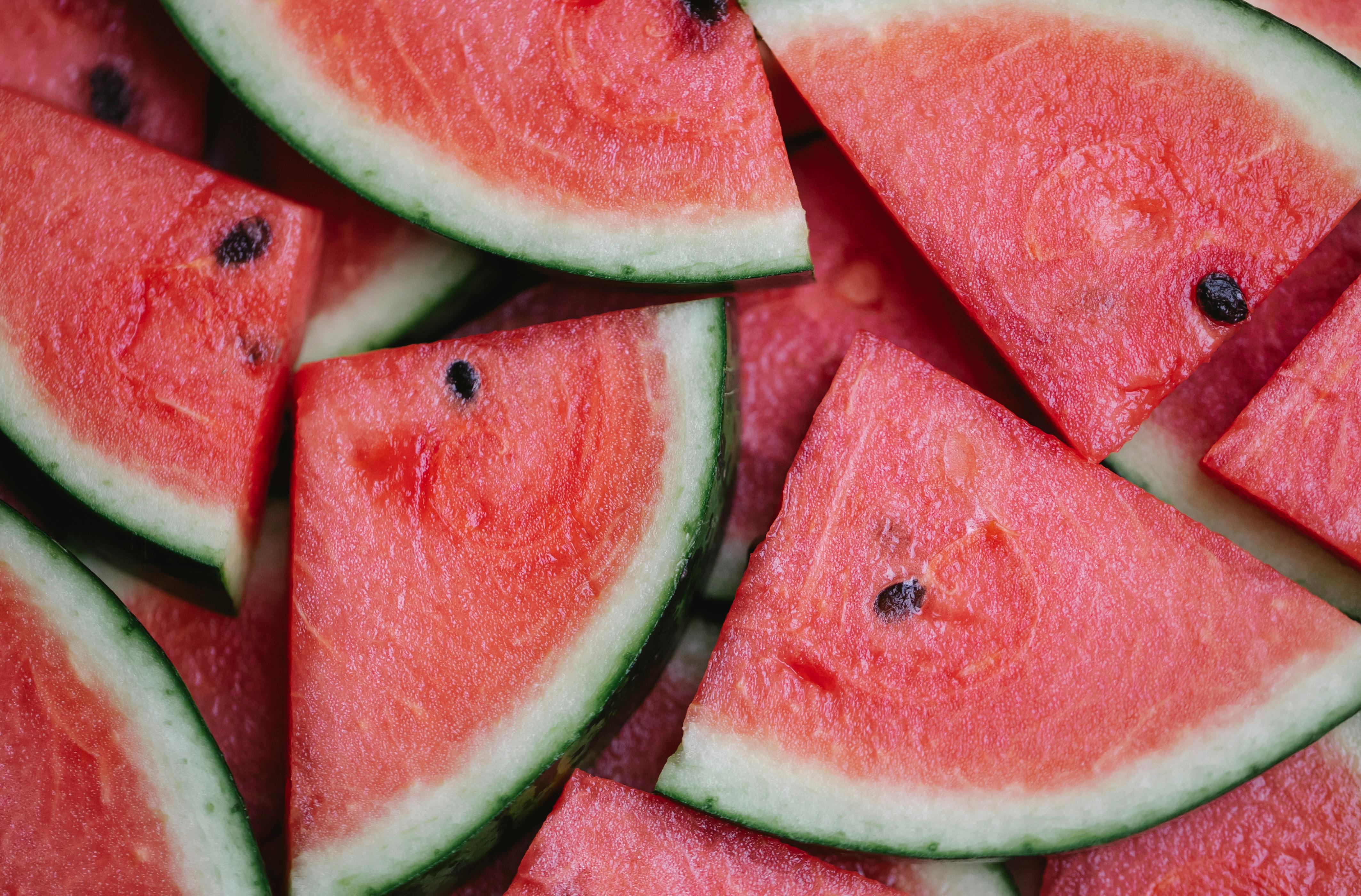
Across guidelines and research, you’ll see strong support for patterns that:
- Emphasize whole, minimally processed foods
Plenty of vegetables, fruits, beans, lentils, whole grains, nuts, and seeds. - Use healthier fats instead of ultra‑processed carbs
Olive oil, nuts, and fatty fish in place of deep‑fried foods and refined starches. - Limit added sugars and ultra‑processed foods
Especially sugar‑sweetened drinks, candies, and packaged snacks high in refined carbs and fats. - Keep sodium and heavy drinking in check
To support blood pressure, heart health, and long‑term disease risk. - Balance energy intake with activity
To help maintain a stable, healthy weight over time.
Where current dietary guidelines still come up short
Critics of the most recent guidelines highlight several sticking points. Based on reviews and public commentary from nutrition experts, these are some of the most common concerns:
- Soft language on red and processed meat. Evidence linking high intake of processed meats to colorectal cancer and heart disease is fairly strong, but official wording often stops short of clear, firm limits.
- Ambiguity around saturated fat. Rather than directly naming foods to limit (e.g., butter, high‑fat processed meats), guidance sometimes focuses on abstract nutrient percentages that are hard for the public to apply.
- Limited emphasis on ultra‑processed foods. Growing research suggests that diet patterns high in ultra‑processed foods are associated with increased risk of weight gain and metabolic diseases, yet policies often don’t confront this directly.
- Underplaying sustainability and environmental impact. Earlier scientific advisory committees have recommended more plant‑forward, climate‑conscious eating patterns, but final political documents often tone this down.
None of this makes the guidelines useless. It does mean you should treat them as a baseline—not a flawless blueprint—and be alert to areas where the science would support stricter advice than what’s officially printed.
A practical example: How one client cut through the noise
A few years ago, I worked with a middle‑aged client—we’ll call her Maria—who felt paralyzed by changing nutrition headlines. One week she’d avoid eggs because of cholesterol; the next she’d see articles praising high‑protein breakfasts. When new guidelines hit the news, she would completely overhaul her pantry, only to give up in frustration.
Instead of chasing every headline, we focused on a few stable, evidence‑backed principles:
- Building every meal around vegetables and a clear protein source
- Swapping most refined grains for whole grains she actually enjoyed
- Cutting sugary drinks to once a week and keeping alcohol rare
- Reserving processed meats (like bacon and deli meats) for occasional use
Over six months, Maria’s cholesterol profile improved, she had more stable energy, and—most importantly—she felt calmer about food. She still glanced at guidelines and news stories, but they no longer dictated frantic swings in her eating. That’s the kind of grounded relationship with guidelines that is realistic and sustainable.
Turning guideline science into real meals: A step‑by‑step approach
You don’t need to read hundreds of pages of government documents to eat well. Here’s a simple framework that aligns with the strongest, least controversial parts of the evidence.
- Start with your plate, not the pyramid.
At lunch and dinner, aim roughly for:- ½ plate non‑starchy vegetables
- ¼ plate protein (beans, fish, poultry, tofu, eggs, or modest amounts of lean meat)
- ¼ plate whole grains or starchy vegetables (brown rice, quinoa, potatoes with skin)
- Upgrade, don’t overhaul.
Choose one small change at a time:- White bread → whole‑grain bread you actually like
- Soda every day → soda on weekends only
- Frying most foods → grilling, baking, or sautéing in less oil
- Be intentional with meat.
Keep processed meats (bacon, sausages, deli meats) as occasional treats. If you eat red meat, favor smaller portions, less often—within a pattern rich in plants and healthy fats. - Make drinks work for you.
Prioritize water, unsweetened tea, or coffee (mind the sugar and cream). Treat sugary drinks and heavy alcohol as “sometimes” extras rather than daily staples. - Plan for real life.
Have a few “backup” fast, healthy options for busy days: frozen vegetables, canned beans (rinsed), pre‑washed salad greens, rotisserie chicken, or lentil soup.
Common obstacles—and how to navigate them
Following even the best nutrition advice can feel hard when life is busy, budgets are tight, or your family loves certain foods. Here are some frequent roadblocks and realistic ways through.

- “Healthy food is too expensive.”
Frozen vegetables, dried or canned beans, whole grains (like oats, brown rice, barley), and eggs are often cheaper per serving than heavily processed snacks or takeout. Shop store brands, and plan simple meals around these staples.
- “I don’t have time to cook.”
Batch‑cook one or two things per week—like a pot of beans, a tray of roasted vegetables, or a grain like quinoa—and repurpose them across different meals. Even a 15‑minute stir‑fry with frozen vegetables beats last‑minute fast food most of the time.
- “My family won’t eat this.”
Change one element at a time. Keep familiar flavors, but gradually improve ingredients: same pasta dish, more vegetables and beans; same tacos, with part‑lentil, part‑meat filling. Kids and adults alike adapt better to slow, steady shifts than overnight makeovers.
- “I’m confused by conflicting advice online.”
Look for consistency across major sources: government guidelines, large medical organizations, and systematic research reviews. Be cautious with extreme promises (“eat this and never get sick”) or plans that demonize entire food groups without strong evidence.
What experts and research say about guideline bias
Concerns about bias in dietary guidelines are not just social media rumors. Over the years, independent panels, investigative journalists, and academic researchers have described:
- Heavy lobbying from commodity groups like meat, dairy, and sugar
- Pressure on advisory committees when their scientific conclusions conflict with political priorities
- Industry‑funded studies that tend to favor specific products or downplay risks
“Industry funding doesn’t automatically invalidate a study, but it does warrant extra scrutiny. Look at the totality of evidence, not just one favorable trial.”
— Paraphrased perspective common in medical journal editorials on nutrition research
Still, when multiple lines of research—from long‑term population studies, clinical trials, and mechanistic work—all point in a similar direction, confidence grows. That’s why broad recommendations like “more plants, fewer ultra‑processed foods” are on relatively firm ground, even if exact nutrient targets stay debatable.
For more in‑depth reading, look for reviews from:
Smarter questions to ask about any new dietary guideline
Instead of asking, “Is this guideline perfect?” try these questions to evaluate how useful it is for you:
- Does it align with long‑standing, cross‑cutting evidence?
If a new recommendation completely contradicts decades of research—and especially if it strongly benefits one industry—dig deeper. - Is it focused on patterns, not single “superfoods”?
Sustainable health is about overall eating patterns, not magical ingredients or villains. - Is it realistic for my culture, budget, and lifestyle?
Guidelines that ignore your reality will be hard to follow; adapt principles into meals you can actually make and enjoy. - Does it respect individual variation?
People differ in medical conditions, preferences, and responses. The best advice allows room for personalization.
Rethinking your diet: “Before” and “after” in mindset, not perfection
Instead of a dramatic before/after photo, it’s more helpful to compare how your thinking and daily habits can shift when you stop chasing every new guideline and start applying stable principles.

- Before: Reacting to every headline; pantry swings from one trend to another.
- After: Using headlines as prompts to ask better questions, not rewrite your entire diet.
- Before: Obsessing over single nutrients (“Is this too much fat?”).
- After: Focusing on overall patterns: more plants, fewer ultra‑processed foods, balanced meals.
- Before: Viewing guidelines as rigid rules.
- After: Treating them as a starting point you tailor with professional help if needed.
Moving forward: Use the guidelines—don’t be ruled by them
The latest dietary guidelines may promise “science over bias,” but the reality is more complicated. Politics, industry pressure, and evolving evidence all shape what ends up in the final document. Still, amidst the noise, some clear themes persist: eating more whole, minimally processed foods; centering plants; watching added sugars and ultra‑processed products; and being thoughtful about meat and saturated fat.
You deserve nutrition advice that respects both the science and your lived experience. You don’t have to wait for a perfect set of guidelines to start taking meaningful steps.
If you’re ready to move from confusion to clarity:
- Pick one small habit from this article to work on this week.
- Notice how it feels in your body and your daily routine.
- After a couple of weeks, add another habit—slowly building a pattern that fits your life.
And if you have specific health concerns or feel stuck, consider working with a registered dietitian who can help you interpret the guidelines in the context of your medical history, culture, and preferences. You bring your expertise on your own life; they bring expertise on the science. Together, you can build a way of eating that is evidence‑informed, flexible, and sustainable.
