
Ancient Jaw Surgery: How Iron Age Healers Saved a Woman With a Shattered Face
Over 2,500 years ago, an Iron Age woman suffered a catastrophic facial injury that shattered her jaw. Instead of being left to die, she received an extraordinarily risky treatment: her healers rebuilt her jaw with a primitive prosthetic. Modern analysis shows she not only survived the procedure, but lived long enough for the bone to begin healing—an astonishing feat for a world without antiseptics, anesthesia, or X‑rays.
Recently revisited by researchers and reported by outlets like Gizmodo, this case from a tiny cemetery in Siberia’s Altai region is forcing archaeologists and medical historians to rethink what Iron Age surgeons were capable of. It’s also a powerful reminder of something timeless: people have always fought to save one another, even with limited tools and uncertain outcomes.

In this article, we’ll walk through what happened to this woman, how her jaw was repaired, what the science tells us, and what this dramatic story reveals about the history of surgery and trauma care.
The Discovery: A Wig, a Mummy, and a Hidden Surgery
The story begins in 1994, when Russian archaeologists excavated a small Iron Age cemetery linked to the Pazyryk culture in the Altai Mountains of southern Siberia. In one grave, they found a mummified woman, carefully buried and still wearing a wig—a sign that she likely held some status in her community.
At the time, her remains were documented and stored, but detailed imaging technologies weren’t widely applied. Only decades later, with new analytical tools available, did researchers return to her skull and notice something extraordinary: complex fractures, bone remodeling, and a foreign object bridging part of the jaw.
“When we first saw the CT scans, it was immediately clear this wasn’t just a simple fracture. Someone had tried to rebuild her face.”
— Reconstructive surgeon collaborating with the archaeological team
That “someone,” more than two millennia ago, performed what appears to be an early attempt at maxillofacial surgery—reconstructive surgery of the face and jaw.
A Catastrophic Jaw Injury: What Happened to Her?
CT scans and close morphological analysis of the skull indicate that the woman experienced a high‑energy impact to the lower face. This trauma shattered part of her mandible (lower jaw), likely disrupting:
- The continuity of the jawbone, making it impossible to bite properly.
- Alignment of teeth, compromising chewing and speech.
- Soft tissues of the face, causing severe pain and bleeding.
Researchers can’t say for certain what caused the injury, but possibilities include:
- Blunt-force trauma from a fall, kick, or blow from a tool or weapon.
- Horse-related accident, consistent with steppe cultures and riding lifestyles.
- Interpersonal violence or combat, although there’s no direct evidence of a weapon embedded in the bone.
In a premodern context, such a fracture would usually be fatal—not only due to blood loss, but because of infection, inability to eat, and airway risk. The fact that she survived long enough for bone healing to begin is, in itself, remarkable.

The Primitive Jaw Prosthetic: How Iron Age Surgeons Rebuilt Her Face
The centerpiece of this discovery is a “prosthetic” device implanted to stabilize the shattered jaw. While the exact material and shape are still being studied, researchers describe it as a foreign object positioned to bridge broken bone segments and restore some structural support.
Based on parallels in ancient medicine and what we can see radiographically, the prosthetic likely served several functions:
- Aligning bone fragments so they could heal in a more functional position.
- Supporting soft tissue, preventing the lower face from collapsing inward.
- Restoring basic chewing function, enough to let her ingest soft foods.
This is very different from modern titanium plates, but the underlying principle is the same: stabilize bone so the body can repair itself.
Signs of bone remodeling around the injury suggest the woman’s jaw began to heal while the prosthetic remained in place. That indicates not only survival but some degree of functional recovery.
Reconstructing the Operation: What the Surgeons Probably Did
We don’t have an Iron Age surgical manual from this community, but combining anatomical evidence with what’s known from other ancient medical traditions allows researchers to sketch a plausible scenario.
The woman’s caregivers may have taken steps like:
- Initial stabilization
Controlling bleeding, cleaning visible wounds, and supporting the jaw with hands, bandages, or a makeshift sling. - Pain management and sedation
Using herbal preparations (such as alcohol, opium-like plants, or sedative herbs known to steppe cultures) to dull pain and keep her still. - Reduction of the fracture
Manually repositioning fragments of the jaw as best they could, guided by facial symmetry and bite alignment. - Placement of the prosthetic
Inserting a shaped piece of material to brace or “splint” the area, perhaps secured with bindings or support from surrounding tissues and remaining teeth. - Immobilization and aftercare
Wrapping the head and jaw, restricting diet to soft or liquid foods, and monitoring for signs of worsening infection.
“From a modern surgical perspective, what’s impressive is not perfection of technique but the conceptual leap—recognizing that broken bone needs alignment and support to heal.”
— Maxillofacial surgeon commenting on the case

Evidence of Survival: How Long Did She Live After Surgery?
The crucial question is whether the woman survived this ordeal or died shortly after. Researchers looked for markers of healing on the bone itself:
- New bone growth (callus formation) along fracture lines.
- Smoothing of sharp edges, suggesting remodeling over time.
- Integration around the prosthetic, indicating the body responded to it as a long‑term presence rather than a brief, post‑mortem insertion.
These indicators point to survival for at least weeks, and possibly months or more, after the injury. While we can’t know her quality of life, she likely endured:
- Chronic pain during the healing phase.
- Difficulty chewing solid food.
- Changes in speech and facial appearance.
Yet the fact that she lived long enough for healing to leave a visible signature on her bones is a testament to both her resilience and the care she received.
Ancient vs. Modern Jaw Surgery: Before-and-After Principles
While we don’t have literal before‑and‑after photos from the Iron Age, we can compare the principles behind her treatment with modern maxillofacial surgery.

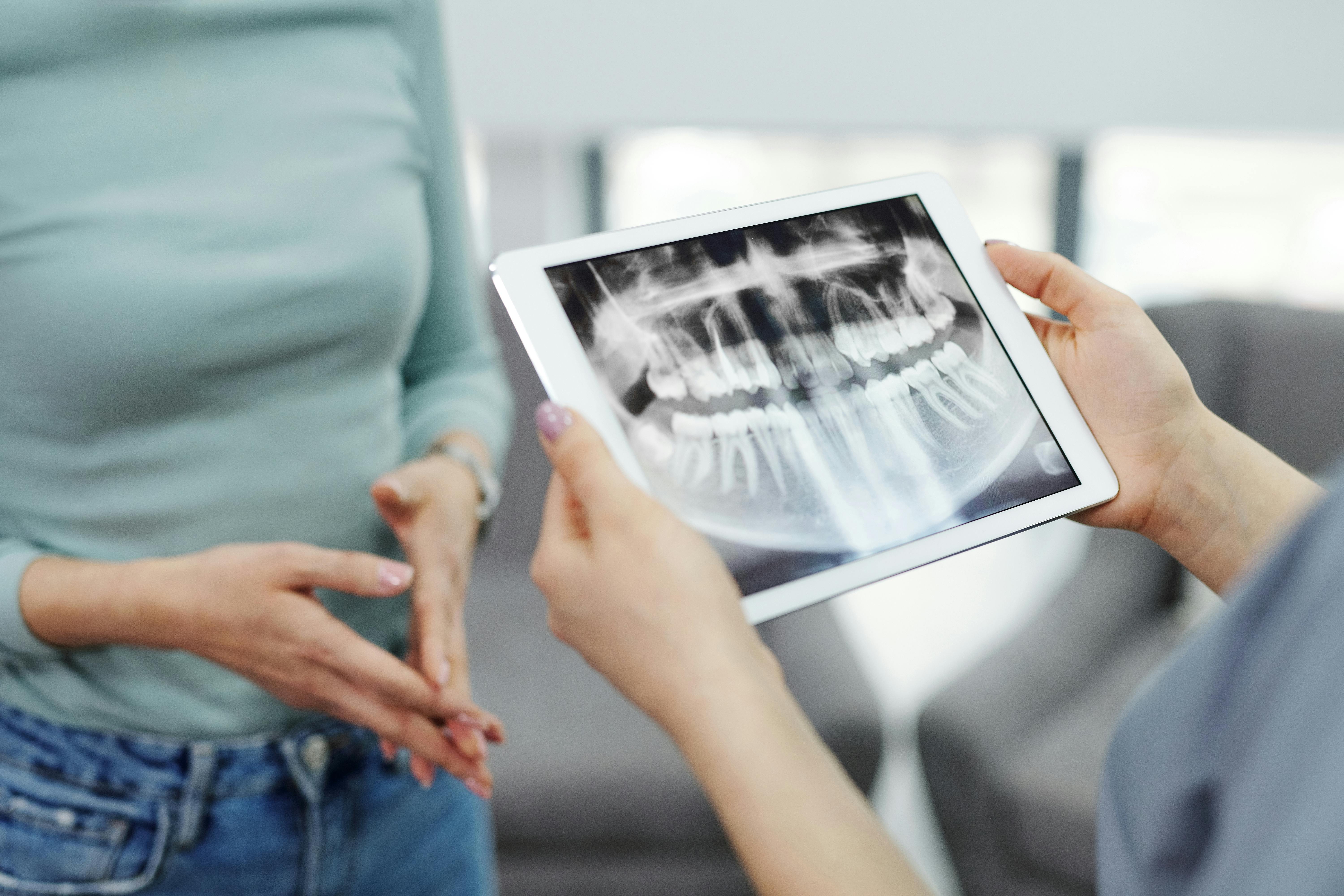
In both ancient and modern contexts, effective jaw repair relies on:
- Realigning bone fragments.
- Stabilizing the fracture so it doesn’t move.
- Protecting the airway and enabling nutrition.
- Monitoring for infection and complications.
The difference lies in tools, materials, and predictability of outcomes. Where modern surgeons use titanium plates, sterile operating rooms, and imaging, Iron Age healers relied on experience, observation, and whatever materials were at hand.
What This Tells Us About Ancient Medicine and Community Care
This jaw prosthetic is more than a medical curiosity; it’s evidence of a surprisingly sophisticated understanding of the body, and of a community willing to invest time and resources in a gravely injured member.
Archaeological and historical records from other regions—like trepanation (skull surgery) in ancient Peru or complex dentistry in the ancient Mediterranean—already show that early surgeons experimented with invasive procedures. This Pazyryk case adds to that growing body of evidence:
- Conceptual sophistication: Recognizing that broken bones must be aligned and supported.
- Technical skill: Manipulating delicate facial structures without instantly fatal damage.
- Social support: Providing prolonged care for a patient who couldn’t easily feed or protect herself.
“Every time we find evidence of ancient surgery that worked, we’re reminded that innovation isn’t just about technology—it’s about people deciding that a life is worth trying to save.”
— Medical historian of ancient medicine
Practical Takeaways: What Modern Readers Can Learn From an Iron Age Patient
While most of us will thankfully never need a jaw reconstruction after a traumatic injury, this story offers several grounded lessons about health, healing, and medicine:
- Recovery is a partnership.
The woman’s survival depended on both surgical intervention and prolonged caregiving. Today, outcomes after major surgery still hinge on support systems—family, friends, rehabilitation teams, and follow‑up care. - Innovation often starts with “good enough.”
Her prosthetic wasn’t perfect, but it didn’t need to be—it needed to be better than doing nothing. In modern healthcare, incremental improvements and improvised solutions (when safe and evidence‑based) can meaningfully change outcomes. - The body’s capacity to heal is extraordinary.
Even without modern drugs, her bone began to remodel. Contemporary medicine builds on, rather than replaces, that innate healing power—by stabilizing injuries and reducing complications. - Respect for ancient knowledge matters.
While we shouldn’t romanticize the past or copy ancient treatments without evidence, studying them can reveal ideas that inform modern science and deepen our understanding of human resilience.
For anyone facing surgery or a long recovery today, stories like this can offer a different kind of reassurance: people have endured and adapted to devastating injuries for millennia, often with far fewer resources than we now have.
Interpreting the Evidence Carefully: What We Still Don’t Know
As compelling as this case is, it’s important not to overstate what the data can tell us. Responsible interpretation means recognizing the gaps.
- Exact materials and tools: Without direct preservation of all soft tissues or detailed records, researchers must infer what the prosthetic was made from and how it was inserted.
- Patient’s long‑term quality of life: We see evidence of healing, but not how well she could speak, eat, or socialize afterward.
- Whether this was common or exceptional: One striking survival case might represent a rare experiment or the tip of a much larger, under‑documented practice.
Emerging technologies—like higher‑resolution imaging, micro‑CT, and material analysis—may refine these interpretations over time. Future studies of similar remains could reveal whether this was a unique surgical “one‑off” or part of a broader Iron Age medical toolkit.
A 2,500-Year-Old Story of Risk, Skill, and Care
The Iron Age woman with the reconstructed jaw was more than an archaeological specimen. She was a person who suffered a life‑altering injury, endured a terrifying experimental procedure, and survived long enough for her bones to bear witness to that struggle thousands of years later.
Her case reminds us that surgery has always involved courage on both sides: healers willing to intervene near vital structures, and patients willing—by choice or necessity—to undergo the unknown. It also underscores a constant in human history: when someone is badly hurt, communities often rally to protect, nourish, and heal them as best they can.
As researchers continue to reexamine museum collections with modern tools, more stories like hers are likely to surface. Each one doesn’t just push back the timeline of “advanced” medicine; it adds depth to our understanding of what people have long been willing to do to save one another.
If this kind of window into ancient health and healing fascinates you, consider exploring more research on archaeological medicine, trauma care through history, and the evolution of surgery. The story of modern medicine is, in many ways, still being unearthed.
