
Ancient Chinese Root, Modern Science: Can Polygonum Multiflorum Really Help Regrow Hair?
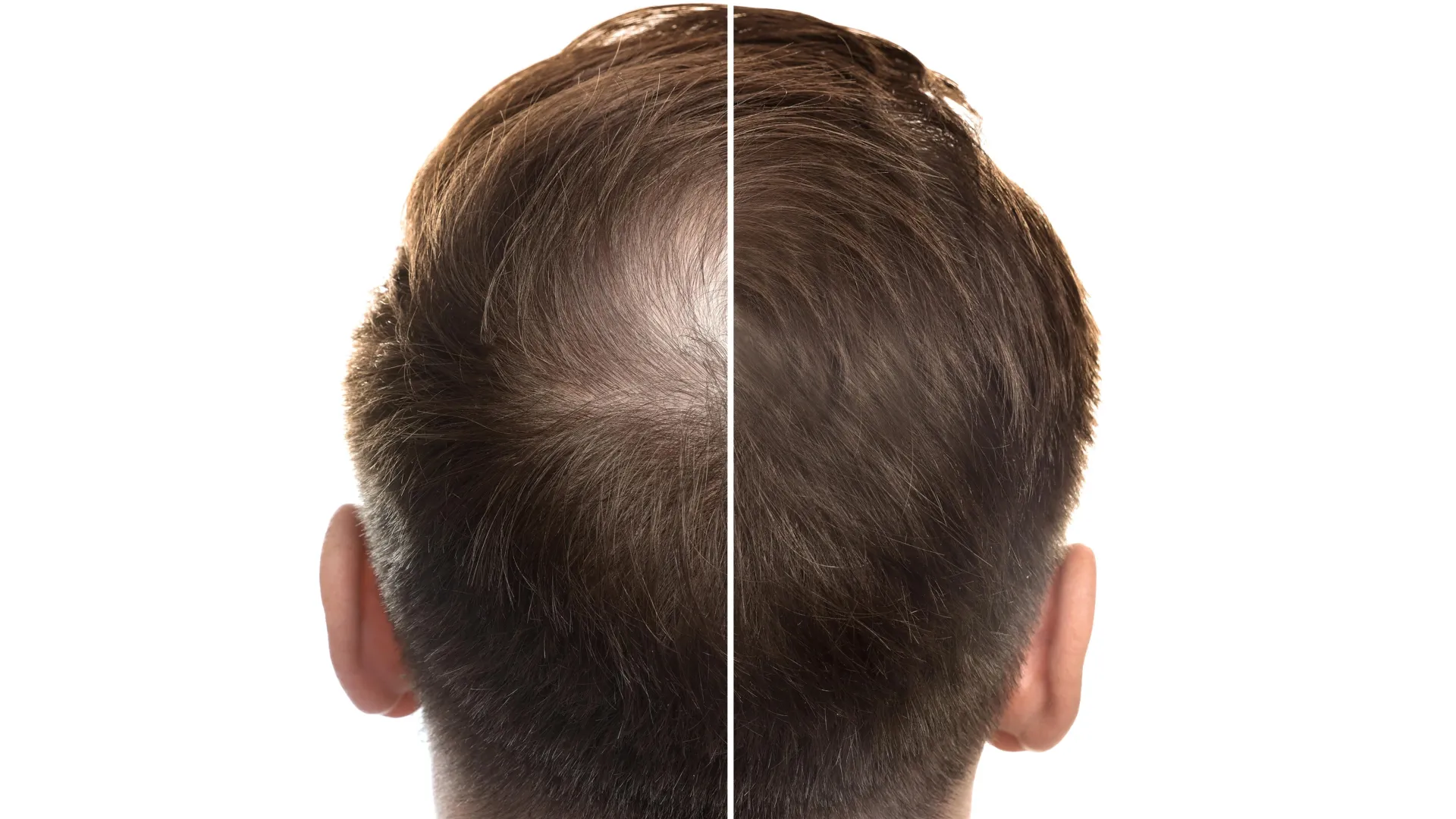
If you’re noticing more scalp than hair in the mirror, you’re not alone. Androgenetic alopecia (AGA) — often called male- or female-pattern hair loss — affects millions worldwide and can quietly chip away at confidence, mood, and even social life. Many people try minoxidil or finasteride, only to wrestle with side effects, disappointing results, or the feeling that they’ll need to use them forever.
Recently, a centuries-old Chinese medicinal root, Polygonum multiflorum (often called He Shou Wu or Fo-Ti), has drawn scientific attention for its potential to support hair regrowth and preserve hair color. Early studies suggest it may work on several biological pathways at once — but that doesn’t mean it’s a magic cure. Used unwisely, it can also harm the liver.
This guide walks you through what the latest research (as of early 2026) actually shows, how Polygonum multiflorum compares with standard treatments like finasteride and minoxidil, and how you might discuss it with your healthcare team in a safe, realistic way.
What Is Androgenetic Alopecia, Really?
Androgenetic alopecia is the most common form of hair loss. In men it typically shows up as a receding hairline and thinning at the crown; in women, as diffuse thinning on the top of the scalp with the frontal hairline often preserved.
At a biological level, AGA involves:
- Genetic susceptibility – certain genes make hair follicles more sensitive to hormones.
- Androgens – especially dihydrotestosterone (DHT), which can shrink hair follicles over time.
- Miniaturization of hair follicles – thick, pigmented terminal hairs become finer, shorter vellus hairs.
- Altered hair cycle – shorter growth (anagen) phase and longer resting (telogen) phase.
- Local inflammation and oxidative stress around hair follicles.
“Androgenetic alopecia is not just about ‘too much testosterone.’ It’s a complex interaction of genetics, androgens, inflammation, and the scalp microenvironment.” — Board-certified dermatologist, trichology specialist
This complexity is one reason a herb like Polygonum multiflorum is so interesting to researchers: it appears to touch several of these pathways at once rather than just one target.
Polygonum Multiflorum: From Ancient Hair Tonic to Lab Bench
Polygonum multiflorum Thunb., known in Chinese as He Shou Wu, has been used for centuries in Traditional Chinese Medicine (TCM). Classical texts describe it as a tonic that “nourishes liver and kidney,” “essence,” and “blood” — concepts that loosely overlap with modern ideas about hormonal balance, circulation, and tissue regeneration.
Traditionally, it has been used to:
- Support hair growth and prevent premature graying.
- Boost vitality and fertility.
- Strengthen tendons and bones.
- Support longevity and general resilience.

Modern preparations usually involve a “processed” root (often steamed with black bean liquid) rather than the raw root, which is believed in TCM to reduce toxicity and shift its actions. However, even processed products have been linked to liver injury in some cases.
How Might Polygonum Multiflorum Support Hair Regrowth?
Research over the last decade — mostly in cell cultures, animal models, and small human studies — suggests that Polygonum multiflorum and its active compounds may influence hair follicles through several mechanisms. Remember that “promising” in the lab doesn’t always translate into dramatic results on real human scalps.
1. Modulating Hormones and DHT Pathways
Some experimental work suggests that extracts of Polygonum multiflorum may:
- Influence enzymes such as 5α-reductase, which converts testosterone into DHT — the hormone strongly implicated in AGA.
- Bind to or modulate androgen receptors in hair follicles in certain models.
However, the strength, consistency, and clinical relevance of these effects are still under active investigation. It is premature to say Polygonum multiflorum “blocks DHT” in the same robust way finasteride does.
2. Prolonging the Hair Growth (Anagen) Phase
Several animal and cell studies have found that certain components of Polygonum multiflorum can:
- Stimulate dermal papilla cells (key regulating cells at the base of hair follicles).
- Increase expression of growth factors that promote hair shaft production.
- Prolong the anagen phase while shortening the resting (telogen) phase in experimental models.
In simple terms, this could mean hairs spend more time actively growing and less time falling out — similar in concept to how minoxidil works, but via potentially different molecular pathways.
3. Combating Oxidative Stress and Inflammation
Hair follicles are sensitive to oxidative damage and low-grade inflammation. Polygonum multiflorum root is rich in polyphenols and stilbenes (related to compounds like resveratrol) that have:
- Antioxidant effects — scavenging free radicals that can damage follicle cells.
- Anti-inflammatory actions — downregulating inflammatory signaling in lab models.
By calming oxidative stress and inflammation around the hair bulge and dermal papilla, the local environment may become more “friendly” to hair growth.
4. Supporting Melanin and Hair Pigmentation
One reason He Shou Wu is famous in TCM is its reputation for “restoring black hair.” Laboratory work has shown that some extracts can:
- Stimulate melanocyte activity (the cells that produce melanin pigment).
- Increase the expression of genes involved in melanin synthesis in some models.
A few small-scale human observations suggest potential slowing of graying or mild darkening of existing hairs, but well-designed clinical trials are still limited. You should not expect dramatic reversal of gray hair based on current evidence.
What Does the Research Actually Show So Far?
As of February 2026, the evidence base for Polygonum multiflorum in hair loss is promising but preliminary. Most data come from:
- In vitro studies (cell cultures) on dermal papilla cells and melanocytes.
- Animal studies, often using mouse models of hair loss or depilation-induced regrowth.
- Small human studies or combination formulas where Polygonum multiflorum is one ingredient among many.
Themes seen across multiple studies include:
- Increased hair density and faster regrowth in animal models compared with controls.
- Improved anagen/telogen ratios (more hairs in the growth phase) in some experiments.
- Enhanced activity of growth factors involved in hair cycling.
- Protective effects against oxidative stress in follicle-related cells.
However, strong randomized, placebo-controlled trials in humans taking standardized Polygonum multiflorum preparations are still limited. The presence of liver toxicity reports has also made regulators and researchers cautious, slowing the move to large-scale trials.
“The early data on Polygonum multiflorum are intriguing, but we must hold it to the same standards as any drug. Efficacy must be demonstrated in well-designed clinical trials, and benefits must clearly outweigh risks, particularly hepatic toxicity.” — Clinical pharmacologist specializing in herbal medicines
How Does It Compare with Minoxidil and Finasteride?
Many people wonder whether Polygonum multiflorum could replace standard treatments like minoxidil and finasteride. At this point, it’s more accurate to see it as a potential adjunct or alternative in select cases, not a proven substitute.
Minoxidil
- Mechanism: Vasodilator that prolongs the anagen phase and increases follicle size.
- Evidence: Multiple large, long-term trials; FDA-approved; benefits in a significant portion of users but not all.
- Common issues: Scalp irritation, initial shedding, need for ongoing daily use.
Finasteride
- Mechanism: Inhibits 5α-reductase type II, lowering DHT levels.
- Evidence: Robust clinical data in male AGA; widely used off-label in women under specialist supervision.
- Common issues: Sexual side effects in some men, possible mood changes, teratogenic risk in pregnancy.
Polygonum Multiflorum
- Mechanism: Multi-target — possible modulation of androgens, promotion of growth factors, anti-oxidative, anti-inflammatory, and pigment-supporting effects.
- Evidence: Mostly preclinical and small human studies; no major regulatory approvals specifically for AGA.
- Common issues: Risk of liver toxicity; variability in preparation, dosage, and quality; lack of standardized clinical protocols.
For now, dermatology guidelines still place minoxidil and finasteride (and in some cases, low-dose oral minoxidil, spironolactone, or dutasteride) as front-line therapies. Polygonum multiflorum belongs in the “emerging and complementary” category that may be worth exploring cautiously, ideally within a supervised plan or clinical study.
If You’re Considering Polygonum Multiflorum: A Safe, Step-by-Step Approach
If you’re curious about incorporating Polygonum multiflorum into a broader hair-regrowth strategy, these steps can help you approach it thoughtfully rather than impulsively.
1. Start with a Professional Evaluation
- See a dermatologist or trichologist to confirm the diagnosis of AGA and rule out other causes (thyroid issues, iron deficiency, autoimmune disease, etc.).
- Ask about a baseline liver function test (LFT) if you are considering any herbal internal therapy, including He Shou Wu.
- Review your current medications to check for possible interactions.
2. Choose Formulations Carefully
Polygonum multiflorum may appear as:
- Oral capsules or tablets (single-herb or as part of a formula).
- Decoctions (traditional TCM boiled herbs, usually in multi-herb prescriptions).
- Topical products – shampoos, serums, or tinctures containing the extract.
From a safety standpoint:
- Topicals are likely lower risk for systemic side effects, though data are limited.
- Oral products carry a greater risk of liver toxicity, especially at higher doses or with long-term use.
3. Work with Qualified Practitioners
Ideally, coordinate between:
- A dermatologist (for diagnosis, monitoring, and evidence-based treatments).
- A licensed TCM practitioner or integrative physician who understands both herbal medicine and your conventional medications.
4. Monitor and Adjust
- Take baseline photos of your scalp under consistent lighting and angle.
- Track changes every 3 months rather than week to week to avoid discouragement.
- Repeat liver function tests if using oral Polygonum multiflorum beyond a brief trial.
- Stop use and seek medical attention immediately if you notice symptoms such as fatigue, dark urine, jaundice (yellowing of eyes/skin), abdominal pain, or severe itching.
Realistic Expectations and Common Roadblocks
Hair loss is emotionally charged, which makes it easy to fall for bold promises and miracle cures. A grounded mindset will protect both your health and your wallet.
Obstacle 1: Wanting Quick, Dramatic Results
Hair grows slowly. Even with effective treatments, it can take 3–6 months to see early improvements and 12 months or more to judge full benefit. Polygonum multiflorum, if it helps at all, is unlikely to work faster than this.
Obstacle 2: Assuming “Natural” Means “Safe”
Multiple case reports and pharmacovigilance databases have linked Polygonum multiflorum to drug-induced liver injury. While some cases involve high doses or raw forms, toxicity has also been reported with processed and combination products. Respect this herb as you would a prescription drug.
Obstacle 3: Using It Alone and Abandoning Proven Options
Some people stop minoxidil or finasteride abruptly when starting natural options and experience a rebound shedding or accelerated loss. In many cases, a combined strategy — carefully integrating evidence-based pharmaceuticals, optimized lifestyle, and possibly targeted botanicals — offers the best balance.

A Brief Case Example: Integrating Traditional and Modern Approaches
To make this more concrete, consider a composite case (details changed for privacy) that reflects what some patients experience.
A 35-year-old man with early male-pattern hair loss had been using topical minoxidil for two years with mild improvement but ongoing shedding. Concerned about potential side effects, he was reluctant to start finasteride. After consultation with a dermatologist and an integrative physician familiar with TCM:
- He continued topical minoxidil and optimized his iron, vitamin D, and protein intake.
- A low-dose topical solution containing Polygonum multiflorum extract and other botanicals was added, applied once daily to the scalp.
- No oral Polygonum multiflorum was used because of mild baseline elevations in liver enzymes.
- He implemented stress-reduction practices and regular exercise.
Over 9–12 months, serial photos showed gradual improvement in hair density, especially at the crown, and stabilization of the hairline. It’s impossible to attribute benefits solely to Polygonum multiflorum — most likely, the combination of consistent minoxidil use, lifestyle changes, and possibly the topical botanicals led to the outcome. Importantly, liver tests remained stable.
Reframing “Before and After”: What Progress Really Looks Like
Online, you’ll often see dramatic before-and-after images implying full restoration of a teenage hairline. In real life, even the best treatments for AGA more often deliver:
- Slowing or halting further loss.
- Improved density in thinning areas rather than complete reversal.
- Better hair quality — thicker, stronger individual strands.

When you evaluate your own “before and after,” look for these subtle but meaningful changes over time. Small gains can make a noticeable difference in how your hair looks and feels day to day.
Putting It All Together: A Balanced Plan for Your Hair
Ancient Chinese medicine may not hold a single “key” to hair regrowth, but herbs like Polygonum multiflorum are giving researchers valuable clues. By acting on multiple fronts — hormone signaling, inflammation, oxidative stress, and follicle biology — this traditional root might eventually become part of a more integrated toolkit for treating androgenetic alopecia.
At the same time, the risk of liver toxicity and the lack of large, high-quality clinical trials mean it should be approached with caution, respect, and professional guidance — not as a DIY shortcut or magic cure.
If you’re ready to explore your options in an informed, empowered way, consider the following next steps:
- Book an appointment with a dermatologist or hair specialist to confirm your diagnosis and discuss standard treatments.
- If you’re interested in herbal approaches, seek out a licensed TCM or integrative practitioner who collaborates with your medical team.
- Focus on what you can control today — nutrition, stress, sleep, and consistent use of any agreed-upon treatments.
- Give any strategy at least 6–12 months before judging it fully, unless side effects require you to stop earlier.
Your hair story doesn’t have to be defined by loss alone. With a realistic plan, steady support, and a willingness to blend the best of traditional wisdom with modern science, you can move toward a version of your hair — and your confidence — that feels like you again.
