
A Young Mom’s Fight with Cervical Cancer: What Every Woman Needs to Know
When 28-year-old mom Alex Stewart went into the hospital to deliver her second baby, she expected the usual whirlwind of contractions, monitors, and newborn cries. Instead, midwives discovered a lump that would lead to a devastating diagnosis: cervical cancer that has now become terminal. Her story is heartbreaking—but it also holds powerful lessons about early detection, self-advocacy, and how to protect your own health.
In this article, we’ll walk through what happened to Alex, what cervical cancer is, key warning signs, and the most effective, evidence-based steps you can take to reduce your own risk. While we can’t promise prevention or cures, understanding the facts can help you make informed decisions and, potentially, catch problems earlier.
:max_bytes(150000):strip_icc():focal(613x261:615x263)/Alex-Stewart-022226-e546680ad0c649b495c87d92cee0555f.jpg)
According to reporting from Yahoo News New Zealand and PEOPLE, Alex’s midwives felt a lump while she was in labor. Follow-up tests revealed cervical cancer. Despite undergoing treatment, the cancer spread, and Alex was eventually told that her illness is now terminal and that she has only months to live.
Stories like Alex’s are rare but real. They remind us that even young, otherwise healthy women can be affected by cervical cancer—and that screening, vaccination, and listening to your body truly matter.
What Is Cervical Cancer, and Why Does It Happen?
Cervical cancer starts in the cells of the cervix—the lower part of the uterus that opens into the vagina. In most cases, it develops slowly over many years, beginning with changes called precancerous lesions that can be detected and treated before they turn into cancer.
The majority of cervical cancer cases are linked to persistent infection with certain high-risk types of human papillomavirus (HPV), a very common sexually transmitted virus. Most sexually active people will get HPV at some point, often without ever knowing it. For most, the immune system clears it naturally; in some, it persists and can lead to cell changes.
- HPV infection is the main risk factor.
- Smoking increases the risk of cervical cancer.
- Weakened immune system (e.g., HIV, certain medications) can make it harder to clear HPV.
- Lack of regular screening (Pap test and/or HPV test) can allow precancerous changes to go unnoticed.
“Cervical cancer is one of the most preventable cancers. With HPV vaccination and regular screening, we can catch cell changes long before they become dangerous.”
— Gynecologic oncologist, summarizing current clinical guidelines
Cervical Cancer Symptoms: What to Watch For
One of the hardest parts about cervical cancer is that early stages often cause no symptoms at all. That’s why regular screening is so important. When symptoms do appear, they can be subtle or mistaken for other, less serious issues.
Possible symptoms include:
- Unusual vaginal bleeding (after sex, between periods, or after menopause)
- Unusually heavy or prolonged menstrual periods
- Watery, bloody, or foul-smelling vaginal discharge
- Pain during sex
- Pelvic or lower back pain
- In more advanced cases, leg swelling, difficulty urinating, or blood in urine
Alex’s Story: A Powerful Reminder, Not a Prediction
In Alex Stewart’s case, the suspicious lump was discovered during childbirth—an unusual and frightening moment for any parent. From what’s been shared publicly, she went on to receive treatment, but the cancer had already spread (metastasized), limiting her options.
While every case is unique, there are a few sobering but helpful takeaways:
- Cancer doesn’t always “wait” for a convenient time.
Serious diagnoses can arrive during pregnancy, postpartum, or other vulnerable seasons. That’s not your fault. - Being young doesn’t make you immune.
Cervical cancer is less common in women under 30, but it does happen. If something feels off, you deserve to be taken seriously. - Early action matters, but there are no guarantees.
Screening, vaccination, and prompt evaluation of symptoms lower risk; they don’t eliminate it. Compassion for yourself is just as important as vigilance.

How to Reduce Your Risk of Cervical Cancer
No strategy can promise you’ll never face cervical cancer, but large studies show that certain steps significantly reduce risk. Think of these as layers of protection.
1. HPV Vaccination
HPV vaccines (like Gardasil 9) protect against the most common high-risk HPV types that cause cervical cancer, as well as many genital warts.
- Recommended routinely for preteens (often ages 9–12), before sexual activity.
- Catch-up vaccination is often recommended up to age 26; in some places, it may be considered up to age 45 after a discussion with your provider.
- Even if you’ve been sexually active, the vaccine can still offer protection against HPV types you haven’t encountered.
2. Regular Cervical Screening (Pap and HPV Tests)
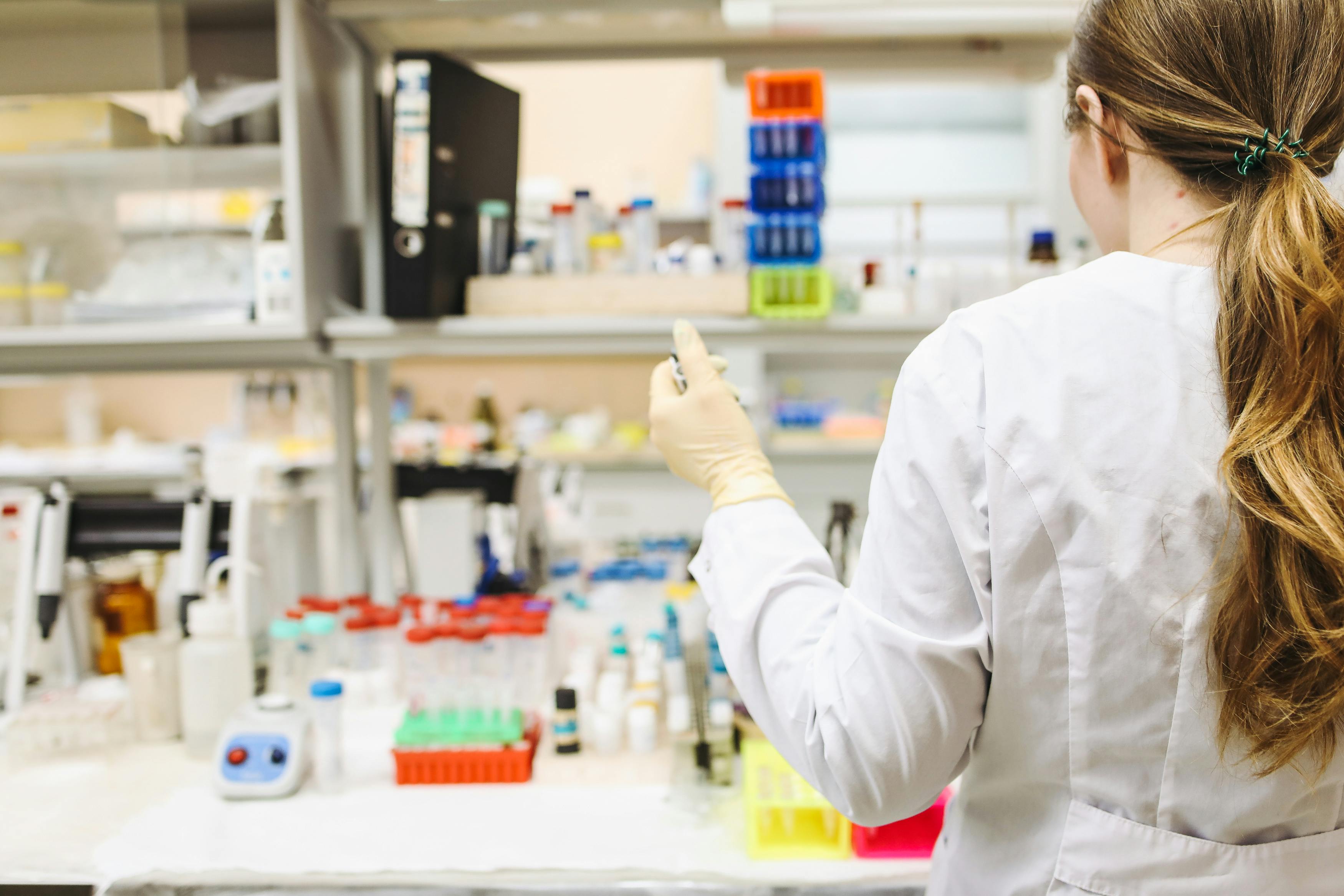
Cervical screening detects abnormal cell changes long before they become cancer. Depending on your age and where you live, this may involve:
- Pap test (Pap smear) to look for abnormal cells.
- HPV test to detect high-risk HPV types.
- A combination of both, sometimes called co-testing.
Guidelines differ globally, but many recommend:
- Begin screening around age 21 (or a few years after sexual activity starts).
- Repeat every 3–5 years, depending on the test type and prior results.
- Continue until at least age 65, or according to local guidance.
3. Safer Sex and Lifestyle Choices
- Use condoms or barriers to reduce HPV transmission (this doesn’t eliminate risk but helps).
- Avoid smoking, which is linked to higher cervical cancer risk.
- Support your immune system with adequate sleep, a balanced diet, movement, and stress management.
Cervical Screening During Pregnancy and After Birth
Alex’s diagnosis during labor raises a natural question: what about Pap or HPV tests in pregnancy?
In many countries:
- Routine cervical screening can safely be performed during pregnancy, especially early on.
- If your smear is due and you become pregnant, your provider may either do it in pregnancy or postpone until after birth, depending on local policy and your individual risk.
- If a concerning symptom appears (like bleeding, pain, or a visible lesion), your provider should evaluate it—pregnancy doesn’t “pause” other health conditions.
Coping with Fear, Guilt, and ‘What Ifs’
Reading about a young mom told she has months to live can stir up a lot: fear for yourself, sadness for her, anxiety about your family. Those feelings are valid.
Over the years, I’ve “met” many people (through case reports and patient stories) who felt intense guilt when diagnosed:
- “I should have gone to that screening appointment.”
- “I thought it was just stress or hormones.”
- “I didn’t want to bother my doctor.”
But the reality is:
- Healthcare systems are complex; appointments get delayed; symptoms overlap.
- HPV is extremely common and often unavoidable, even with protection.
- No one “deserves” cancer because of a missed test or decision.
“The most compassionate thing you can do is treat your past self like you would treat a close friend—acknowledging limitations, context, and the fact that you were doing the best you could with what you knew.”

A Practical Checklist: What You Can Do This Week
If Alex’s story has you thinking about your own health, here are realistic, manageable steps you can take—without spiraling into fear.
- Check your last cervical screening date.
Look at your patient portal, health app, or any paper records. If you’re overdue, book an appointment. - Ask about HPV vaccination.
Whether it’s for you (if you’re within the recommended age range) or for your children, ask your healthcare provider if the vaccine is appropriate. - Note any ongoing symptoms.
Write down unusual bleeding, pain, or discharge, plus how long they’ve been happening. Bring this list to your appointment. - Plan for emotional support.
Tell a trusted friend or partner you’re catching up on screening and may feel nervous. Ask if they can come with you or check in afterwards. - Save reliable resources.
Bookmark your national cancer society or health service pages on cervical cancer, HPV, and screening so you’re not relying on random search results.
From Unaware to Proactive: A Before/After Mindset Shift
Stories like Alex’s can leave you feeling helpless—or they can become a pivot point. Here’s a simple “before vs. after” view of what might change for you.
Before
- “I’ll book my Pap test eventually.”
- HPV feels abstract or embarrassing to talk about.
- Spotting or irregular bleeding is brushed off as “just stress.”
- Health worries stay in your head, not spoken aloud.
After
- You know when your next cervical screening is due—and it’s booked.
- You understand HPV is common and talk about vaccination as routine prevention.
- Persistent changes (bleeding, pain, discharge) trigger a doctor’s visit, not self-blame.
- You lean on trusted people and professionals for support.
Where to Learn More (Trusted Sources)
For up-to-date, evidence-based information on cervical cancer, HPV, and screening, refer to:
- World Health Organization – Cervical cancer fact sheet
- American Cancer Society – Cervical Cancer
- U.S. Centers for Disease Control and Prevention – Cervical Cancer
- Cancer Research UK – Cervical Cancer
Turning Heartbreak into Action
Alex Stewart’s story is deeply tragic. It’s also a stark reminder that behind every statistic is a real person who loves and is loved. While we can’t change what she and her family are facing, we can honor her experience by caring for our own health with a little more urgency and kindness.
If you take one step today, let it be this: check whether you’re up to date on your cervical screening—or, if you’re within the recommended age, ask about HPV vaccination. Then, share what you’ve learned with someone you care about. Quiet, practical actions like these are how we slowly, steadily change the story of cervical cancer for future women and families.
You deserve timely, respectful healthcare—and it’s never “bothering” anyone to ask for the tests and answers you need.
