
A Breakthrough Hope for Preeclampsia: Inside the First Potential Treatment Saving Mothers and Babies
Pregnancy is often described as a joyful journey, but for some families, it can take a sudden and frightening turn. Preeclampsia—a dangerous complication marked by high blood pressure and organ stress—can appear seemingly out of nowhere, even in people who felt perfectly healthy. For decades, doctors have had no true treatment beyond delivery of the baby and placenta. Now, early research on a new drug is offering cautious but genuine hope that this may finally be starting to change.
In a recent NPR report, researchers shared promising early results from what could become the first targeted treatment for preeclampsia. While it’s far too soon to call this a cure, the findings point to a future where more mothers and babies might be protected from one of pregnancy’s most serious threats.
What Is Preeclampsia and Why Is It So Dangerous?
Preeclampsia is a complication of pregnancy usually occurring after 20 weeks. It is typically defined by:
- New-onset high blood pressure (hypertension)
- Signs of organ involvement, often in the kidneys or liver
- Sometimes symptoms like headaches, vision changes, or upper abdominal pain
Globally, preeclampsia and related hypertensive disorders are a leading cause of:
- Maternal death and severe illness
- Preterm birth and low birth weight
- Emergency cesarean deliveries and intensive care admissions
“For years, our only definitive ‘treatment’ for preeclampsia has been delivery. We’ve managed blood pressure and seizures, but we haven’t had anything that truly targets the underlying disease process.”
— Maternal–Fetal Medicine specialist, summarizing current practice
In real life, this means that when preeclampsia becomes severe, doctors often face a heartbreaking trade-off: deliver early to protect the pregnant person, even if the baby may be very premature, or try to wait and risk rapidly worsening illness.
A Real Family’s Story: Excitement, Then Fear
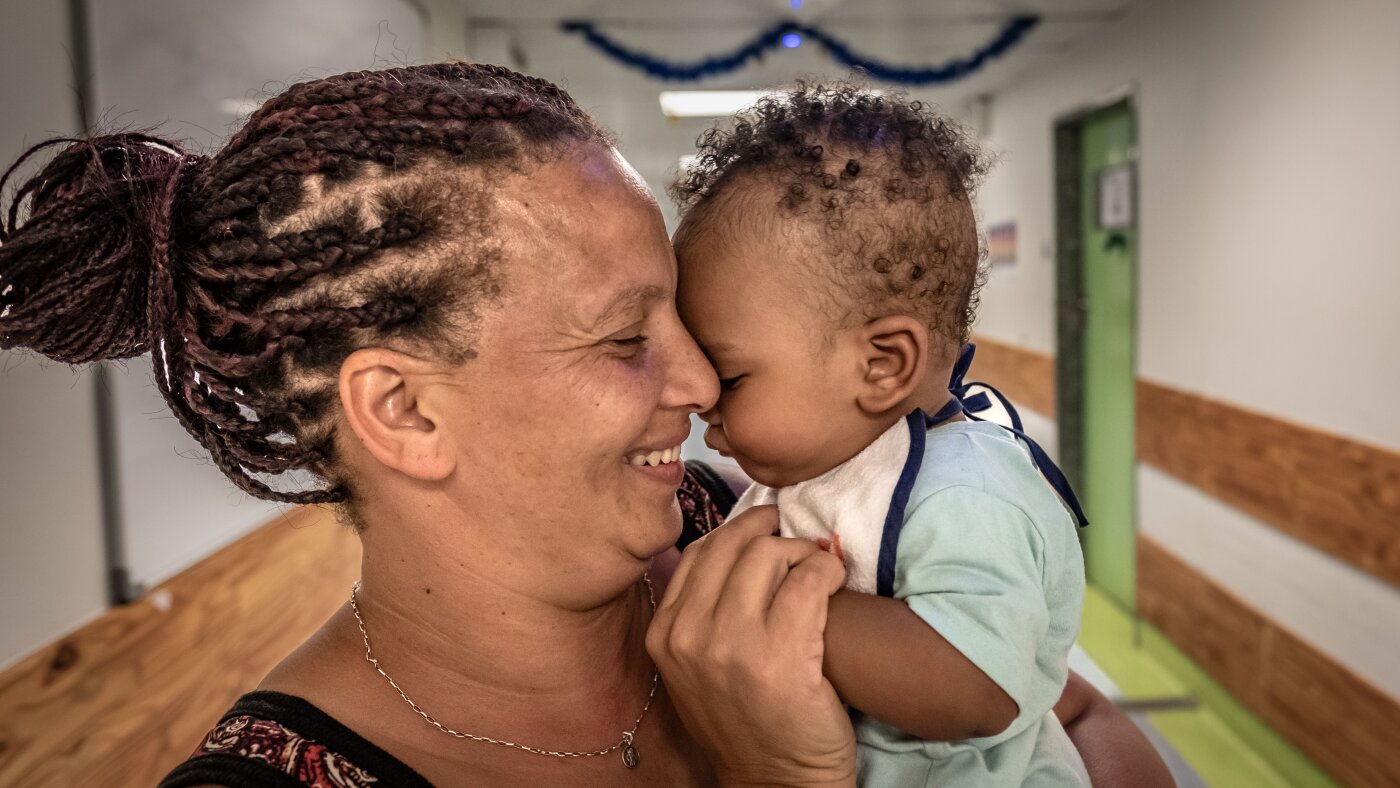
The NPR report follows Abigail Hendricks, who became pregnant with her fifth child in the fall of 2024. She described feeling deeply grateful and excited—“For me, a baby is a blessing,” she said. Like many parents, she expected the familiar mix of fatigue, joy, and anticipation.
Instead, she was confronted with a diagnosis of preeclampsia. Her journey highlights a truth many families share: preeclampsia can affect people who have had previous healthy pregnancies, and it can escalate quickly, even when you are doing everything “right.”
Current Care: What Doctors Can (and Can’t) Do Today
As of early 2026, standard care for preeclampsia focuses on:
- Monitoring closely — frequent blood pressure checks, blood and urine tests, and fetal monitoring.
- Controlling blood pressure — using medications that are considered safer in pregnancy.
- Preventing seizures — magnesium sulfate is often used for severe cases or around the time of delivery.
- Timing delivery — deciding when it’s safest to deliver, balancing the baby’s gestational age with the pregnant person’s health.
What’s been missing is a drug designed to address the biological mechanisms that drive preeclampsia itself—particularly the abnormal signals released by the placenta that damage blood vessels and raise blood pressure.
The New Drug: Why Researchers Are Excited
The experimental drug highlighted by NPR is aimed directly at the biology of preeclampsia. Early clinical trial data—still limited and under ongoing review—suggest that it may:
- Reduce harmful factors produced by the placenta that injure blood vessels
- Improve blood vessel function and blood flow
- Stabilize blood pressure and organ function in the pregnant person
- Potentially buy more time in the pregnancy before delivery is needed
“For the first time, we’re seeing a therapy that doesn’t just manage the symptoms of preeclampsia, but actually targets the drivers of the disease. That’s a paradigm shift—if the results hold up in larger, rigorous trials.”
— Researcher interviewed in the NPR coverage
In the trial, some participants with severe preeclampsia were able to safely prolong their pregnancies—sometimes by days, sometimes by longer—giving their babies more time to grow while keeping the pregnant person under close medical supervision. Even a few extra days can make an important difference for a very premature baby’s lungs and brain.

What Do We Know So Far? Early Evidence and Caution
As of February 2026, the evidence around this drug is still considered early-stage. Key points include:
- Results are based on relatively small numbers of patients.
- Participants were carefully selected and monitored at specialized centers.
- Reported benefits focus on short-term outcomes like blood pressure control and pregnancy prolongation.
- Long-term safety for both parent and child is still being evaluated.
NPR’s reporting emphasized that while researchers are genuinely excited, they are also clear: this is not a magic bullet, and it will not prevent all cases or all complications. But even a partial, targeted treatment could help reduce the severity of illness, lower the need for very early delivery, and improve outcomes in high-risk situations.
What This Could Mean for Pregnant People and Babies
If future research confirms its benefits and safety, a drug like this could:
- Reduce emergency early deliveries by stabilizing the condition long enough for steroids to help the baby’s lungs mature.
- Lower the risk of organ damage to the pregnant person by improving blood vessel health.
- Give families time to transfer to higher-level hospitals, plan neonatal care, and prepare emotionally and practically.
- Complement—not replace—existing tools like blood pressure medications and magnesium sulfate.

It’s also important to remember that access matters. Ensuring that people in rural areas, low-resource settings, and historically marginalized communities can benefit from any new therapy will require policy work, training, and sustained investment—not just a scientific breakthrough.
If You’re Pregnant Now: Practical, Evidence-Based Steps
While this experimental drug is still in trials, there are proven ways to lower risk and catch preeclampsia early. Always discuss your individual situation with your obstetric provider, but in general:
- Know your personal risk factors.
These can include a history of preeclampsia, chronic high blood pressure, kidney disease, diabetes, carrying multiples, autoimmune conditions, or first pregnancy with a specific partner. If you have any of these, make sure your care team knows. - Attend all prenatal appointments.
Blood pressure checks and urine tests at routine visits are key tools for early detection. If you must miss an appointment, try to reschedule rather than skip. - Monitor symptoms between visits.
Call your provider or go to an emergency department if you notice:- Severe or persistent headache
- Vision changes (blurry vision, spots, flashing lights)
- Sudden swelling of face or hands
- Sharp pain in the upper right abdomen
- Sudden, rapid weight gain due to fluid
- Discuss low-dose aspirin if appropriate.
Many guidelines (such as those from the U.S. Preventive Services Task Force and ACOG) recommend low-dose aspirin in certain high-risk pregnancies, starting in the late first or early second trimester. This is not right for everyone, so it must be prescribed and supervised by your clinician. - Ask about where you would deliver if complications arise.
Knowing in advance which hospital has higher-level maternal and neonatal care can save valuable time if preeclampsia develops.
Common Obstacles: Fear, Access, and Misinformation
Learning about preeclampsia or hearing about a new, not-yet-available drug can stir up complex emotions. Some frequent challenges include:
- Fear of what might happen.
It’s normal to feel anxious after hearing about a dangerous pregnancy complication. Try bringing a written list of questions to your visits to make the most of your time with your provider. - Unequal access to specialty care.
If you live far from a large hospital, ask your clinician whether telehealth consultations with a high-risk pregnancy specialist (maternal–fetal medicine) are available. - Misinformation online.
Social media can spread both hope and false promises. Be wary of:- Any product claiming to “cure” preeclampsia
- Unsupervised supplement regimens
- Anecdotes that dismiss medical care or encourage stopping prescribed medications
Before and After: How a Targeted Treatment Might Change Care
To understand the potential impact, it helps to imagine two simplified scenarios.
Before (Current Standard)
- Preeclampsia is diagnosed at 30 weeks.
- Blood pressure medications and magnesium are started.
- Despite best efforts, organ function worsens.
- Emergency early delivery is required within a short time.
Possible Future (With an Effective Drug)
- Preeclampsia is diagnosed at 30 weeks.
- Standard treatments plus a targeted drug are started in hospital.
- Blood vessel health and organ function stabilize.
- Pregnancy is safely prolonged under close monitoring, giving the baby more time to mature.

These examples are simplified and idealized; real cases are more complex. Still, they illustrate why even modest improvements in control of preeclampsia can have outsized benefits for families.
Staying Informed and Advocating for Your Care
If you or someone you love is pregnant and concerned about preeclampsia, here are gentle, practical ways to stay empowered:
- Ask direct questions like “What is my risk for preeclampsia?” and “What signs should prompt me to call you or go to the hospital?”
- Bring a support person to appointments to help remember information and speak up if you’re not feeling heard.
- Use a blood pressure monitor at home if your clinician recommends it, and keep a log of readings and symptoms.
- Inquire about clinical trials if you are high-risk or already diagnosed; participation is entirely voluntary and must be carefully explained.
Looking Ahead: Hope, Without Hype
The story NPR shared—of a family facing preeclampsia and of scientists testing a first-of-its-kind drug—captures the tension many parents feel: fear of what can go wrong, and a deep hope that medicine is moving forward.
It’s important not to overpromise. As of 2026, preeclampsia remains a serious condition that can’t be fully prevented or cured. But the fact that researchers are finally developing targeted treatments is a major step forward. Each carefully conducted trial brings us closer to safer pregnancies and healthier beginnings.
If you are pregnant now, your power lies in what you can control today: staying engaged with prenatal care, knowing warning signs, asking questions, and leaning on trusted professionals and loved ones. Medical science is working hard in the background—stories like this new drug are proof of that.
Your next step: at your upcoming prenatal visit, take two minutes to ask, “How are we watching for preeclampsia, and what should I do if I’m worried between visits?” That simple question can open the door to a safer, more supported pregnancy.
