
6 Daily Exercises That Rebuild Lost Muscle After 55 (Without Heavy Weights)
6 Daily Exercises That Rebuild Lost Muscle Faster Than Heavy Weight Training After 55
Losing muscle after 55 is common, but you don’t have to live with feeling weaker, slower, or more fragile. With the right kind of daily exercise—no heavy lifting required—you can rebuild strength, improve balance, and stay independent for longer.
This guide walks you through six simple, science-backed exercises you can do at home to rebuild lost muscle. We’ll cover how to do them safely, how often to practice, and what to tweak if you have joint pain or are starting from a low fitness level.
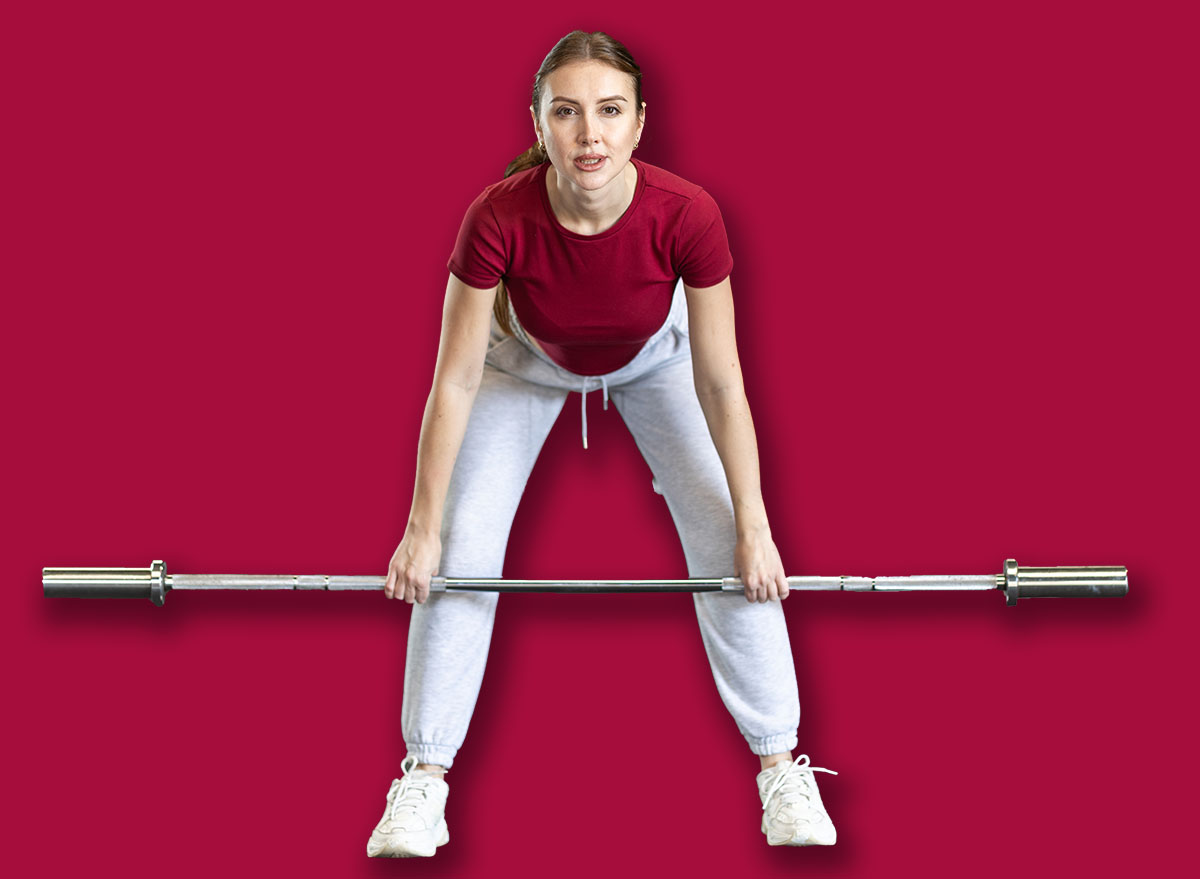
You’ll also see insights drawn from trainers and current research used in health outlets like Eat This, Not That!, so you can feel confident you’re following advice that respects both your goals and your body.
Why Muscle Loss Speeds Up After 55 (and Why Heavy Weights Aren’t Your Only Option)
After about age 30, adults lose an estimated 3–8% of muscle mass per decade, and that rate can increase after 60. This process, called sarcopenia, is linked to:
- Slower metabolism and easier weight gain
- Higher risk of falls and fractures
- Less energy for daily tasks like climbing stairs or carrying groceries
- Greater risk of losing independence later in life
“You don’t have to train with heavy weights to stimulate muscle growth after 55. What you need is consistent, progressive resistance that your joints can tolerate and your schedule can sustain.”
Research in older adults shows that:
- Bodyweight and light-resistance exercises performed to moderate fatigue can increase strength and muscle size.
- Higher-frequency, lower-intensity routines (like daily practice) often improve function faster than hard, infrequent gym sessions.
- Balance and mobility training are just as crucial as raw strength to prevent falls and injuries.
Who These 6 Daily Exercises Are Perfect For
This plan is designed especially for people:
- Age 55 and older, including into your 70s and beyond
- Who haven’t exercised in a while or are restarting after a break
- Who feel nervous about heavy weights or gym equipment
- With mild joint aches (like knees or lower back) but cleared for activity
- Who want short, simple exercises they can do at home most days
If you’re already doing strength training, these exercises can also serve as a joint-friendly “maintenance” routine on days you don’t feel up to heavier lifting.
1. Chair Sit-to-Stand: The Everyday Leg-Strength Test
The sit-to-stand mimics standing up from a chair—one of the best predictors of functional independence in older adults. It strengthens your thighs, glutes, and core while challenging balance in a safe way.
How to do it
- Use a sturdy chair without wheels, placed against a wall.
- Sit tall with your feet hip-width apart, toes pointing forward.
- Cross your arms in front of your chest, or lightly hold the chair or a countertop for support.
- Lean slightly forward from your hips and press through your heels to stand up.
- Fully straighten your hips, pause for 1 second, then slowly lower back down with control.
Reps & progression
- Start with: 2 sets of 8–10 repetitions.
- Goal: Work up to 3 sets of 12–15 repetitions.
- To make it easier: Use your hands on your thighs or armrests.
- To make it harder: Hold light dumbbells or pause for 2–3 seconds just above the chair before sitting.
2. Wall Push-Ups: Upper-Body Strength Without the Floor
Wall push-ups strengthen your chest, shoulders, arms, and core without needing to get down on the floor. They’re ideal if you’re anxious about traditional push-ups or have wrist or shoulder concerns.
How to do it
- Stand facing a wall, about an arm’s length away.
- Place your hands on the wall at shoulder height and shoulder-width apart.
- Step your feet back slightly so your body forms a straight line from head to heels.
- Inhale and slowly bend your elbows, bringing your chest toward the wall.
- Exhale and press back to the starting position, keeping your body in a straight line.
Reps & progression
- Start with: 2 sets of 8–10 repetitions.
- Goal: 3 sets of 12–15 repetitions.
- To make it easier: Stand closer to the wall.
- To make it harder: Step your feet farther back, or progress to pushing against a countertop instead of the wall.
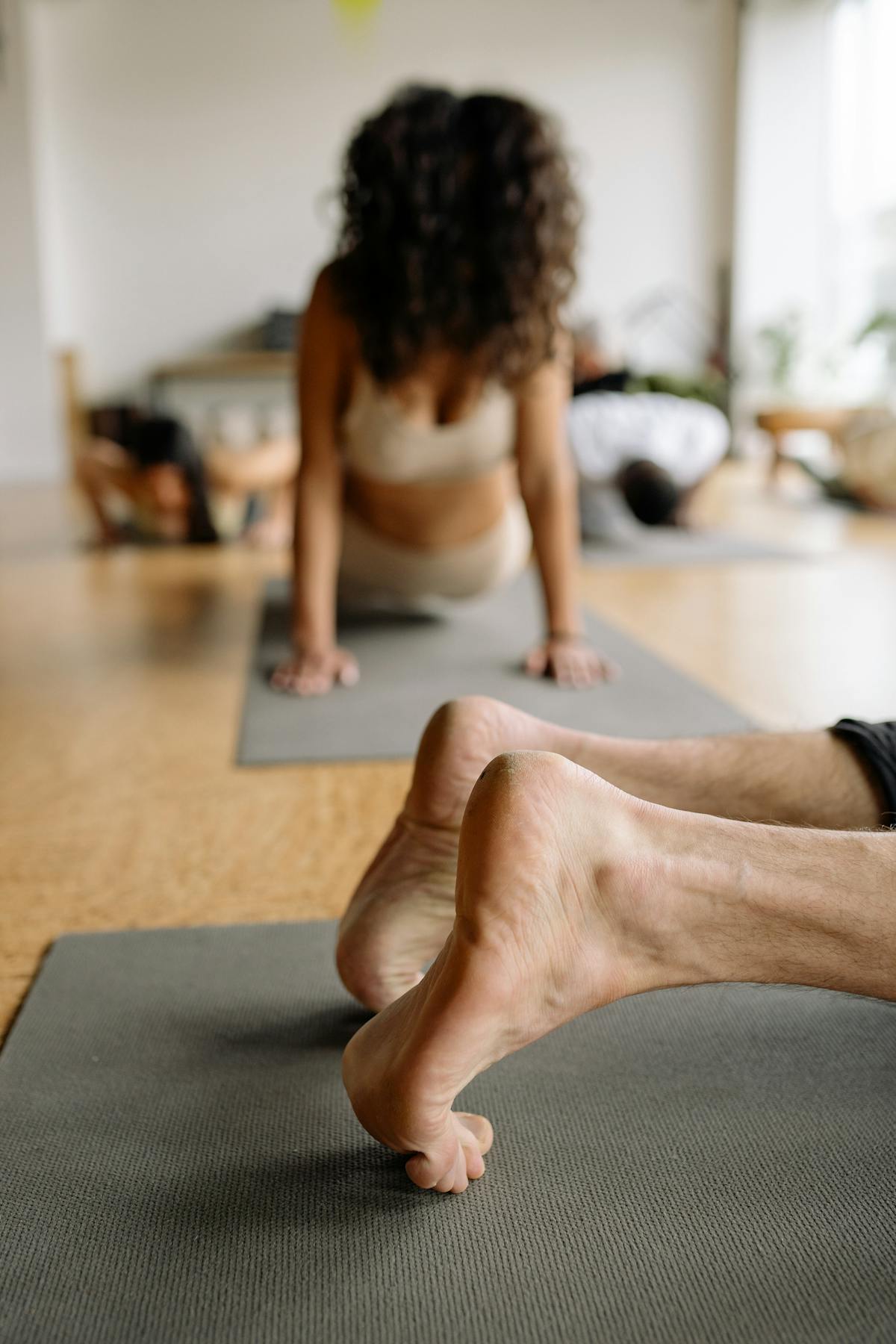
3. Step-Ups: Powerful Legs and Better Balance
Step-ups build strength in your thighs and glutes and improve balance and coordination—key factors in preventing falls. You can use a low step, stair, or sturdy platform.
How to do it
- Stand facing a low step or bottom stair, near a wall or railing for support.
- Place your right foot fully on the step, pressing through your heel.
- Step up, bringing your left foot to meet your right on the step.
- Step down with your left foot first, then the right.
- Repeat for all reps on one side, then switch the leading leg.
Reps & progression
- Start with: 2 sets of 8–10 step-ups per leg.
- Goal: 3 sets of 12–15 per leg.
- To make it easier: Use a very low step (even a thick book or flat board) and hold a railing.
- To make it harder: Hold light weights or increase the step height slightly once you feel stable.
4. Standing Band Row: Strong Back and Better Posture
Many older adults lose strength in the upper back, which contributes to rounded shoulders and neck pain. The standing band row targets your back muscles, biceps, and posture in a joint-friendly way.
How to do it
- Anchor a resistance band around a doorknob (on a closed, secure door) or a sturdy post at about chest height.
- Stand tall, holding one end of the band in each hand, arms extended in front of you.
- Brace your core and slightly bend your knees.
- Pull the band toward your ribcage, squeezing your shoulder blades together.
- Slowly extend your arms back to the starting position with control.
Reps & progression
- Start with: 2 sets of 10–12 repetitions.
- Goal: 3 sets of 12–15 repetitions.
- To make it easier: Step closer to the anchor or use a lighter band.
- To make it harder: Step farther back or use a heavier band, keeping movement slow and controlled.
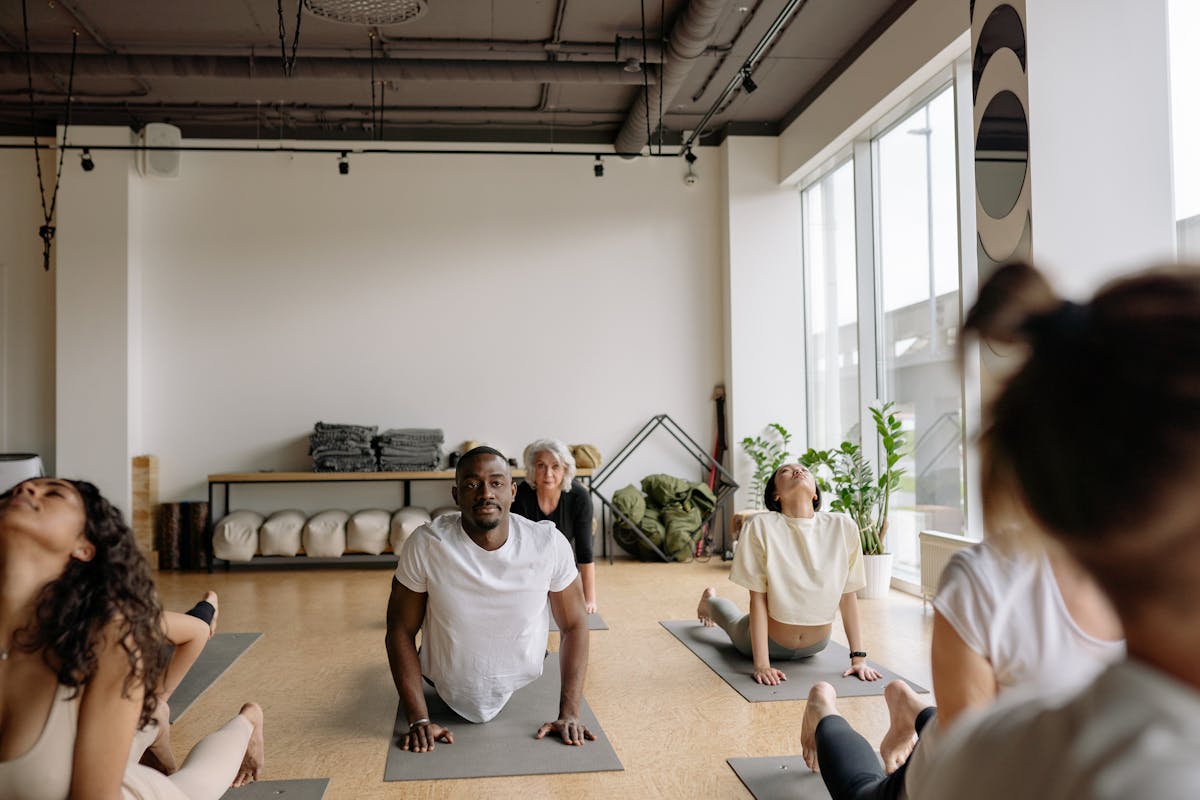
5. Heel Raises: Calf Strength and Ankle Stability
Strong calves support better walking, stair climbing, and balance. Heel raises are simple, joint-friendly, and surprisingly effective at building lower-leg strength.
How to do it
- Stand behind a sturdy chair or countertop, lightly holding for balance.
- Place your feet hip-width apart.
- Slowly rise up onto the balls of your feet as high as is comfortable.
- Pause for 1–2 seconds at the top, then lower your heels back down with control.
Reps & progression
- Start with: 2 sets of 12–15 repetitions.
- Goal: 3 sets of 15–20 repetitions.
- To make it easier: Hold onto the chair with both hands and don’t lift as high.
- To make it harder: Do them one leg at a time, or hold light weights at your sides.
6. Marching Balance Hold: Core Strength and Fall Prevention
Balance training is one of the most overlooked “muscle builders” for adults over 55. The marching balance hold strengthens your hips and core while teaching your nervous system to react quickly if you trip or lose your footing.
How to do it
- Stand tall next to a countertop or sturdy chair, one hand lightly resting on it.
- Shift your weight onto your left foot.
- Slowly lift your right knee to hip height (or as high as comfortable).
- Hold this “march” position for 3–5 seconds, keeping your torso upright.
- Lower your foot back down and repeat on the opposite side.
Reps & progression
- Start with: 2 rounds of 8–10 marches per leg.
- Goal: 3 rounds of 10–12 marches per leg, holding each for 5–10 seconds.
- To make it easier: Keep both hands on the support and lift your knees only a few inches.
- To make it harder: Look straight ahead instead of down, or try letting go with one hand.

How to Turn These 6 Moves into a Simple Daily Routine
To rebuild muscle after 55, consistency matters more than intensity. Think of this as a “movement snack” you do most days, not a punishing workout.
Sample 15–25 minute daily routine
- Warm-up (3–5 minutes)
- Gentle marching in place
- Arm circles and shoulder rolls
- Slow neck and ankle circles
- Strength circuit (10–15 minutes)
- Chair sit-to-stand – 1 set
- Wall push-ups – 1 set
- Step-ups – 1 set per leg
- Standing band row – 1 set
- Heel raises – 1 set
- Marching balance hold – 1 round per leg
- Cool-down (3–5 minutes)
- Slow walking around your home
- Gentle stretching for thighs, calves, chest, and shoulders
Start with 1 set of each exercise, 3–4 days per week. As you feel stronger, move toward 2–3 sets and practice most days of the week, leaving at least 1 full rest day.
Common Obstacles After 55—and How to Overcome Them Safely
1. “My joints hurt when I exercise.”
- Aim for “mild discomfort” at most, never sharp or worsening pain.
- Shorten the range of motion, slow down, or reduce repetitions.
- Use supports (chairs, walls, railings) generously—this is not cheating.
2. “I’m afraid of falling.”
- Do balance exercises near a counter, in a hallway, or next to a sturdy table.
- Keep at least one hand in light contact with support until you feel very steady.
- Clear the floor of rugs, cords, or clutter before starting.
3. “I’m inconsistent.”
- Attach your routine to daily habits (after brushing your teeth or before your morning coffee).
- Start with just 5–10 minutes—doing a little every day beats doing a lot once in a while.
- Track your sessions with a simple calendar checkmark or a notes app.
“The biggest wins I see in clients over 60 don’t come from complex workouts. They come from small, repeatable routines done almost every day.”
A Real-World Example: From “I Feel Fragile” to Daily Strength
A 67-year-old client, whom I’ll call Maria, came to a trainer feeling unsteady and “old” after a minor fall. She didn’t feel ready for gym machines or heavy weights, so they started with a routine very similar to the six exercises you’ve just read.
For the first two weeks, she did:
- One set of each exercise, three days per week
- Very light resistance and lots of support for balance
Over two months, she progressed to:
- Two to three sets of 10–15 repetitions on most exercises
- Daily short walks plus her strength routine 4–5 days a week
She wasn’t lifting barbells or doing intense gym workouts, yet she noticed clear changes:
- Climbing stairs became easier and less breathless.
- She could carry groceries without stopping.
- Her confidence walking outside, especially on uneven ground, significantly improved.

What the Science Says About Rebuilding Muscle After 55
Current research on older adults consistently shows that:
- Resistance training—even with bodyweight or light bands—can increase muscle mass and strength in people in their 60s, 70s, and beyond.
- Combining strength work with balance and mobility training reduces fall risk more than any single approach alone.
- Muscle is metabolically active tissue: gaining or maintaining it can support healthier blood sugar levels and overall metabolic health.
For deeper reading, see resources such as:
- National Institute on Aging – Exercise and Physical Activity: https://www.nia.nih.gov/health/exercise-physical-activity
- Centers for Disease Control and Prevention – Physical Activity for Older Adults: https://www.cdc.gov/physicalactivity/basics/older_adults/index.htm
Your Next Step: Start Small, But Start Today
You don’t need heavy weights, a gym membership, or hour-long workouts to rebuild lost muscle after 55. What you need is a short list of safe exercises, practiced regularly, with just enough challenge to nudge your muscles to grow stronger.
Here’s a simple way to begin:
- Choose three of the six exercises that feel most manageable today.
- Do just one set of each, moving slowly and focusing on form.
- Schedule your next session in your calendar within the next 48 hours.
Over the coming weeks, you can build up to the full routine. Your future self—stronger, steadier, and more confident—will be grateful you started.
