
5 Everyday Foods That Count as Ultra-Processed (and How to Enjoy Them in a Healthy Way)
Ultra-processed foods are everywhere—from quick breakfasts to “healthy” snacks—and headlines about their risks can feel scary and overwhelming. You might look at your grocery cart and wonder, “Is everything I eat bad for me now?”
In this article, we’ll walk through five surprisingly ultra-processed foods, what that label really means, and how they can still fit into a balanced, realistic way of eating. You’ll see that it’s less about perfection and more about patterns, portions, and what you’re eating most of the time.
:max_bytes(150000):strip_icc()/5-Foods-That-Are-Surprisingly-Considered-Ultraprocessed-d70a62ac6ce04e619a5d26bdc908b92c.jpg)
The goal here isn’t to scare you away from specific foods—it’s to give you clear, evidence-based guidance so you can make confident, flexible choices.
What Are Ultra-Processed Foods, Exactly?
Most of the research you hear about uses the NOVA classification, which groups foods into four categories based on how much they’re processed:
- Group 1: Unprocessed or minimally processed (e.g., fruits, vegetables, plain yogurt, eggs).
- Group 2: Processed culinary ingredients (e.g., oils, sugar, salt, butter).
- Group 3: Processed foods (e.g., cheese, canned beans with salt, whole-grain bread with few ingredients).
- Group 4: Ultra-processed foods (UPFs)—industrial formulations with multiple ingredients, often including additives like flavorings, colorings, emulsifiers, or sweeteners.
Ultra-processed foods usually:
- Contain several ingredients you wouldn’t typically use at home.
- Have a long shelf life and are ready-to-eat or heat.
- Are designed to be very palatable, sometimes encouraging overeating.
“Calling a food ‘ultra-processed’ describes how it’s made, not whether it’s automatically good or bad. Health is influenced by your overall dietary pattern, not a single ingredient or product.”
— Registered Dietitian, outpatient practice case notes (paraphrased)
Large observational studies have linked high intakes of ultra-processed foods to higher risks of heart disease, certain cancers, type 2 diabetes, depression, and earlier death. However, these studies can’t prove that ultra-processed foods alone cause these outcomes—they show associations, often alongside other lifestyle factors.
1. Flavored Yogurt Cups
Many people are surprised to learn that their “healthy” flavored yogurt can land in the ultra-processed category, especially when it contains sweeteners, thickeners, stabilizers, or artificial flavors.
Why It’s Classified as Ultra-Processed
Flavored yogurts frequently include:
- Added sugars or non-nutritive sweeteners.
- Fruit “preps” with stabilizers and flavorings.
- Texturizers like modified starches or gums.
Can It Fit in a Healthy Diet?
Yes—especially if it helps you eat more protein and calcium. Research consistently supports fermented dairy like yogurt as part of a healthy dietary pattern, even when it’s sweetened, as long as it doesn’t push your overall added sugar intake too high.
How to Make It Work for You
- Choose lower-sugar options (ideally <10–12 g added sugar per serving).
- Pair with fiber (fruit, oats, nuts, seeds) to keep you fuller longer.
- Consider a mix of plain yogurt + a bit of flavored yogurt to cut sugars without sacrificing taste.
2. Whole-Grain Breakfast Cereals
That “heart healthy,” whole-grain cereal you rely on for busy mornings? It’s very often ultra-processed, even when it’s high in fiber and fortified with vitamins and minerals.
Why It’s Classified as Ultra-Processed
Most ready-to-eat cereals:
- Use refined or extruded grains shaped by industrial processes.
- Include added sugars and flavorings.
- Are fortified with vitamins and minerals in a way that meets NOVA’s UPF criteria.
Can It Fit in a Healthy Diet?
In moderation, yes. Observational research often finds that high-sugar cereals are linked to poorer diet quality, but minimally sweet, higher-fiber cereals can support heart health and digestive health—especially when they’re not your only breakfast option.
How to Make It Work for You
- Look for ≥3–4 g fiber and ≤6–8 g added sugar per serving.
- Pair with a protein source (Greek yogurt, eggs, or a protein-fortified milk) to stay satisfied.
- Use cereal as a topping on plain yogurt or fruit instead of a giant bowl as the main event.
3. Plant-Based Meat Alternatives
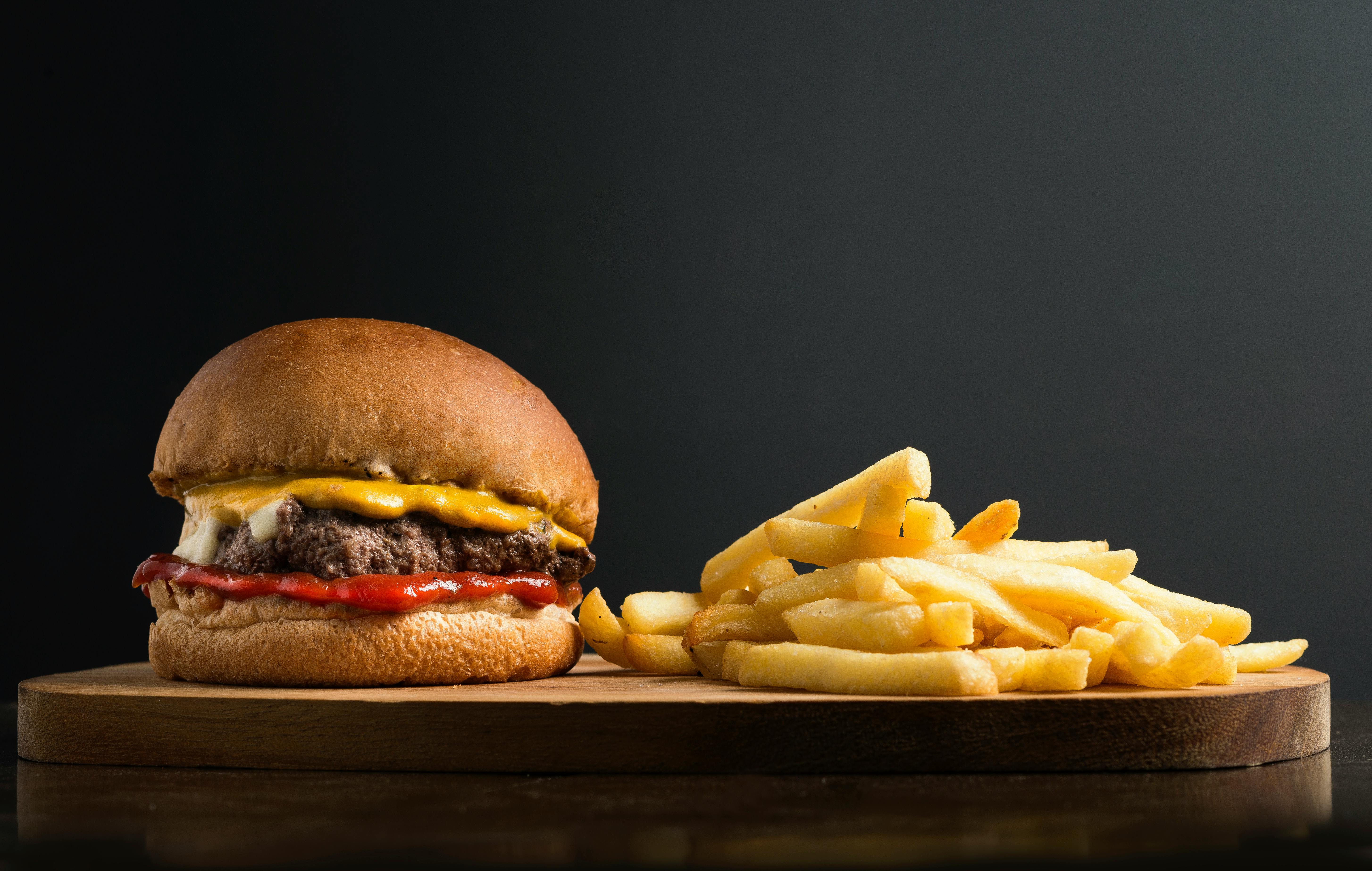
Burgers made from pea protein, “chicken” nuggets from soy, or deli-style slices made from wheat gluten are often marketed as better for you and the planet. But by NOVA standards, they’re almost always ultra-processed.
Why They’re Classified as Ultra-Processed
These products often contain:
- Isolated plant proteins (e.g., pea protein isolate, soy protein concentrate).
- Emulsifiers, flavor enhancers, and colorings to mimic meat.
- Added oils, sometimes with higher sodium levels.
Can They Fit in a Healthy Diet?
For many people, yes—especially if they replace processed red meats like bacon, hot dogs, or sausages. Some studies suggest that swapping processed meat for plant-based alternatives can improve certain heart health markers, though the research is still evolving.
How to Make Them Work for You
- Use them as an occasional convenience food, not your only protein source.
- Compare labels—aim for reasonable sodium (ideally <450–500 mg per serving) and at least 10–15 g protein.
- Pair with whole foods: serve on a whole-grain bun with a big salad or roasted veggies.
4. Protein Bars and Snack Bars
Protein bars, granola bars, and energy bars are classic “healthy convenience” foods. But the mix of protein isolates, sweeteners, flavorings, and binding agents typically puts them firmly in the ultra-processed camp.
Why They’re Classified as Ultra-Processed
Most bars contain:
- Isolated proteins (whey, soy, pea) and fibers.
- Syrups, sugar alcohols, or artificial sweeteners.
- Emulsifiers and stabilizers for texture and shelf life.
Can They Fit in a Healthy Diet?
Used strategically, yes. They’re often better than skipping meals, hitting the vending machine, or arriving home so hungry that overeating becomes almost inevitable.
How to Make Them Work for You
- Use bars as a backup plan—keep one in your bag, car, or desk for emergencies.
- Check labels: aim for:
- At least 6–8 g protein.
- Some fiber (2–3 g or more).
- A shorter ingredient list when possible.
- Pair with real food when you can (like a piece of fruit or a handful of nuts).
5. Frozen Ready Meals (Even “Healthy” Ones)
Frozen dinners have come a long way—many now feature veggies, whole grains, and lean proteins. Still, most fall under the ultra-processed umbrella, even when marketed as “light,” “lean,” or “high protein.”

Why They’re Classified as Ultra-Processed
Frozen meals commonly include:
- Preservatives and stabilizers.
- Flavor enhancers and industrial sauces.
- Refined grains and added sugars in sauces or dressings.
Can They Fit in a Healthy Diet?
Yes—especially compared with frequent takeout or fast food. They can be a helpful bridge on nights when cooking from scratch isn’t realistic, particularly if you choose options with plenty of vegetables and reasonable sodium.
How to Make Them Work for You
- Scan for sodium <700–800 mg per meal when possible.
- Look for meals with at least 15–20 g protein and some visible vegetables.
- Boost them with:
- A side salad or microwaved frozen veggies.
- Extra beans or lentils for more fiber and protein.
What Does the Research Say About Ultra-Processed Foods and Health?
Over the last decade, large cohort studies in Europe, the U.S., and Latin America have consistently found that people who eat the most ultra-processed foods tend to have higher risks of:
- Cardiovascular disease and stroke.
- Type 2 diabetes.
- Some cancers.
- Depressive symptoms.
- Earlier all-cause mortality.
However, these studies are observational. They show patterns, not cause-and-effect. People who eat a lot of ultra-processed foods often:
- Eat fewer fruits, vegetables, and whole grains.
- Have lower overall diet quality.
- May live in environments where healthy options are less accessible.
“It’s not that one ultra-processed snack ruins your health, but that a diet dominated by ultra-processed foods tends to displace more nutritious options.”
— Interpretation based on current nutrition epidemiology findings
A small number of controlled trials suggest that ultra-processed diets can promote overeating and weight gain when people are given unlimited access, likely due to higher energy density, softer textures, and stronger flavors. Still, portion awareness and mindful eating can help offset some of these effects.
Common Obstacles: Why Ultra-Processed Foods Are So Hard to Avoid
If you’ve tried to cut back on ultra-processed foods and felt like you were swimming upstream, you’re not imagining it. There are real barriers:
- Time and energy: Cooking from scratch every day is unrealistic for many people.
- Cost and access: Fresh foods can be more expensive or harder to find in some areas.
- Marketing and convenience: Ultra-processed options are heavily advertised and everywhere—from gas stations to workplaces.
- Stress and fatigue: When you’re exhausted, convenience often wins, and that’s human.
Instead of aiming for “zero ultra-processed foods,” which can create guilt and shame, a more sustainable approach is to:
- Identify where ultra-processed foods show up most often in your week.
- Replace a few of them with simpler options (like frozen vegetables, canned beans, or pre-chopped produce).
- Keep a few “better” ultra-processed options as back-ups for tough days.
Simple Ways to Cut Back on Ultra-Processed Foods (Without Going Extreme)
You don’t need a total kitchen overhaul. These small, realistic shifts can gradually lower your reliance on ultra-processed foods:
- Upgrade your snacks: Rotate in nuts, fresh or dried fruit, boiled eggs, or whole-grain crackers with cheese alongside (or instead of) bars and chips.
- Lean on “lightly processed” helpers: Think frozen veggies, canned beans (rinsed), pre-washed salad greens, and rotisserie chicken.
- Batch one component: Cook a pot of whole grains or a tray of roasted vegetables once or twice a week to pair with quick proteins.
- Keep “fast real food” visible: A bowl of fruit on the counter or washed veggies at eye level in the fridge makes better choices easier.
- Practice “better, not perfect” grocery shopping: If your cart is mostly plants, proteins, and basic pantry items, there’s room for a few ultra-processed conveniences.
Bringing It All Together: A Balanced Perspective on Ultra-Processed Foods
Ultra-processed foods like flavored yogurts, breakfast cereals, plant-based meats, protein bars, and frozen meals may surprise you, but being labeled “ultra-processed” doesn’t automatically make them off-limits. It simply reminds us that they’re best used thoughtfully, not as the foundation of our diets.
Your health is shaped by your overall pattern of eating over weeks, months, and years—not by a single bar, burger, or frozen dinner. Focusing on adding more whole and minimally processed foods, while keeping a few ultra-processed “helpers” for busy moments, is a realistic way to support your health without obsessing over every bite.
If you’d like to take a next step:
- Pick one ultra-processed food you eat regularly.
- Decide whether to:
- Keep it and enjoy it more mindfully, or
- Swap it once or twice this week for a less processed alternative.
- Notice how you feel—energy, mood, digestion, and satisfaction.
Small, compassionate changes like these are far more powerful—and sustainable—than all-or-nothing rules. Your diet doesn’t have to be perfect to be profoundly better for your health.
