
10 Brain-Boosting Hobbies Older Adults Love (Backed by Science)
Many older adults discover a surprising amount of free time—children are grown, work slows down, and daily life finally has a little breathing room. Yet that extra time can raise a big question: How do I spend it in a way that keeps my brain sharp and my body strong?
The good news: You don’t need extreme workouts or complicated routines. Simple, enjoyable hobbies—done consistently—can boost memory, balance, mood, and even longevity. Below, you’ll find 10 expert-recommended hobbies for older adults that support both brain and body health, along with practical ways to get started at any age or fitness level.
Why Hobbies Matter for Healthy Aging
Research consistently shows that mentally stimulating, socially connected, and physically active lifestyles are linked to better brain and body health in older age. Studies have associated such hobbies with:
- Lower risk of cognitive decline and dementia
- Improved balance, strength, and mobility
- Better mood and reduced symptoms of depression and anxiety
- Higher quality of life and sense of purpose
- In some studies, increased longevity
“It’s not about one magic activity—it’s about regularly engaging your brain, body, and social connections in ways that feel meaningful to you.”
The activities below draw on these principles and on findings from gerontology, neurology, and exercise science as of early 2026. Always check with your health care provider before starting anything vigorous or unfamiliar.
:max_bytes(150000):strip_icc()/GettyImages-1070405846-1f2cbced7968419a8bcc9c7115c1e09c.jpg)
1. Dancing: Fun Cardio That Trains Your Brain
Dancing is one of the most well-studied hobbies for brain health. It blends aerobic exercise, coordination, rhythm, memory, and social interaction. Research has found that older adults who dance regularly may have better balance, slower cognitive decline, and lower risk of falls.
- Brain benefits: Learning steps and remembering sequences challenges attention, memory, and processing speed.
- Body benefits: Light-to-moderate cardio, better balance, stronger legs, and improved posture.
- Mood benefits: Music and movement can lift mood and ease stress.
How to get started:
- Begin with low-impact styles like ballroom, line dancing, or beginner Latin dance.
- Look for “senior,” “gentle,” or “beginner” classes at community centers, YMCAs, or dance studios.
- Try online follow-along videos if you prefer to move at home.
- Aim for 10–20 minutes, 2–3 times per week and build up slowly.
2. Walking Clubs: Simple Movement, Powerful Results
Walking is accessible, joint-friendly, and strongly linked to lower risk of heart disease, stroke, and early mortality. When you turn walking into a social hobby, you also add cognitive and emotional benefits.
In large studies, older adults who walk regularly tend to maintain better mobility and independence longer than those who are mostly sedentary.
Ways to make walking a hobby:
- Join or start a neighborhood walking group.
- Explore new parks, botanical gardens, or nature trails.
- Use an app or simple step-counter to track progress and stay motivated.
Practical starting point:
If you’re new to regular activity, try 5–10 minutes at a comfortable pace, once or twice a day. Over time, many guidelines suggest working toward 150 minutes of moderate walking per week, but any increase from your current level is a win.
3. Gardening: Gentle Strength Training in Disguise
Gardening combines light physical activity, exposure to nature, and a sense of purpose. Research links regular gardening with lower stress, better mood, and improved hand strength and flexibility.
- Digging and raking engage your core, arms, and legs.
- Squatting and reaching help maintain joint mobility—when done safely.
- Caring for plants can support routine, responsibility, and joy.
Accessible ways to garden:
- Use raised beds or container gardens to reduce bending.
- Choose lightweight tools and kneeling pads for comfort.
- Start with 5–15 minutes of weeding, watering, or pruning at a time.
4. Strength Training: Preserving Muscle and Independence
After about age 50, most people naturally lose muscle mass and strength unless they actively work to maintain it. Strength training—even at a light intensity—can improve:
- Ability to climb stairs, carry groceries, and rise from a chair
- Bone density (helping protect against osteoporosis)
- Balance and fall prevention
- Blood sugar regulation and metabolic health
Gentle ways to make strength training a hobby:
- Use resistance bands or light dumbbells at home.
- Try chair-based strength classes, in person or online.
- Practice functional moves like sit-to-stands (standing up from a chair without using your hands, if safe).
Many guidelines suggest 2–3 strength sessions per week, targeting major muscle groups. Start with very light resistance and focus on proper form; progress slowly.

5. Juggling and Coordination Games: Playful Brain Training
Juggling might sound like a circus trick, but it’s increasingly used in brain and balance programs. Learning to juggle—or practicing simple coordination games—can challenge:
- Hand–eye coordination
- Reaction time and attention
- Cross-body movements that engage both sides of the brain
Beginner-friendly ideas:
- Practice tossing and catching one soft ball from hand to hand.
- Move up to two lightweight scarves, which fall slowly and are easier to catch.
- Try simple balloon volleyball or “keep it up” games with grandkids or friends.
Short, frequent practice—just 5–10 minutes a few times a week—is enough to challenge your brain without overwhelming you.
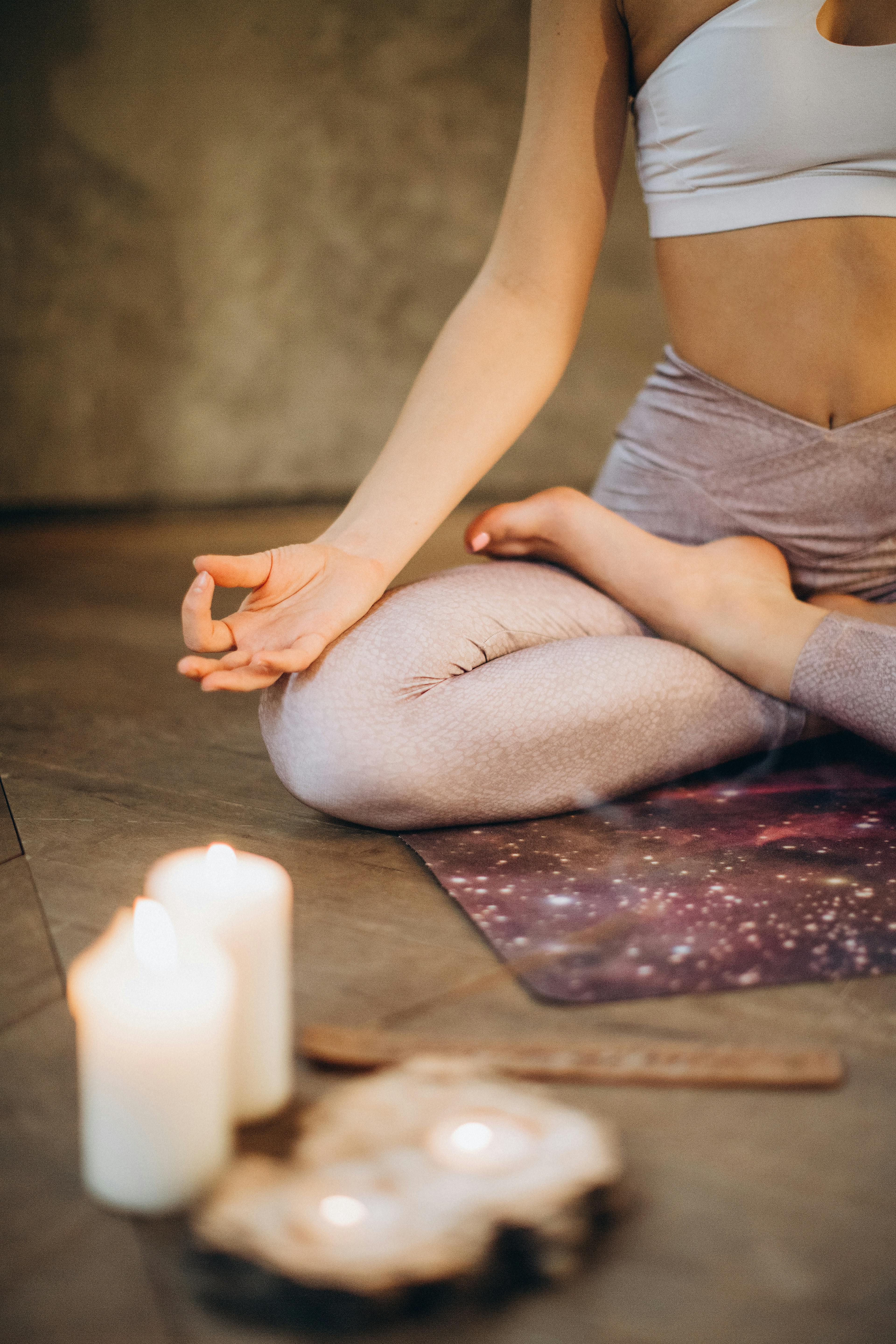
6. Tai Chi and Yoga: Balance, Flexibility, and Calm
Tai chi and gentle yoga are widely recommended for older adults because they mix slow, controlled movement, balance training, breath awareness, and relaxation.
Studies show these practices can improve balance and reduce fall risk, support joint mobility, and ease anxiety and sleep problems for many people.
Accessible options:
- Look for classes labeled “gentle,” “chair yoga,” or “tai chi for seniors.”
- Use a sturdy chair or countertop for support during balance poses.
- Start with 10–15 minutes once or twice a week and notice how your body feels.
7. Learning a Language or Instrument: Deep Cognitive Exercise
Taking on a complex new skill—like learning a new language or musical instrument—provides powerful, multi-layered stimulation for the brain. Research in older adults suggests that such “high-challenge” learning can support memory, attention, and even brain connectivity.
Ideas to try:
- Use language-learning apps or community college classes to study Spanish, French, or another language of interest.
- Take beginner lessons on piano, guitar, ukulele, or voice—many teachers specialize in adult learners.
- Join a community choir or singing group for cognitive and social benefits.
Aim for short, regular practice—for example, 15–20 minutes most days—rather than long, occasional sessions. Progress may feel slow at first, but the process itself is what benefits your brain.
8. Puzzles, Games, and Brain Challenges
While no single game can “prevent” dementia, regularly engaging in mentally challenging activities is associated with better cognitive function and may delay the onset of symptoms in some people.
Options that blend fun and challenge:
- Crossword puzzles, Sudoku, and logic puzzles
- Strategy games like chess, bridge, or certain board games
- Digital brain-training apps (prefer those that feel genuinely challenging and enjoyable)
- Word games with friends or grandchildren
Try mixing different types of challenges, and choose a difficulty level that feels a bit hard but doable; that’s where the brain works hardest.
9. Arts, Crafts, and Creative Projects
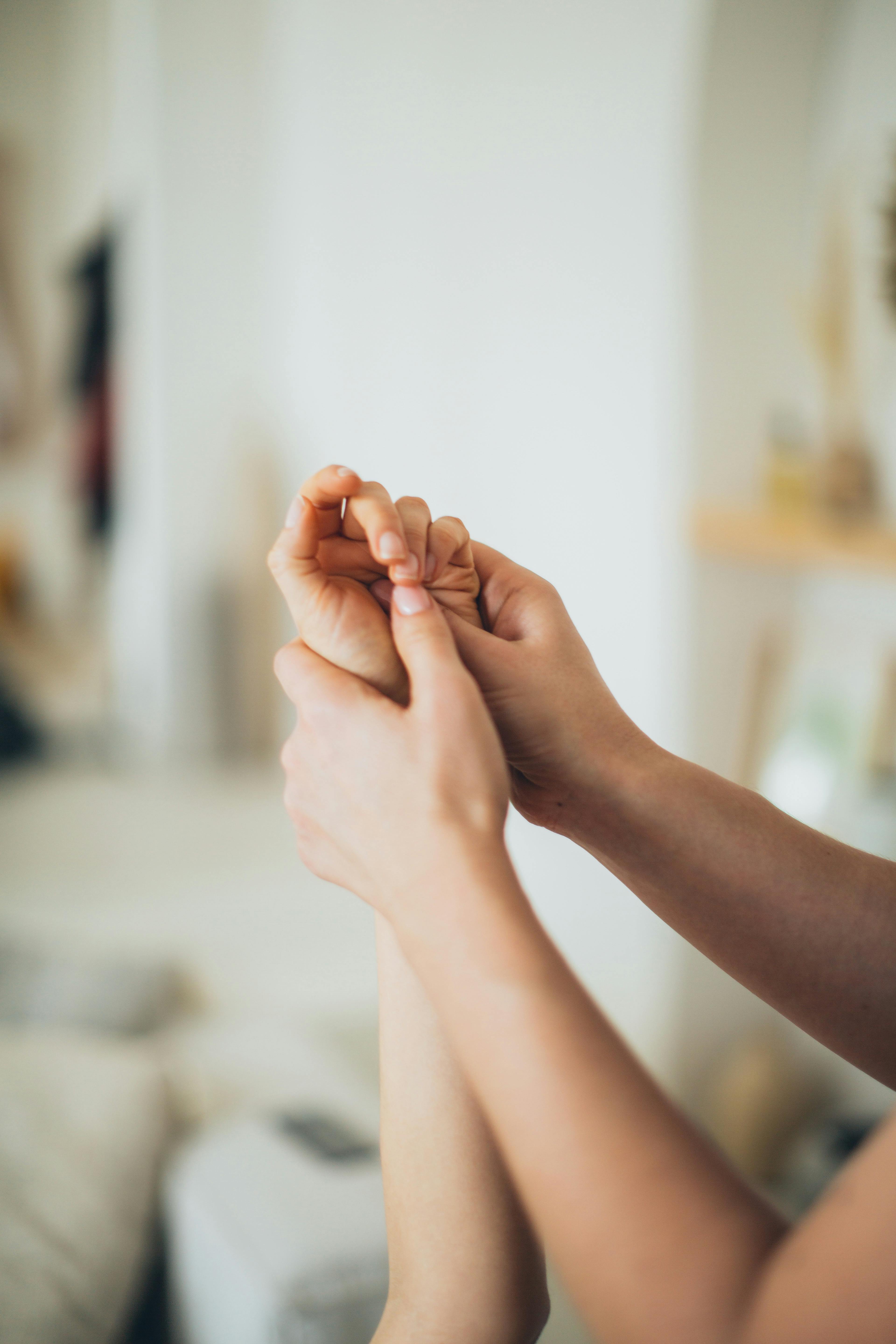
Creative hobbies—like painting, knitting, woodworking, quilting, or pottery—combine fine motor skills, visual-spatial processing, focus, and emotional expression. Many older adults find that creativity helps them manage stress and cultivate joy.
- Knitting or crochet can be calming, rhythmic, and social.
- Drawing, painting, or adult coloring books support focus and relaxation.
- Woodworking or crafting can integrate planning, precision, and problem-solving.
10. Volunteering and Social Clubs: Health Through Connection
Loneliness is linked to higher risks of heart disease, depression, and cognitive decline in older adults. Social hobbies—especially those that involve helping others—can be powerful protective factors.
Meaningful options include:
- Volunteering at schools, libraries, museums, or hospitals
- Joining book clubs, gardening clubs, or hobby groups
- Participating in faith-based groups or community choirs
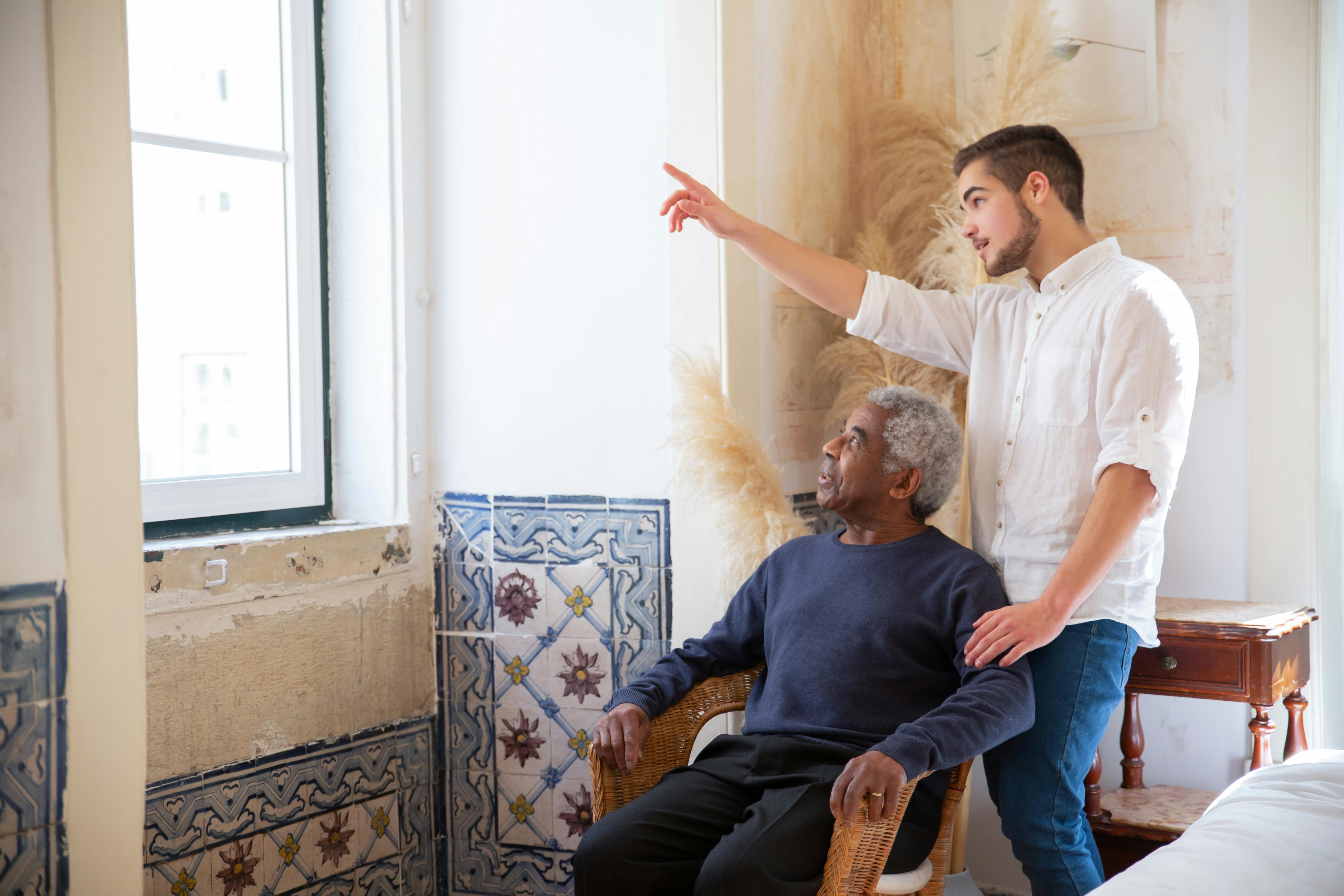
- Mentoring younger people in your field of expertise
These activities often naturally include walking, standing, problem-solving, and conversation—subtle but meaningful ways to exercise both body and brain.
Overcoming Common Barriers to New Hobbies
Starting something new later in life can feel intimidating. Many older adults share similar concerns—pain, fatigue, fear of falling, or simply not wanting to feel “behind” in a group.
Here are practical ways to work through these obstacles:
- “I have joint pain or limited mobility.”
Look for chair-based, adaptive, or gentle versions of activities. Physical or occupational therapists can suggest safe modifications. - “I feel self-conscious as a beginner.”
Choose classes clearly labeled for beginners or older adults. Remember: everyone in the room once started from zero. - “I’m too tired.”
Start with very small doses—even 5 minutes—and notice if certain activities actually increase your energy over time. - “I don’t know anyone.”
Many community centers welcome newcomers and can pair you with a buddy. Arriving a few minutes early can make it easier to chat with others.
“The first step is often the hardest. But once people find a hobby they genuinely enjoy, the motivation to keep going tends to take care of itself.”
How to Build a Brain- and Body-Healthy Hobby Routine
You don’t need to adopt all 10 hobbies. A realistic goal is to choose 2–4 activities that together cover:
- Movement (walking, dancing, tai chi, strength training, gardening)
- Cognitive challenge (games, language learning, music, puzzles)
- Social connection (clubs, volunteering, group classes)
Sample weekly mix:
- Walk with a friend 3 days per week for 20–30 minutes.
- Do light strength or tai chi twice per week for 15–20 minutes.
- Attend a dance or art class once per week.
- Spend 10–15 minutes most days on a puzzle, language app, or music practice.
A Gentle Nudge to Begin Today
Healthy aging isn’t about chasing youth—it’s about protecting the independence, clarity, and joy that let you live life on your own terms. The hobbies you choose today can help your future self stand up more easily, remember more clearly, and stay connected more deeply.
You don’t need to overhaul your life. Pick one hobby from this list that interests you—even a little—and make a tiny, concrete plan:
- Look up a local class.
- Call a friend to walk tomorrow.
- Order a set of resistance bands.
- Download a language or puzzle app.
Then, give yourself permission to be a beginner. Your brain and body are more adaptable than you might think—no matter your age—and every small step you take is an investment in the years ahead.
