
Your Second Brain: Why Your Gut Microbiome Can Transform Your Health
Your gut microbiome—trillions of microbes living in your digestive tract—quietly influences your digestion, immunity, weight, and even your mood. You rarely notice it when things are going well, but when it’s out of balance, bloating, fatigue, skin issues, and frequent infections can suddenly feel like your new normal.
Over the past decade, research (including work published in journals such as Nature and Gut) has transformed how experts think about health: your gut is no longer just a “digestive tube” but an ecosystem that can help prevent or promote disease. The encouraging part is that everyday choices—what you eat, how you sleep, how stressed you are—have a powerful impact on that ecosystem.
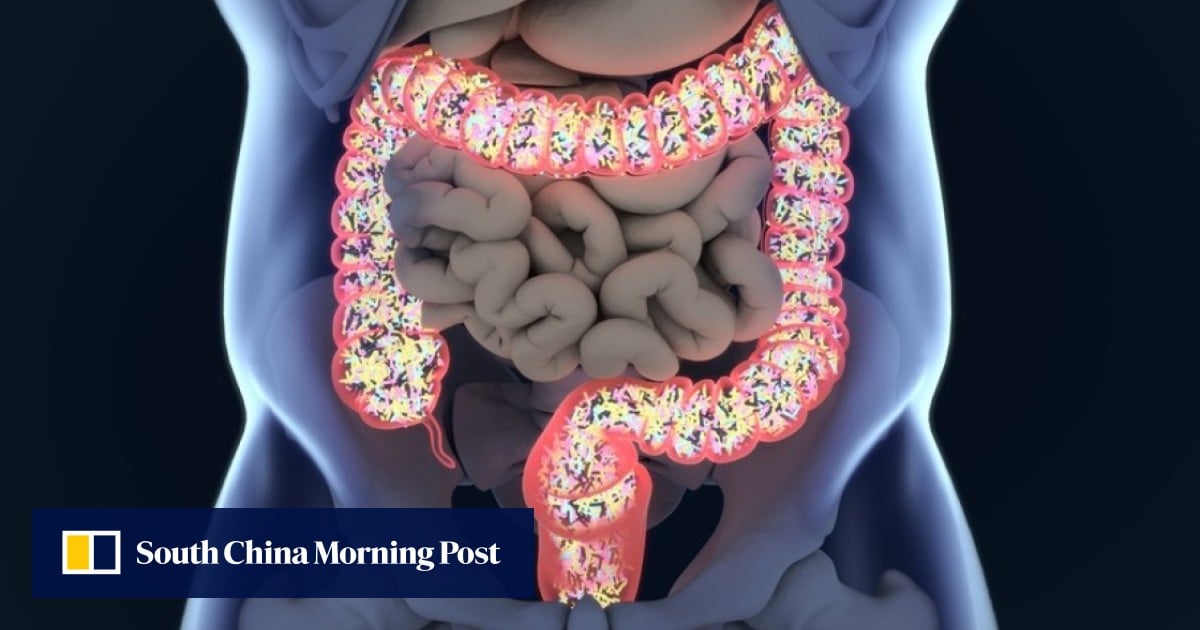
In this guide, we’ll explore why your gut microbiome is so important, what harms it, and science-backed steps you can take—without drastic diets or expensive “gut resets”—to protect it for the long term.
What Exactly Is the Gut Microbiome—and Why Does It Matter?
Your gut microbiome is the community of microorganisms—mostly bacteria, along with viruses, fungi, and archaea—living mainly in your large intestine. In a healthy state, these microbes form a balanced, diverse ecosystem that works with your body rather than against it.
Researchers sometimes call it an “extra organ” or a “second brain” because it:
- Helps break down food that your own enzymes can’t digest (especially fiber).
- Produces vitamins such as vitamin K and some B vitamins.
- Trains your immune system to distinguish friend from foe.
- Supports the gut barrier, helping prevent “leaky gut”-like phenomena where unwanted particles cross into the bloodstream.
- Communicates with your brain via the vagus nerve and chemical messengers, influencing mood and stress response.
- Helps regulate metabolism and may affect body weight and blood sugar management.
“The gut microbiome is not just a passenger; it’s a co-pilot in human health. Disrupt it, and you increase risk for a wide spectrum of diseases—from inflammatory bowel disease to metabolic and even mood disorders.”
— Summary of findings from multiple reviews in Nature Reviews Gastroenterology & Hepatology, 2023
How Your Gut Microbiome Affects Whole-Body Health
The science is still evolving, but large population studies and clinical trials increasingly show links between gut microbiome patterns and major health outcomes. Correlation does not always equal causation, yet the evidence is strong enough that many clinicians now consider gut health a core part of preventive medicine.

1. Digestion, bloating, and bowel regularity
A diverse gut microbiome helps ferment fiber into short-chain fatty acids (SCFAs) like butyrate, acetate, and propionate. These compounds:
- Fuel the cells lining your colon.
- Help regulate inflammation in the gut.
- Support smooth bowel movements.
Imbalances (dysbiosis) are associated with irritable bowel syndrome (IBS), constipation, diarrhea, and inflammatory bowel diseases (IBD) such as Crohn’s disease and ulcerative colitis. While microbiome changes are not the only cause, they’re part of the puzzle.
2. Immune system and inflammation
Around 70% of your immune cells live in and around your gut. A healthy microbiome:
- Helps your immune system respond appropriately to infections.
- Reduces the likelihood of chronic, low-grade inflammation.
- May lower the risk of certain autoimmune and allergic conditions, according to multiple cohort studies.
Dysbiosis has been linked to conditions such as type 2 diabetes, obesity, rheumatoid arthritis, and even some cardiovascular diseases, often via inflammatory pathways.
3. Mood, stress, and the gut–brain axis
Your gut communicates with your brain through nerves, hormones, and microbial metabolites. This is called the gut–brain axis. Animal studies and small human trials suggest that changes in microbiome composition can influence:
- Anxiety and stress responses.
- Depressive symptoms.
- Cognitive function, including attention and memory.
While it’s too soon to say gut bacteria “cause” or “cure” mental health conditions, several randomized trials (for example, in Translational Psychiatry, 2022) show that dietary patterns that support beneficial gut bacteria can modestly improve mood and perceived stress in some people.
4. Metabolism, weight, and blood sugar
Some microbiome patterns are associated with a higher risk of obesity and insulin resistance. People with more diverse, fiber-loving microbes often have:
- Better blood sugar control.
- Lower visceral (belly) fat.
- More favorable cholesterol profiles.
That doesn’t mean your microbiome is the only driver of body weight, but it’s one reason why two people can react very differently to the same foods.
Common Everyday Habits That Harm Your Gut Microbiome
Many people assume their gut health declines only if they have a disease diagnosis. In reality, common modern habits can quietly chip away at microbiome diversity long before symptoms appear.
- Low-fiber, ultra-processed diet
Diets heavy in refined grains, added sugars, and processed meats starve beneficial microbes of their preferred fuel: fiber and complex plant compounds. Over time, this can reduce microbial diversity. - Frequent, unnecessary antibiotics
Antibiotics save lives, but they also wipe out large segments of your microbiome—sometimes for months. Repeated courses can make it harder for your gut ecosystem to bounce back. - Chronic stress and poor sleep
Long-term stress and sleep deprivation alter gut motility, hormones, and the gut barrier, which in turn can shift microbial composition in unfavorable ways. - Excessive alcohol intake
Regular heavy drinking can disrupt gut barrier function and promote inflammation, which often goes hand in hand with dysbiosis. - Sedentary lifestyle
People who move more tend to have more diverse microbiomes. While we don’t fully understand the mechanism, physical activity appears to support a healthier microbial profile.
A Real-World Story: From Daily Bloating to a Calmer Gut
A client I’ll call “Lena,” a 39-year-old marketing manager, came to a nutrition clinic with daily bloating, unpredictable bowel habits, and mid-afternoon crashes. Her doctor had ruled out serious conditions, so she was told to “eat healthier,” but she wasn’t sure what that meant in practice.
A review of her typical day showed:
- Breakfast: flavored yogurt drink and a pastry.
- Lunch: white-bread sandwich, chips, and soda.
- Dinner: takeout 3–4 nights per week.
- Fiber intake: well below the recommended 25–30 grams per day.
Instead of a drastic overhaul, her clinician introduced gradual, microbiome-friendly shifts:
- Adding one piece of fruit and a handful of nuts to breakfast.
- Swapping chips for carrots and hummus twice a week, then more often.
- Choosing brown rice or whole-grain noodles in two dinners per week.
- Practicing 5 minutes of breathing exercises before bed to ease stress.
Over 8–10 weeks, Lena reported:
- Less frequent bloating and more predictable bowel movements.
- Fewer afternoon energy crashes.
- A modest improvement in mood and sleep quality.
This doesn’t prove cause-and-effect, but it mirrors what the science suggests: small, consistent changes that support your gut microbes often translate into meaningful improvements in how you feel.
How to Protect and Nurture Your Gut Microbiome: 8 Evidence-Based Strategies
You don’t need expensive tests or elaborate protocols to support your gut health. Focus on a few fundamentals and build from there.
1. Aim for 25–30 grams of fiber per day (or what’s appropriate for you)
Fiber is the single most important nutrient for microbiome health. Most adults fall far short of the recommended intake. Gradually increase your fiber to avoid gas and discomfort.
Easy ways to add more:
- Choose whole grains (oats, brown rice, quinoa, whole-wheat bread) instead of refined grains.
- Add a serving of beans or lentils to at least one meal per day.
- Include at least two different vegetables with lunch or dinner.
- Snack on fruit, nuts, or seeds instead of ultra-processed snacks most days.
2. Eat “30 plants per week” as a diversity goal
The American Gut Project found that people who ate around 30 different plant foods per week had more diverse gut microbiomes than those who ate fewer than 10. “Plant foods” includes:
- Vegetables and fruits.
- Whole grains.
- Legumes (beans, lentils, chickpeas, peas).
- Nuts, seeds, and herbs/spices.
You don’t have to hit 30 right away—start by tracking your weekly variety and slowly expanding it.
3. Include fermented foods most days
Fermented foods can deliver live microbes (probiotics) and beneficial compounds that support gut health. Randomized trials (including a 2021 study in Cell) suggest that fermented foods can increase microbiome diversity and reduce markers of inflammation.
Try:
- Live-culture yogurt or kefir (check labels for “live and active cultures”).
- Fermented vegetables like sauerkraut, kimchi, or pickles (unpasteurized where possible).
- Tempeh, miso, or natto.
- Kombucha (watch added sugar).
If you’re sensitive to histamine or have specific health conditions, you may need personalized guidance before ramping up fermented foods.
4. Feed your microbes with prebiotics
Prebiotics are specific fibers and plant compounds that selectively feed beneficial bacteria. Many are found in everyday foods such as:
- Onions, garlic, leeks, and shallots.
- Asparagus, artichokes, and chicory root.
- Bananas (especially slightly green ones).
- Oats, barley, and ground flaxseed.
You can get plenty of prebiotics from a varied, plant-rich diet; supplements may be helpful for some people but can cause gas and bloating if introduced too quickly.

5. Use antibiotics carefully, with a recovery plan
When you truly need antibiotics, take them exactly as prescribed. Afterwards, focus on rebuilding microbial diversity:
- Increase fiber-rich, plant-based foods for at least 4–8 weeks.
- Include fermented foods if tolerated.
- Discuss with your clinician whether a targeted probiotic is appropriate for your situation.
Routine “probiotic just in case” use isn’t always necessary and may not suit everyone—get personalized advice if you have a complex medical history.
6. Manage stress and prioritize sleep
Chronic stress and short sleep can alter your gut microbiome and gut barrier. While you can’t remove all stress, you can build daily “pressure valves”:
- Short walking breaks outdoors during the day.
- Simple breathing exercises (for example, 4 seconds in, 6 seconds out for a few minutes).
- A consistent sleep schedule and a calming pre-bed routine.
Even modest improvements—15 more minutes of sleep, 5 minutes of relaxation—can, over time, shift your nervous system into a more gut-friendly state.
7. Move your body regularly
Physical activity is associated with more diverse, resilient microbiomes. You don’t have to train for a marathon; the key is regularity.
Simple goals:
- At least 150 minutes per week of moderate activity (like brisk walking), or as advised by your healthcare provider.
- Two sessions per week of strength training using bodyweight, bands, or weights.
- Sitting breaks every 30–60 minutes if you work at a desk.
8. Be skeptical of “quick-fix” microbiome products
The microbiome industry is booming with tests, supplements, and detoxes. Some are promising; many are overhyped. Keep in mind:
- Most stool tests can describe your microbes but cannot yet predict the perfect diet for you with high accuracy.
- Not all probiotic strains do the same thing; benefits are strain-specific and condition-specific.
- Extreme cleanses or restrictive diets can sometimes make your microbiome less diverse, not more.
When in doubt, focus first on food, lifestyle, and medical guidance rather than “miracle” fixes.
Before and After: What Changes When You Support Your Gut?
Everyone’s body is different, so there’s no single timetable or guaranteed outcome. Still, many people who embrace microbiome-friendly habits notice gradual changes over weeks to months.

Common “Before” experiences:
- Frequent bloating or discomfort after meals.
- Irregular bowel movements or alternating constipation and loose stools.
- Energy dips, especially in the afternoon.
- Feeling “wired and tired” from ongoing stress.
Possible “After” improvements (over time):
- More comfortable digestion and less gas.
- More regular, predictable bowel habits.
- Steadier energy throughout the day.
- Greater resilience to everyday stress.
These shifts are not instant, and they’re not solely due to the microbiome. But a healthier gut environment makes it easier for your body as a whole to function well.
Overcoming Common Obstacles to Better Gut Health
Knowing what to do is one thing; fitting it into a busy life is another. Here are realistic ways to navigate common hurdles.
“I don’t have time to cook.”
- Use frozen vegetables and pre-washed salad greens.
- Keep canned beans, lentils, and fish on hand for quick meals.
- Choose takeout options with extra veggies and whole grains when possible.
“High-fiber foods make me feel worse.”
- Increase fiber very gradually—think weeks, not days.
- Drink enough water as you add fiber.
- Consider cooked rather than raw vegetables at first, which can be easier to tolerate.
- If symptoms are severe, seek assessment for IBS, IBD, celiac disease, or other conditions.
“Healthy food is too expensive.”
- Rely on budget-friendly staples: oats, rice, beans, lentils, frozen vegetables, and seasonal produce.
- Buy store-brand versions of nuts, seeds, and frozen berries.
- Batch-cook simple meals like soups, stews, and curries.
Putting It All Together: A Gentle, Powerful Lever for Lifelong Health
Your gut microbiome is not a trend; it’s a vital partner in your health. While we’re still uncovering the full story, we know enough to act with confidence on several fronts: more fiber and plant variety, regular movement, thoughtful antibiotic use, stress and sleep care, and a skeptical eye toward quick fixes.
You don’t need perfection or a complete life overhaul. What matters most is consistency. A few small, sustainable changes, repeated daily, can create a gut environment that quietly supports you—today and for years to come.
Your next step: choose one small action you can start this week—adding a daily serving of beans, trying a new vegetable, taking a 10-minute walk after dinner, or setting a consistent bedtime—and let your microbes do the rest.
