Your Monday Horoscope: How the Taurus Moon Sets the Tone for January 26, 2026
Monday’s horoscope for January 26, 2026, as featured in the Chicago Sun-Times, lands with the moon in Taurus and no Moon Alert restrictions—astrology-speak for “you can actually commit to plans today.” Whether you read Georgia Nicols every morning or just peek in when Mercury’s retrograde trends on social media, this particular forecast mixes practical money talk, grounded Taurus energy, and that very human urge to see what the stars supposedly have in mind for us.

Below is a culturally informed breakdown of this horoscope day—what a Taurus moon implies, how a Moon Alert works, and why daily star forecasts still have such a firm grip on modern entertainment culture.
Monday, January 26, 2026: The Astrology Context
The original Chicago Sun-Times column for this date opens with a simple but crucial note:
Moon Alert: There are no restrictions to shopping or important decisions today. The moon is in Taurus.
In the shorthand of pop astrology, a Moon Alert is the window of time when the moon makes its final major aspect before changing signs. Many astrologers suggest using caution with big purchases or binding agreements during that period. Here, the “no restrictions” phrasing basically tells readers: if you were waiting to sign, buy, or book, today’s green-lit.
Pair that with the moon in Taurus, a sign associated with money, comfort, food, and long-term stability, and you get a very on-brand Monday message: think budgets, routines, and slow but steady progress. It’s not a “quit your job and move to Bali” transit; it’s more “finally open that savings account” energy.
How the Taurus Moon Colors Each Zodiac Sign’s Horoscope
The January 26, 2026 column teases an especially Taurus-flavored angle for several signs. We only see the beginning of the Aries entry:
Aries (March 21–April 19): You might be able to boost your income today or find a better-payin…
That unfinished line still tells us plenty. Taurus rules money and resources; Aries is action-oriented and restless. Combine them and you get financially driven hustle: side gigs, asking for a raise, or finally charging what your time is worth. The rest of the column (not fully visible in the snippet) likely follows a similar logic for other signs:
- Taurus: a spotlight on self-worth, physical comfort, and maybe a nudge to indulge—but not overdo it.
- Gemini: a call to slow down mentally, prioritize rest, or engage in behind-the-scenes planning.
- Cancer: social or community connections with a practical twist—networking that actually pays off.
- Leo: career optics, performance, and whether your public image matches your long-term goals.
- Virgo: education, travel, and practical ways to broaden your horizons (think skill-building more than escapism).
Even without every line, it’s clear the day’s editorial focus is productivity grounded in realism, not fantasy. It’s the sort of horoscope that blends nicely into a Monday news cycle full of markets, politics, and to‑do lists.
Georgia Nicols and the Role of Horoscopes in Mainstream Media
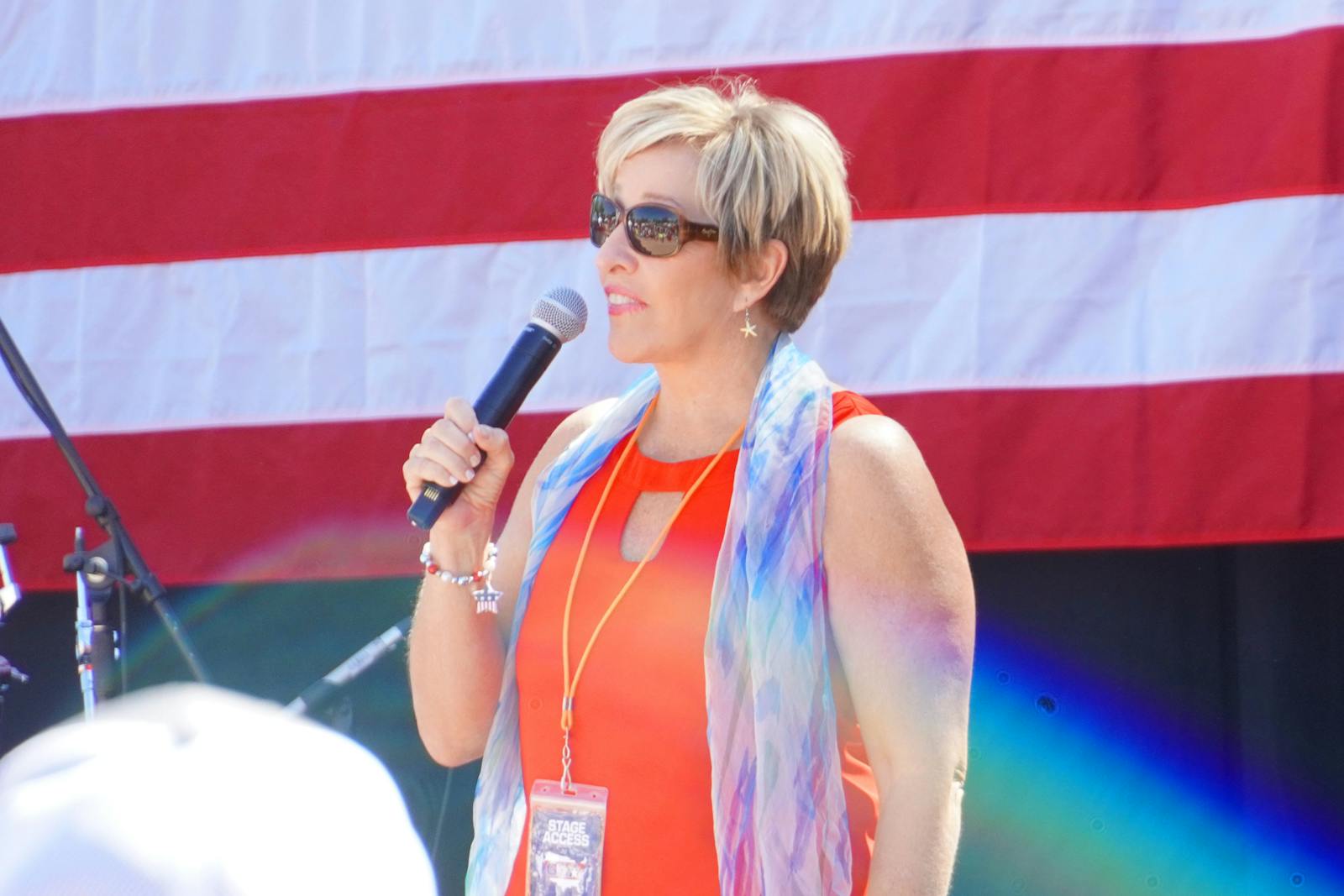
The Sun-Times horoscope is written by Georgia Nicols, a Canadian astrologer whose work is syndicated across North America. She sits in the lineage of newspaper astrologers who turned what used to be niche occult content into daily ritual reading—think the way Susan Miller, Chani Nicholas, and The Cut’s astrology column operate in the digital era.
“Even people who say they don’t believe in astrology still read their horoscopes. It’s a way of stepping outside your own narrative and looking at your day from another angle.”
— Georgia Nicols, in interviews discussing her readership
Culturally, the horoscope page functions like a low-stakes advice column. It crosses demographics in a way few other features do: younger readers share memes about Saturn returns on TikTok, while long-time print subscribers still circle lucky days in pen. The January 26, 2026 entry fits the pattern—short, sign-by-sign guidance nestled among sports scores and political headlines.
Why Daily Horoscopes Still Matter in Pop Culture
By 2026, astrology has fully crossed from the back of the newspaper to the center of the content industry: podcasters analyze charts, dating apps ask for your sign, and merch lines sell zodiac-themed everything. A straightforward daily like this one plugs into a larger entertainment ecosystem:
- Micro‑storytelling: Each sign’s blurb is a tiny narrative prompt—“boost your income,” “focus on home,” “watch your temper”—that encourages reflection.
- Sharable sound bites: Taurus moon, no Moon Alert, better‑paying job: these become Instagram captions and TikTok hooks.
- Low-barrier escapism: Unlike deep-dive spiritual texts, a daily horoscope takes seconds to read but offers just enough myth and meaning to feel satisfying.
Critics rightly point out that generalized forecasts can’t be empirically accurate for millions of people at once. But even from a skeptical angle, the format has value as reflective entertainment. The horoscope gives you a frame; you decide whether it fits your day.
Strengths and Weaknesses of the January 26, 2026 Horoscope Format
Judged as a piece of entertainment content rather than scientific guidance, the January 26 horoscope has some clear strengths:
- Clarity: The Moon Alert callout at the top is instantly understandable and directly actionable: shop and decide freely.
- Topical relevance: Leading Aries content with “boost your income” reflects ongoing economic anxieties and the gig‑economy mood of the mid‑2020s.
- Concise structure: Sign-by-sign breakdowns are bite-sized enough for mobile readers, which is crucial for attention spans in 2026.
But there are limitations baked in:
- Generality: A line about better-paying work might feel motivating, but it doesn’t account for class, location, or real-world constraints.
- Lack of nuance: Without birth charts or transits beyond the moon, these are necessarily broad strokes that can tip into vagueness.
- Potential overreliance: Some readers take “no restrictions” too literally, which can blur the line between reflective tool and decision-making crutch.
“Horoscopes are best used as prompts, not prescriptions.”
— Common refrain among modern, psychologically oriented astrologers

Related Astrology-Inspired Entertainment and Media
Daily horoscopes like this one have inspired everything from films to niche web series. If the January 26, 2026 column piqued your curiosity, there’s a whole mini canon of astrology-flavored media to explore:
- Astrology in film & TV: Look up titles on IMDb that use zodiac signs as plot devices or episode structures.
- Podcasts & talk shows: Many shows dedicate recurring segments to weekly forecasts, effectively turning horoscopes into audio entertainment.
- Apps & interactive content: Push notifications now play the role newspaper margins once did—delivering bite-size “cosmic” guidance throughout the day.
Looking Ahead: Reading the Stars Without Losing Your Footing
The Chicago Sun-Times horoscope for Monday, January 26, 2026, is a neat snapshot of how astrology works as everyday entertainment: a Taurus moon, a clean Moon Alert, and a few lines nudging readers toward practical choices and grounded optimism. It doesn’t pretend to predict your fate; it offers a mood, a lens, and maybe a conversational hook for your first coffee of the week.
Used thoughtfully, that’s the sweet spot—treating horoscopes as cultural weather reports rather than GPS directions. The sky might suggest “better‑paying job” energy; it’s still up to you to negotiate the raise, polish the résumé, or rethink the budget. As future Mondays roll in with new Moon Alerts and new transits, that balance between cosmic curiosity and real-world agency is what will keep readers coming back.