
Why Washington Is Fighting Over Trump’s Name on the Kennedy Center
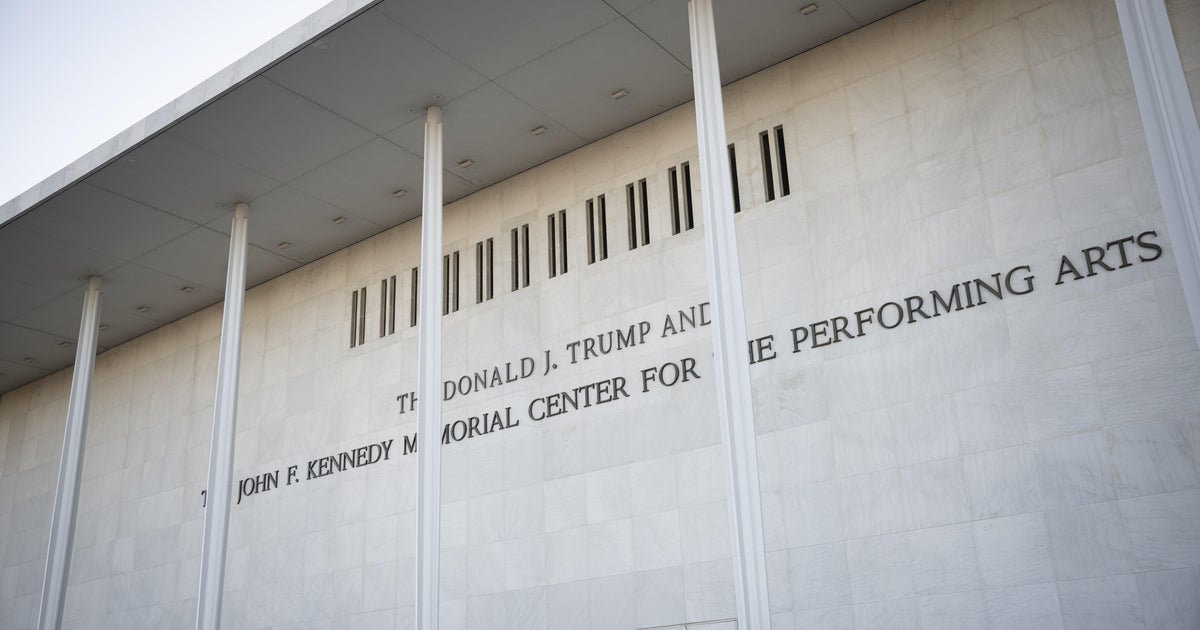
In a town where names on buildings are almost a second currency, the latest fight in Washington is over one particular name on one particularly symbolic building: President Donald Trump’s on the exterior of the John F. Kennedy Center for the Performing Arts. A mix of lawsuits, congressional bills, and cultural backlash is now converging on the question of whether Trump’s name should remain on the nation’s most high-profile performing arts landmark.
What began as a board move to add Trump’s name in recognition of his administration’s role in a major funding package has escalated into a broader debate about presidential branding, cultural memory, and who gets credit on the façade of America’s flagship arts institution.
How the Kennedy Center Became a Presidential Symbol
The John F. Kennedy Center for the Performing Arts isn’t just another D.C. venue; it’s the closest thing the United States has to an official national theater. Opened in 1971 and named after President John F. Kennedy, it was conceived as a living memorial—a way to honor Kennedy’s enthusiasm for the arts through concerts, theater, dance, and national cultural programming.
Over the decades, the Kennedy Center has hosted everything from Presidential Inaugural galas to the annual Kennedy Center Honors, making it a fixture of both high culture and Beltway pageantry. Its name—tied so tightly to Kennedy’s mythic “Camelot” era—has always carried a certain gravitas, which is partly why any additional presidential branding on the building lands with extra weight.
How Donald Trump’s Name Ended Up on the Kennedy Center
According to reporting from CBS News and other outlets, the Kennedy Center’s board approved the addition of Trump’s name to the exterior sign in connection with federal support secured during his presidency. The move is unusual but not entirely unprecedented: presidents are frequently honored on plaques, wings, or donor walls for major contributions or support.
Where this gets politically charged is the placement and visibility. This isn’t a discreet acknowledgement in a program booklet; it’s a prominent exterior sign on a building already bearing another president’s name. For critics, it feels like a co-branding of the Kennedy legacy with Trump’s. For supporters, it’s just a recognition of a former president’s role in backing a major arts institution.
“Presidents get libraries and airports. The Kennedy Center was supposed to be different—one president, one legacy, a living memorial. Turning it into a rotating billboard for whoever cut the last check risks diluting that idea.”
— Cultural policy scholar quoted in coverage of the controversy
Lawsuits and Bills: How Lawmakers Want Trump’s Name Removed
The response has been swift and multipronged. As of early 2026, at least one federal lawsuit and two separate bills in Congress seek to strip Trump’s name from the Kennedy Center’s exterior, according to CBS News. While the specific language varies, the basic aims are similar: to prevent the Kennedy Center from prominently displaying Trump’s name and to reassert congressional control over naming rights at federally supported cultural institutions.
- Federal lawsuit: Challenges the board’s authority and argues that the Trump branding conflicts with the Kennedy Center’s status as a memorial to John F. Kennedy.
- House bill: Would bar the use of federal funds for signage that includes the name of any living or recently serving president, effectively targeting Trump without naming him explicitly.
- Senate proposal: Seeks clearer statutory language that the Kennedy Center’s official exterior designation must remain solely the “John F. Kennedy Center for the Performing Arts.”
Because the Kennedy Center is established by federal statute, Congress has real leverage here. This isn’t just symbolic resolution territory; lawmakers can, in theory, legislate what the building is—or is not—officially called and under what conditions names can appear on its exterior.
Why This Naming Fight Matters for Culture, Not Just Politics
To outsiders, this may look like another D.C. turf war over signage. But within cultural circles, the Kennedy Center dispute taps into a deeper conversation: who gets to be enshrined in America’s cultural infrastructure, and on what terms?
Over the last decade, debates around names on buildings—college halls named after slave owners, foundations tied to controversial donors, even stadiums backed by failing corporations—have become common. The Trump–Kennedy Center clash plugs into that same energy, but with the added charge of presidential politics and the culture-war framing that tends to follow Trump everywhere.
“You can’t pretend a name on a building is neutral, especially when that building is a memorial. The façade is part of the story we tell about who we are—and who we’d like to be.”
— Arts critic commenting on the Kennedy Center controversy
For arts audiences, there’s also a practical concern: does this level of political branding make the Kennedy Center feel less like a national space and more like contested territory? Thus far, there’s no evidence of mass boycotts, but the name dispute certainly colors how some viewers read the red carpets, televised galas, and high-profile premieres that the venue stages each year.

From Stadiums to Statues: How This Fits a Larger Renaming Wave
The Kennedy Center dispute doesn’t exist in a vacuum. In recent years, we’ve seen:
- Universities strip names tied to segregationist or racist histories from dorms and academic buildings.
- Museums and galleries distance themselves from donors whose fortunes derive from controversial industries.
- Cities remove or relocate monuments that no longer align with contemporary values.
What makes the Kennedy Center case distinctive is its collision of three forces: presidential politics, federal oversight, and an arts institution that lives on national television via events like the Kennedy Center Honors. That visibility means any change—adding or removing Trump’s name—reverberates far beyond the banks of the Potomac.
The Case For and Against Removing Trump’s Name
Stripping a former president’s name from a major cultural institution is not a trivial move. Both sides of this debate have arguments that go beyond partisan loyalty.
Arguments for removing the name
- Preserving the Kennedy memorial concept: Opponents say the building was always meant to be singularly tied to JFK, not shared or co-branded.
- Limiting politicization of arts spaces: Removing Trump’s name could be framed as a reset toward neutrality in a polarized era.
- Consistency with recent renamings: As institutions rethink whom they honor, Trump’s polarizing tenure invites extra scrutiny.
Arguments against removing the name
- Precedent and stability: Critics of removal warn that constantly revisiting names whenever power changes hands could destabilize public institutions.
- Recognition of factual history: Supporters argue that if Trump’s administration played a significant role in funding or expansion, acknowledging that role is historically accurate, even if unpopular.
- Perception of partisan erasure: Some see the effort as less about institutional integrity and more about symbolically erasing a political rival.
From a cultural perspective, the most sustainable solution may hinge on process: transparent criteria for naming and clear distinctions between memorial naming (like “John F. Kennedy Center”) and ancillary acknowledgments of support, regardless of who occupies the White House.

How Media and Audiences Are Responding
Outlets like CBS News have framed the story as part legal drama, part cultural flashpoint. Coverage tends to emphasize both the technical question—can Congress or the courts override the board?—and the symbolic stakes of associating the Kennedy Center with Trump’s legacy.
Public reaction, unsurprisingly, has broken along familiar partisan lines on social media. But among arts professionals, the more nuanced concern is precedent: if this becomes a template for how future presidents seek recognition on cultural landmarks, the long-term effect on institutions could be more consequential than the fate of a single sign.
What Happens Next for the Kennedy Center—and Presidential Names
The immediate question is straightforward: will the pending lawsuit or the bills in Congress succeed in forcing the removal of Trump’s name from the Kennedy Center’s exterior? The answer may take months or years, depending on court calendars and the shifting priorities of a crowded legislative agenda.
The bigger, longer-term question is how this fight reshapes the unwritten rules of cultural naming in Washington. If lawmakers tighten restrictions now, they won’t just be deciding Trump’s fate on one building—they’ll be setting the tone for how future presidents, donors, and cultural leaders negotiate visibility on the country’s most symbolic stages.
For audiences, the best outcome may be one that keeps the focus where the Kennedy Center has always tried to put it: on the work happening inside the theaters, not just the names carved into the stone outside.
