
Why Ultra-Short ‘Exercise Snacks’ Are Redefining Fitness for Busy People
Executive Summary: Why Micro‑Workouts Are Exploding in Popularity
Micro‑workouts—often called “exercise snacks”—are brief bursts of activity (typically 1–10 minutes) sprinkled throughout the day. Fueled by TikTok, Instagram Reels, and YouTube Shorts, they are becoming a go‑to strategy for busy people who struggle to commit to 45–60‑minute gym sessions.
Emerging research on vigorous intermittent lifestyle physical activity (VILPA) and breaking up sedentary time indicates that these small efforts can meaningfully improve fitness, cardiometabolic health, and overall activity levels, especially for those who are mostly sedentary. While they are not a perfect substitute for structured training for serious performance or strength goals, exercise snacks are a powerful “compliance tool” that makes movement more accessible and sustainable.
- Micro‑workouts range from 60‑second stair sprints to 5–10‑minute mobility or strength “bursts.”
- Social platforms are amplifying office‑friendly, equipment‑free, and challenge‑based formats.
- Data shows sitting time and low daily activity are major health risks; short, frequent movement breaks help mitigate them.
- Brands in athleisure, wearables, and at‑home fitness are integrating micro‑workout messaging into product positioning.
- The most effective approach blends exercise snacks with some planned weekly training when possible.
What Are Micro‑Workouts and ‘Exercise Snacks’?
Micro‑workouts are structured, ultra‑short bouts of exercise—often between 1 and 10 minutes—performed multiple times across the day. Rather than dedicating a full hour to the gym, individuals accumulate several small “snacks” of movement that collectively add up.
Typical examples include:
- 3 sets of 10 squats between meetings.
- A 3‑minute brisk walk or stair climb every 60–90 minutes of desk work.
- A 7‑minute morning mobility routine while coffee brews.
- 10 push‑ups every hour across the workday.
Influencers often package these as “5‑minute desk workout,” “7‑minute morning mobility,” or “1‑minute every hour” challenges. Most routines are designed to be follow‑along friendly, vertical‑video friendly, and doable in everyday clothes without special equipment.
The Rise of Exercise Snacks on Social and Search
Since around 2022, micro‑workouts have transitioned from niche research jargon to mainstream social media vocabulary. Fitness creators, physiotherapists, and lifestyle influencers now routinely tag content with terms like “movement snacks,” “micro‑workouts,” and “workout breaks.”
On platforms like TikTok and Instagram, formats that perform well include:
- Time‑stamped vlogs showing each mini‑session a creator fits in during a workday.
- 30‑day challenges (e.g., “10 push‑ups every hour for a month – results”).
- Office‑friendly mobility flows that can be done in front of a laptop.
- Evidence‑based explainer videos breaking down the science of short bouts and sedentary breaks.
Google Trends (through late 2025) shows a steady upward trajectory for queries such as “exercise snacks,” “micro workouts,” and “short workouts at home,” paralleling the growth of remote work and hybrid schedules.
What the Science Says: Do Micro‑Workouts Actually Work?
The core scientific rationale behind exercise snacks is twofold:
- Accumulated bouts of exercise can drive adaptations similar to longer continuous sessions.
- Breaking up long sitting periods improves cardiometabolic markers, even when total exercise time is modest.
Research on vigorous intermittent lifestyle physical activity (VILPA) and short exercise bouts suggests that even 1–2 minutes of near‑maximal effort, repeated a few times per day, is associated with lower all‑cause and cardiovascular mortality risk in previously inactive adults. Studies on interrupting sitting with 2–5‑minute walking breaks every 20–60 minutes show improvements in post‑meal glucose and insulin responses compared with prolonged uninterrupted sitting.
“Climbing stairs, brisk walking, or short bursts of vigorous activity accumulated across the day can provide meaningful health benefits, especially for those not engaging in traditional structured exercise.”
Importantly, the dose–response relationship still matters. Exercise snacks are most powerful when:
- They are performed consistently (most days of the week).
- They reach at least moderate intensity (slightly breathless) for health benefits, or vigorous for added cardiometabolic impact.
- They are combined with some structured training for muscle strength, balance, and capacity where possible.
Key Benefits of Micro‑Workouts for Busy Lifestyles
For time‑pressed professionals, caregivers, and students, the major strength of exercise snacks is behavioral: they dramatically reduce the psychological and logistical friction of “getting started.” From a health and performance perspective, notable advantages include:
- Lower barrier to entry: No commute, no change of clothes, minimal to zero equipment.
- Improved adherence: It is easier to commit to 3–8 minutes several times per day than to a full 60‑minute workout.
- Reduced sedentary time: Regular movement breaks counter the risks associated with prolonged sitting.
- Improved energy and focus: Short activity bursts increase blood flow and can enhance cognitive performance.
- Metabolic support: Frequent activity spikes can help support glucose control, especially around meals.
| Dimension | Traditional 45–60‑Minute Session | Micro‑Workouts / Exercise Snacks |
|---|---|---|
| Time scheduling | Requires a large, fixed block of time. | Flexible; fitted into small gaps through the day. |
| Accessibility | Often needs gym access and equipment. | Can be done at home or office with minimal/no equipment. |
| Adherence for busy people | Frequently skipped due to schedule conflicts. | High; small sessions are easier to sustain. |
| Performance goals | Better suited for advanced strength or sport performance. | Great for health, movement, and baseline fitness; can complement performance training. |
How Creators Package Micro‑Workouts Online
Fitness creators and health professionals play a central role in popularizing micro‑workouts. Common content formats include:
- Day‑in‑the‑life vlogs: Time‑stamped clips of each movement snack across a workday, showcasing realism.
- Challenge series: “1 minute every hour” or “30 days of stair sprints” with before‑and‑after progress.
- Office‑friendly routines: Chair squats, desk push‑ups, neck and shoulder mobility, and glute activation drills.
- Science explainers: Short lectures on VILPA, NEAT (non‑exercise activity thermogenesis), and sedentary risks.
This content is often shot vertically, with on‑screen timers, rep counters, and captions summarizing key coaching cues. The result is a library of “plug‑and‑play” micro‑sessions that users can bookmark and repeat.
Exercise Snacks, NEAT, and the Longevity Mindset
Micro‑workouts intersect with broader longevity and wellness trends. Many creators frame them not as “hard training” but as everyday movement hygiene—akin to brushing your teeth.
Two key concepts recur:
- NEAT (Non‑Exercise Activity Thermogenesis): The calories burned from all movement that is not formal exercise (walking, fidgeting, household chores). Exercise snacks can boost NEAT substantially for desk‑bound individuals.
- Posture and joint health: Regular mobility snacks help counteract forward‑head posture, tight hips, and back stiffness from prolonged sitting.
As walking desks, posture tutorials, and productivity‑oriented wellness content gain traction, exercise snacks are increasingly discussed as one piece of a comprehensive, movement‑rich lifestyle.
How Brands and Products Are Leveraging the Trend
The micro‑workout movement is reshaping how fitness and wellness brands communicate value. Rather than focusing solely on intense, hour‑long training blocks, marketing often highlights “quick wins” and seamless integration into daily life.
Examples of alignment with exercise snacks include:
- Athleisure: Comfortable, office‑friendly clothing lines promoted as suitable for quick stretch breaks.
- Wearables: Smartwatches and trackers using inactivity alerts and “stand” or “move” reminders as prompts for exercise snacks.
- Compact equipment: Resistance bands, under‑desk treadmills, adjustable dumbbells, and mini‑steppers highlighted as “micro‑session tools.”
- Apps: Fitness apps offering 5–10‑minute routines, “movement breaks” during work, and streak tracking for daily snacks.

How to Implement Exercise Snacks in a Busy Day
Turning micro‑workouts from a trendy idea into a sustainable habit requires a simple, structured approach. Below is a practical framework you can adapt.
1. Start with Your Schedule, Not with Exercises
Identify your natural “micro‑gaps”:
- Before or after meetings.
- While coffee or tea brews.
- After long focused work blocks (60–90 minutes).
- Right after meals for light walks.
2. Choose Low‑Friction Movements
For most people, the best starting moves are:
- Bodyweight squats or sit‑to‑stands from a chair.
- Wall or desk push‑ups.
- Calf raises, marching in place, or brisk hallway walks.
- Neck, shoulder, and hip mobility drills.
3. Apply a Simple Weekly Structure
A realistic entry‑level template might look like:
| Day | Movement Snacks | Total Time |
|---|---|---|
| Mon–Fri | 3 × 5‑minute sessions (AM, mid‑day, PM): squats, push‑ups, brisk walk. | ~15 minutes/day |
| Sat–Sun | Optional 10–20‑minute walk or light mobility sessions. | 10–20 minutes/day |
4. Use Prompts and Tracking
To make the habit stick:
- Set phone or wearable reminders every 60–90 minutes to “move for 2–5 minutes.”
- Attach movement to cues (e.g., “after every meeting, I do 20 squats”).
- Track streaks (days in a row you hit at least 2–3 snacks).
5. Progress Gradually
As your capacity improves:
- Increase reps or speed slightly.
- Add light resistance (bands, small dumbbells).
- Experiment with short stair sprints or faster walks, if safe.
Risks, Limitations, and When Micro‑Workouts Aren’t Enough
While exercise snacks are powerful for accessibility and baseline health, there are important caveats:
- Not a full substitute for targeted training: For serious strength, athletic performance, or specific rehab goals, dedicated, progressive training sessions are typically required.
- Intensity matters: Very slow or extremely light activity may provide limited cardiovascular benefit, although it still helps break up sitting.
- Injury and health considerations: People with cardiovascular disease, joint issues, or other health conditions should consult a qualified professional before adding vigorous bursts (e.g., stair sprints).
- Overhype risk: Some social content may oversell “1 minute a day” as a cure‑all; real benefits depend on total activity volume, intensity, and consistency.
For most generally healthy adults, a blended model works well:
- Use exercise snacks to guarantee daily movement and counteract sitting.
- Add 2–3 longer, structured sessions per week (strength, cardio, or classes) when life allows.
Actionable Strategies to Get the Most from Micro‑Workouts
To turn the micro‑workout trend into lasting health gains, focus on strategy rather than novelty. Consider the following practical guidelines:
- Anchor to daily routines: Pair snacks with events that already happen (meetings, meals, coffee breaks).
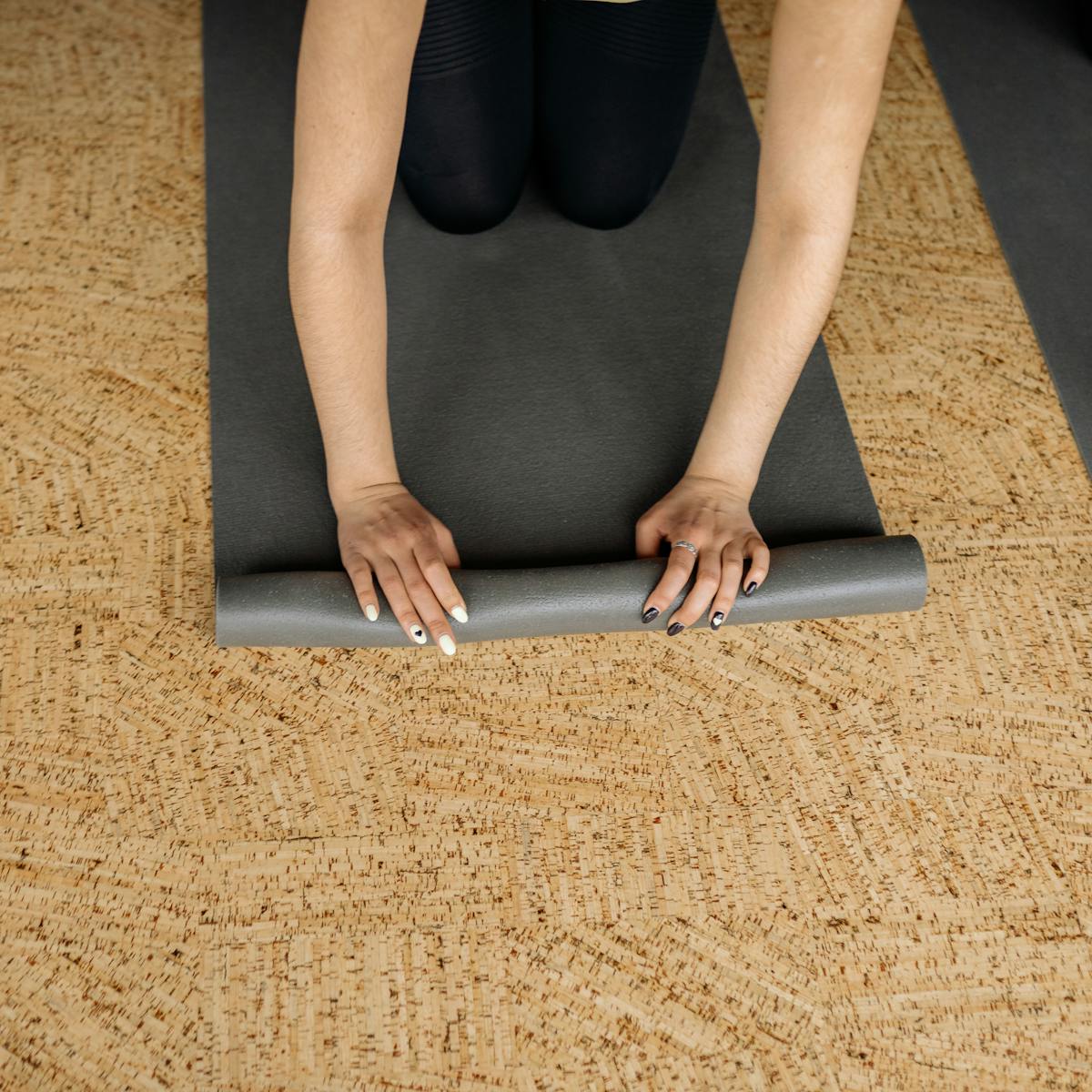
- Keep equipment visible: Place a band or yoga mat where you can see it near your workspace.
- Plan 2–3 go‑to snack templates: For example, “5× squats + 5× push‑ups + 20‑second plank” you can repeat without thinking.
- Respect recovery: Even short bouts add up; if soreness or fatigue spike, temporarily dial back intensity or volume.
- Track outcomes: Monitor energy, mood, step counts, or basic performance markers (e.g., push‑ups in 1 minute) every few weeks.

Conclusion: Making Movement Non‑Negotiable in a Busy World
Micro‑workouts and exercise snacks are not a gimmick; they are a behaviorally smart adaptation to modern, time‑compressed lifestyles. By transforming small gaps in the day into opportunities for movement, they help bridge the gap between public health guidelines and real‑world schedules.
For people who are currently inactive, these short, repeatable bouts can be a critical on‑ramp to more structured training. For those already training consistently, snacks can enhance daily movement, support recovery, and counter long periods of sitting.
The most sustainable path forward is not choosing between “real workouts” and micro‑workouts, but combining them:
- Use exercise snacks to make daily movement automatic and non‑negotiable.
- Layer in longer sessions when your schedule allows and your goals demand it.
In a world where time is scarce and sitting is abundant, small, intentional doses of movement—done often—may be one of the most realistic and impactful health habits you can adopt.
