
Why the UK Lost Measles Elimination Status – And What Parents Can Do Now
The UK has lost its measles elimination status after a sharp rise in cases in 2024, leaving many families understandably anxious. This change doesn’t mean measles is “out of control,” but it does signal that the virus is circulating again in a way public health experts take very seriously.
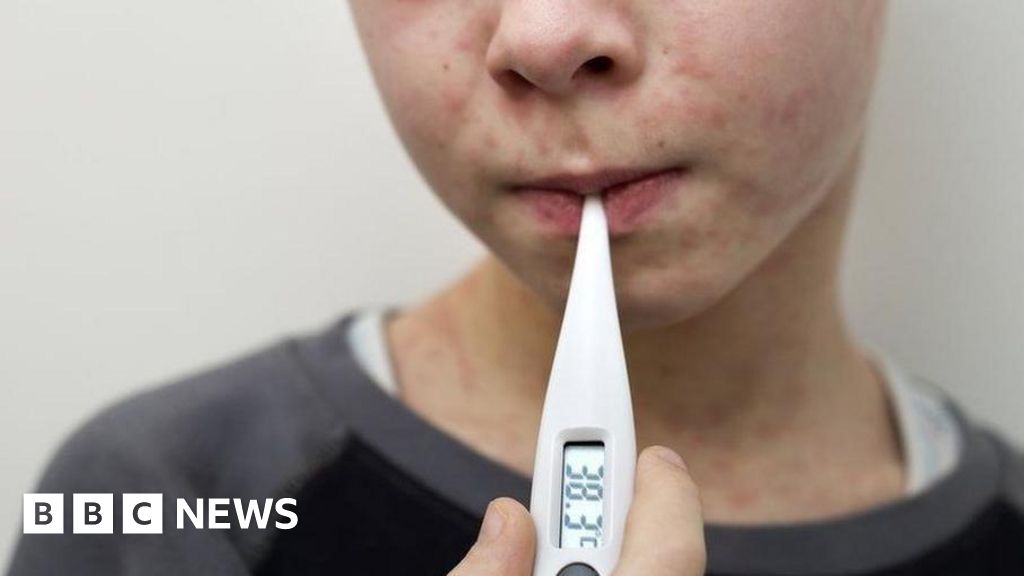
UK measles elimination status lost: what it really means for you
In 2024, there were nearly 3,000 confirmed measles cases in England and Wales and around 3,600 suspected cases overall, according to reports referenced by the World Health Organization (WHO) and UK health agencies. That surge was enough for the WHO to revoke the UK’s “measles elimination” status in early 2025.
If you’re worried about your family’s safety, you’re not alone. Many parents are now asking:
- How dangerous is measles today?
- Has the MMR vaccine changed?
- What should I do if my child missed a dose?
This guide pulls together the latest evidence, expert views, and practical steps so you can make calm, informed decisions—without scare tactics and without false reassurance.
What does “measles elimination status” actually mean?
When the WHO says a country has “eliminated” measles, it does not mean there are zero cases. Instead, it means:
- There is no continuous, endemic transmission of measles for at least 12 months.
- Any cases are usually linked to imported infections (for example, travel-related) and outbreaks are brief and contained.
- High vaccination coverage keeps community spread very limited.
Losing that status means measles is now spreading within the community again for a sustained period, rather than being just small imported outbreaks.
“Elimination is a signal that a country’s vaccination and surveillance systems are strong enough to keep measles on the back foot. Losing that status is a warning light on the dashboard, not a reason to panic—but it is a reason to act.”
— Public health paediatrician, summarising WHO guidance
Why have measles cases surged again in the UK?
The WHO’s decision followed UK surveillance data showing measles outbreaks in multiple regions through 2024. Several factors came together:
- Falling MMR vaccination rates: For herd immunity against measles, around 95% of people need to have had both MMR doses. In some parts of England, uptake for the second dose has fallen into the high 80s or low 90s, leaving tens of thousands of children unprotected.
- Pandemic disruption: COVID-19 disrupted routine childhood vaccination appointments, especially for younger children. Some families postponed visits and never quite got back on track.
- Persistent myths and misinformation: Although the link between MMR and autism has been repeatedly and thoroughly debunked, old myths still circulate online and can sow doubt.
- Global travel: Measles is still common in some countries. Travel can “re-seed” outbreaks when unvaccinated communities are exposed.
Importantly, there is no evidence that the MMR vaccine has become less safe or less effective; the problem is that not enough people are receiving it on time.
How dangerous is measles today?
Measles is not “just a childhood rash.” It is one of the most contagious viruses we know: in an unvaccinated group, one person with measles can infect up to 9 out of 10 close contacts.
While many people recover fully, complications are more common than most realise, especially in young children and people with weakened immune systems. These can include:
- Ear infections and pneumonia
- Severe dehydration from high fever
- Hospitalisation for breathing problems
- Encephalitis (swelling of the brain), which can cause seizures or long-term disability
- Very rarely, a fatal delayed brain condition called SSPE years after the infection
Modern medical care has improved outcomes, but it hasn’t made measles harmless. That’s why public health agencies respond quickly when case numbers climb.
The MMR vaccine: what we know from decades of evidence
The measles, mumps and rubella (MMR) vaccine has been used worldwide since the 1970s. In the UK, it is part of the routine childhood schedule and is offered free on the NHS.
- Effectiveness: Two doses of MMR are about 97% effective at preventing measles. Even when vaccinated people do catch it, their illness is usually milder.
- Safety: Large studies involving millions of children have found no link between MMR and autism. The paper that originally claimed a connection has been fully retracted and discredited.
- Side effects: Most are mild and short-lived—such as a sore arm, low fever or mild rash. Serious allergic reactions are extremely rare.
“From a scientific perspective, the evidence is as strong as it gets: measles vaccines are safe, and they save lives. The real challenge is making sure people have the support and information they need to feel confident saying yes.”
— Infectious disease specialist, commenting on global measles trends
Practical steps to protect yourself and your family
You don’t need to overhaul your life to respond to the UK’s loss of measles elimination status. A few concrete actions can dramatically reduce your risk.
1. Check your (and your child’s) MMR vaccination record
In the UK, children are routinely offered:
- First MMR dose at around 12–13 months
- Second MMR dose at around 3 years 4 months
To check your status:
- Look at your child’s “Red Book” or digital health record if you have one.
- If you’re unsure, contact your GP practice and ask what’s recorded.
- Adults can also ask their GP; many under-40s will have had MMR, but records vary.
2. Catch up on missed doses
If you or your child has missed a dose:
- Ring your GP practice and request a catch-up MMR appointment.
- Explain if your child is starting nursery, school or planning travel—this may help prioritise timing.
- It is usually safe to have MMR even if you might have had it before; your GP can advise individually.
3. Use extra caution during local outbreaks
If public health teams announce a measles outbreak in your area:
- Ask your GP or local health protection team if you or your child needs urgent vaccination.
- Avoid exposing unvaccinated children to crowded indoor spaces where possible.
- Watch carefully for early symptoms if you’ve been notified of possible exposure.
Recognising measles symptoms and when to seek help
Measles usually develops in stages over 1–2 weeks after exposure:
- Early symptoms (days 1–4): high fever, runny nose, cough, red sore eyes, feeling very unwell.
- Characteristic spots: small white spots inside the cheeks (Koplik spots) can appear before the rash.
- The rash: a red-brown blotchy rash usually starts on the face and behind the ears, then spreads down the body.
In the UK, guidance may be updated as outbreaks evolve, but common advice includes:
- Stay at home and avoid school, nursery, work and public places if measles is suspected.
- Call your GP or NHS 111 for advice before going to a clinic or A&E, so staff can protect other patients.
- Seek urgent care (999 in emergencies) if there are breathing difficulties, confusion, seizures, or if your child seems floppy, unresponsive or severely unwell.
Common barriers to vaccination—and how to move past them
In clinic, healthcare teams often hear similar worries. Naming them can make them easier to tackle.
“I’m worried about long-term side effects”
It’s understandable to think about life-long impacts when making decisions for your child. With MMR, the long-term data are reassuring:
- Decades of follow-up in many countries have not shown hidden long-term harms.
- By contrast, measles infection itself can have serious long-term effects for a small number of children.
“We missed the appointment and now I feel guilty”
Many families fell behind during the pandemic. Feeling guilty can actually make it harder to pick up the phone.
Healthcare staff are used to catch-up vaccination; their goal is to help, not judge. You can simply say:
“We missed our earlier appointment and I’d like to get my child up to date with their MMR vaccinations.”
“I’ve seen worrying stories online”
Algorithms tend to amplify emotional content, including scare stories. Before letting a post shape your decision, ask:
- Does it link to credible sources such as the NHS, UKHSA, WHO or peer-reviewed research?
- Is the author qualified to give medical advice?
- Does it present both benefits and risks, or only one side?
Community protection: why your decision matters to others
Measles is so contagious that individual choices quickly add up. When enough people are vaccinated, the virus struggles to find new hosts—this is often called “herd immunity.”
But when vaccination rates drop, clusters of unvaccinated people can become “fuel” for outbreaks. These clusters may be:
- Specific neighbourhoods or communities
- Certain schools or nurseries
- Groups with less access to healthcare or information
By getting vaccinated or catching up on missed doses, you are helping to protect:
- Newborns and very young babies not yet fully vaccinated
- Children and adults with cancer or immune conditions who can’t receive live vaccines
- Pregnant women, for whom measles can be especially risky
Can the UK regain measles elimination status?
Yes—losing elimination status is reversible. Several countries have lost and later regained it by strengthening vaccination programmes and outbreak control.
The core ingredients are:
- Raising MMR coverage back above 95% for both doses
- Rapidly identifying and containing outbreaks
- Making vaccination easy to access, especially in underserved communities
- Building trust with clear, honest communication
That process will take time and sustained effort from health services, schools, community leaders and families. There is no overnight fix—but there is a clear path forward.
A real-world example: one family’s catch-up journey
One GP in the Midlands recently described a family who came in after seeing news of the 2024 measles outbreaks. Their 5-year-old had never had MMR; the parents had been hesitant after reading online posts years earlier.
In the consultation, the parents:
- Talked through their specific fears about autism and long-term side effects.
- Looked together with the GP at NHS and WHO pages summarising the evidence.
- Agreed a plan for two catch-up doses, with a follow-up phone call to check how their child was doing.
Afterwards, the parents said what helped most wasn’t being “talked into it,” but being given space to ask questions without judgement. Their story is a reminder that changing your mind in light of new information is a strength, not a failure.
Moving forward: calm, informed action beats fear
The UK’s loss of measles elimination status is a serious signal, but it doesn’t mean it’s too late to protect yourself and the people you love. The most powerful steps you can take are straightforward:
- Check your and your children’s MMR vaccination status.
- Book catch-up vaccinations if needed—no matter how long it’s been.
- Use trusted sources to inform your decisions and questions.
- Stay alert to symptoms and follow public health advice during outbreaks.
If you’re unsure about your next step, consider making one small move today: check your records, write down your questions, or call your GP practice to ask about MMR. You don’t need to have everything figured out at once. Each informed decision helps push measles back towards where it belongs—on the verge of elimination, not in everyday life.
About this article
UK measles elimination status lost: what happened and how to protect your family
An evidence-based, practical guide explaining the UK’s loss of measles elimination status, why cases have risen, and the concrete steps families can take to stay protected.
Health & Immunisation Insights |
