
Why the UK Junk Food Ad Ban Could Change How Our Kids Eat
From cartoon-covered cereal boxes to fast-food jingles that get stuck in your head, it can feel like junk food is everywhere your child looks. In the UK, that’s about to change. A new nationwide ban on junk food adverts on TV and online is coming into force, with a clear goal: to help tackle childhood obesity by making unhealthy options less prominent in children’s lives.
In this guide, we’ll walk through what the junk food advert ban actually does, why the government says it matters, what experts think, and—most importantly—how you can use this moment to support healthier eating habits at home without striving for perfection.
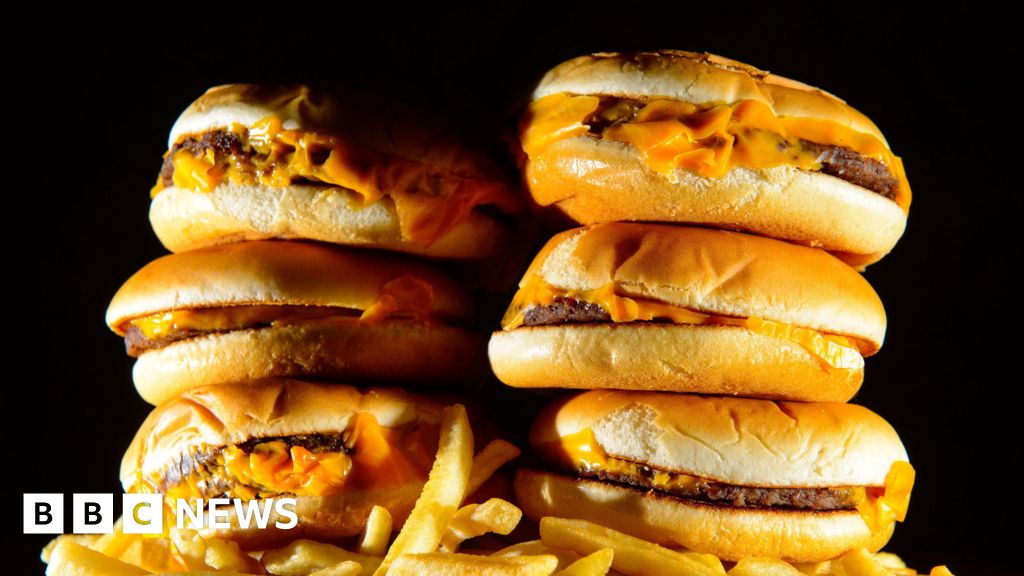
What Is Actually Changing With the Junk Food Ad Ban?
The UK government’s junk food advert ban, reported by the BBC and other outlets, is part of a broader strategy to reduce childhood obesity. In simple terms, it restricts when and where companies can advertise foods and drinks that are high in fat, salt or sugar (often called HFSS products).
The Problem: Why Target Junk Food Advertising?
Childhood obesity is a complex issue. It’s shaped by genetics, home environment, income, access to safe places to play, school meals—and yes, the food environment created by marketing and advertising.
Research from organisations such as the World Health Organization and Public Health England has consistently shown that:
- Children exposed to more junk food advertising are more likely to ask for, choose and over-consume those foods.
- Advertising influences not just preferences, but also “pester power” (how often children ask parents for specific products).
- Exposure accumulates—from TV to YouTube pre-rolls, social media ads and brand tie-ins with influencers or games.
“Children are particularly vulnerable to persuasive marketing. Limiting exposure to adverts for high fat, salt and sugar foods is one of several steps that can support healthier diets.”
— Public health nutrition perspective, summarising UK and WHO guidance
No single policy can “fix” childhood obesity. But reducing constant cues to eat ultra-processed, high-calorie foods can make it easier for families to make balanced choices—especially in homes where time, energy and money are already stretched.
What the UK Junk Food Advert Ban Actually Covers
According to BBC reporting on the policy, the UK-wide ban is designed to limit advertising of HFSS foods and drinks across major media channels. While the fine detail is technical, here’s the broad picture based on current government briefings and coverage:
1. Television advertising
- Junk food adverts are restricted during key times when children are most likely to be watching.
- This includes family viewing slots, not just children’s channels, reflecting the reality of how kids consume TV.
2. Online and digital advertising
- Restrictions extend to online platforms where children commonly see ads: video sites, social media, and other digital spaces.
- Food and drink brands will face stricter rules on promoting HFSS products to broad audiences that include children.
3. Which foods and drinks are affected?
The policy uses an established nutrient profiling model to define “junk food.” In general, the affected categories tend to include:
- Sugary breakfast cereals
- Confectionery (chocolate, sweets)
- Crisps and savoury snacks high in salt and fat
- Ice creams and desserts high in sugar and saturated fat
- Fizzy drinks and high-sugar beverages
- Some fast-food and takeaway items, depending on their nutritional profile
How the Ban Could Affect Families, Kids and Brands
For children
- They’re likely to see fewer colourful, persuasive adverts for high-sugar, high-fat products during their usual TV and online time.
- Over time, this may reduce how often they ask for specific junk foods or associate treats with fun characters and rewards.
For parents and carers
Many parents describe feeling “out-marketed” by global brands. The ban won’t remove all pressure, but it may:
- Reduce some of the day-to-day battles triggered by adverts (“Mum, can we get that?”).
- Make it a little easier to steer conversations towards balanced meals and healthier snacks.
- Open up space for family values and traditions to have more influence than marketing slogans.
For food manufacturers and advertisers
The government has stated that a core aim of the policy is to nudge manufacturers to improve recipes. To keep advertising prime-time, brands may:
- Reformulate products to reduce sugar, salt and saturated fat.
- Shift marketing spend towards genuinely healthier lines.
- Invest in clearer nutrition labelling and positive health-focused campaigns.
“Policy alone won’t transform diets, but changing the advertising landscape can support parents and children who are already trying to make healthier choices.”
— Registered dietitian commenting on UK marketing restrictions
What Does the Science Say About Junk Food Ad Bans?
Evidence from multiple countries suggests that limiting children’s exposure to junk food marketing can have modest but meaningful effects on diet patterns, especially when combined with broader public health measures.
Studies and reviews cited by public health agencies have found that:
- Restricting advertising reduces immediate snack requests and “pester power.”
- Children exposed to fewer junk food adverts are less likely to associate unhealthy foods with fun, status or rewards.
- Comprehensive policies (covering TV, digital and in-store promotions) tend to have the greatest impact.
In other words, this ban is best seen as one tool in a wider toolkit that includes school food standards, active travel schemes, local access to fresh food and practical support for families.
Practical Ways Parents Can Use This Moment
Policy shifts can feel abstract, especially when you’re simply trying to get dinner on the table after a long day. Here are realistic, science-informed steps you might find more manageable now that there are fewer junk food adverts competing for your child’s attention.
1. Have an age-appropriate chat about adverts
Children, even quite young ones, are capable of understanding that adverts are designed to sell things. You could say:
- “Sometimes adverts make food look more exciting than it really is.”
- “Our bodies need different kinds of foods to grow strong, not just the ones on TV.”
2. Focus on adding, not just restricting
Research on healthy eating patterns shows that adding nourishing foods is often more sustainable than simply banning treats. You might:
- Add a piece of fruit or veg to most meals and snacks.
- Offer water or milk as the default drink, keeping sugary drinks for occasional use.
- Keep some affordable staples on hand: oats, beans, lentils, frozen veg, tinned tomatoes.
3. Involve children in simple food decisions
When kids help choose and prepare food, they’re more likely to try it. This doesn’t require Instagram-worthy meal prep. Even:
- Letting them pick which veg goes into a pasta sauce.
- Giving them a choice between two snack options you’re happy with.
- Letting older children compare labels to find a cereal with less sugar.
Common Obstacles (And Compassionate Ways Through Them)
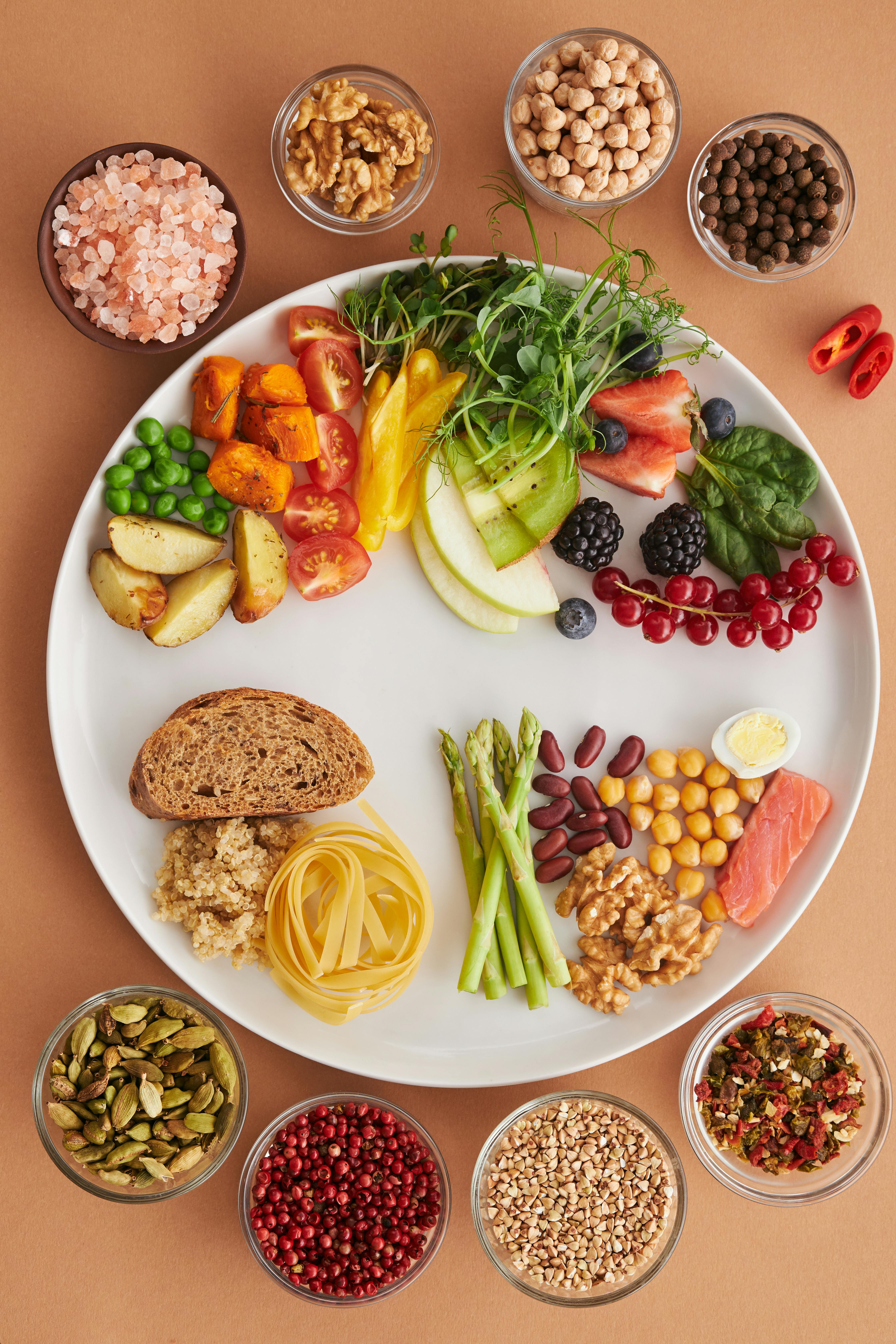
“Healthy food feels too expensive.”
Rising food prices are a reality. From a nutrition perspective, some of the most affordable options are often overlooked:
- Frozen fruit and veg – usually just as nutritious as fresh and often cheaper.
- Beans, lentils and chickpeas – tinned or dried, they add protein and fibre on a budget.
- Oats and wholegrain pasta or rice – filling, versatile staples.
“I don’t have time to cook from scratch.”
Highly idealised images of “healthy cooking” can be discouraging. Meals that support wellbeing can be very simple:
- Tinned soup plus added frozen veg and a piece of bread.
- Microwave rice, tinned beans, salsa and grated cheese in a bowl.
- Wholemeal toast with eggs or baked beans and a side of fruit.
“My child is very fussy.”
Fussy eating is common, especially in younger children. Evidence-based strategies include:
- Offering small amounts of new foods repeatedly without pressure.
- Serving at least one “safe” food alongside something new.
- Avoiding battles or bribery around food, which can increase anxiety.
How the Ban Might Reshape Food Marketing
The UK government has been clear that one intention of the junk food advert ban is to encourage reformulation: tweaking recipes so they contain less sugar, salt and saturated fat while remaining appealing.

Based on previous UK initiatives (such as voluntary sugar reduction programmes), potential industry responses include:
- Reformulating flagship products to bring them below HFSS thresholds.
- Promoting “better-for-you” ranges more heavily in advertising campaigns.
- Investing in alternative marketing channels like in-store promotions, packaging and sponsorships.
Before and After: Your Child’s Food Environment
It may help to think of the advert ban as changing the “background noise” around food choices rather than dictating what’s on your plate.


The adverts on screens may shift, but the core opportunities remain the same: turning everyday meals, shopping trips and conversations into gentle, supportive nudges towards balance.
Moving Forward: Small, Kind Steps for Healthier Futures
The UK junk food advert ban will not, on its own, solve childhood obesity—and it doesn’t need you to be a perfect parent, cook or nutrition expert to matter. It’s one piece of a much bigger puzzle that includes housing, income, education, mental health and community support.
What you can do, starting today, is refresh just one or two small habits that feel realistic for your life:
- Add one extra portion of fruit or veg to your child’s usual day.
- Keep sugary drinks for specific occasions and offer water most of the time.
- Talk about adverts as “persuasion,” not “instructions.”
- Notice and celebrate any positive changes, however small.
Over time, these small, compassionate steps can add up—especially when the wider environment is slowly shifting in a healthier direction too.
Further Reading and Trusted Resources
For more detailed, up-to-date information on the UK junk food advert ban and childhood obesity, consider:
- BBC News – Health and policy coverage
- NHS – Eat well guidance
- World Health Organization – Obesity and marketing to children
- UK Government – Childhood obesity plan documents
These sources provide regularly updated, evidence-based information without relying on exaggerated claims or quick-fix promises.
