
Why Tamiflu Is Hard to Find Right Now (and What You Can Safely Do Instead)
You wake up with chills, body aches, and a fever that seems to climb by the minute. Your doctor diagnoses the flu and sends a prescription for Tamiflu—only for the pharmacist to tell you it’s on backorder, with no clear date for when it will be back in stock. If this sounds familiar, you’re not alone.
As one of the worst flu seasons in decades surges across the US, antiviral treatments like Tamiflu are in short supply in some areas. Patients, caregivers, and pharmacists are scrambling to keep up, and many people are left wondering how to protect themselves and what to do when the “go‑to” flu medication simply isn’t available.
In this guide, we’ll unpack what’s happening with the current Tamiflu shortage, who truly needs antivirals, and the practical, science‑backed steps you can take to stay safe—even if your local pharmacy shelves are empty.
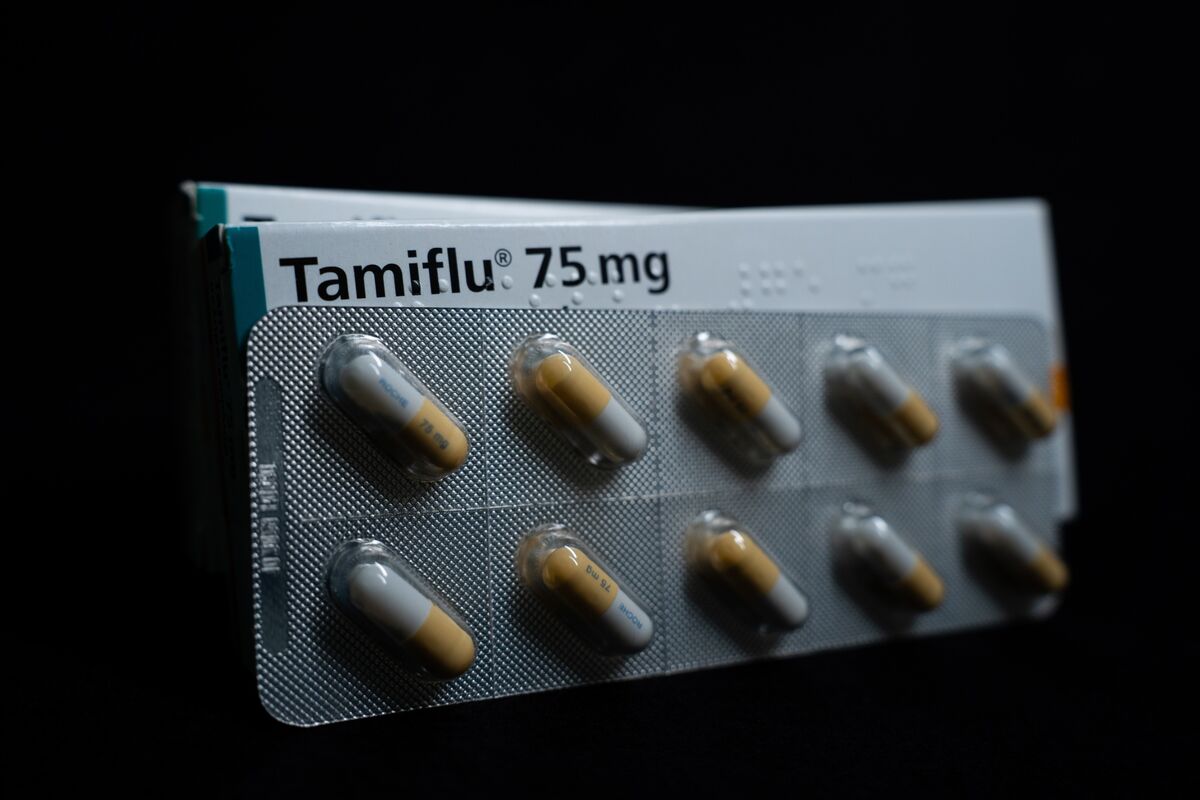
The Problem: A Severe Flu Season Colliding with Tamiflu Shortages
According to recent US surveillance data and pharmacy reports as of early 2026, influenza activity has been significantly higher than in many previous years. Emergency departments and urgent care centers are seeing a sharp rise in flu‑like illness, and antiviral prescriptions have surged in parallel.
Tamiflu (generic name: oseltamivir) is one of the most commonly prescribed antivirals for treating influenza. During heavy flu seasons:
- Demand for Tamiflu can spike rapidly in certain regions.
- Local pharmacies may run out before new shipments arrive.
- Some areas experience uneven distribution, with one town stocked and the next town empty.
“From my perspective behind the counter, the past few weeks have been among the busiest flu seasons I’ve seen in over a decade. We’re getting multiple calls a day from patients looking for Tamiflu—even from neighboring counties.”
— Community Pharmacist, Georgia (case report, 2026)
Why Is Tamiflu Hard to Find Right Now?
Drug shortages are rarely caused by a single factor. In the case of Tamiflu and other flu antivirals, several trends are intersecting:
- Unusually intense flu activity.
Influenza seasons can vary widely. When a more severe or earlier‑than‑expected wave hits, it can quickly outpace the forecasts drug manufacturers use for production and distribution.
- Regional demand spikes.
Even if national supplies are adequate, certain states or cities may see much higher flu rates, causing temporary local shortages before inventory can be re‑routed.
- Manufacturing and supply chain constraints.
Pharmaceutical supply chains are complex. Issues ranging from raw material availability to packaging capacity or transportation delays can contribute to shortfalls during peak demand.
- Increased prescribing “just in case.”
In a bad flu season, some people seek Tamiflu at the first sign of illness or even for mild symptoms that may not require antivirals. This can further strain supplies for those at highest risk.
Who Actually Needs Tamiflu the Most?
Clinical guidelines from organizations like the US Centers for Disease Control and Prevention (CDC) and the Infectious Diseases Society of America (IDSA) emphasize that antivirals are most critical for people at higher risk of flu complications.
The following groups are typically prioritized for antiviral treatment when supplies are limited:
- Adults aged 65 and older
- Young children, especially under 2 years of age
- Pregnant people and those who recently gave birth
- People with chronic conditions (e.g., asthma, COPD, heart disease, diabetes, kidney disease)
- People with weakened immune systems (e.g., due to cancer treatment, HIV, certain medications)
- Residents of nursing homes or long‑term care facilities
For these patients, starting Tamiflu (or another recommended antiviral) within 48 hours of symptom onset can reduce the risk of complications, hospitalization, and, in some cases, death.
“The evidence is strongest for using antivirals in high‑risk groups and patients requiring hospitalization. In otherwise healthy people, the benefit is generally more modest—shortening symptoms by about a day on average.”
— Infectious Disease Specialist, referencing IDSA influenza treatment guidelines
What If You Can’t Get Tamiflu? Evidence‑Based Options
If your pharmacy is out of Tamiflu, you still have several paths forward. The right approach depends on your risk level, how sick you are, and how long you’ve been ill.

1. Call Another Pharmacy (Safely and Systematically)
Pharmacies in the same city or county often have very different inventory levels. Instead of driving from store to store while sick:
- Ask your pharmacist if they can see inventory at nearby branches or partner stores.
- Call pharmacies in your area and ask specifically about “oseltamivir 75 mg capsules” or pediatric formulations, if needed.
- If another pharmacy has it, request that your prescribing clinician send the prescription there electronically.
2. Ask About Alternative Antivirals
Depending on your age, health, and local availability, your clinician may consider other FDA‑approved flu antivirals, such as:
- Baloxavir marboxil (Xofluza) – single‑dose oral treatment for certain patients.
- Zanamivir (Relenza) – inhaled medication (not suitable for everyone, especially those with certain lung conditions).
- Peramivir (Rapivab) – an intravenous option typically used in hospitals.
These medications have specific age ranges, contraindications, and dosing guidelines. They are not automatically interchangeable with Tamiflu, so a clinician’s guidance is essential.
3. Optimize Supportive Care
For many otherwise healthy people, flu treatment focuses on symptom relief and preventing complications. Evidence‑based supportive care includes:
- Hydration: Sip water, broths, or oral rehydration solutions throughout the day.
- Fever and pain control: Use acetaminophen or ibuprofen as directed by your clinician, unless you have a contraindication.
- Rest: Give your body time to fight the infection; avoid strenuous activity.
- Monitor breathing: Worsening shortness of breath, chest pain, or bluish lips are red‑flag symptoms—seek emergency care.
4. Know When to Seek Urgent or Emergency Care
Regardless of antiviral availability, contact a healthcare professional or seek urgent care if you notice:
- Difficulty breathing or shortness of breath
- Chest or severe abdominal pain
- Sudden dizziness, confusion, or inability to stay awake
- Seizures
- Fever that improves then returns or worsens
- Signs of dehydration (very little urine, extreme weakness, dry mouth, or sunken eyes in children)
Protecting Others: Preventing Flu Spread During a Surge
When flu is surging and medications are scarce, prevention becomes even more important—both to protect vulnerable people and to reduce strain on hospitals.
Core Prevention Steps
- Stay home when sick: Avoid work, school, and social gatherings until at least 24 hours after your fever is gone without fever‑reducing medicines.
- Mask around others: A well‑fitting mask can reduce transmission to household members and in healthcare settings.
- Cover coughs and sneezes: Use tissues or your elbow, then wash hands.
- Frequent handwashing: Use soap and water or an alcohol‑based sanitizer.
- Clean high‑touch surfaces: Disinfect doorknobs, phones, and shared devices regularly.

Flu Vaccination Still Matters
Even during a surge, the flu vaccine remains one of the most effective tools we have to reduce:
- Your chance of catching the flu at all
- The severity and duration of illness if you do get sick
- Hospitalizations and complications, particularly in high‑risk groups
While the vaccine is not perfect, large observational studies consistently show meaningful reductions in severe outcomes, especially in older adults and people with chronic health issues.
A Real‑World Example: When the Pharmacy Shelf Is Empty
To make this concrete, here’s a composite case based on multiple patients clinicians have seen this season:
“Michael,” 38, otherwise healthy, developed fever, cough, and muscle aches. His doctor diagnosed flu based on symptoms and local activity. A prescription for Tamiflu was sent to his usual pharmacy—only to be met with, “We’re completely out and don’t know when our next shipment is coming.”
Here’s how his care team handled it:
- The pharmacist checked nearby branches; none had stock.
- A telehealth follow‑up confirmed Michael had no high‑risk conditions.
- His clinician explained that, for someone like him, Tamiflu might shorten illness by about a day but was unlikely to change the overall outcome.
- They focused on supportive care, clear guidance on red‑flag symptoms, and preventing spread at home and work.
Michael felt significantly better by day 5, without antivirals. While this is just one example, it illustrates an important point: for many otherwise healthy people, the flu is miserable but self‑limited, even without Tamiflu.
How to Prepare Your Household for a Severe Flu Season
You can’t control national drug supplies, but you can improve your family’s resilience before flu hits your home.

Build a Simple Flu Care Kit
- Fever reducers and pain relievers (as recommended by your healthcare professional)
- Digital thermometer
- Oral rehydration solution or electrolyte drinks
- Tissues, hand sanitizer, and disinfectant wipes or sprays
- A basic mask supply for household members
Make a High‑Risk Plan
If someone in your home is in a higher‑risk category:
- Ask their clinician in advance what to do if they develop flu symptoms.
- Know which urgent care or emergency department you’d use if they worsen.
- Ensure vaccines (flu, and others your clinician recommends) are up to date.
What the Science Says About Tamiflu and Flu Outcomes
Research on oseltamivir (Tamiflu) and similar antivirals shows:
- Symptom duration: In otherwise healthy adults, Tamiflu started within 48 hours of symptom onset tends to shorten illness by about 1 day on average.
- Complications: In high‑risk patients and those hospitalized with influenza, timely antiviral treatment is associated with lower rates of complications like pneumonia and may reduce ICU admissions or death.
- Side effects: Nausea and vomiting are the most common side effects; rare neuropsychiatric effects have been reported, especially in children, though causal links are still being studied.
This evidence is why public health agencies prioritize antiviral access for high‑risk groups when supplies are strained, while emphasizing supportive care for lower‑risk individuals.
For detailed clinical guidance, see resources from:
Before and After: The Difference Preparation Can Make
Consider the contrast between two households during a Tamiflu shortage:

Before: No Plan, High Anxiety
- No flu shots this season; no one was sure when or where to get them.
- Medicine cabinet nearly empty; no working thermometer.
- When a family member gets sick, they visit multiple pharmacies searching for Tamiflu, exhausted and frustrated.
After: Prepared and Informed
- Most household members received flu vaccines earlier in the season.
- A simple flu kit is ready at home, including fever reducers, fluids, and masks.
- The family understands who is high‑risk and when to seek urgent care.
- If the pharmacy is out of Tamiflu, they already know supportive care steps and how to contact telehealth.
The medical risk may be similar in both scenarios, but the stress level and sense of control can be very different. Preparation won’t eliminate flu risk, but it can make a difficult situation far more manageable.
Moving Forward: Staying Calm, Informed, and Prepared
A severe flu season is challenging enough. Add drug shortages, and it’s understandable to feel anxious or even angry when you’re told, “We’re out of Tamiflu.” But lack of a single medication does not mean lack of options.
By understanding who truly benefits most from antivirals, focusing on prevention, and optimizing supportive care, you can navigate this flu surge with more confidence and less panic.
Here are three practical steps you can take today:
- Make sure you and your loved ones are up to date on flu vaccination, especially those at higher risk.
- Build or refresh a basic home flu kit with essentials for symptom relief and infection control.
- Talk with your healthcare professional—before you get sick, if possible—about what to do if flu symptoms appear and Tamiflu is unavailable in your area.
You may not be able to control virus trends or pharmacy supplies, but you can control your preparation, your information, and your response. Those three things go a long way toward protecting your health—and your peace of mind—during one of the toughest flu seasons in years.
