
Why ‘Study With Me’ Pomodoro Streams Are the New Productivity Hack (Backed by Psychology and Data)
Short-form ‘Study With Me’ videos and long-form productivity livestreams built around Pomodoro-style focus blocks are surging across TikTok, YouTube, and other platforms as remote workers and students seek structure, virtual accountability, and calming ambient focus content. These sessions blend aesthetics, psychology, and community—leveraging body doubling, lo-fi soundscapes, and visible timers—to help people stay on task while also raising important questions about sustainable productivity and mental health.

From Niche Study Vlogs to Mainstream Productivity Streams
Study and productivity content has evolved from a handful of niche YouTube channels into a mainstream attention format spanning TikTok, YouTube, Twitch, and specialized focus apps. The latest wave centers on:
- Pomodoro-style work blocks (for example, 25 minutes on, 5 minutes off).
- ‘Study With Me’ or ‘Work With Me’ live rooms lasting several hours.
- Short clips on TikTok and YouTube Shorts showcasing aesthetic desks, note-taking, and task resets.
Hashtags such as #studywithme, #pomodoro, #deepwork, and #povstudy have collectively generated billions of views across platforms, signaling that focus has itself become a form of entertainment and social behavior.
How ‘Study With Me’ and Pomodoro Streams Work
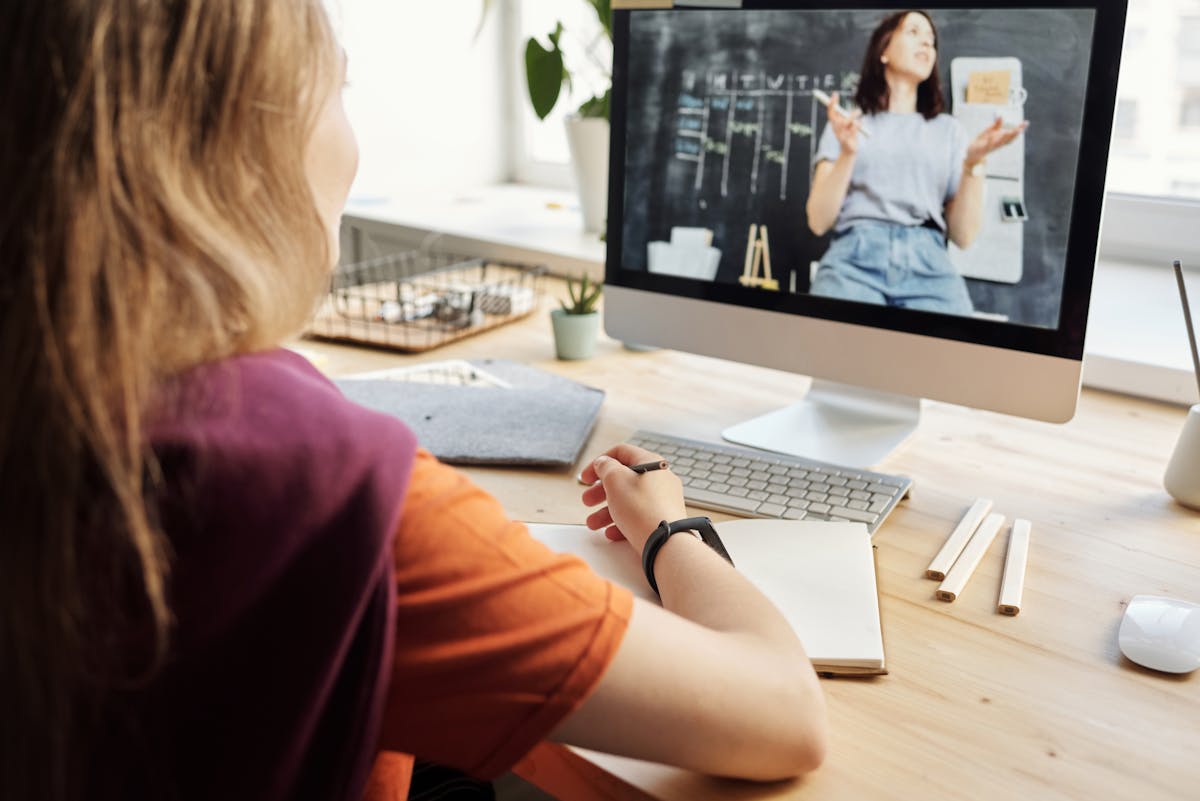
The core format is intentionally simple: a creator sits at a desk, works quietly, and lets a visible timer structure focus and break intervals. Viewers join to mirror the same cadence.
Key Elements of the Format
- Visible timer: On-screen countdown for focus and break sessions.
- Ambient audio: Lo-fi beats, soft piano, or pure room noise instead of speech-heavy sound.
- Minimal interaction during focus blocks: Little or no talking while the timer runs.
- Aesthetic environment: Clean desk, mechanical keyboard, tablet, warm lighting, and neatly organized notes.
- Live chat during breaks: Viewers post goals, progress updates, and encouragement between blocks.
On short-form platforms, the same sessions are repurposed into clips: flipping through annotated notes, resetting a desk, or ticking items off a to-do list. These moments act as micro dopamine hits while also reinforcing the aesthetic of disciplined, organized work.
The Psychology: Body Doubling, Accountability, and Ambient Social Presence
A major driver behind these streams is body doubling—the phenomenon where simply having another person present, even virtually, improves task initiation and follow-through. This has long been used in ADHD coaching and peer-support settings.
The presence of another focused person can act as a low-level social contract: you feel an implicit obligation to keep working, even though no one is directly supervising you.
When combined with a visible timer, body doubling reinforces:
- Clear start points: Pressing “play” on the stream becomes a trigger to begin.
- Finite effort windows: 25–50 minute sprints feel less overwhelming than “study all day.”
- Shared milestones: Everyone in the chat hits the end of a session together, celebrating or resetting as a group.
For many remote workers and students who have lost the natural structure of offices, classrooms, or libraries, these streams rebuild a sense of shared routine and social presence without the cognitive overhead of active conversation.
Platforms, Formats, and Engagement Metrics
While the trend spans multiple platforms, each ecosystem favors slightly different formats and engagement behaviors.
| Platform | Dominant Format | Typical Session Length | Engagement Style |
|---|---|---|---|
| YouTube | Long-form livestreams and 1–3 hour VODs | 2–8 hours (especially around exam seasons) | Persistent live chat, memberships, super chats |
| TikTok | Short clips and occasional vertical live rooms | 15–60 seconds (clips); 1–3 hour lives | Quick comments, likes, and shares driven by aesthetics |
| Twitch | Co-working streams and “Just Chatting” hybrids | 3–10 hours | Interactive emotes, channel points, and subscriber communities |
Public hashtag counters and platform analytics tools indicate that study and productivity tags now sit alongside gaming and lifestyle categories in terms of sustained, repeat watch-time—remarkable for content with almost no narrative, dialogue, or plot.
The Aesthetic Layer: Productivity as Lifestyle and Branding
Beyond function, these videos trade heavily on visual identity. The “study aesthetic” has become a recognizable micro-genre:
- Neutral color palettes, soft lamps, candles, and plants.
- Mechanical keyboards and styluses with distinctive sound profiles.
- Tablets and laptops arranged with symmetrical, clutter-free layouts.
- Color-coded notes, washi tape, and highlighters.
This aesthetic framing serves multiple purposes:
- Branding: Creators differentiate themselves in a crowded feed.
- Motivation: An aspirational workspace can nudge viewers to tidy their own environment.
- Monetization: Aesthetic gear and stationery integrate naturally with sponsorships and affiliate links.
Monetization Models and Emerging Business Opportunities
While many creators start “Study With Me” streams as passion projects, consistent audiences enable a variety of revenue streams.
Creator Revenue Streams
- Ads and platform revenue share: Pre-roll, mid-roll, and display ads on long-form videos.
- Memberships and subscriptions: Channel memberships, Patreon tiers, or Twitch subs for exclusive sessions.
- Sponsorships: Deals with stationery brands, device manufacturers, productivity app companies, and online course providers.
- Affiliate marketing: Links to gear, software, and study materials used on-stream.
- Digital products: Selling printable planners, Notion templates, or curated playlists.
App and Tool Ecosystem
App developers are increasingly building products that mirror the structure of these streams:
- Focus-timer apps with built-in Pomodoro cycles and progress tracking.
- Virtual co-working platforms that show live presence of others in focus mode.
- Browser extensions that sync timers, block distractions, and log sessions.
Some tools partner directly with popular creators to offer branded rooms or co-hosted focus challenges, merging SaaS-style recurring revenue with creator-driven community acquisition.

Benefits, Risks, and Sustainability of Productivity Streaming
Like most self-improvement trends, “Study With Me” content delivers real value for some viewers while creating pressure or unrealistic expectations for others.
Potential Benefits
- Structure: External timing and rituals help people who struggle with unstructured days.
- Reduced isolation: Remote learners and workers feel less alone during long tasks.
- Support for neurodiversity: Body doubling is especially helpful for many people with ADHD or executive-function challenges.
- Lower friction to start: Hitting “join” on a stream is an easy first action compared to facing an entire study plan.
Common Risks and Downsides
- Productivity performance pressure: Highly polished streams can unintentionally imply that constant deep focus is normal.
- Comparison and guilt: Viewers may feel inadequate if they cannot match the hours or intensity they see online.
- Over-reliance: Some people may struggle to work independently without a stream running.
- Distraction risk: Chat and short-form clips can become another procrastination loop if not used intentionally.
The healthiest use of ‘Study With Me’ content is as a scaffold, not a crutch—supporting you in building your own sustainable routines rather than replacing them.
Actionable Strategies: Using ‘Study With Me’ Content Without Burning Out
To harness the benefits of this trend while avoiding common pitfalls, it helps to treat streams as a configurable tool rather than passive entertainment.
For Viewers and Learners
- Define the session objective first.
Write down 1–3 concrete tasks you want to complete before you start the stream. - Match timer length to your focus capacity.
If 25 minutes feels too long, start with 15–20 minute blocks and extend gradually. - Use breaks intentionally.
Stand up, stretch, hydrate, and review your progress rather than endlessly scrolling chat or social feeds. - Rotate off-stream sessions.
Aim for at least one independent study block per day or per week to avoid over-reliance on external cues. - Limit aesthetic comparison.
Focus on function: a clean-enough, comfortable workspace matters more than expensive gear.
For Creators and Hosts
- Set clear expectations.
Describe your timer pattern, noise level, and interaction rules in the stream title and description. - Prioritize authenticity over perfect aesthetics.
Occasional messy days or shorter sessions can make your content more relatable and less pressure-inducing. - Build sustainable schedules.
Multi-hour daily streams can be taxing; plan rest days and off-camera time to avoid burnout. - Encourage healthy norms.
Use pinned messages or overlays to remind viewers to take breaks, hydrate, and log off when needed. - Diversify content formats.
Consider mixing pure focus streams with Q&A sessions, planning sessions, or realistic “reset” videos.
Future Outlook: Hybrid Work, Digital Companionship, and Evolving Productivity Norms
As remote and hybrid work arrangements continue, ambient digital companionship is likely to remain a staple of online life. Study and productivity streams sit at the intersection of:
- Workplace transformation: Filling the social and structural gaps left by physical offices and campuses.
- Wellness and mental health: Offering low-friction support for isolation and task paralysis.
- Creator economy: Providing a relatively low-production, high-retention content format.
- Behavior design: Embedding timeboxing and body doubling into everyday tools and media habits.
The challenge—and opportunity—going forward will be integrating these practices into healthier long-term models of productivity that respect rest, neurodiversity, and individual differences in capacity, rather than glorifying constant sprints and endless optimization.
Conclusion: Turning Ambient Productivity into Intentional Practice
‘Study With Me’ and Pomodoro-based productivity livestreams demonstrate how simple structures—timers, ambient presence, and consistent rituals—can reshape behavior at scale. Used thoughtfully, they offer powerful scaffolding for focus, particularly for students, remote workers, and neurodivergent audiences who benefit from external cues and gentle social accountability.
The key is intentional use: aligning streams with clear goals, keeping expectations realistic, and recognizing that high-output days on camera are only one part of a balanced, sustainable approach to work and study. When combined with self-awareness and healthy boundaries, this trend can serve as a practical, low-barrier tool for building better habits in a world where distraction is otherwise the default.
