
Why Streaming Feels Broken: Fragmentation, Creators, and the New Battle for Your Attention
The streaming era was supposed to be simple: cancel cable, pick a few services, and enjoy unlimited on‑demand content at a fair price. Instead, we have a fragmented patchwork of video apps, music services, and creator platforms, each pushing subscriptions, ads, and exclusive content while competing for the same finite pool of attention and money. Media coverage from outlets like The Verge, TechCrunch, Wired, and Engadget now focuses less on cord‑cutting and more on the stress points of this ecosystem—how platforms chase profitability, how creators try to make a living, and how audiences navigate choice overload.
Mission Overview: From Growth at All Costs to Sustainable Streaming
Between 2015 and 2022, streaming and creator platforms raced to acquire users, often prioritizing growth over profits. Cheap introductory offers, massive content spends, and generous creator incentives attracted millions. By 2024–2025, that phase ended. Investors now demand cash flow, and platforms—from Netflix, Disney+, and Max to Spotify, YouTube, TikTok, and Twitch—are re‑engineering their economics.
The key shifts:
- From underpriced subscriptions to higher prices and regional differentiation.
- From “ad‑free forever” promises to ad‑supported or hybrid tiers.
- From platform‑subsidized creator payouts to tighter, performance‑based models.
- From pure video/music libraries to social, live, and interactive experiences.
“We are exiting the land‑grab era of streaming and entering a phase where every user, every minute watched, and every ad impression has to make economic sense.” — Media analyst quoted in The Verge.

Subscription Fatigue and the Unbundling of Entertainment
The average household in mature markets now juggles several paid video and music subscriptions, plus game passes, cloud storage, and creator memberships. Surveys reported by TechRadar and The Verge show consumers regularly rotating services—subscribing for a show or sports season, then canceling.
Price Hikes and Ad Tiers
Netflix, Disney+, Hulu, Peacock, and others have raised prices multiple times since 2022 while heavily marketing lower‑priced ad tiers. What began as an alternative to cable bundles now increasingly resembles them in both cost and complexity.
- Standard ad‑free tiers become premium, targeting power users.
- Ad‑supported tiers aim to retain price‑sensitive users and expand reach for advertisers.
- “Password sharing” crackdowns push freeloaders into paid accounts or ad tiers.
The Fragmentation Problem
Content exclusivity means a fan of one prestige drama, a specific soccer league, and a given anime catalog may need three or more services. Account churn becomes a central metric, and media outlets track “who raised prices this quarter” like earnings season.
- High‑value live sports are split across multiple apps.
- Studio libraries migrate between platforms due to licensing renegotiations.
- International availability varies, further confusing global audiences.
“We solved one problem—cable monopolies—by creating another: an attention and billing nightmare where every show lives in its own walled garden.” — Commentary summarized from Wired’s streaming coverage.
Tech writers increasingly speculate about “re‑bundling” via aggregator apps, smart‑TV interfaces, or telecom packages that re‑create a cable‑like bundle with unified billing and discovery.
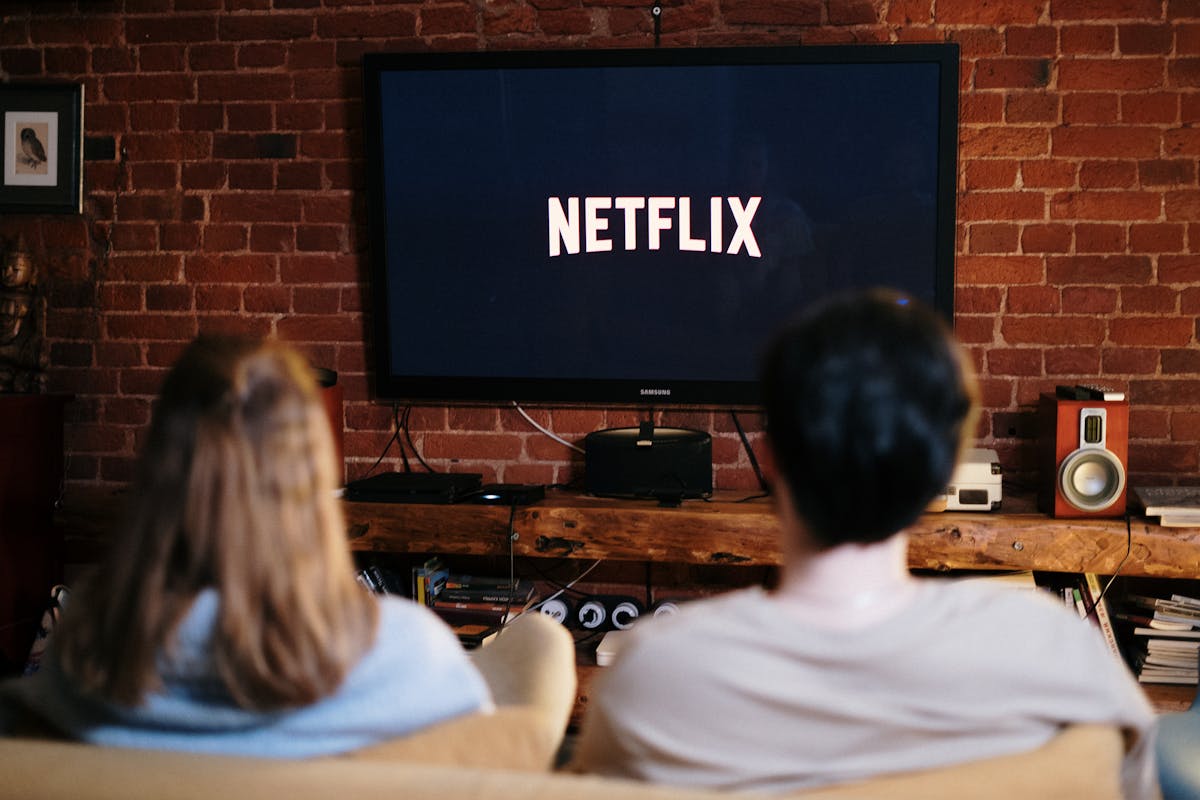
Technology and Business Models: The Rise of Ad‑Supported and Hybrid Streaming
Streaming economics increasingly rely on sophisticated ad tech, first‑party data, and machine‑learning driven targeting. Even “prestige” platforms now operate like digital ad networks layered on top of content catalogs.
How Hybrid Monetization Works
Hybrid models blend:
- Subscription revenue (monthly/annual fees).
- Advertising revenue (pre‑roll, mid‑roll, dynamic ad insertion).
- Transactional revenue (rentals, PPV events, premium add‑ons).
- Ancillary income (merch, licensing, live events, games).
Ad platforms deploy real‑time bidding, contextual targeting, and sometimes household‑level data to optimize campaigns. This raises privacy questions and regulatory scrutiny, particularly in the EU and California.
New Ad Formats and Their Risks
TechCrunch and Recode‑style reporting highlight experimental formats:
- Shoppable video ads with embedded product links.
- Dynamic product placement rendered by AI into scenes after production.
- Interactive polls or mini‑games during ad breaks.
These can increase engagement but risk crossing into distraction and surveillance if poorly implemented.
“The streaming ad stack is starting to look a lot like the web’s programmatic ecosystem a decade ago—powerful, opaque, and ripe for both innovation and abuse.” — Analysis reflected in Engadget coverage.
WCAG‑aligned platforms must ensure that interactive ads and overlays remain keyboard accessible, properly labeled for screen readers, and avoid flashing content that could trigger seizures—areas where implementation often lags behind policy.
Creator Economies: Monetization, Algorithms, and Platform Dependence
For creators on YouTube, TikTok, Twitch, Instagram, Patreon, and Spotify, streaming fragmentation is not just about where content lives—it is about how livelihoods survive constant rule changes. Coverage in Wired, The Next Web, and specialized creator‑economy newsletters tracks a steady shift from “go viral and get paid” to “build a resilient, multi‑platform business.”
Revenue Streams for Creators
Modern creators typically combine:
- Platform ad‑revenue sharing (e.g., YouTube Partner Program).
- Subscriptions and memberships (Patreon, channel memberships, Substack).
- Brand deals, sponsorships, and affiliate links.
- Merchandise, digital products, and online courses.
- Live events, workshops, or paid communities (Discord, Slack, private forums).
This diversification hedges against algorithm changes or demonetization events on any single platform.
Algorithms as Gatekeepers
Recommendation systems on YouTube, TikTok, and Spotify increasingly determine which voices are amplified. Small tweaks to ranking logic can halve or double a creator’s income overnight.
“Creators do not have a content problem; they have a discovery and stability problem. The algorithm is their boss, and it rarely explains its decisions.” — Paraphrased from discussions among YouTube educators and analysts on YouTube’s creator channels.
Transparency reports and creator councils are emerging as partial checks, but platforms still maintain broad discretion over moderation, distribution, and monetization.
Tools and Gear for Independent Creators
The lower the friction to produce professional‑quality content, the more creators can compete in this environment. Popular tools include mirrorless cameras, microphones, and lights optimized for streaming.
- Canon EOS R6 Mark II Full-Frame Mirrorless Camera — Widely used among vloggers and streamers for its autofocus and low‑light performance.
- Blue Yeti USB Microphone — A mainstream, budget‑friendly mic for podcasts, YouTube, and Twitch.
- Elgato Stream Deck — A programmable controller that simplifies scene switching, sound cues, and macro automation for live streams.
These tools do not guarantee success, but they lower the barrier to entry and improve production value, which can positively affect watch time and algorithmic recommendations.
Music Streaming Economics: Payout Models Under Pressure
Music streaming remains central to debates about creator fairness. Spotify, Apple Music, Amazon Music, and regional platforms collectively serve hundreds of millions of listeners, but many independent artists report low per‑stream revenue. Recent coverage in Wired, The Verge, and music‑industry outlets highlights experiments intended to curb fraud and re‑allocate payouts.
Traditional Pro‑Rata Model vs. User‑Centric Alternatives
Most services still use a pro‑rata model: all subscription revenue goes into a pool and is divided based on each track’s share of total streams. This tends to favor blockbuster artists.
A user‑centric model, advocated by some independents, would allocate each subscriber’s fee only to the artists that user actually listens to. Trials by services like Deezer and SoundCloud suggest it can slightly boost earnings for mid‑tier and niche artists but introduces more complexity.
Anti‑Fraud Measures and “Functional Audio”
Platforms are increasingly concerned about:
- Artificial streaming — bot‑driven play inflation to siphon royalties.
- “Noise” or “functional” tracks — ultra‑short or low‑effort tracks (e.g., rain sounds) uploaded at scale.
Spotify, for instance, has implemented minimum play thresholds and penalties for suspicious behavior to protect the royalty pool for legitimate artists. These steps, however, can also unintentionally penalize experimental or non‑commercial creators.
“Streaming did save the record business, but we’re still fine‑tuning how that value flows downstream.” — Paraphrasing industry executives quoted across The Verge’s Spotify coverage.
As with video, “attention” is the primary scarce resource; playlist placements, algorithmic radio, and editorial curation play outsized roles in shifting that attention across a vast catalog.
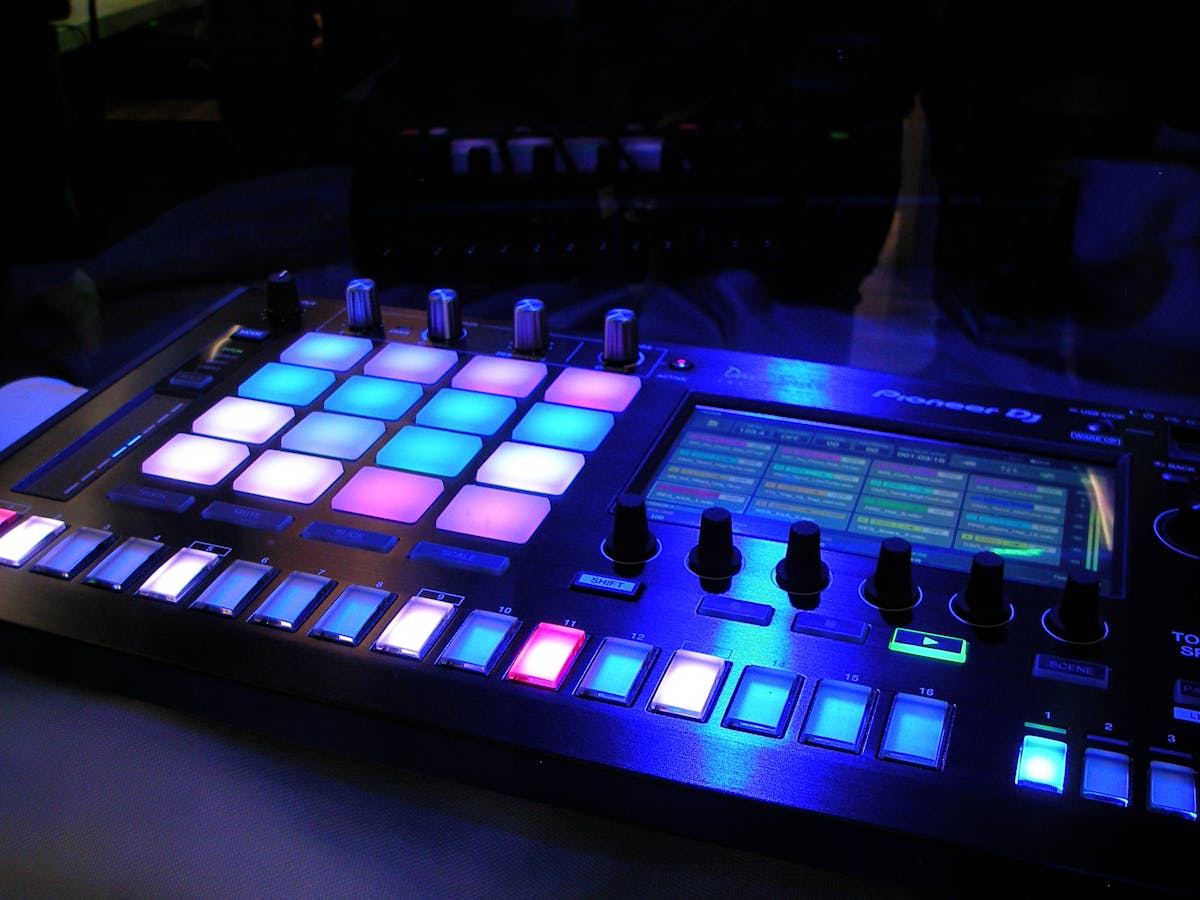
Convergence with Social and Live Content: The Battle for Real‑Time Attention
The old distinction between “social media” and “streaming services” is dissolving. TikTok, YouTube Shorts, Instagram Reels, and Twitch compete directly with Netflix and traditional broadcasters for daily viewing time, especially among younger viewers.
Short‑Form vs. Long‑Form
Short‑form video thrives on algorithmic discovery and rapid feedback loops. It serves as:
- A funnel driving audiences to long‑form content, podcasts, or live streams.
- A stand‑alone format where creators monetize via in‑feed ads, brand deals, and creator funds.
YouTube’s integration of Shorts with long‑form channels is a strategic response to TikTok’s dominance. TikTok, in turn, is experimenting with longer uploads and live shopping to capture more minutes per user.
Live Events, Sports, and Interactive Experiences
TechCrunch and Engadget routinely document the streaming wars over:
- Exclusive live sports rights (NFL, NBA, Formula 1, global football leagues).
- Gaming streams and esports tournaments.
- Watch parties, synchronized viewing, and co‑streaming of major events.
Platforms like Twitch, YouTube Live, and TikTok Live accelerate the “real‑time” internet, where chat overlays, donations, and emotes become core parts of the viewing experience.
“Live is where community actually happens. VOD is the archive; streaming is the event.” — Paraphrased from commentary by leading Twitch creators and analysts.
This shift further intensifies the battle for attention: if users spend hours in a live stream, that is time they are not browsing other platforms or traditional TV.
Scientific and Societal Significance: Attention as a Quantifiable Resource
Behind the headlines about price hikes and creator payouts lies a deeper scientific story. Streaming and creator platforms are inadvertent laboratories for studying attention, recommendation systems, and digital well‑being at planetary scale.
Data, Algorithms, and Behavioral Science
These platforms:
- Collect granular data on viewing patterns, skips, rewatches, and abandonment.
- Run large‑scale A/B tests on thumbnails, autoplay behavior, and interface changes.
- Apply machine learning to predict churn risk, recommend next‑best content, and optimize ad load.
This creates feedback loops where algorithms learn to maximize engagement (and revenue), while users adapt their behavior and creators adapt their content to the algorithm.
Well‑Being and Ethical Design
Researchers in digital well‑being and human‑computer interaction are increasingly asking:
- How do autoplay, infinite scroll, and algorithmic feeds affect sleep, focus, and mental health?
- Can recommendation systems be optimized for beneficial outcomes (learning, civic engagement, creativity) rather than just watch time?
- How can accessibility standards like WCAG 2.2 be embedded into fast‑moving product roadmaps?
Some platforms now offer “take a break” reminders, time‑use dashboards, and content controls for families, but adoption and default settings vary widely.
Milestones in the Streaming and Creator Landscape
Over the last decade, several inflection points have shaped today’s fragmented ecosystem:
Key Milestones
- 2013–2016: Netflix and Spotify scale globally; binge‑watching becomes mainstream.
- 2017–2019: Disney+, Apple TV+, and other studio‑backed services launch, beginning the “streaming wars.”
- 2020–2021: Pandemic lockdowns cause unprecedented spikes in streaming usage and creator‑led live events.
- 2022–2023: Platforms pivot from growth to profitability, raise prices, and introduce ad tiers; major layoffs and content write‑downs occur.
- 2024–2025: Heightened scrutiny of creator payouts, music streaming models, sports rights fragmentation, and AI‑generated content.
Each milestone tightened competition while making the overall system more reliant on a handful of large platforms and underlying cloud providers.
Challenges: Fragmentation, Regulation, and the AI Wildcard
The next phase of streaming and creator economies will be defined by how platforms, regulators, and creators navigate several intertwined challenges.
1. Fragmentation and Discovery
For viewers and listeners:
- It is increasingly hard to know where a show, movie, or album is available.
- Cross‑service search and universal watchlists are still immature or locked into specific hardware ecosystems.
Aggregator apps and smart‑TV interfaces help, but they often prioritize services that pay for placement or belong to the same corporate family.
2. Regulatory and Policy Pressures
Governments are focusing on:
- Competition law — whether exclusive deals and vertical integration harm consumers or creators.
- Data protection — how streaming data is collected, shared, and monetized.
- AI and copyright — training generative models on music, film, and creator content.
The European Union’s Digital Services Act and AI Act, along with U.S. state‑level privacy laws, are slowly reshaping what data platforms can use for personalization and ads.
3. Generative AI and Synthetic Media
AI tools now enable:
- Automated editing, captioning, and localization of content.
- Virtual hosts, AI‑generated music, and synthetic influencers.
- Personalized clips or highlight reels tailored to individual preferences.
While these technologies lower production costs and open new creative frontiers, they also raise existential questions for human creators and rights holders about compensation and attribution.
“The next disruption is not just what we stream but who made it—human, machine, or some blend of both.” — A perspective frequently echoed by AI and media researchers on LinkedIn think pieces.
Practical Strategies for Viewers, Listeners, and Creators
While macro‑level economics are outside individual control, both audiences and creators can take pragmatic steps to navigate fragmentation and attention overload.
For Viewers and Listeners
- Rotate subscriptions monthly or seasonally based on must‑watch content.
- Leverage free trials and ad‑supported tiers strategically.
- Use aggregator apps or universal search on smart TVs to reduce friction.
- Schedule “intentional viewing” rather than defaulting to autoplay recommendations.
For Creators
- Build an owned audience channel (email list, website, or community) independent of any single platform.
- Diversify revenue streams—ads, memberships, affiliates, merch, and live events.
- Invest in basic production quality (audio clarity, lighting, captions) and consistent branding.
- Use analytics not just to chase trends, but to understand loyal audience behavior.
Educational resources like the YouTube Creator Academy and TikTok’s Creator Portal offer free, regularly updated guidance rooted in platform data.
Conclusion: Toward a More Sustainable, Human‑Centered Streaming Ecosystem
Streaming fragmentation, evolving creator economies, and the intensifying battle for attention are not temporary glitches; they are signs of an industry moving from early disruption into a complex, contested middle age. Profitability, regulation, and creator sustainability will shape which platforms endure and how they are governed.
For audiences, the challenge is to manage costs, complexity, and screen time without losing the serendipity and joy that streaming once promised. For creators, the imperative is to treat platforms as tools—not foundations—and to design resilient businesses that can adapt to shifting algorithms and policies.
The most promising future is one where:
- Discovery tools cut through fragmentation without locking users into single ecosystems.
- Business models align platform health with creator livelihoods and audience well‑being.
- AI and data are harnessed to enhance accessibility, creativity, and informed choice rather than pure addiction.
Whether we reach that future depends on decisions being made now—by executives, regulators, engineers, creators, and viewers—across a streaming landscape that touches nearly every connected human on the planet.
Additional Resources and Further Reading
For readers who want to dive deeper into the technical, economic, and societal aspects of streaming and creator economies, the following resources are particularly useful:
References / Sources
Selected public sources and further reading:
