
Why Streaming Feels Broken: Inside the New Economics of Online Media
The business of digital content is undergoing its most dramatic reset since the rise of Netflix and YouTube. Audiences now juggle a stack of video and music subscriptions, ad‑supported apps, newsletters, podcasts, and creator memberships—each with its own login, price, and rules. At the same time, creators and media companies face volatile algorithms, shifting ad markets, and platform policies that can make or break their revenue overnight.
This “streaming fragmentation” is not just an annoyance for viewers; it is the visible symptom of deeper economic, technical, and regulatory changes across the media stack. From privacy‑driven ad tech changes to antitrust scrutiny and the rise of short‑form video, every part of the value chain is being renegotiated in real time.
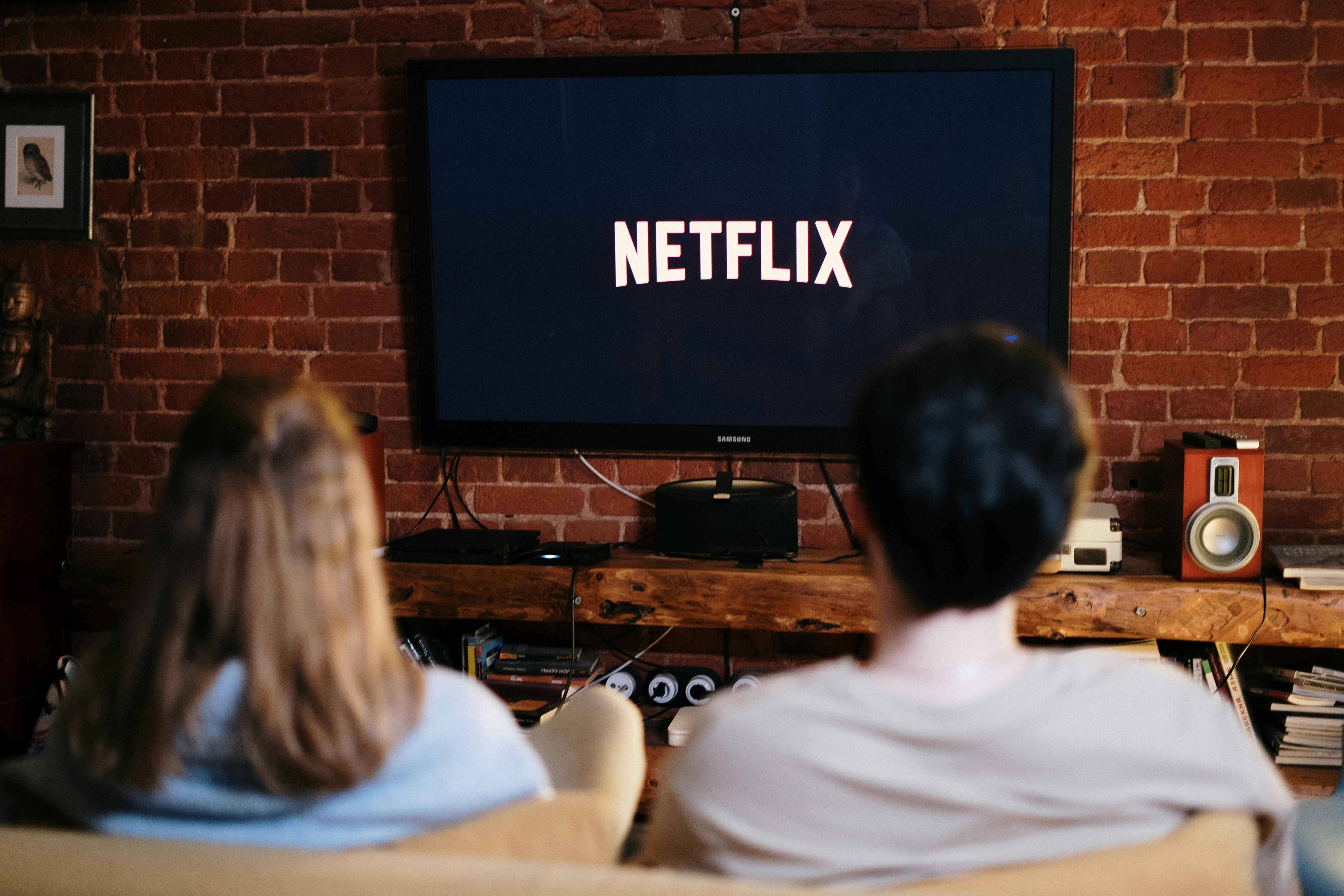
Mission Overview: Understanding Streaming Fragmentation
In technology and media circles, “streaming fragmentation” refers to the proliferation of separate, often siloed services—each with its own subscription, catalog, and interface—competing for the same finite pool of consumer attention and spending. What began as a clean break from cable bundles has turned into a landscape that increasingly resembles the complexity of the old pay‑TV world, but with far more players and faster change.
The core “mission” for platforms, creators, and regulators in this environment is threefold:
- Platforms aim to maximize lifetime value per user via a mix of subscriptions, ads, and upsells, while controlling distribution and data.
- Creators and publishers seek sustainable, diversified income without being overly dependent on any one algorithm or company.
- Audiences want convenient, affordable access to high‑quality content without overwhelming friction, surveillance, or lock‑in.
“We’re watching the collapse of the singular ‘streaming revolution’ narrative. Instead, there are dozens of overlapping micro‑economies, each with its own rules and power centers.”
Technology and Business Models Behind the New Streaming Economy
Under the hood, the streaming and creator ecosystem is powered by a stack of technologies—content delivery networks, recommendation systems, ad tech, and payment infrastructure—that shape which business models are possible. Three layers are especially important: discovery algorithms, monetization rails, and identity/data systems.
Recommendation Engines and the Attention Market
Platforms like YouTube, TikTok, Spotify, and Netflix rely on large‑scale machine learning recommender systems to maximize engagement. These systems ingest watch time, skips, likes, dwell time, and hundreds of other signals to predict what each user is most likely to consume next.
- Short‑form platforms optimize for rapid feedback loops—hundreds of micro‑interactions per session—enabling very fine‑grained modeling of user tastes.
- Long‑form platforms optimize for session length and retention, prioritizing series, playlists, and franchises.
- Podcast and music apps blend taste profiles with editorial curation and social signals (shares, follows, playlist adds).
“For creators, an algorithmic feed is both a massive opportunity and a single point of failure. A small change in ranking can mean a 50% swing in revenue overnight.”
Subscriptions, Ads, and Hybrid Monetization
Most major platforms now run hybrid monetization models:
- Pure subscription tiers (e.g., Netflix’s top tiers, some Patreon and Substack memberships) trading monthly fees for ad‑free experiences and, sometimes, exclusives.
- Ad‑supported tiers (e.g., Spotify Free, YouTube, Hulu with ads) offering free or lower‑cost access in exchange for targeted advertising.
- Hybrid and à la carte models, including rentals, transactional VOD, pay‑per‑view, and tip/jar systems integrated via Stripe, PayPal, or in‑app purchases.
Many creators diversify across these rails: YouTube ad revenue share, Patreon memberships, brand sponsorships, affiliate links, and merch. For example, a tech YouTuber reviewing streaming devices might earn:
- Pre‑roll and mid‑roll ad revenue from YouTube.
- Affiliate commissions from links to products like the Roku Streaming Stick 4K.
- Sponsorship deals with a VPN, password manager, or streaming aggregator app.
Identity, Data, and Privacy‑Constrained Ad Tech
Apple’s App Tracking Transparency (ATT), Google’s Privacy Sandbox, and browser‑level tracking protections are reducing the efficacy of cross‑site tracking. This shifts power toward platforms with strong first‑party data and logged‑in users.
- First‑party data strategies encourage users to create accounts, build watchlists, follow shows, or subscribe to newsletters.
- Contextual targeting resurges: ads targeted based on content category, episode topic, or channel rather than user‑level profiling.
- Server‑side measurement and clean rooms allow advertisers to measure performance while minimizing raw data sharing.

Shifting Economics of Online Media
The economics of streaming and creator platforms are shaped by three intertwined forces: platform saturation, consumer price sensitivity, and the instability of ad markets. As of 2025–2026, nearly every major video service has:
- Raised subscription prices at least once.
- Introduced or expanded ad‑supported tiers.
- Cracked down on password sharing and account sharing.
Streaming Saturation and Consumer Fatigue
With Netflix, Disney+, Hulu, Max, Peacock, Paramount+, Amazon Prime Video, Apple TV+, regional sports streamers, and more, many households now hit a psychological—and financial—ceiling on monthly media spend. TechCrunch and Wired have reported rising churn spikes when annual price increases combine with weaker content slates.
Common consumer strategies include:
- Subscription cycling: subscribing to one or two services per month and rotating based on what’s currently trending.
- Ad‑supported downgrades: shifting from premium ad‑free to cheaper ad‑tier plans.
- Platform substitution: replacing premium streamers with free ad‑supported TV (FAST) services such as Pluto TV, Tubi, and Roku Channel.
Podcast and Audio Platform Competition
Spotify, YouTube, Apple Podcasts, and Amazon Music/Audible are vying to own spoken‑word audio. Key economic tensions include:
- Open RSS vs. platform exclusives: open distribution allows cross‑platform listening and diverse monetization; exclusives can yield higher platform payments but reduce reach.
- Dynamic ad insertion (DAI): programmatically inserted ads allow better targeting and yield, but depend on tracking and measurement infrastructure.
- Creator tools: recording, editing, hosting, and analytics platforms (e.g., Spotify for Podcasters, YouTube Studio) compete to lock in podcasters.
“The winner in podcasting may not be the biggest catalog, but the platform that makes monetization and discovery seamless for mid‑tier creators.”
Creator Monetization and Platform Risk
For independent creators, the central economic risk is platform dependence. When YouTube tweaks recommendation weights, or TikTok adjusts eligibility for its creativity programs, entire income streams can disappear.
To mitigate this, many creators:
- Build email lists and owned channels via tools like Substack, Ghost, or self‑hosted WordPress.
- Layer in direct subscriptions via Patreon, Memberful, Ko‑fi, or paid Discord communities.
- Sell digital products—courses, templates, or media packs—using platforms such as Gumroad, Kajabi, or Podia.
Hardware and production quality increasingly matter for standing out. For example, a podcaster might invest in a USB microphone like the Blue Yeti USB Microphone and a simple lighting setup for video versions, balancing production value against budget.
Short‑Form vs. Long‑Form: Competing Attention Models
TikTok, YouTube Shorts, Instagram Reels, and Snapchat Spotlight have normalized ultra‑short videos measured in seconds, not minutes. These formats prioritize virality and rapid experimentation, often at the expense of depth. Yet, there is a growing counter‑trend: niche, high‑quality long‑form content supported by memberships, high‑CPM sponsorships, or direct patronage.
Economics of Short‑Form
Short‑form platforms monetize primarily via:
- In‑feed video ads and branded effects.
- Creator funds and revenue‑share programs (though payouts per view remain low).
- In‑app purchases for gifts and tipping.
For most creators, short‑form acts as a top‑of‑funnel marketing channel: the goal is to direct viewers to longer content, newsletters, or products where monetization is stronger.
Resilience of Long‑Form
Long‑form video essays, deep‑dive newsletters, multi‑hour podcasts, and structured courses serve a different audience intent: learning, analysis, and community. These formats:
- Support higher ad rates due to more engaged, niche audiences.
- Are well‑suited to sponsorships, where brands want deeper context and trust transfer.
- Enable subscription models where subscribers pay for ongoing value, not just entertainment.

Regulation, Antitrust, and Platform Power
Around the world, regulators are rethinking how to govern digital platforms that now control much of the distribution and monetization of news, entertainment, and culture. Cases and frameworks emerging in the U.S., EU, Australia, and elsewhere are beginning to alter the bargaining power between Big Tech, publishers, and creators.
News Bargaining and Platform Payments
Laws modeled on Australia’s News Media Bargaining Code and the EU’s copyright reforms push platforms like Google and Meta to negotiate payments with news publishers for the use of their content. While these policies target news, they set precedents for broader content ecosystems.
Outcomes so far include:
- Direct licensing deals between large publishers and platforms.
- Occasional withdrawal of news features in specific regions as platforms push back.
- Uncertainty for smaller independent outlets that may not benefit equally.
Antitrust and App Store Rules
Antitrust cases and laws like the EU’s Digital Markets Act are pressuring dominant app stores and ad platforms to loosen control over payment systems and self‑preferencing. For creators, this could mean:
- Lower fees on in‑app subscriptions and purchases.
- Greater freedom to link to off‑platform payment pages.
- More competition among app stores and distribution channels.
“Regulators are effectively asking: if a handful of platforms control distribution, discovery, and monetization, can markets really decide the future of media?”
Data, Privacy, and the Future of Ad Targeting
Privacy‑centric changes are forcing a shift from granular cross‑site tracking to more aggregated, context‑driven approaches. This transition has first‑order effects on streaming and creator economics, as ad prices and measurement methods evolve.
From Third‑Party Cookies to First‑Party and Contextual
As third‑party cookies and persistent mobile identifiers fade, platforms emphasize:
- Logged‑in environments where user activity can be measured directly.
- On‑device processing of signals used for ad targeting and recommendations.
- Contextual cues like video genre, channel theme, language, or podcast topic.
What This Means for Creators and Small Publishers
For smaller outlets and independent creators:
- Ad revenue may become more volatile, favoring those who can prove audience quality through first‑party analytics.
- Owning user relationships via email, memberships, and communities becomes strategically critical.
- Direct sponsorships—sold based on brand fit rather than micro‑targeting—grow more attractive.
This environment rewards creators who can clearly articulate their audience profile and value proposition to sponsors, rather than relying solely on platform‑automated ad programs.
Recent Milestones and Emerging Trends
Between 2023 and early 2026, several milestones have crystallized the new economics of online media. While specific deal terms are often confidential, patterns are visible across announcements, earnings calls, and creator forums.
Key Milestones in the Streaming & Creator Landscape
- Widespread introduction of ad tiers by previously ad‑free streamers, followed by reports of strong advertiser interest but mixed user satisfaction.
- High‑profile exclusivity reversals in podcasting, with some shows returning from exclusive deals to open RSS to regain audience reach.
- Expansion of platform‑native tipping and shopping, such as TikTok’s shopping integrations and YouTube’s Super Thanks, bridging entertainment and commerce.
- Growth of newsletter‑driven brands that use email lists as a central asset, then syndicate content to social, podcast, and video platforms.
- Increasing multi‑platform strategies, with creators repurposing content across short‑form, long‑form, audio, and written formats to amortize production costs.

Challenges in the Fragmented Streaming and Creator Ecosystem
While innovation is thriving, the fragmented ecosystem brings real challenges for both sides of the market—consumers and creators—as well as regulators and advertisers.
For Consumers
- Subscription overload: managing multiple logins, billing cycles, and content catalogs.
- Discovery friction: not knowing where a particular show, film, or podcast is available at any given time.
- Inconsistent quality and UX: variable streaming quality, accessibility features, and app performance.
For Creators and Publishers
- Algorithm opacity: limited visibility into why certain content is promoted or throttled.
- Revenue unpredictability: fluctuating ad rates, changing creator fund rules, and fickle sponsorship budgets.
- Rights and ownership concerns: exclusivity deals and platform distribution terms that limit future flexibility.
For Platforms and Advertisers
- Balancing growth and profitability as content costs rise and investor expectations shift toward sustainable margins.
- Compliance with evolving regulation around privacy, competition, and content moderation.
- Brand safety and suitability in user‑generated content environments at massive scale.
“The system we’re building is incredibly powerful but also fragile: a change in a single API or policy can cascade through thousands of creator businesses.”
Practical Strategies and Tools for Navigating the New Media Economy
For creators, small publishers, and even larger media teams, the fragmentation of platforms and revenue models calls for deliberate strategy. A few practical principles have emerged from successful digital brands and creator collectives.
1. Own Your Core Audience Relationship
Build a direct line to your audience that is independent of any one algorithm:
- Maintain an email newsletter with clear value: summaries, recommendations, or behind‑the‑scenes content.
- Host an official website or hub where all content, links, and offers are aggregated.
- Use social and short‑form feeds as feeders into your owned channels rather than endpoints.
2. Diversify Revenue Streams
Relying solely on ad revenue share is increasingly risky. Consider layering in:
- Membership tiers with perks (Q&As, bonus episodes, early access).
- Sponsorship packages that combine podcast mentions, newsletter placements, and social posts.
- Affiliate marketing for genuinely useful products, such as recommending a stream control deck for live creators or a 4K webcam for remote interviews.
3. Treat Platforms as Partners, Not Employers
Platforms provide reach and infrastructure, but they are not stable employers. Track:
- Policy changes in monetization, content guidelines, and recommendation systems.
- Platform‑provided analytics to understand where your most valuable audience segments live.
- Which formats and topics drive not just views but conversions to your owned channels.
4. Design for Accessibility and Inclusivity
Accessible content expands your audience and aligns with emerging regulation and platform requirements:
- Provide captions and transcripts for videos and podcasts.
- Use clear color contrast and legible typography in thumbnails and on websites.
- Structure content with headings, alt text, and semantic HTML for screen readers.
Conclusion: Toward a More Sustainable Online Media Ecosystem
Streaming fragmentation and the changing economics of online media are not temporary turbulence—they represent a structural shift. As subscription fatigue sets in, ad tech evolves under privacy pressure, and regulators intervene, the most resilient strategies will be those that:
- Center on owned audience relationships and clear value propositions.
- Accept that multi‑platform presence and revenue diversification are now baseline requirements.
- Use technology—analytics, automation, and production tools—thoughtfully rather than chasing every trend.
For consumers, the likely outcome is a blend of premium “must‑have” subscriptions, rotating niche services, and free, ad‑supported options. For creators and publishers, success will increasingly depend on building durable brands and communities that can transcend any single platform’s boom‑and‑bust cycle.
The next phase of the streaming era will not be defined by one dominant service, but by a complex network of interconnected micro‑economies. Understanding the technology, incentives, and constraints shaping those networks is now essential for anyone working at the intersection of media and technology.
Further Reading, Resources, and Examples
To go deeper into the forces reshaping streaming and creator economics, the following resources provide ongoing coverage, data, and expert analysis:
Technology and Media Coverage
- The Verge – Streaming and entertainment coverage
- TechCrunch – Streaming and media business news
- Wired – Streaming and digital culture
- The Verge – Creator economy
Research, White Papers, and Policy
- Reuters Institute – Digital News Reports
- OECD – Digital Economy and Policy
- European Commission – Competition Policy
Creator‑Oriented Education and Case Studies
- YouTube Creators – Official education and best practices
- Spotify for Podcasters – Tools and analytics
- Tubefilter – Online video industry news
Selected YouTube and Podcast Discussions
References / Sources
Selected sources and ongoing coverage relevant to streaming fragmentation and creator economics:
